
Iron Mountain Orthopaedic Institute
Where Excellence and Empathy Converge to Redefine Orthopaedic Care
We combine the highest level of surgical expertise with advanced, research-backed regenerative medicine options such as PRP and Stem Cells that may help you avoid surgeries such as joint replacements.
See what our patients have to say:
We prioritize the most advanced research-backed non-surgical treatments including PRP, A2M, stem cells, laser and shockwave to help patients avoid joint replacements and other surgeries whenever possible.
Excellence in Orthopaedic surgery led by Mark Ayzenberg, MD, FAAOS, a top-rated, double board-certified and fellowship-trained orthopaedic surgeon.
What sets us apart is not only our cutting-edge techniques, but also the way we care for our patients: with time, empathy, and a tailored approach.
Orthopaedic Care, Done Differently
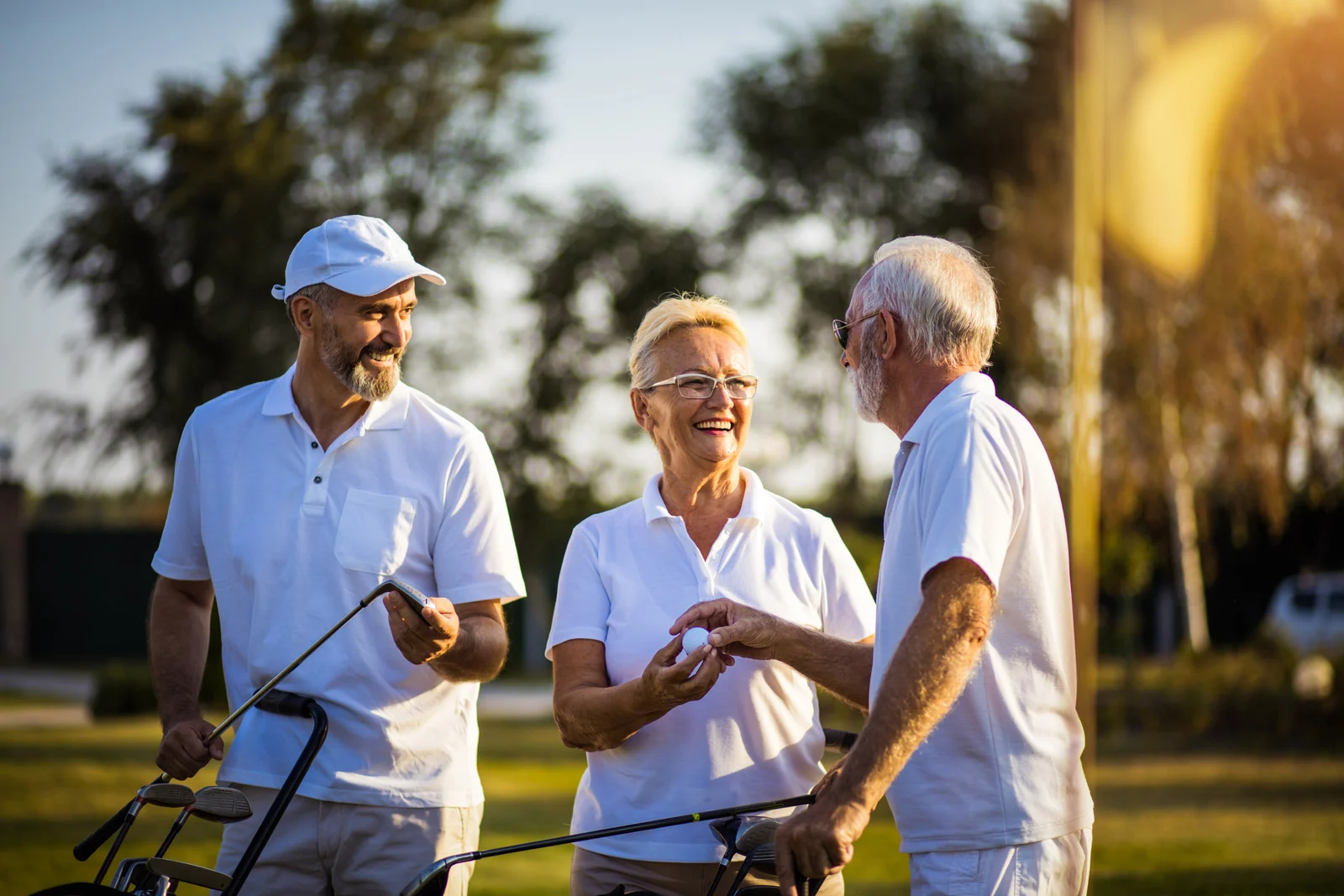
At Iron Mountain Orthopaedic Institute, we do things differently. We know that your ability to engage in the activities you love is central to your quality of life — whether that’s keeping up with your grandchildren, golfing or competing at a high level.
In our clinic, every patient receives the time they deserve — longer, personalized visits designed to answer every question and ensure comfort with the plan of care.
We believe in a “less is more” approach, led by our founder Mark Ayzenberg, MD, FAAOS, who reminds his patients: “less pills, less shots, less surgery — whenever possible.” We offer the most effective, least invasive solutions available, and recommend surgery only when it is truly the best option.
Led by our founder, Dr. Mark Ayzenberg, our philosophy is simple:
“Less pills. Less shots. Less surgery—whenever possible.”
We prioritize the most effective, least invasive solutions available, recommending surgery only when it is truly the best option.
Advanced Treatment. Thoughtful Care.
We combine the highest level of surgical expertise with cutting-edge, research-backed regenerative medicine, including:
- Platelet-Rich Plasma (PRP)
- Cellular Therapy
- MLS Laser Therapy
These options help many patients avoid major surgeries while accelerating recovery and improving outcomes.
Our mission is to return patients to the activities they love—as quickly, safely, and naturally as possible—using minimally invasive techniques, exceptional surgical care when needed, and a supportive bedside manner.
What truly sets us apart is not only our technology, but how we care: with empathy, time, and a fully tailored approach.
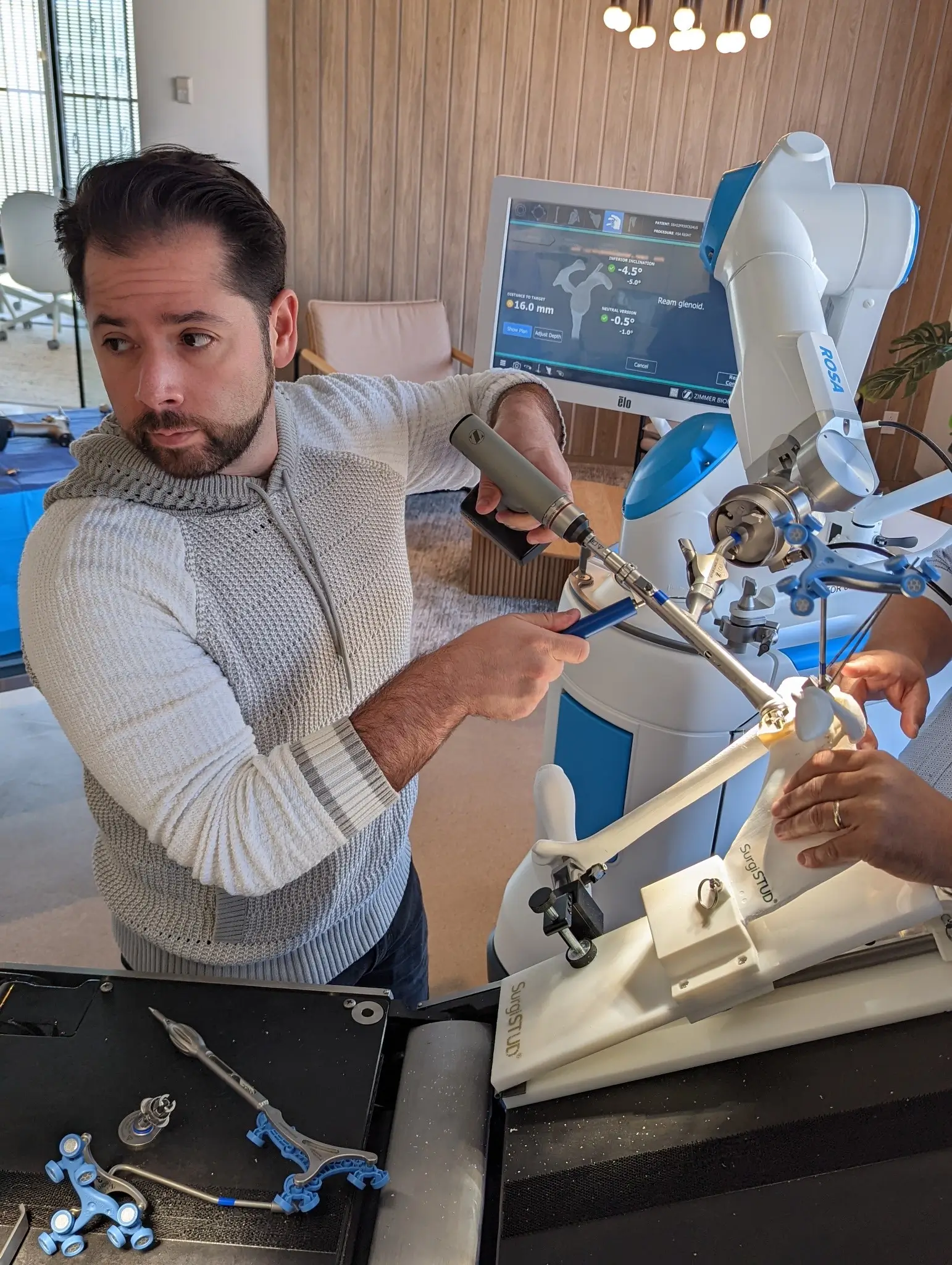
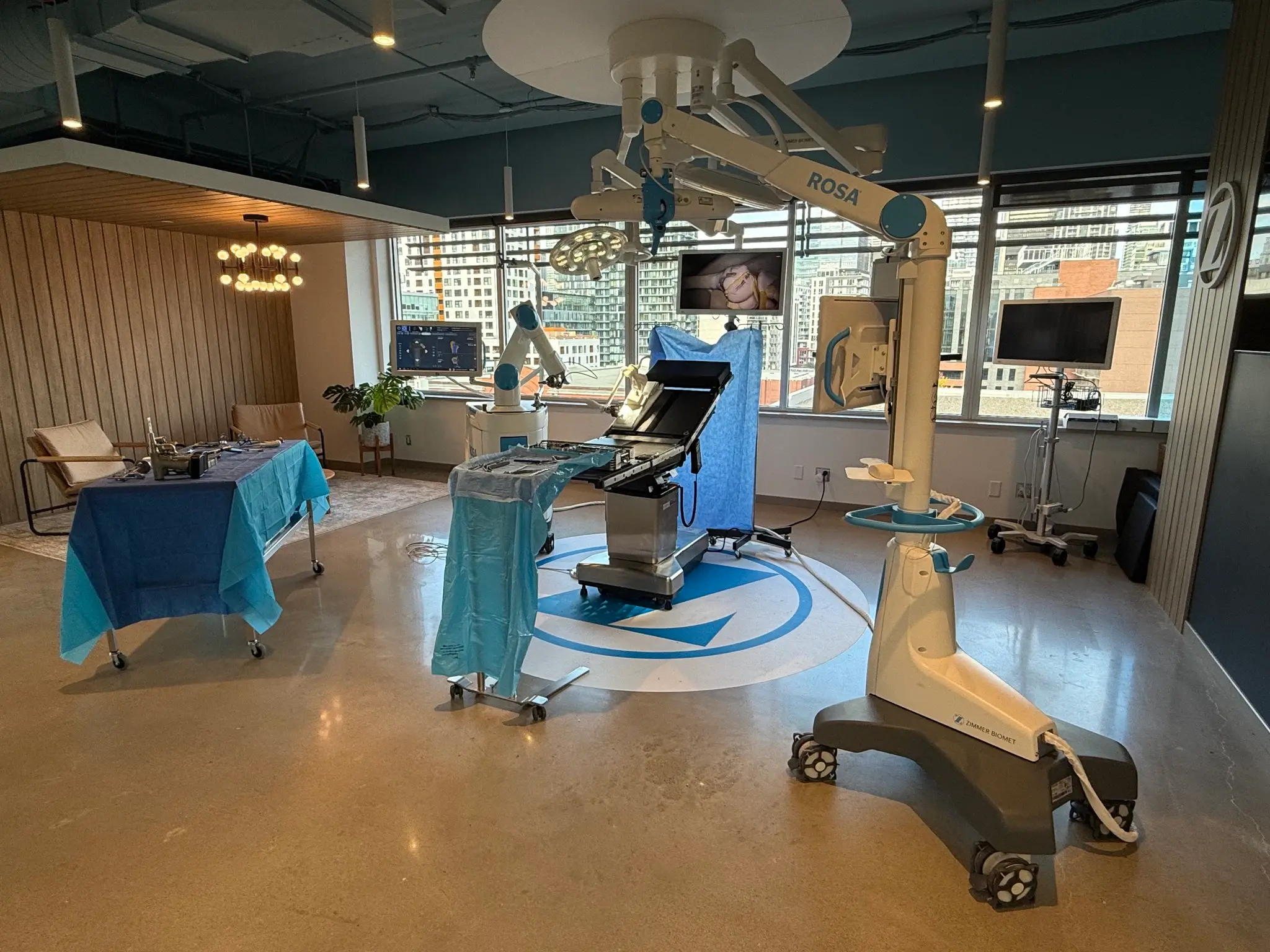
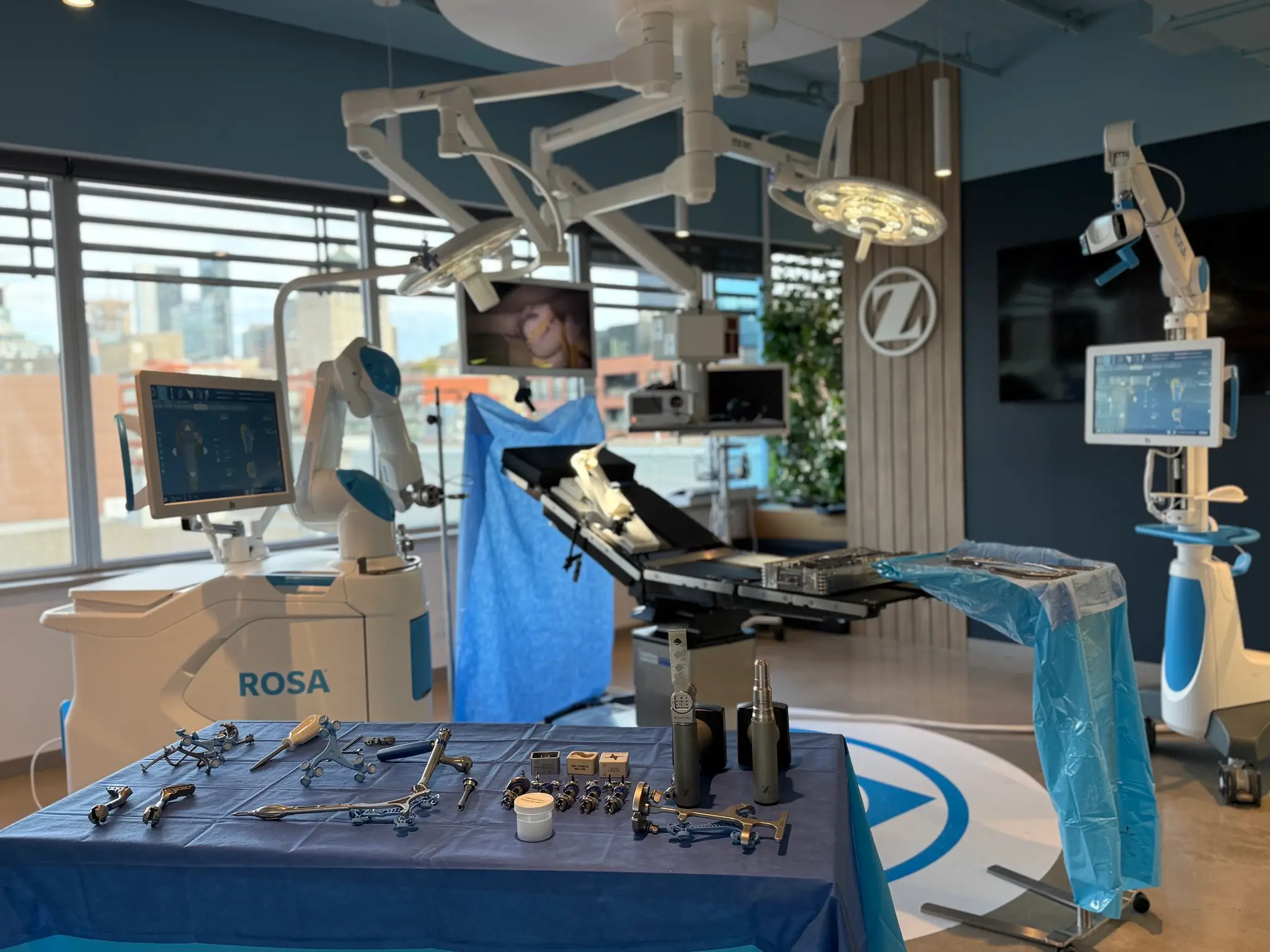
Areas of Regenerative Medicine Expertise
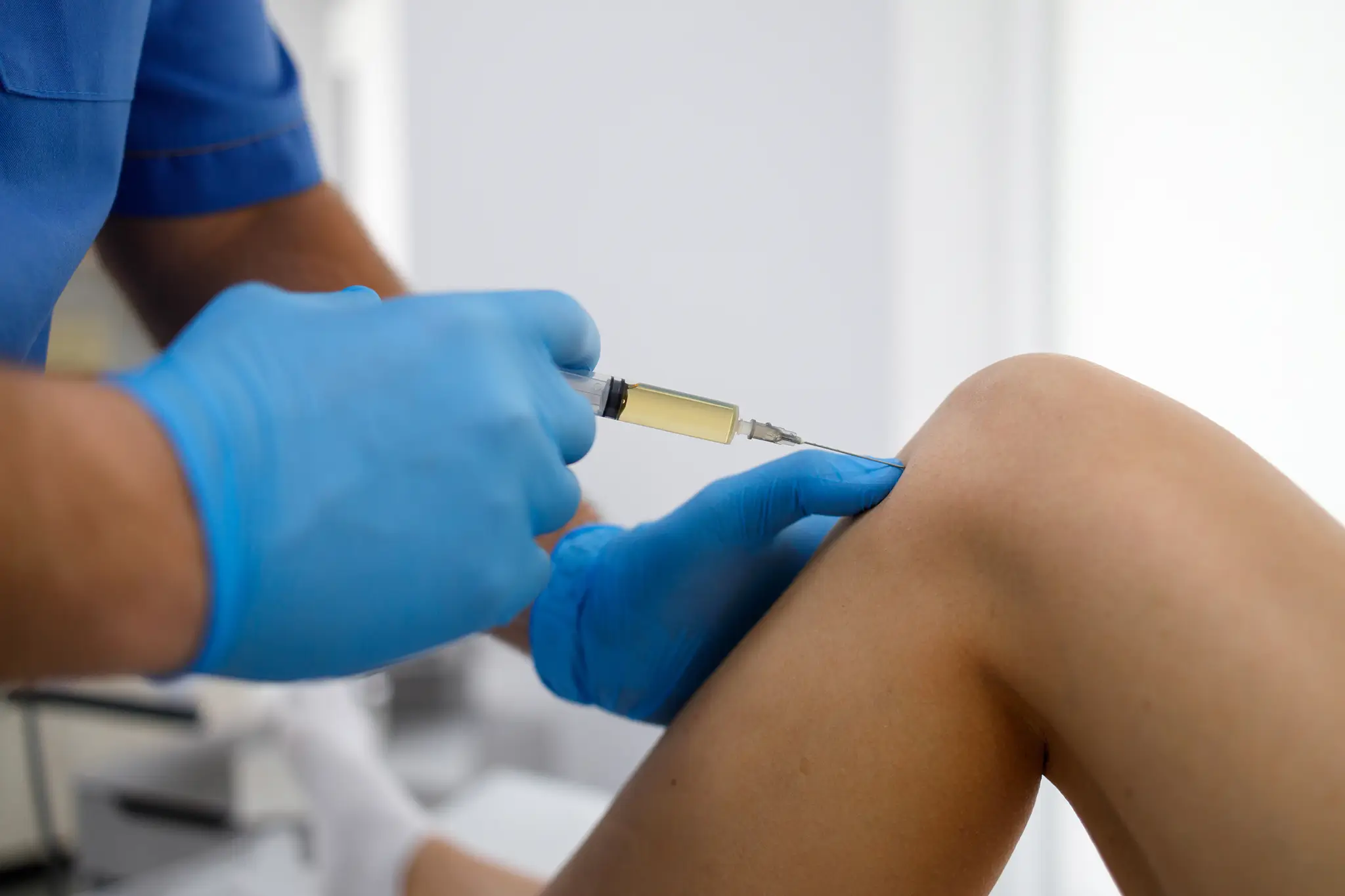
- Platelet-rich plasma (PRP) is a regenerative medicine injection made from your own blood after a simple in-office blood draw that has bioactive components that stimulate tissue repair and regeneration.
- Stem Cell Therapy (BMAC) is a regenerative medicine therapy made by taking some of your bone marrow and concentrating it to increase stem cells, growth factors and other components that contribute to tissue repair and regeneration.
- Alpha-2-Macroglobulin (A2M) is a large protein naturally found in your blood. Its main job is to trap and neutralize harmful enzymes that break down cartilage in your joints.
- MLS Laser Therapy is a painless treatment that can potentially enhance circulation, improve nerve function, and help reduce scar tissue, which can lead to better mobility and recovery.
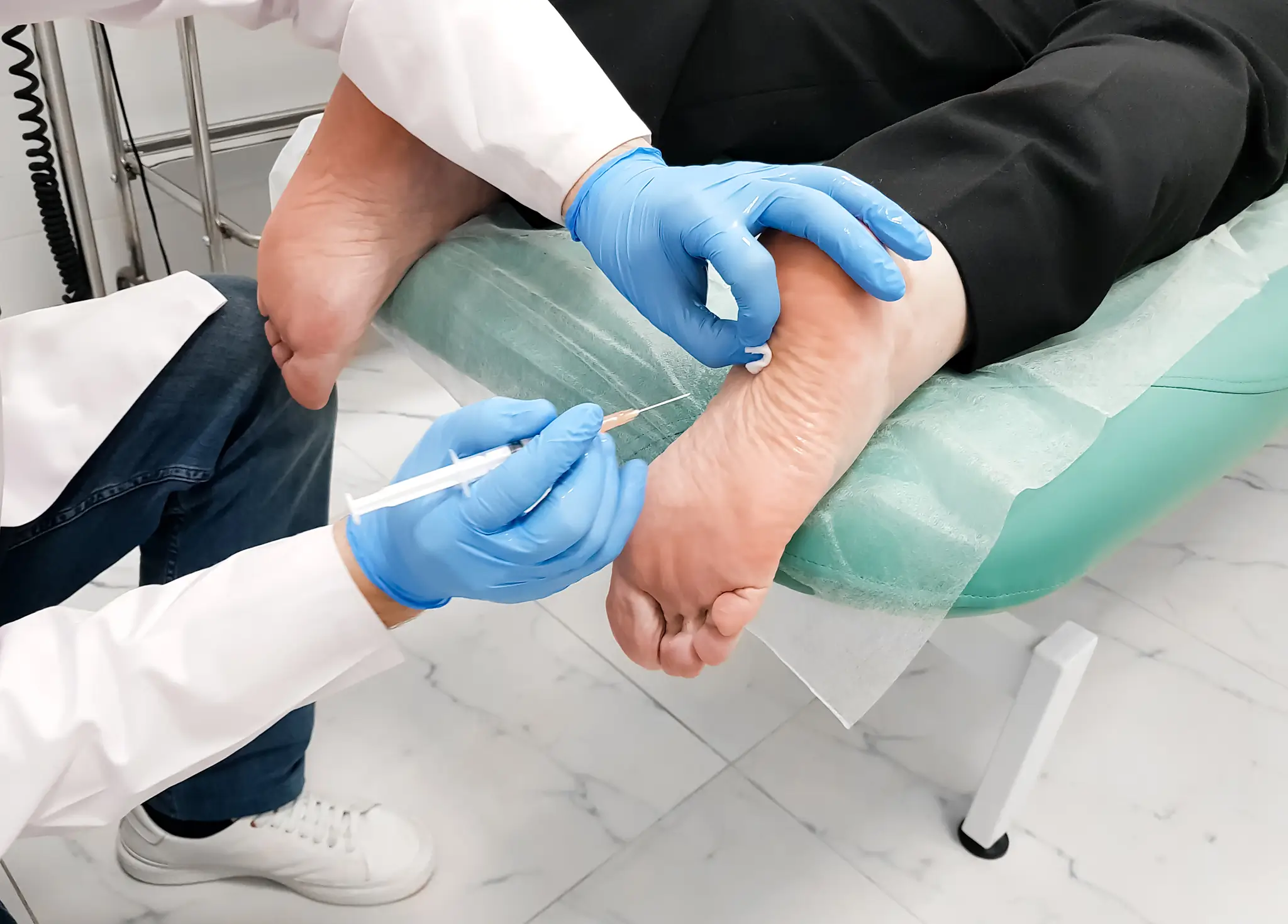
- Extracorporeal Shockwave Therapy (ESWT) is a non-invasive treatment that uses targeted acoustic energy to stimulate your body’s natural healing response in chronically injured tendons, soft tissues and joints.
- EMSCULPT NEO® Muscle Strengthening is a noninvasive treatment that combines high-intensity electromagnetic stimulation with radiofrequency energy designed to improve muscle strength, tone, and activation while also reducing localized fat in certain treatment areas.
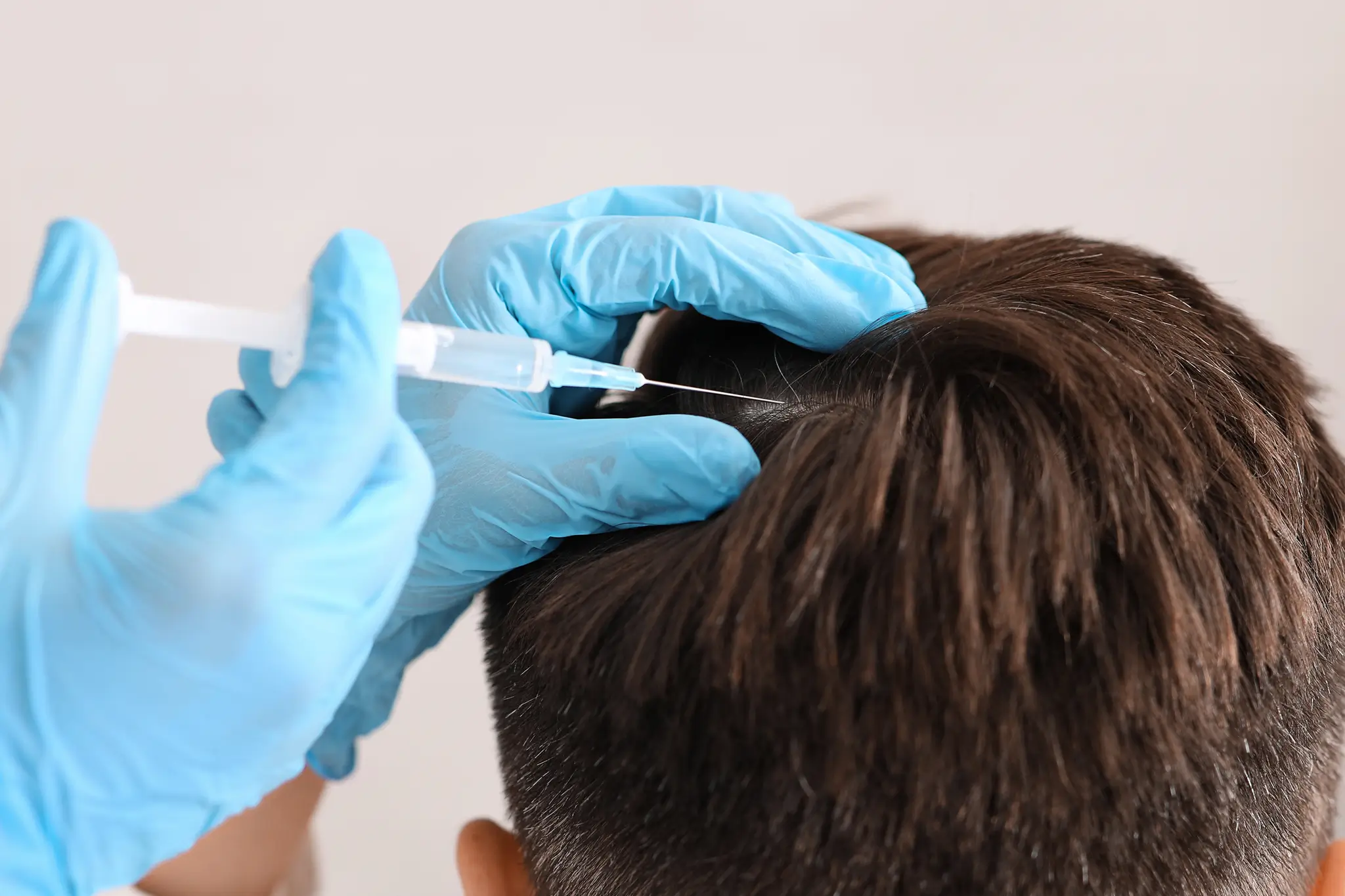
Conditions Treated With PRP Injections
- Why Patients Choose PRP Therapy
- Uses your body’s own healing properties
- Minimally invasive, non-surgical treatment
- May reduce pain and inflammation
- Helps support tissue repair and recovery
- Performed by a board-certified orthopaedic specialist
As Featured On:




Comprehensive Orthopaedic & Sports Medicine Care
We specialize in comprehensive orthopaedic services across major joints and conditions, combining surgical expertise with regenerative options that help many patients avoid unnecessary surgery.
● Rotator cuff repair ● Labrum repair ● Dislocations ● Acromioclavicular joint injuries ● Bicep and other tendon repair ● Complex reconstruction (dermal allograft, superior capsular reconstruction, balloon spacer implantation) ● Joint-sparing surgery (avoiding need for joint replacement) ● Shoulder Replacement
● Anatomic and reverse arthroplasty ● Patient-specific guidance technology ● Shoulder arthritis surgery
● ACL (anterior cruciate ligament) surgery ● PCL, MCL, LCL and multi-ligament reconstruction ● Meniscal repair ● Tendon tears (quadriceps, patellar) ● Patella re-alignment surgery ● Cartilage restoration (MACI Certified, Allograft & autograft, Corrective Osteotomies)
● Labrum repair ● FAI (femoroacetabular impingement) ● Hamstring and other tendon repair ● Hip Abductor (Gluteus Tendon) Repair
● Cartilage restoration ● Osteochondral defects ● Recurrent sprains and instability ● Impingement
● Upper extremity fractures● Lower extremity fractures● Complex reconstruction of fractures involving joints
● Platelet-Rich-Plasma (PRP) and other orthobiologic treatments help avoid surgery for some patients and are revolutionizing the world of orthopaedics as we know it.
(215) 821-7059
Reclaim Your Life.
Blog Posts & Research Insights

Does Extracorporeal Shockwave Therapy Actually Work? What Real Results Look Like in Huntingdon Valley, PA
By Mark Ayzenberg, MD, FAAOS, Founder, Iron Mountain Orthopaedic Institute
Chronic tendon pain has a way of outlasting everything you throw at it. You’ve rested it, iced it, stretched it, done the physical therapy, maybe taken the cortisone shot. And it’s still there, every morning, every round of golf, every time you try to keep up with your grandkids.
Direct Answer
Extracorporeal shockwave therapy (ESWT) is a non-surgical, in-office treatment that delivers targeted acoustic energy into damaged tendons and soft tissue to restart the body’s healing process. For appropriate candidates, it produces meaningful pain reduction and functional improvement, typically over 6 to 12 weeks. Results vary based on injury type, chronicity, and how the treatment is applied.
Key Takeaways
- ESWT works by triggering a controlled biological response in tissue that has stopped healing on its own, not by masking pain
- The strongest results come from chronic tendinopathies (plantar fasciitis, Achilles, patellar, rotator cuff) that haven’t responded to standard conservative care
- Most patients need 3 to 5 sessions; improvement builds gradually over weeks, not immediately after the first treatment
- Temporary soreness after each session is normal and expected, not a sign the treatment isn’t working
- ESWT is not appropriate for acute injuries, active infections, or patients on certain blood thinners
Why Does Chronic Tendon Pain Stop Responding to Normal Treatment?
Most people assume that rest and time fix tendon injuries. For acute injuries, that’s often true. But chronic tendinopathy is a different animal.
When a tendon is repeatedly stressed without adequate recovery, the tissue undergoes a process called failed healing. The body attempts repair but produces disorganized collagen, inadequate blood supply, and scar tissue rather than functional tendon fibers. At that point, the injury isn’t really “inflamed” in the traditional sense. It’s structurally compromised.
This is the core problem: once a tendon enters the failed-healing state, standard anti-inflammatory treatments stop working because inflammation is no longer the primary driver. Cortisone shots reduce inflammation. But if the tendon’s problem is structural degradation rather than active inflammation, you’re treating the wrong thing.
Ice and rest don’t fix disorganized collagen. Physical therapy helps, but has limits when the tissue itself lacks the biological machinery to respond. The tendon needs a stimulus strong enough to restart the repair cycle from the beginning.
That’s the gap ESWT fills.
How Does ESWT Actually Work? The Mechanism Behind the Results
Extracorporeal shockwave therapy is the delivery of high-energy acoustic waves to targeted tissue via the skin, with no incisions or anesthesia required.
The mechanism isn’t pain blocking. It’s a biological provocation.
When acoustic energy reaches damaged tendon tissue, it creates controlled microtrauma at the cellular level. That microtrauma triggers a cascade: increased blood flow to the area, recruitment of growth factors including TGF-beta and VEGF, stimulation of tenocyte activity (the cells responsible for collagen production), and breakdown of calcific deposits when they’re present.
In plain terms, the shockwaves tell the body that this tissue needs attention, and the body responds by sending the repair resources it had stopped sending. You’re not numbing the problem. You’re restarting the stalled process.
This is also why some soreness after treatment is expected and normal. A treatment that provokes a healing response will, by definition, provoke some temporary discomfort. Patients who expect zero pain after each session often misread normal post-treatment soreness as a bad sign.
At Iron Mountain Orthopaedic Institute, ESWT is performed in-office in 10 to 20 minutes per session, with no downtime required.
What Does Strong vs. Weak Results Actually Look Like?
This is the question most patients don’t get a straight answer to before starting treatment. Here’s what the evidence actually shows.
Strong results look like this:
Consider a typical case: someone with plantar fasciitis for 14 months who has completed physical therapy and received two cortisone shots without lasting relief. After a course of ESWT (3 to 5 sessions over several weeks), meaningful reduction in morning heel pain and improved walking tolerance by weeks 8 to 12. Not zero pain on day one. Gradual, building improvement over the treatment window.
The conditions that predict strong results: injury duration of 3 months or longer, failure of at least one prior conservative treatment, intact tendon structure (no complete tear), and a patient who can tolerate the treatment sessions and follow activity guidance between them.
Weak results look like this:
ESWT applied to an acute injury (less than 6 weeks old) often underperforms because the body’s natural healing process is still active and doesn’t need the stimulus. Applying it too early is like shouting at someone who’s already working.
Weak results also occur when the diagnosis is wrong. ESWT is highly specific. It works on the conditions it’s designed for. If your heel pain is due to nerve entrapment rather than plantar fasciitis, shockwave therapy won’t help because you’re treating the wrong tissue entirely.
The single biggest predictor of poor outcomes isn’t the treatment. It’s the wrong diagnosis applied to the right treatment.
If you’ve been managing chronic tendon pain in the Huntingdon Valley area and haven’t gotten a clear picture of whether ESWT fits your situation, a consultation with Dr. Ayzenberg can give you that answer without any commitment to a treatment path.
Call Iron Mountain Orthopaedic Institute at (215) 821-7059 to schedule.
The ESWT Candidate Framework: When It’s the Right Call and When It Isn’t
The ESWT Candidate Framework is a decision structure for identifying which patients are likely to benefit from shockwave therapy based on injury chronicity, prior treatment history, and tissue integrity.
Use it like this:
ESWT is likely appropriate when:
- Symptoms have persisted for 3 months or more
- At least one prior conservative treatment (PT, cortisone, bracing) has failed
- Imaging confirms tendinopathy without complete structural rupture
- The condition is one of the well-studied indications: plantar fasciitis, Achilles tendinopathy, patellar tendinopathy, calcific rotator cuff tendinitis, and lateral epicondylitis
ESWT is not the right tool when:
- The injury is acute (under 6 weeks)
- There’s an active infection or tumor in the treatment area
- The patient is pregnant
- The patient is on anticoagulation therapy (requires individual evaluation)
- The tendon is completely torn (ESWT stimulates healing in damaged tissue, not bridging of a structural gap)
The framework isn’t complicated. But it requires an accurate diagnosis first. That’s the step that determines everything downstream.
How Does ESWT Compare to Other Non-Surgical Options?
| Treatment | Mechanism | Timeline to Results | Downtime | Best For |
|---|---|---|---|---|
| ESWT | Acoustic energy restarts biological repair | 6 to 12 weeks | None | Chronic tendinopathy, failed PT |
| Cortisone Injection | Reduces active inflammation | Days to weeks | Minimal | Acute inflammation, short-term relief |
| PRP (Platelet-Rich Plasma) | Growth factors from your own blood stimulate repair | 8 to 16 weeks | Minimal | Moderate to severe tendinopathy, partial tears |
| Physical Therapy | Load management and tissue remodeling | Weeks to months | None | Acute and subacute injuries, post-procedure rehab |
| Surgery | Structural repair or debridement | Months of recovery | Significant | Complete tears, failed all conservative options |
The comparison that matters most isn’t ESWT versus PRP or ESWT versus cortisone. It’s any of these options versus waiting and doing nothing, which allows structural degradation to progress and narrows the window for non-surgical solutions.
Waiting doesn’t preserve your options. It reduces them.
At Iron Mountain Orthopaedic Institute, ESWT is often used alongside PRP or as part of a sequenced regenerative treatment plan, depending on the injury and the patient’s goals.
Who Shouldn’t Expect ESWT to Solve Their Problem?
Honest answer: ESWT isn’t a universal fix, and knowing its limits is part of using it well.
It doesn’t work on complete tendon ruptures. It doesn’t address underlying biomechanical problems that caused the injury in the first place (those need to be corrected separately or the injury recurs). It won’t produce results in one session, and patients who expect dramatic change after the first treatment almost always misinterpret the process.
It also isn’t the right starting point for someone with a new injury. If you’ve had heel pain for three weeks, rest and physical therapy are the correct first steps. ESWT earns its place when those steps have already been tried, and the tissue hasn’t responded.
The goal at Iron Mountain Orthopaedic Institute isn’t to apply every available treatment. It’s to apply the right treatment at the right time for the specific injury in front of us.
Frequently Asked Questions
How many shockwave therapy sessions will I actually need?
Most patients complete 3 to 5 sessions, spaced approximately one week apart. Some conditions, particularly calcific tendinitis, may require additional sessions. The number depends on injury severity and on how your tissue responds after the first two treatments, which provides the treating physician with early feedback on your response trajectory.
Is shockwave therapy painful during the treatment?
There’s typically a strong pressure sensation and some discomfort during the session, particularly over the most damaged tissue. Most patients tolerate it without anesthesia. The intensity can be adjusted based on your feedback during treatment. Post-session soreness for 24 to 48 hours is normal and expected.
How long before I notice improvement after ESWT?
Don’t expect dramatic change after the first session. Most patients begin noticing real improvement between weeks 4 and 8, with the full effect continuing to build through week 12 as the biological repair process completes. The treatment triggers a cascade that unfolds over time, not a switch that flips immediately.
Can I keep exercising or playing sports while doing shockwave therapy?
Light activity is generally fine between sessions. High-impact loading of the treated area is usually restricted for 48 hours post-treatment. Your specific activity guidance will depend on which tendon is being treated and how your body is responding. Returning to golf or sport is often a realistic goal within the treatment window, not after it.
Will insurance cover ESWT?
Coverage varies significantly by insurer and plan. Some insurers cover ESWT for specific indications, such as plantar fasciitis, when conservative treatments have been documented as failing. Others classify it as experimental. The office team at Iron Mountain Orthopaedic Institute can help you understand your specific coverage before committing to a treatment plan.
What happens if ESWT doesn’t work for me?
If ESWT doesn’t produce the expected improvement, that information is clinically useful, not a dead end. It may indicate the diagnosis needs re-evaluation, that the injury has progressed beyond what shockwave therapy can address alone, or that a different regenerative approach (such as PRP or BMAC stem cell therapy) is the better next step. Non-response guides the next decision rather than closing the door on non-surgical care.
Is shockwave therapy the same as ultrasound therapy?
No. Therapeutic ultrasound uses low-energy sound waves primarily for warming and mild tissue stimulation. ESWT uses high-energy acoustic pulses to generate cellular-level mechanical stress that triggers the biological repair cascade. They’re in the same general category of sound-based therapies but operate at different energy levels, use different mechanisms, and have different clinical indications.
The Straight Answer on ESWT
The patients who get the most from ESWT are the ones who’ve already tried the standard path and hit a wall. If you’ve done the physical therapy, taken the injections, rested it longer than anyone should have to, and the tendon still isn’t right, that’s exactly the situation shockwave therapy was designed for.
It’s not a shortcut. It’s a restart.
If you’re in the Huntingdon Valley area and you’re tired of managing pain that won’t resolve, the next step is a real conversation about whether ESWT is right for your specific injury, not a generic treatment plan handed to you after a 10-minute appointment.
Iron Mountain Orthopaedic Institute was built on the premise that longer appointments, accurate diagnosis, and conservative-first care produce better outcomes than rushing to the operating room. Dr. Ayzenberg holds a 5.0 Google rating because that approach works.
Call (215) 821-7059 to schedule a consultation and find out whether ESWT is the right next step for you.
About the Author
Mark Ayzenberg, MD, FAAOS, is the founder of Iron Mountain Orthopaedic Institute and a double board-certified, fellowship-trained orthopaedic surgeon specializing in sports medicine, arthroscopy, and regenerative orthopaedics. He graduated cum laude from the University of Pennsylvania, earned his medical degree with highest honors (first in his class) from what is now Geisinger Commonwealth School of Medicine, and completed fellowship training in Sports Medicine, Arthroscopy, and Reconstructive Surgery at Southern California Orthopedic Institute. Iron Mountain Orthopaedic Institute serves patients in Huntingdon Valley, PA, with a conservative-first approach that prioritizes non-surgical solutions and personalized care.
What Real PRP Results Look Like in Huntingdon Valley: Honest Timelines, Strong Outcomes, and What Drives the Difference
By Mark Ayzenberg, MD, FAAOS, Founder, Iron Mountain Orthopaedic Institute
Joint pain has a way of slowly narrowing your world. The golf round you skip, the grandkid you can’t chase, the morning where getting out of bed takes longer than it should. If you’ve started looking into PRP therapy, you’re probably past the point of hoping it resolves on its own.
Direct Answer
PRP therapy works by concentrating your own blood’s platelets and growth factors, then injecting them directly into damaged tissue to trigger a repair response that the body stopped mounting on its own. Strong results typically appear over 8 to 12 weeks, with meaningful improvement in pain and function for appropriate candidates. Weak results usually trace back to poor candidate selection, low-quality preparation, or targeting the wrong target.
Key Takeaways
- PRP is most effective for early-to-moderate joint degeneration, tendon injuries, and soft tissue damage where the body’s repair process has stalled
- Timeline matters: most patients notice a shift between weeks 6 and 12, not days 2 and 3
- The quality of the PRP preparation (platelet concentration, activation method, imaging guidance) directly determines how much of the treatment actually reaches the target tissue
- Not every joint and not every patient is a strong candidate; honest evaluation before treatment is what separates good outcomes from wasted ones
- Waiting to see if pain resolves on its own is rarely neutral; it often allows further degeneration that narrows your options later
What Is PRP, and Why Does It Work the Way It Does?
Platelet-rich plasma (PRP) is a concentration of your own blood’s platelets, growth factors, and bioactive proteins, prepared by spinning a blood draw in a centrifuge to separate and concentrate the therapeutic components. The mechanism isn’t complicated once you understand what platelets actually do: in normal healing, platelets rush to an injury site and release growth factors that signal surrounding cells to proliferate, build new tissue, and reduce destructive inflammation.
The problem in chronic joint conditions is that the body’s repair signal has gone quiet. A degenerating knee or a chronically irritated rotator cuff tendon exists in a low-oxygen, low-nutrient environment where the normal healing cascade doesn’t fire reliably. PRP re-initiates that signal by flooding the area with a concentrated dose of the same molecular messengers the body would use in response to a fresh injury.
That’s the mechanism that makes PRP different from a cortisone injection. Cortisone suppresses inflammation and provides symptom relief. PRP asks the tissue to repair itself. One is a pause; the other is an attempt at a restart.
What Does a Strong PRP Result Actually Look Like?
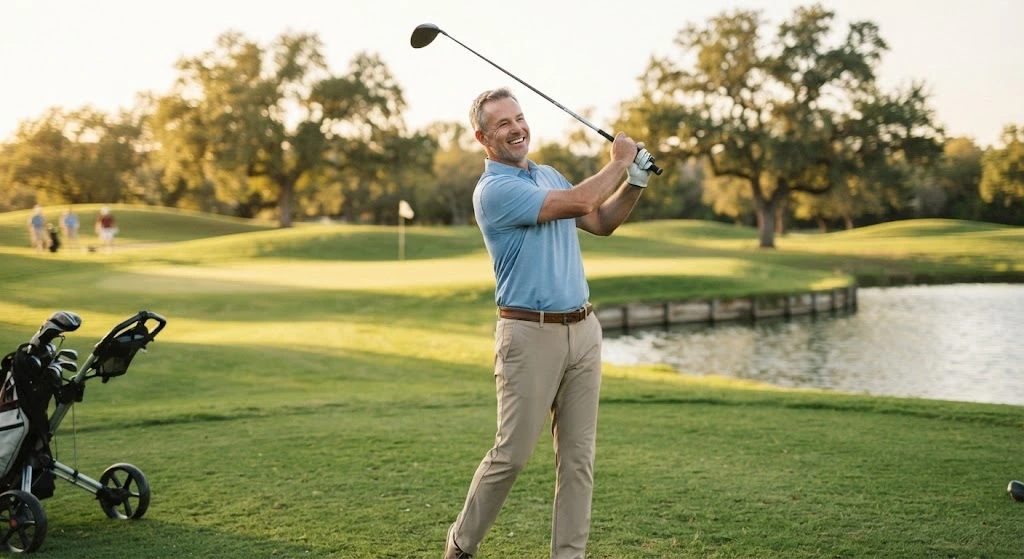
Consider a typical scenario: a 58-year-old active golfer with moderate medial knee osteoarthritis and persistent pain that’s been limiting his game for two years. He’s had cortisone injections that helped for six weeks at a time, but the relief window keeps getting shorter. After a thorough evaluation confirming he’s a good candidate, he receives a PRP injection prepared under imaging guidance to confirm accurate placement.
Weeks 1 to 3: mild soreness at the injection site, possibly a temporary flare in symptoms as the inflammatory response activates. This is normal and expected. It means the treatment is doing something.
Weeks 4 to 6: the soreness settles. Some patients notice small functional improvements, less morning stiffness, and slightly better range of motion.
Weeks 8 to 12: This is where meaningful change typically shows up. Pain scores drop, activity tolerance increases, and patients often report getting back to activities they’d quietly given up.
The result isn’t a cure. It’s a meaningful reduction in pain and a restoration of function that, for the right candidate, can delay or avoid surgical intervention for years.
Why Do Some PRP Treatments Fail?
This is the question most patients don’t think to ask before they commit to treatment, and it’s the most important one.
PRP failure usually comes down to one of three things.
First, candidate mismatch. PRP works on tissue that still has enough biological capacity to respond. Severely degenerated joints with bone-on-bone contact and minimal remaining cartilage don’t have the cellular infrastructure to respond to growth factor signals. Injecting PRP into a joint that’s past the point of biological repair is like watering a plant that’s already dead. The treatment isn’t wrong; the selection was.
Second, preparation quality. Not all PRP is the same. The platelet concentration, the presence or absence of red blood cells (which can be inflammatory), and the activation method all affect what you’re actually injecting. A poorly prepared sample may have a platelet concentration barely above baseline. The difference between a therapeutic dose and a subtherapeutic one isn’t visible to the patient.
Third, delivery accuracy. Even a well-prepared sample injected without imaging guidance can miss the target. In a shoulder with complex anatomy or a hip joint surrounded by soft tissue, freehand injection placement is genuinely difficult. Ultrasound or fluoroscopic guidance confirms the needle is where it needs to be.
At Iron Mountain Orthopaedic Institute, the evaluation before a PRP recommendation is as important as the injection itself. Dr. Ayzenberg’s approach is to determine whether PRP is the right tool before discussing its availability.
If you’re weighing whether PRP is appropriate for your specific situation, a consultation with Dr. Ayzenberg at Iron Mountain Orthopaedic Institute gives you an honest answer before you commit to anything. Call (215) 821-7059 to schedule.
The PRP Candidate Spectrum: A Decision Framework
The Repair Capacity Framework is a way of thinking about PRP candidacy based on the tissue’s remaining biological potential, not just the severity of symptoms.
Use this framework to understand where you likely fall:
| Patient Profile | Tissue State | PRP Likely Outcome |
|---|---|---|
| Early degeneration, active, good baseline health | High repair capacity | Strong candidate; meaningful improvement likely |
| Moderate degeneration, some activity limitation | Moderate repair capacity | Good candidate; improvement probable with proper prep and placement |
| Advanced degeneration, significant structural loss | Low repair capacity | Weaker candidate; may benefit from a combination approach or a surgical consult |
| Bone-on-bone, end-stage OA | Minimal repair capacity | PRP alone is unlikely to produce meaningful change; surgical evaluation is warranted |
| Acute tendon or soft tissue injury | High repair capacity | Strong candidate; PRP accelerates what the body is already trying to do |
Use this when deciding whether to pursue PRP: the question isn’t “is PRP available?” It’s “Does my tissue have enough left to respond?”
How Does PRP Compare to Other Conservative Options?
The honest comparison isn’t PRP vs. surgery. It’s PRP vs. the other non-surgical options you’ve probably already tried or been offered.
Cortisone injections reduce inflammation and provide faster symptom relief, often within days. But they don’t repair tissue, and repeated use can actually accelerate cartilage breakdown over time. They’re useful for acute flares and for buying time, not for changing the trajectory of degeneration.
Hyaluronic acid injections (viscosupplementation) lubricate the joint and can reduce pain in mild-to-moderate osteoarthritis. They don’t stimulate repair either. Think of them as maintenance, not treatment.
Physical therapy addresses the muscular and biomechanical contributors to joint stress. It’s essential, and it works better when the underlying tissue is less inflamed and more functional. PRP and physical therapy are frequently used together at Iron Mountain Orthopaedic Institute because each makes the other more effective.
BMAC (bone marrow aspirate concentrate) is a step beyond PRP, using stem cell-rich material from your own bone marrow for more advanced degeneration. For patients who are strong PRP candidates, PRP is typically the starting point. For those with more significant structural damage, BMAC may be the more appropriate tool.
The category reframe that matters here is that PRP isn’t a pain management treatment. It’s a tissue biology intervention. Thinking of it as a better cortisone shot is the wrong frame entirely, and it’s why some patients are disappointed when it doesn’t act like one.
Who Is PRP Not Right For?
Straight answer: PRP isn’t the right first step for everyone, and saying so is part of how Iron Mountain Orthopaedic Institute earns trust.
PRP is unlikely to produce meaningful results if your joint has reached end-stage degeneration with severe structural loss. It’s also not appropriate as a standalone treatment for acute fractures, infections, or conditions requiring immediate surgical intervention. Patients with certain blood disorders or active malignancies aren’t candidates.
It’s also not a fast fix. If you need to be pain-free in two weeks for a specific event, PRP’s 8-to-12-week timeline doesn’t serve that need. Cortisone might be the right bridge while you pursue longer-term repair.
The most expensive mistake isn’t choosing PRP and not responding. It’s waiting through years of worsening degeneration because nothing felt urgent enough to address, and then arriving at a consultation where the only remaining option is replacement.
Frequently Asked Questions
How long does it take to know if PRP is actually working?
Most patients start noticing meaningful change between weeks 6 and 12 after injection. The first few weeks often involve a temporary increase in soreness as the inflammatory repair process activates, which is expected and doesn’t mean the treatment isn’t working. Judging PRP by how you feel at week two is like judging a bone fracture’s healing by how it feels the day after casting.
Does it matter where I get PRP done?
Yes, significantly. The preparation method, platelet concentration, use of imaging guidance during delivery, and the accuracy of the initial candidate evaluation all affect whether the treatment reaches the intended tissue at a therapeutic dose. PRP from a well-equipped, experienced orthopaedic practice isn’t the same product as a generic injection from a facility that doesn’t specialize in musculoskeletal care.
Can PRP actually help me avoid a knee or hip replacement?
For the right candidate, yes. PRP won’t reverse end-stage joint destruction, but for patients with early-to-moderate degeneration, it can meaningfully slow progression and restore enough function to delay or avoid replacement surgery. The keyword is “candidate.” An honest evaluation is the only way to know whether that applies to your specific joint and your specific imaging.
Is PRP painful to receive?
The injection itself involves a blood draw and then the injection into the joint or tissue, which most patients describe as moderate discomfort similar to a cortisone injection. The days that follow can involve a flare of soreness. Numbing agents are used to manage the procedure itself. Most patients find it manageable, particularly when weighed against the alternative of ongoing pain or surgery.
How many PRP injections will I need?
It depends on the condition being treated and how you respond. A single injection is the starting point for many soft tissue and early joint conditions. Some patients benefit from a series of two or three injections spaced several weeks apart, particularly for more significant degeneration. Dr. Ayzenberg evaluates the response before recommending additional treatment rather than defaulting to a preset protocol.
Is PRP covered by insurance?
Most insurance plans currently classify PRP as investigational for musculoskeletal conditions and don’t cover it. That’s a real cost consideration. The relevant comparison isn’t PRP vs. free; it’s PRP now vs. the cost, recovery time, and risk profile of a joint replacement or surgical procedure later. For many patients, the math favors earlier intervention.
What happens if PRP doesn’t work for me?
If PRP doesn’t produce meaningful improvement, that information is clinically valuable. It helps clarify whether the tissue’s repair capacity is lower than imaging suggested, and it informs the next decision, whether that’s a different regenerative approach like BMAC, a combination treatment, or a surgical consultation. A non-response isn’t a dead end; it’s a data point that sharpens the path forward.
If you’re in the Huntingdon Valley area and you’re tired of managing joint pain without a clear plan, Iron Mountain Orthopaedic Institute offers the kind of appointment where you actually get answers. Dr. Ayzenberg spends real time with patients, explains what the imaging shows, and tells you honestly whether PRP is likely to help you. Call (215) 821-7059 to schedule a consultation.
About the Author
Mark Ayzenberg, MD, FAAOS, is the founder of Iron Mountain Orthopaedic Institute and a double board-certified, fellowship-trained orthopaedic surgeon specializing in sports medicine, arthroscopy, and regenerative orthopaedics. He graduated cum laude from the University of Pennsylvania, earned his medical degree with highest honors from what is now Geisinger Commonwealth School of Medicine, and completed fellowship training in Sports Medicine, Arthroscopy, and Reconstructive Surgery at Southern California Orthopedic Institute. Iron Mountain Orthopaedic Institute serves patients in Huntingdon Valley, PA, with a focus on minimally invasive and non-surgical solutions, including PRP, BMAC stem cell therapy, A2M, MLS Laser Therapy, and ESWT.
Extracorporeal Shockwave Therapy vs. Other Non-Surgical Options: An Honest Comparison for Huntingdon Valley Patients
By Mark Ayzenberg, MD, FAAOS, Founder, Iron Mountain Orthopaedic Institute
Chronic tendon pain and stubborn joint conditions have a way of outlasting every treatment you’ve already tried. You’ve done the physical therapy, taken the anti-inflammatories, maybe had a cortisone shot or two. The pain is still there. Now you’re staring at a list of options you don’t fully understand, wondering which one is actually worth your time.
Direct Answer
Extracorporeal Shockwave Therapy (ESWT) is a strong first choice for chronic tendon conditions and calcific deposits that haven’t responded to physical therapy or injections. It works by triggering a controlled mechanical stimulus that restarts the body’s own repair process. For acute injuries, early-stage inflammation, or advanced joint degeneration, other treatments often outperform it.
Key Takeaways
- ESWT is most effective for chronic tendinopathies (plantar fasciitis, Achilles, rotator cuff) that have been unresponsive for at least 3 to 6 months
- PRP and BMAC (stem cell therapy) address tissue regeneration at a cellular level; ESWT addresses it mechanically – they’re not competing, they’re different mechanisms
- Cortisone injections reduce inflammation quickly, but don’t rebuild tissue and can weaken tendons with repeated use
- MLS Laser Therapy works faster for acute pain and inflammation; ESWT works better for calcified or fibrotic tissue
- The worst outcome in chronic tendon care isn’t choosing the wrong non-surgical treatment – it’s waiting so long that surgical options become the only ones left
Why Does Chronic Tendon Pain Keep Coming Back Even After Treatment?
The reason most conservative treatments fail isn’t that they’re ineffective. It’s that they’re targeting the wrong stage of the problem.
Tendinopathy is not a single condition. It’s a spectrum. Early-stage tendinopathy involves reactive inflammation. Chronic tendinopathy involves disorganized collagen, failed healing, and sometimes calcific deposits. A treatment that works brilliantly at stage one (say, a corticosteroid injection for acute bursitis) can be actively counterproductive at stage three, where the tissue needs mechanical stimulation to restart repair rather than suppression.
Most patients arrive at a shockwave conversation after months or years of treatments that were appropriate for a problem they no longer have.
That’s the root cause of the cycle. The injury evolved; the treatment plan didn’t.
What Is ESWT and How Does It Actually Work?
Extracorporeal Shockwave Therapy is a non-invasive procedure that delivers high-energy acoustic pressure waves to targeted musculoskeletal tissue through the skin. The “extracorporeal” part means the energy source stays outside the body.
The mechanism matters here. ESWT doesn’t just mask pain. The acoustic waves create microtrauma in the treated tissue, which triggers a fresh inflammatory response in tissue that had essentially gone dormant. That controlled restart activates growth factors, stimulates neovascularization (the formation of new blood vessels), and breaks down calcific deposits. In other words, it tells the body to treat a chronic injury as if it’s new again.
This is why ESWT tends to work where cortisone failed. Cortisone suppresses inflammation. ESWT provokes a controlled, therapeutic version of it. For tissue that’s been stuck in a failed-healing loop, suppression isn’t the answer.
The treatment itself typically takes 15 to 20 minutes per session. Most protocols involve 3 to 5 sessions spaced one week apart. Discomfort during treatment is real but brief. Improvement is usually gradual over 6 to 12 weeks as tissue remodels.
How Does ESWT Compare to the Other Main Options?
Here’s the honest breakdown. Each treatment has a specific mechanism, target, and failure mode.
| Treatment | Best For | Mechanism | Limitations |
|---|---|---|---|
| ESWT | Chronic tendinopathy, calcific deposits, plantar fasciitis | Mechanical microtrauma triggers repair restart | Less effective for acute injuries, early inflammation |
| PRP (Platelet-Rich Plasma) | Partial tendon tears, early-to-mid arthritis, ligament injuries | Growth factors from your own blood stimulate cell repair | Requires adequate platelet concentration; not ideal for advanced joint destruction |
| BMAC (Stem Cell Therapy) | Cartilage damage, moderate joint degeneration | Bone marrow-derived cells differentiate and regenerate tissue | Higher cost; best reserved for significant structural loss |
| MLS Laser Therapy | Acute pain, post-surgical recovery, nerve pain | Photobiomodulation reduces inflammation and accelerates cellular healing | Less penetrating for deep calcific or fibrotic tissue |
| A2M (Alpha-2-Macroglobulin) | Early-to-moderate osteoarthritis | Binds and neutralizes cartilage-destroying enzymes | Targeted specifically at arthritis progression, not a tendon treatment |
| Corticosteroid Injection | Acute inflammatory flares, bursitis | Suppresses the inflammatory cascade | Doesn’t rebuild tissue; repeated use can weaken tendons and accelerate degeneration |
| EMSCULPT NEO | Muscle atrophy around a joint, post-injury weakness | Electromagnetic muscle stimulation builds supporting musculature | Not a direct joint or tendon treatment; it works on the surrounding muscle |
The table above reflects a real clinical reality: no single treatment wins across all conditions. The question isn’t which treatment is best in general. It’s the treatment that matches the specific stage and structure of your injury.
At Iron Mountain Orthopaedic Institute, this is exactly the kind of evaluation that happens before any treatment recommendation. The goal is never to default to the newest or most aggressive option. It’s to match the mechanism to the problem.
If you’re at the point where you’re comparing these options seriously, a direct conversation with Dr. Ayzenberg is worth more than any chart. Call (215) 821-7059 to schedule a consultation in Huntingdon Valley.
The Comparison Most People Miss: ESWT vs. PRP
These two get conflated constantly. They shouldn’t be.
PRP works at the cellular level. It delivers concentrated growth factors that recruit repair cells to damaged tissue. ESWT works at the structural and mechanical level. It breaks down calcification, disrupts fibrotic tissue, and restarts the vascular supply.
Consider a typical scenario: a patient with chronic Achilles tendinopathy has both a calcific deposit and surrounding tendon degeneration. ESWT addresses the calcific deposit directly. PRP addresses the surrounding tissue repair. Used together, they’re not redundant – they’re targeting different components of the same problem.
This is why combination protocols often outperform either treatment alone. The mechanism-matching logic applies here, too. If the primary problem is calcification, start with ESWT. If the primary problem is tissue quality and partial tearing, PRP is the stronger lead.
Who ESWT Is Not the Right Fit For
Honest medicine means saying this clearly.
ESWT is not appropriate for acute injuries in the first few weeks of the inflammatory phase. The tissue needs to stabilize before mechanical stimulation helps rather than harms. It’s also not the right primary treatment for significant cartilage loss or advanced osteoarthritis, where the structural problem is joint surface degradation rather than tendon pathology. For those patients, A2M, BMAC, or a combination approach is more appropriate.
Patients with certain circulatory conditions, active infections near the treatment site, or who are pregnant are not candidates. And for patients whose pain is coming from nerve compression or a structural issue that requires surgical correction, no regenerative treatment replaces that conversation.
The goal at Iron Mountain Orthopaedic Institute isn’t to avoid surgery at all costs. It’s to exhaust every legitimate non-surgical option before surgery is recommended. That distinction is what “less is more” actually means in practice.
The Decision Framework: Matching Treatment to Stage
The Stage-Mechanism Match is a practical way to think about which treatment to pursue first. It works like this: identify the primary tissue involved, the duration of the problem, and the dominant pathology (inflammation, degeneration, calcification, or muscle loss). Then match the treatment to the mechanism that addresses that specific combination.
- Use ESWT when: the condition is chronic (3+ months), the tissue is a tendon or fascia, and imaging shows calcification or fibrosis.
- Use PRP when: there’s partial tissue tearing, early-to-moderate joint arthritis, or a ligament that needs cellular repair stimulus.
- Use BMAC when: cartilage loss is moderate, and the patient wants to avoid or delay joint replacement.
- Use MLS Laser when: the primary complaint is acute pain, post-procedure recovery, or peripheral nerve pain.
- Use A2M when: early osteoarthritis is the diagnosis, and the goal is to slow enzymatic cartilage destruction.
Use EMSCULPT NEO when muscle atrophy around a joint contributes to instability or pain, and rebuilding that support structure is part of the recovery plan.
The framework isn’t a substitute for a clinical evaluation. But it gives you a starting vocabulary for the conversation you should be having with your orthopaedic surgeon.
Waiting to have that conversation is the most expensive decision in this category. Chronic tendon conditions and degenerative joint disease don’t plateau on their own – they progress, and the window for non-surgical options narrows with every month of delay.
If you’re in the Huntingdon Valley area and you’ve been managing joint or tendon pain without a clear plan, Iron Mountain Orthopaedic Institute offers the kind of appointment where you actually get answers. Dr. Ayzenberg takes the time to review your imaging, explain your options, and tell you honestly what’s likely to work. Call (215) 821-7059 or visit ironmountainortho.com.
Frequently Asked Questions
How many shockwave therapy sessions will I actually need?
Most protocols for chronic tendinopathy involve 3 to 5 sessions, spaced about one week apart. The number depends on the condition being treated and how the tissue responds after the first one or two sessions. Plantar fasciitis often responds in 3 sessions; calcific rotator cuff tendinopathy may need the full 5.
Will ESWT hurt during the treatment?
There’s real discomfort during the procedure, particularly over calcified tissue or bony prominences. Most patients describe it as an intense pressure or aching sensation. It’s brief and manageable, and it typically diminishes by the third session as the tissue begins to respond.
Can I do shockwave therapy and PRP at the same time?
Not simultaneously in the same session, but combination protocols are common and often clinically appropriate. The typical approach is to complete ESWT first to break down calcification and prepare the tissue, then follow with PRP to support cellular repair. Your surgeon should guide the sequencing based on your specific imaging and diagnosis.
How long before I see results from ESWT?
Tissue remodeling takes time. Most patients notice meaningful improvement between 6 and 12 weeks after completing their treatment course. Some feel better sooner; others take longer. Expecting immediate relief is the most common reason patients underestimate how well ESWT actually works.
Is shockwave therapy covered by insurance?
Coverage varies significantly by insurer and by the specific diagnosis code. Some plans cover ESWT for plantar fasciitis after documented failed conservative treatment; others classify it as investigational. It’s worth verifying with your insurance before scheduling, and Iron Mountain Orthopaedic Institute can help clarify what documentation is typically needed.
What happens if shockwave therapy doesn’t work for me?
If ESWT doesn’t produce adequate improvement, it doesn’t close off other options. Depending on the condition, PRP, BMAC, or a combination protocol may be the appropriate next step. Surgical consultation is appropriate when non-surgical options have been genuinely exhausted, and the structural problem requires direct repair. The point of a thorough non-surgical evaluation is to know exactly where you stand before that conversation.
How is ESWT different from ultrasound therapy?
Therapeutic ultrasound uses continuous or pulsed sound waves at low energy to warm tissue and mildly stimulate healing. ESWT uses high-energy acoustic pressure waves that create a mechanical stimulus strong enough to break down calcification and trigger a vascular response. They’re not the same mechanism, and they’re not interchangeable for chronic tendinopathy.
The right treatment isn’t the newest or the most aggressive. It’s the one that matches what your tissue actually needs right now. That’s a clinical judgment worth getting right.
About the Author
Mark Ayzenberg, MD, FAAOS, is the founder of Iron Mountain Orthopaedic Institute and a double board-certified, fellowship-trained orthopaedic surgeon specializing in sports medicine, arthroscopy, and regenerative orthopaedics. He graduated cum laude from the University of Pennsylvania, earned his medical degree with highest honors from what is now Geisinger Commonwealth School of Medicine, and completed fellowship training in Sports Medicine, Arthroscopy, and Reconstructive Surgery at Southern California Orthopedic Institute. Iron Mountain Orthopaedic Institute serves patients throughout Huntingdon Valley, PA, with a focus on minimally invasive and non-surgical solutions for joint pain, tendon conditions, and sports injuries.
Hear directly from our patients:

5.0 Customer Reviews(400+)
The acromioclavicular joint, commonly known as the AC joint, can suffer significant injury from falls, direct trauma, or overuse, leading to pain and reduced shoulder mobility. When conservative treatment proves insufficient, AC joint reconstruction may become necessary to restore function and stability. Mark Ayzenberg, MD at Iron Mountain Orthopaedic Institute in Huntingdon Valley PA and Surrounding Areas specializes in advanced AC joint reconstruction techniques that prioritize both surgical precision and patient outcomes.Mark Ayzenberg, MD, a double board-certified and fellowship-trained orthopedic surgeon, evaluates each AC joint reconstruction case individually, ensuring patients understand all available options before proceeding. The team at Iron Mountain Orthopaedic Institute follows a "less is more" philosophy, meaning they explore minimally invasive and regenerative medicine approaches first whenever possible. However, when AC joint reconstruction surgery is truly the best solution, Dr. Ayzenberg employs state-of-the-art techniques to repair ligamentous damage and restore proper joint alignment.Located in Huntingdon Valley PA and Surrounding Areas, Iron Mountain Orthopaedic Institute combines surgical expertise with research-backed regenerative treatments like PRP and stem cell therapy. Patients receive personalized care during longer appointments where their concerns are thoroughly addressed. If you're experiencing AC joint pain or instability and need expert evaluation for possible AC joint reconstruction, Iron Mountain Orthopaedic Institute offers comprehensive orthopedic solutions tailored to your specific needs and lifestyle goals.
Mark Ayzenberg, MD, at the Iron Mountain Orthopaedic Institute in Huntingdon Valley, Pennsylvania, provides expert care for those suffering from an Achilles tendon rupture. This injury, often characterized by sudden pain at the back of the ankle, can significantly impact mobility and quality of life. At the Iron Mountain Orthopaedic Institute, Dr. Ayzenberg focuses on innovative treatment options, utilizing his extensive experience and knowledge to evaluate each patient thoroughly. He believes in a "less is more" philosophy, striving to offer non-surgical solutions whenever possible, including regenerative therapy techniques like PRP and stem cell treatments. Dr. Ayzenberg’s personalized approach ensures that patients are informed and comfortable with their treatment plans, whether they require surgical intervention or can benefit from rehabilitation methods. Recognizing the importance of a swift return to activity, he is dedicated to not only addressing the injury but also enhancing recovery outcomes for patients dealing with an Achilles tendon rupture. Residents of Huntingdon Valley can trust Dr. Ayzenberg and his team at the Iron Mountain Orthopaedic Institute for compassionate and comprehensive care tailored to their individual needs.
Mark Ayzenberg, MD at Iron Mountain Orthopaedic Institute in Huntingdon Valley PA and Surrounding Areas specializes in ACL reconstruction for patients with anterior cruciate ligament injuries that significantly impact their ability to return to sports and daily activities. Dr. Ayzenberg, a double board-certified and fellowship-trained orthopedic surgeon, combines surgical expertise with a thoughtful approach to ACL reconstruction that prioritizes patient outcomes and long-term joint health.When ACL reconstruction becomes necessary, Iron Mountain Orthopaedic Institute employs advanced minimally invasive surgical techniques to restore knee stability and function. However, reflecting the institute's philosophy of "less surgery whenever possible," Dr. Ayzenberg first evaluates whether regenerative medicine options such as PRP or stem cell therapy might help certain patients avoid or delay reconstruction surgery. This personalized assessment ensures each patient in Huntingdon Valley PA and Surrounding Areas receives the most appropriate treatment pathway for their specific injury.For those requiring ACL reconstruction, Mark Ayzenberg, MD utilizes research-backed surgical methods designed to promote faster recovery and optimize healing. Iron Mountain Orthopaedic Institute's comprehensive approach to ACL reconstruction includes detailed pre-operative planning, meticulous surgical technique, and thorough post-operative rehabilitation guidance. Dr. Ayzenberg takes time during consultations to answer all patient questions and explain exactly what ACL reconstruction entails, ensuring every individual understands their treatment plan and feels confident moving forward with care.
Mark Ayzenberg, MD, an esteemed ACL Surgery Specialist at Iron Mountain Orthopaedic Institute in Huntingdon Valley, Pennsylvania, is dedicated to providing exceptional care to patients with anterior cruciate ligament injuries. With a focus on personalized treatment plans, Dr. Ayzenberg utilizes advanced techniques and a minimally invasive approach to ACL surgery, ensuring optimal recovery and a return to the activities patients love. At Iron Mountain Orthopaedic Institute, the philosophy emphasizes a "less is more" approach, making it a priority to explore regenerative options before considering surgery. This approach allows many patients to achieve significant improvement without the need for invasive procedures. For those requiring surgical intervention, Dr. Ayzenberg combines his extensive expertise as an ACL Surgery Specialist with cutting-edge technologies to deliver safe and effective outcomes. Residents of Huntingdon Valley, Pennsylvania, can trust the compassionate care and meticulous attention offered by Mark Ayzenberg, MD, at Iron Mountain Orthopaedic Institute. By prioritizing the patient experience, he aims to help individuals regain their mobility and quality of life post-injury, demonstrating the commitment that sets him apart in the field of orthopedic surgery.
Acromioclavicular joint injuries can significantly impact your ability to perform daily activities and sports. Mark Ayzenberg, MD at Iron Mountain Orthopaedic Institute in Huntingdon Valley PA and Surrounding Areas specializes in treating these shoulder conditions with both advanced surgical and regenerative approaches. Whether you're experiencing pain from a separated shoulder or chronic acromioclavicular joint damage, Dr. Ayzenberg and his team provide comprehensive evaluation to determine the most appropriate treatment path.The institute's philosophy emphasizes minimally invasive solutions whenever possible. For many patients with acromioclavicular joint issues, regenerative medicine options such as PRP therapy or stem cell treatments may help reduce inflammation and promote healing without requiring surgery. When acromioclavicular joint repair surgery is necessary, Mark Ayzenberg, MD brings extensive surgical expertise and fellowship training to ensure optimal outcomes using the least invasive techniques available.Iron Mountain Orthopaedic Institute in Huntingdon Valley PA and Surrounding Areas stands out for its personalized approach to shoulder care. Dr. Ayzenberg takes time to thoroughly evaluate each patient's condition and lifestyle goals before recommending treatment. His commitment to research-backed, regenerative options means patients receive cutting-edge care designed to preserve function and avoid joint replacement whenever medically appropriate. If you're struggling with acromioclavicular joint pain or instability, the team at Iron Mountain Orthopaedic Institute is ready to help you return to the activities you enjoy.
Mark Ayzenberg, MD - Iron Mountain Orthopaedic Institute in Huntingdon Valley, Pennsylvania, specializes in Active Lifestyle Orthopedic Surgery, focusing on enabling patients to maintain their physical activities and passions. With a deep understanding of the importance of an active lifestyle, Dr. Ayzenberg employs advanced, research-backed techniques to deliver optimal outcomes while minimizing the need for invasive procedures. The clinic promotes a “less is more” philosophy, aiming to address orthopedic concerns through innovative methods that prioritize patient well-being.In Huntingdon Valley, patients seeking Active Lifestyle Orthopedic Surgery can expect personalized care designed to empower them. Mark Ayzenberg, MD, believes that preserving an active lifestyle is essential for overall health, and he tailors treatment plans that may include regenerative medicine options like PRP and stem cell therapy. By focusing on non-surgical solutions, Dr. Ayzenberg helps patients avoid the more significant risks and downtime associated with traditional surgeries. The commitment at Iron Mountain Orthopaedic Institute is to guide individuals back to the activities they love, whether it's playing sports, gardening, or simply enjoying time with family. Through his thoughtful approach, Mark Ayzenberg, MD - Iron Mountain Orthopaedic Institute in Huntingdon Valley ensures that each patient receives the care they need to stay active and engaged in life.
Mark Ayzenberg, MD at Iron Mountain Orthopaedic Institute specializes in advanced ankle reconstruction for patients throughout Huntingdon Valley PA and Surrounding Areas who have suffered significant ankle injuries or degenerative conditions. Dr. Ayzenberg understands that ankle problems can severely limit your ability to walk, exercise, and enjoy the activities that matter most to you, which is why he offers comprehensive evaluation and treatment options tailored to each patient's unique situation.Advanced ankle reconstruction performed by Mark Ayzenberg, MD combines surgical expertise with the institute's commitment to minimally invasive techniques whenever possible. Rather than immediately recommending surgery, Iron Mountain Orthopaedic Institute in Huntingdon Valley PA and Surrounding Areas first explores research-backed regenerative medicine solutions such as PRP and stem cell therapy, which may help repair damaged ankle structures and restore function without invasive procedures.When advanced ankle reconstruction surgery is truly necessary, Dr. Ayzenberg's fellowship training and double board certification ensure patients receive expert surgical care. Iron Mountain Orthopaedic Institute emphasizes Dr. Ayzenberg's "less is more" philosophy—prioritizing the most effective, least invasive solutions available. Patients in Huntingdon Valley PA and Surrounding Areas benefit from longer, personalized appointments where every question is answered and treatment options are thoroughly discussed. The institute's approach to advanced ankle reconstruction focuses on getting you back to the activities you love while avoiding unnecessary interventions whenever medically possible.
Advanced Arthroscopic Surgery is a key service offered by Mark Ayzenberg, MD - Iron Mountain Orthopaedic Institute in Huntingdon Valley, Pennsylvania. This minimally invasive surgical technique is designed to diagnose and treat a variety of joint issues while significantly reducing recovery times and minimizing patient discomfort. Dr. Mark Ayzenberg and his dedicated team utilize the latest techniques in Advanced Arthroscopic Surgery, allowing for smaller incisions and less tissue damage compared to traditional open surgery, thereby promoting quicker healing and a return to daily activities. Patients in Huntingdon Valley can benefit from Dr. Ayzenberg's expertise, as he is a double board-certified, fellowship-trained orthopedic surgeon committed to providing personalized care tailored to each individual's needs. At Iron Mountain Orthopaedic Institute, Advanced Arthroscopic Surgery is part of a broader commitment to offer the least invasive options available, reinforcing their philosophy of “less pills, less shots, less surgery.” With a focus on patient-centered care, Mark Ayzenberg, MD, ensures that every patient receives thorough attention and comprehensive explanations of their treatment options. Those seeking relief from joint pain in Huntingdon Valley can trust that Advanced Arthroscopic Surgery at Iron Mountain Orthopaedic Institute will be approached with the highest level of skill and empathy.
Mark Ayzenberg, MD at Iron Mountain Orthopaedic Institute in Huntingdon Valley PA and Surrounding Areas specializes in advanced joint reconstruction techniques that combine surgical expertise with innovative regenerative approaches. When joints deteriorate due to arthritis, injury, or wear and tear, advanced joint reconstruction offers patients sophisticated solutions designed to restore function and mobility while preserving natural anatomy whenever possible.Dr. Ayzenberg brings fellowship training and double board certification to every advanced joint reconstruction case he evaluates. Rather than immediately recommending traditional joint replacement, Iron Mountain Orthopaedic Institute first explores cutting-edge regenerative options including PRP therapy, stem cell treatments, and other research-backed interventions. These minimally invasive alternatives can help many patients avoid surgery entirely.When advanced joint reconstruction does require surgical intervention, Dr. Ayzenberg employs the latest techniques to optimize outcomes. His "less is more" philosophy means patients at Iron Mountain Orthopaedic Institute receive personalized treatment plans focused on the least invasive effective option. This approach respects each patient's goal of maintaining their active lifestyle, whether that involves sports, family activities, or daily pursuits.Patients in Huntingdon Valley PA and Surrounding Areas and surrounding communities benefit from Mark Ayzenberg, MD's commitment to thorough consultation and individualized care. Advanced joint reconstruction at Iron Mountain Orthopaedic Institute combines exceptional surgical skill with genuine empathy, ensuring every patient understands their options and feels confident in their treatment plan.
Mark Ayzenberg, MD, at Iron Mountain Orthopaedic Institute in Huntingdon Valley, Pennsylvania, specializes in providing patients with advanced knee surgery options designed to restore mobility and alleviate pain. With a focus on minimally invasive techniques, Dr. Ayzenberg ensures that each patient receives tailored treatment that prioritizes their individual needs and lifestyle. Advanced knee surgery at Iron Mountain Orthopaedic Institute incorporates innovative methods that may include regenerative medicine options, allowing for rehabilitation and recovery with less discomfort and downtime. As a double board-certified and fellowship-trained orthopaedic surgeon, Dr. Ayzenberg employs a personalized approach, taking the time to thoroughly explain each procedure and discuss all available options, from conservative treatments to advanced knee surgery, to help patients make informed decisions. Patients in Huntingdon Valley can trust that their care will be handled with the utmost empathy and expertise, making Dr. Ayzenberg a trusted resource for advanced knee surgery in the community. The commitment at Iron Mountain Orthopaedic Institute to less invasive strategies exemplifies Dr. Ayzenberg’s belief in a “less is more” philosophy, aiming to help patients return to their daily activities without unnecessary surgeries, whenever possible.
When orthopedic injuries or degenerative conditions require surgical intervention, patients in Huntingdon Valley PA and Surrounding Areas benefit from the expertise of Mark Ayzenberg, MD and the advanced orthopedic reconstruction services at Iron Mountain Orthopaedic Institute. Advanced orthopedic reconstruction represents a sophisticated approach to restoring function and mobility when conservative treatments have been exhausted or when structural damage demands surgical repair.Mark Ayzenberg, MD, a double board-certified and fellowship-trained orthopedic surgeon, specializes in complex reconstructive procedures designed to repair damaged joints, ligaments, tendons, and bones. At Iron Mountain Orthopaedic Institute, advanced orthopedic reconstruction techniques are performed with precision and a commitment to minimally invasive methods whenever possible. Whether addressing severe arthritis, significant ligament tears, or other structural joint problems, Dr. Ayzenberg combines surgical excellence with a philosophy that prioritizes the least invasive solution.The advanced orthopedic reconstruction procedures offered at Iron Mountain Orthopaedic Institute in Huntingdon Valley PA and Surrounding Areas are tailored to each patient's unique anatomy and lifestyle goals. Dr. Ayzenberg understands that successful reconstruction means more than just fixing the injury—it means restoring patients' ability to return to the activities they love. The institute's approach integrates advanced surgical techniques with research-backed regenerative options, ensuring patients receive comprehensive care designed to optimize their recovery and long-term outcomes.
Mark Ayzenberg, MD - Iron Mountain Orthopaedic Institute offers expert care for patients in Huntingdon Valley, Pennsylvania, focusing on Advanced Shoulder Replacement techniques. With a deep commitment to patient-centered care, Dr. Ayzenberg utilizes state-of-the-art methods that minimize recovery time and enhance outcomes. His approach to Advanced Shoulder Replacement is informed by both extensive training and a compassionate understanding of each patient's unique needs, ensuring that they receive tailored treatment plans.When traditional therapies are insufficient, Dr. Ayzenberg and his team recommend Advanced Shoulder Replacement for individuals suffering from severe shoulder pain that affects their daily activities. By employing less invasive surgical options, the Iron Mountain Orthopaedic Institute allows patients in Huntingdon Valley to regain their mobility and quality of life. Patients can expect a comprehensive evaluation, during which Dr. Ayzenberg will discuss whether Advanced Shoulder Replacement is the most suitable option for their condition. With an emphasis on the highest standards of orthopaedic care and a philosophy that prioritizes patient comfort, Mark Ayzenberg, MD - Iron Mountain Orthopaedic Institute stands ready to assist those seeking effective solutions for shoulder issues.
Mark Ayzenberg, MD at Iron Mountain Orthopaedic Institute in Huntingdon Valley PA and Surrounding Areas specializes in anatomic shoulder replacement for patients who have exhausted conservative treatment options. When shoulder arthritis or rotator cuff damage significantly impacts quality of life, anatomic shoulder replacement can restore function and mobility that nonsurgical approaches cannot achieve.Dr. Mark Ayzenberg understands that anatomic shoulder replacement is a significant decision, which is why Iron Mountain Orthopaedic Institute takes time to explore all alternatives first. The institute's philosophy prioritizes less invasive solutions, including regenerative medicine options like PRP and stem cell therapy, whenever these treatments can address the underlying problem. However, when anatomic shoulder replacement becomes the appropriate choice, Dr. Ayzenberg's expertise as a double board-certified, fellowship-trained orthopedic surgeon ensures patients receive exceptional surgical outcomes.At Iron Mountain Orthopaedic Institute in Huntingdon Valley PA and Surrounding Areas, anatomic shoulder replacement procedures benefit from Dr. Ayzenberg's advanced surgical techniques and his commitment to personalized care. Patients receive thorough explanations of what anatomic shoulder replacement involves, realistic expectations about recovery, and comprehensive support throughout their treatment journey. The institute recognizes that restoring shoulder function allows patients to return to activities they enjoy—whether that's golfing, playing with grandchildren, or pursuing athletic endeavors. Iron Mountain Orthopaedic Institute combines surgical excellence with genuine compassion, ensuring each patient feels heard and supported through their shoulder replacement experience.
Ankle arthroscopy is a minimally invasive surgical procedure that can significantly improve joint function and alleviate pain for patients in Huntingdon Valley, Pennsylvania. At Iron Mountain Orthopaedic Institute, led by Mark Ayzenberg, MD, patients experiencing ankle issues can benefit from this advanced technique. Ankle arthroscopy allows Dr. Ayzenberg to diagnose and treat various ankle conditions using small incisions and a camera, reducing recovery time and minimizing scarring compared to traditional open surgery. The expertise of Mark Ayzenberg, MD, combined with the clinic’s focus on patient-centered care, ensures that each individual receives tailored treatment that aligns with their unique needs. This approach not only fosters recovery but also emphasizes preventing the need for more extensive surgeries whenever possible. Patients in Huntingdon Valley seeking relief from ankle pain or injuries can trust the team at Iron Mountain Orthopaedic Institute to provide exceptional care through ankle arthroscopy and other innovative treatments. Dr. Ayzenberg’s commitment to using the latest research-backed techniques positions Iron Mountain Orthopaedic Institute as a leading choice for effective orthopedic care in the area.
Mark Ayzenberg, MD serves as an ankle arthroscopy specialist at Iron Mountain Orthopaedic Institute, bringing extensive surgical expertise to patients in Huntingdon Valley PA and Surrounding Areas experiencing ankle pain, instability, or cartilage damage. As a fellowship-trained orthopedic surgeon, Dr. Ayzenberg combines advanced surgical techniques with a commitment to minimally invasive care, making him an accomplished ankle arthroscopy specialist who helps patients return to their active lifestyles.Ankle arthroscopy is a minimally invasive procedure that allows Dr. Ayzenberg to visualize, diagnose, and treat ankle joint problems through small incisions. This technique results in reduced tissue damage, faster recovery times, and less post-operative pain compared to open surgery. At Iron Mountain Orthopaedic Institute in Huntingdon Valley PA and Surrounding Areas, patients benefit from Dr. Ayzenberg's precision and experience when addressing conditions such as cartilage injuries, loose bodies, synovitis, and chronic ankle instability through ankle arthroscopy.What distinguishes Mark Ayzenberg, MD as an ankle arthroscopy specialist is his "less is more" philosophy. Before recommending any surgical intervention, including ankle arthroscopy, Iron Mountain Orthopaedic Institute explores regenerative medicine options like PRP and stem cell therapy that may resolve ankle issues without surgery. However, when ankle arthroscopy becomes the optimal treatment choice, patients receive expert surgical care from a double board-certified surgeon who prioritizes their comfort and recovery throughout the process.
Ankle Cartilage Restoration is an innovative treatment offered by Mark Ayzenberg, MD, at the Iron Mountain Orthopaedic Institute in Huntingdon Valley, Pennsylvania. This procedure is designed to repair damaged ankle cartilage, helping patients regain mobility and reduce pain. Dr. Ayzenberg, a highly skilled and fellowship-trained orthopedic surgeon, utilizes advanced techniques combined with regenerative medicine to promote healing and minimize the need for invasive surgeries. At the Iron Mountain Orthopaedic Institute, patients in Huntingdon Valley can expect personalized care, where each treatment plan is tailored to their individual needs and lifestyle. With a focus on non-surgical solutions and a less-is-more philosophy, Dr. Ayzenberg provides cutting-edge options that may include techniques for Ankle Cartilage Restoration such as platelet-rich plasma therapy and stem cell treatments. These approaches aim not only to alleviate symptoms but also to enhance overall joint function. By prioritizing patient comfort and understanding, Mark Ayzenberg, MD and his team ensure that each visit is informative and supportive, empowering individuals to pursue the activities they love with confidence. Ankle Cartilage Restoration at Iron Mountain Orthopaedic Institute represents a commitment to excellence in orthopedic care, directly addressing the concerns of patients in the Huntingdon Valley area.
Mark Ayzenberg, MD at Iron Mountain Orthopaedic Institute in Huntingdon Valley PA and Surrounding Areas specializes in ankle impingement surgery for patients experiencing chronic pain and restricted mobility. Ankle impingement occurs when bone spurs, scar tissue, or other structures compress nerves and soft tissues in the ankle joint, limiting range of motion and causing persistent discomfort during walking or athletic activities.Dr. Ayzenberg takes a thoughtful approach to ankle impingement, first exploring advanced regenerative medicine options such as PRP therapy and stem cell treatment that may resolve symptoms without surgical intervention. This philosophy aligns with Iron Mountain Orthopaedic Institute's commitment to minimally invasive solutions whenever possible. However, when ankle impingement surgery becomes necessary, Dr. Ayzenberg brings extensive surgical expertise and precision to achieve optimal outcomes.For patients in Huntingdon Valley PA and Surrounding Areas and surrounding areas who require ankle impingement surgery, Mark Ayzenberg, MD ensures personalized care throughout the treatment journey. The procedure aims to remove impinging structures, restore joint space, and eliminate pain so patients can return to the activities they enjoy. Dr. Ayzenberg carefully evaluates each case to determine whether conservative treatments or ankle impingement surgery offers the best path forward, ensuring patients receive the most appropriate care for their unique situation.
Mark Ayzenberg, MD - Iron Mountain Orthopaedic Institute in Huntingdon Valley, Pennsylvania, specializes in providing comprehensive care for patients facing the challenges of ankle instability. Ankle instability surgery is a procedure that can restore stability and function to the ankle, particularly for those experiencing recurrent sprains or weakness. Dr. Ayzenberg, a double board-certified and fellowship-trained orthopedic surgeon, employs a personalized approach to assess each patient's unique condition before recommending ankle instability surgery. At Iron Mountain Orthopaedic Institute, advanced techniques and minimally invasive methods are prioritized to help ensure a quicker recovery and decreased downtime. Patients in Huntingdon Valley can expect a thorough evaluation and a tailored treatment plan, reflecting Dr. Ayzenberg's commitment to patient-centered care. Through the use of cutting-edge techniques and a philosophy that emphasizes conservative treatment options, the Iron Mountain Orthopaedic Institute aims to minimize the need for surgeries while providing effective care for ankle instability. For those who require surgery, Dr. Ayzenberg’s expertise ensures that patients are in skilled hands, ready to support their return to an active lifestyle.
Ankle ligament injuries can significantly limit mobility and quality of life, especially for active individuals in Huntingdon Valley PA and Surrounding Areas. Mark Ayzenberg, MD at Iron Mountain Orthopaedic Institute specializes in treating chronic ankle instability through both conservative and surgical approaches, with ankle ligament reconstruction offered when necessary to restore stability and function.Mark Ayzenberg, MD understands that not every ankle ligament injury requires immediate surgery. At Iron Mountain Orthopaedic Institute, the team first evaluates whether advanced regenerative medicine treatments like PRP or stem cell therapy might support healing and strengthen the damaged ligaments. This "less is more" philosophy means patients receive personalized treatment plans designed to avoid surgery whenever possible.When ankle ligament reconstruction becomes the most effective option, Mark Ayzenberg, MD brings extensive surgical expertise and a minimally invasive approach to the procedure. His fellowship training and double board certification in orthopedic surgery ensure that ankle ligament reconstruction is performed with precision and attention to restoring both stability and range of motion.Patients at Iron Mountain Orthopaedic Institute in Huntingdon Valley PA and Surrounding Areas benefit from longer consultation appointments where Dr. Ayzenberg thoroughly discusses their condition, treatment options, and recovery expectations. Whether pursuing regenerative treatments or surgical intervention, ankle ligament reconstruction at the institute prioritizes returning patients to the activities they enjoy most.
Mark Ayzenberg, MD, at Iron Mountain Orthopaedic Institute in Huntingdon Valley, Pennsylvania, provides advanced care for patients requiring Ankle Reconstruction Surgery. This specialized procedure is critical for individuals suffering from severe ankle injuries or chronic instability that traditional treatments cannot resolve. Dr. Ayzenberg, a top-rated, double board-certified orthopaedic surgeon, employs a minimally invasive approach to Ankle Reconstruction Surgery, which helps reduce recovery time and enhances overall patient outcomes. His commitment to using the latest techniques ensures that his patients receive the highest quality of care tailored to their individual needs. At Iron Mountain Orthopaedic Institute, patients can expect a thorough evaluation and personalized treatment plans, emphasizing Dr. Ayzenberg's "less is more" philosophy, where surgery is considered only when truly necessary. Those in Huntingdon Valley seeking to return to their favorite activities can rely on the expertise of Mark Ayzenberg, MD, who prioritizes understanding each patient's unique circumstances and providing compassionate, comprehensive care in the realm of Ankle Reconstruction Surgery. The institution's supportive environment combined with Dr. Ayzenberg’s experience aims to restore mobility and improve the quality of life for those who may have lost hope due to ankle issues.
Ankle tendon injuries can significantly impact your mobility and quality of life, making professional evaluation and treatment essential. Mark Ayzenberg, MD at Iron Mountain Orthopaedic Institute in Huntingdon Valley PA and Surrounding Areas specializes in ankle tendon repair using both advanced surgical techniques and regenerative medicine approaches tailored to each patient's specific needs.Dr. Ayzenberg understands that ankle tendon repair doesn't always require traditional surgery. Iron Mountain Orthopaedic Institute prioritizes a "less is more" philosophy, meaning patients receive thorough evaluation to explore minimally invasive options first. Depending on the severity and location of the tendon injury, regenerative treatments such as PRP and stem cell therapy may help promote healing and restore function while avoiding surgery when possible.When ankle tendon repair does require surgical intervention, Mark Ayzenberg, MD brings extensive expertise as a double board-certified, fellowship-trained orthopedic surgeon. His approach combines surgical precision with compassionate care, ensuring longer personalized appointments where every question is addressed and patients feel confident in their treatment plan.Located in Huntingdon Valley PA and Surrounding Areas, Iron Mountain Orthopaedic Institute serves patients seeking expert ankle care without unnecessary procedures. Whether your ankle tendon repair needs regenerative medicine or surgical expertise, Dr. Ayzenberg and his team focus on getting you back to the activities you love with the most effective, least invasive solutions available.
Mark Ayzenberg, MD at Iron Mountain Orthopaedic Institute in Huntingdon Valley, Pennsylvania, specializes in Arthroscopic ACL Surgery, a minimally invasive procedure designed to treat anterior cruciate ligament injuries effectively. Dr. Ayzenberg employs advanced techniques that enhance recovery times and reduce postoperative discomfort, making it an optimal choice for many patients facing ACL issues. By utilizing Arthroscopic ACL Surgery, patients often experience quicker rehabilitation, allowing them to return to their daily activities or sports with confidence. The personalized approach at Iron Mountain Orthopaedic Institute ensures that each patient receives tailored care, focusing on individual needs and recovery goals. Dr. Ayzenberg’s expertise, paired with the institute's commitment to combining surgical excellence with cutting-edge regenerative medicine options, means that patients in Huntingdon Valley can expect comprehensive treatment that prioritizes their well-being. As a double board-certified surgeon, Dr. Ayzenberg is dedicated to using the least invasive solutions whenever possible, and his focus on Arthroscopic ACL Surgery exemplifies this philosophy. Those seeking relief from ACL injuries can trust Mark Ayzenberg, MD, at Iron Mountain Orthopaedic Institute to provide the high-quality care and attention they deserve in Huntingdon Valley, Pennsylvania.
Mark Ayzenberg, MD at Iron Mountain Orthopaedic Institute in Huntingdon Valley PA and Surrounding Areas specializes in arthroscopic hip procedures, offering patients minimally invasive solutions for hip pain and dysfunction. As an accomplished arthroscopic hip specialist, Dr. Ayzenberg brings fellowship training and extensive expertise to complex hip conditions that might otherwise require open surgery or joint replacement.The arthroscopic hip specialist approach used at Iron Mountain Orthopaedic Institute prioritizes advanced visualization and precision, allowing Dr. Ayzenberg to diagnose and treat hip labral tears, femoroacetabular impingement, hip osteoarthritis, and other structural issues through small incisions. This technique reduces recovery time and tissue trauma compared to traditional surgical methods, enabling patients throughout Huntingdon Valley PA and Surrounding Areas to return to their activities more quickly.What distinguishes Mark Ayzenberg, MD as an arthroscopic hip specialist is his commitment to the "less is more" philosophy that defines Iron Mountain Orthopaedic Institute. Before recommending arthroscopic hip procedures, Dr. Ayzenberg exhausts regenerative medicine options including PRP and stem cell therapy, which may provide relief without surgery. When arthroscopic hip intervention becomes necessary, his fellowship-trained expertise ensures optimal outcomes. Patients at Iron Mountain Orthopaedic Institute receive personalized care during longer appointments, where Dr. Ayzenberg takes time to explain every detail of the arthroscopic hip specialist approach and answer all questions about their treatment plan.
Arthroscopic Hip Surgery is a specialized procedure offered by Mark Ayzenberg, MD, at Iron Mountain Orthopaedic Institute in Huntingdon Valley, Pennsylvania. This minimally invasive technique allows for the diagnosis and treatment of various hip conditions through small incisions, resulting in less pain and quicker recovery times for patients. Dr. Ayzenberg's extensive experience and expertise in orthopaedics ensure that individuals receive comprehensive care tailored to their unique needs. At Iron Mountain Orthopaedic Institute, the focus is on providing patients with options that prioritize their well-being, often avoiding more invasive alternatives when possible. By employing advanced methods like Arthroscopic Hip Surgery, Dr. Ayzenberg can address issues such as labral tears and hip impingement, helping patients regain functionality and improve their quality of life. Residents of Huntingdon Valley can benefit from the clinic's commitment to exceptional care, where every patient is afforded personalized attention and the latest in orthopedic techniques. Whether dealing with a sports-related injury or chronic hip pain, individuals can trust Mark Ayzenberg, MD, and his dedicated team at Iron Mountain Orthopaedic Institute to guide them through the journey to recovery with empathy and expertise.
Mark Ayzenberg, MD at Iron Mountain Orthopaedic Institute in Huntingdon Valley PA and Surrounding Areas specializes in arthroscopic joint surgery as a minimally invasive treatment option for patients experiencing joint pain and dysfunction. Arthroscopic joint surgery allows Dr. Ayzenberg to diagnose and treat various joint conditions using small incisions and advanced visualization technology, resulting in faster recovery times compared to traditional open surgery approaches.At Iron Mountain Orthopaedic Institute, arthroscopic joint surgery is performed when it truly serves the patient's best interests. Dr. Ayzenberg, a double board-certified and fellowship-trained orthopedic surgeon, follows a "less is more" philosophy, recommending arthroscopic joint surgery only after thoroughly exploring less invasive regenerative medicine options like PRP and stem cell therapy. This patient-centered approach ensures that those seeking care in Huntingdon Valley PA and Surrounding Areas receive the most appropriate treatment for their specific condition.The arthroscopic joint surgery procedures offered by Mark Ayzenberg, MD address issues such as meniscal tears, ligament damage, cartilage problems, and joint inflammation. By utilizing arthroscopic techniques, Iron Mountain Orthopaedic Institute helps patients return to the activities they love while minimizing surgical trauma and downtime. Dr. Ayzenberg's commitment to combining surgical expertise with research-backed regenerative options means patients receive comprehensive care designed to preserve joint function and quality of life for years to come.
Mark Ayzenberg, MD, at Iron Mountain Orthopaedic Institute in Huntingdon Valley, Pennsylvania, is recognized as a leading Arthroscopic Knee Specialist. With a commitment to innovative and minimally invasive techniques, Dr. Ayzenberg provides patients with effective solutions for knee issues that often require surgical intervention. His philosophy emphasizes a “less is more” approach, focusing on regenerative therapies to restore function and reduce reliance on more invasive procedures. As an Arthroscopic Knee Specialist, Dr. Ayzenberg offers a range of services, utilizing advanced arthroscopy techniques that allow for quicker recovery times and less discomfort compared to traditional open surgery. Patients in Huntingdon Valley can expect personalized care tailored to their unique needs, as Dr. Ayzenberg takes the time to discuss treatment options and ensure they feel comfortable with their care plans. The combination of Dr. Ayzenberg's expertise and his dedication to patient-centered care makes Iron Mountain Orthopaedic Institute a top choice for individuals seeking relief from knee pain through arthroscopic procedures. Whether it's a sports-related injury or degenerative condition, Dr. Ayzenberg is committed to providing the highest level of orthopedic care in Huntingdon Valley, ensuring patients regain their mobility and enjoy their active lifestyles.
Mark Ayzenberg, MD at Iron Mountain Orthopaedic Institute in Huntingdon Valley PA and Surrounding Areas specializes in arthroscopic knee surgery, a minimally invasive approach that allows for precise diagnosis and treatment of knee conditions through tiny incisions. This advanced technique enables patients to experience faster recovery times and less tissue damage compared to traditional open surgery methods.Dr. Mark Ayzenberg utilizes arthroscopic knee surgery to address a variety of issues, including torn meniscus, ligament injuries, cartilage damage, and loose bone fragments. The procedure involves inserting a small camera into the knee joint, allowing Dr. Ayzenberg to visualize the internal structures clearly while performing the necessary repairs with specialized instruments. What sets Iron Mountain Orthopaedic Institute apart is their commitment to the "less is more" philosophy—arthroscopic knee surgery is often recommended only when truly necessary, after conservative and regenerative treatment options have been explored.For patients in Huntingdon Valley PA and Surrounding Areas seeking orthopedic care, Iron Mountain Orthopaedic Institute provides personalized treatment plans tailored to individual needs. Mark Ayzenberg, MD, a double board-certified and fellowship-trained orthopedic surgeon, combines his surgical expertise with research-backed regenerative medicine options. When arthroscopic knee surgery is the appropriate choice, patients benefit from Dr. Ayzenberg's extensive experience and Iron Mountain Orthopaedic Institute's commitment to delivering exceptional outcomes while prioritizing patient comfort and recovery.
Mark Ayzenberg, MD, at Iron Mountain Orthopaedic Institute in Huntingdon Valley, Pennsylvania, provides exceptional care for patients requiring Arthroscopic Labral Repair. This minimally invasive procedure is designed to address tears in the labrum, a critical component in stabilizing the hip and shoulder joints. With Dr. Ayzenberg's extensive expertise as a double board-certified orthopaedic surgeon, patients can trust they are receiving top-tier treatment tailored to their specific needs. During the Arthroscopic Labral Repair, small incisions are made to allow for the insertion of a tiny camera and instruments, enabling precise repairs while minimizing recovery time and discomfort.At Iron Mountain Orthopaedic Institute, the focus is not only on surgical excellence but also on a holistic approach to patient care. Dr. Ayzenberg emphasizes a "less is more" philosophy, which prioritizes non-surgical options whenever possible, ensuring that each patient receives personalized attention and tailored treatment plans. For residents of Huntingdon Valley, Pennsylvania, seeking relief from labral injuries, Mark Ayzenberg, MD, and his dedicated team are committed to providing effective, minimally invasive solutions like Arthroscopic Labral Repair, fostering a swift return to the activities they love.
Meniscus tears are among the most common knee injuries, and when conservative treatment isn't enough, arthroscopic meniscus repair offers a minimally invasive solution. At Iron Mountain Orthopaedic Institute in Huntingdon Valley PA and Surrounding Areas, Mark Ayzenberg, MD uses advanced arthroscopic techniques to repair torn meniscus tissue while preserving as much of the natural cartilage as possible. This approach to arthroscopic meniscus repair helps patients avoid more invasive procedures and supports long-term knee health.Mark Ayzenberg, MD, FAAOS, performs arthroscopic meniscus repair using state-of-the-art equipment and surgical precision developed through his fellowship training and extensive experience. The procedure involves small incisions and specialized instruments that allow Dr. Ayzenberg to visualize the knee joint clearly and repair the meniscus with minimal tissue disruption. Patients at Iron Mountain Orthopaedic Institute in Huntingdon Valley PA and Surrounding Areas benefit from this less-invasive approach, which typically means shorter recovery times and reduced post-operative pain compared to traditional open surgery.Whether your meniscus tear is acute or chronic, the team at Iron Mountain Orthopaedic Institute believes in preserving your natural anatomy whenever possible. Following the institute's "less is more" philosophy, Mark Ayzenberg, MD prioritizes effective treatment solutions that help patients return to their activities and maintain an active lifestyle with their families and interests.
Mark Ayzenberg, MD, at the Iron Mountain Orthopaedic Institute in Huntingdon Valley, Pennsylvania, is recognized as a leading Arthroscopic Reconstruction Specialist. With a commitment to delivering advanced, minimally invasive treatments, Dr. Ayzenberg utilizes arthroscopic techniques to diagnose and treat a range of joint issues, including tears in ligaments and cartilage. His expertise as an Arthroscopic Reconstruction Specialist allows patients to experience quicker recoveries and less postoperative pain compared to traditional open surgeries. At the Iron Mountain Orthopaedic Institute, patients benefit from a personalized approach, where Dr. Ayzenberg invests time to understand their needs and tailor treatment plans that align with their lifestyle goals. This focus on patient-centered care, coupled with cutting-edge techniques, ensures that residents of Huntingdon Valley, Pennsylvania, receive top-notch orthopedic treatment. By prioritizing non-surgical options and exploring innovative regenerative therapies, Dr. Ayzenberg and his team aim to empower patients to maintain an active and fulfilling life. Trusting Mark Ayzenberg, MD - Iron Mountain Orthopaedic Institute means choosing an Arthroscopic Reconstruction Specialist dedicated to excellence and empathy in orthopaedic care.
Mark Ayzenberg, MD at Iron Mountain Orthopaedic Institute in Huntingdon Valley PA and Surrounding Areas specializes in arthroscopic rotator cuff repair for patients experiencing shoulder pain and dysfunction. When conservative treatments and regenerative medicine options like PRP and stem cells don't provide adequate relief, arthroscopic rotator cuff repair may be the right solution. This minimally invasive surgical approach allows Dr. Ayzenberg to repair rotator cuff tears through small incisions using advanced arthroscopic techniques, resulting in less tissue damage and faster recovery compared to traditional open surgery.Dr. Ayzenberg's expertise in arthroscopic rotator cuff repair stems from his fellowship training and double board certification in orthopaedic surgery. At Iron Mountain Orthopaedic Institute, the focus remains on determining whether arthroscopic rotator cuff repair is truly necessary before recommending surgery. Following the institute's "less is more" philosophy, Dr. Ayzenberg explores all non-surgical alternatives first, including regenerative medicine treatments that may help avoid surgery altogether.For patients in Huntingdon Valley PA and Surrounding Areas and surrounding areas who do require arthroscopic rotator cuff repair, Dr. Ayzenberg combines surgical precision with personalized care. Each patient receives thorough evaluation and detailed explanation of their condition and treatment options. Recovery from arthroscopic rotator cuff repair typically involves structured physical therapy to restore strength and mobility. If you're experiencing rotator cuff pain, Iron Mountain Orthopaedic Institute offers comprehensive evaluation to determine the best treatment path for your individual needs.
Arthroscopic Shoulder Reconstruction is a specialized surgical procedure offered by Mark Ayzenberg, MD, at the Iron Mountain Orthopaedic Institute in Huntingdon Valley, Pennsylvania. This minimally invasive technique is designed to address various shoulder issues, including tears in the rotator cuff and other shoulder instability problems. With Dr. Ayzenberg's extensive experience and double board certification in orthopaedic surgery, patients can expect personalized care tailored to their unique needs. The benefits of Arthroscopic Shoulder Reconstruction include smaller incisions, reduced postoperative pain, and faster recovery times, allowing patients in Huntingdon Valley to return to their daily activities more quickly. Dr. Ayzenberg emphasizes a comprehensive approach to care, combining surgical expertise with advanced non-surgical options like regenerative medicine to enhance healing outcomes. At the Iron Mountain Orthopaedic Institute, the focus is not just on performing the surgery but also on ensuring that patients understand their treatment options and feel supported throughout their journey. For those facing shoulder challenges in Huntingdon Valley, the Arthroscopic Shoulder Reconstruction procedure provided by Mark Ayzenberg, MD, remains a trusted solution aimed at restoring mobility and improving quality of life.
Mark Ayzenberg, MD at Iron Mountain Orthopaedic Institute specializes in advanced arthroscopic shoulder procedures for patients throughout Huntingdon Valley PA and Surrounding Areas. As a fellowship-trained orthopedic surgeon and board-certified arthroscopic shoulder specialist, Dr. Ayzenberg utilizes minimally invasive techniques to diagnose and treat a wide range of shoulder conditions, from rotator cuff tears and labral injuries to impingement syndrome and instability.Arthroscopic shoulder surgery offers significant advantages over traditional open procedures, including smaller incisions, reduced tissue trauma, and faster recovery times. As an experienced arthroscopic shoulder specialist, Dr. Ayzenberg performs these delicate procedures with precision, allowing patients to return to their daily activities and the sports they love more quickly than with conventional approaches.Iron Mountain Orthopaedic Institute in Huntingdon Valley PA and Surrounding Areas operates under a philosophy of minimally invasive care whenever possible. Before recommending arthroscopic shoulder intervention, Dr. Ayzenberg explores all non-surgical options, including regenerative medicine treatments like PRP and stem cell therapy. However, when arthroscopic shoulder surgery is the optimal solution, patients benefit from his extensive expertise and commitment to personalized care.Whether you're experiencing shoulder pain, limited mobility, or instability, the arthroscopic shoulder specialist at Iron Mountain Orthopaedic Institute takes time to understand your goals and develops a tailored treatment plan designed to restore function and get you back to doing what matters most.
Arthroscopic Shoulder Surgery is a minimally invasive technique offered by Mark Ayzenberg, MD, at the Iron Mountain Orthopaedic Institute in Huntingdon Valley, Pennsylvania. This innovative approach allows Dr. Ayzenberg to diagnose and treat various shoulder conditions with precision, reducing recovery time and minimizing scarring compared to traditional open surgery. Patients in Huntingdon Valley seeking relief from shoulder pain can benefit from the expertise of Dr. Ayzenberg, who is committed to a personalized treatment plan that emphasizes patient comfort and effective outcomes.At Iron Mountain Orthopaedic Institute, Arthroscopic Shoulder Surgery is performed using advanced technology that enables surgeons to access the joint through small incisions, which translates to quicker rehabilitation and a more comfortable experience for the patient. Whether addressing rotator cuff tears, shoulder instability, or impingement syndrome, Dr. Ayzenberg combines his fellowship-trained skills with a philosophy focused on optimizing the patient journey. By prioritizing less invasive solutions, he ensures that Arthroscopic Shoulder Surgery is chosen only when necessary, aligning with the institute's commitment to excellence in orthopaedic care in Huntingdon Valley, Pennsylvania. Trust in Mark Ayzenberg, MD - Iron Mountain Orthopaedic Institute for expert care that aims to restore mobility and enhance quality of life.
Mark Ayzenberg, MD at Iron Mountain Orthopaedic Institute brings specialized expertise in arthroscopic sports surgery to patients throughout Huntingdon Valley PA and Surrounding Areas and the surrounding region. As a fellowship-trained orthopedic surgeon, Dr. Ayzenberg performs arthroscopic sports surgery using minimally invasive techniques that allow athletes and active individuals to return to their preferred activities with minimal downtime and reduced tissue trauma compared to traditional open procedures.Arthroscopic sports surgery at Iron Mountain Orthopaedic Institute addresses a wide range of injuries affecting the shoulder, knee, elbow, and other joints commonly injured during athletic activities. Whether treating ACL tears, rotator cuff damage, meniscal injuries, or labral problems, Dr. Ayzenberg utilizes advanced camera technology to visualize and repair damage with precision. Patients in Huntingdon Valley PA and Surrounding Areas benefit from his approach of combining surgical expertise with regenerative medicine options like PRP and stem cell therapy whenever appropriate.What sets Iron Mountain Orthopaedic Institute apart is the commitment to the "less is more" philosophy. Dr. Ayzenberg recommends arthroscopic sports surgery only when it truly represents the best treatment option, often exploring regenerative approaches first. This personalized, patient-centered strategy ensures that individuals receive the most effective solution for their specific injury, helping them get back in the game with confidence and lasting results. The practice prioritizes both surgical excellence and comprehensive aftercare to support optimal recovery.
Athlete Injury Surgery is a key focus at Mark Ayzenberg, MD - Iron Mountain Orthopaedic Institute, located in Huntingdon Valley, Pennsylvania. Understanding the unique demands placed on athletes, Dr. Ayzenberg and his team provide specialized surgical solutions designed to address various sports-related injuries. With a commitment to excellence, Mark Ayzenberg, MD, utilizes advanced techniques to ensure that each athlete receives the highest level of care while prioritizing their long-term health and performance. The clinic emphasizes a personalized approach, recognizing that every athlete's journey is different. This tailored care ensures that when Athlete Injury Surgery is necessary, it is performed with precision and compassion, allowing athletes to return to their favorite sports safely.Dr. Ayzenberg is known for his expertise in both minimally invasive techniques and innovative regenerative medicine options, which may help avoid the need for surgery altogether. Whether managing a chronic injury or addressing an acute sports trauma, the Iron Mountain Orthopaedic Institute in Huntingdon Valley, Pennsylvania, is dedicated to supporting athletes through their recovery journey. The clinic's emphasis on patient education and collaboration means that athletes can make informed decisions about their care, reinforcing their confidence in the surgery process when Athlete Injury Surgery is required.
Mark Ayzenberg, MD at Iron Mountain Orthopaedic Institute in Huntingdon Valley PA and Surrounding Areas offers balloon spacer shoulder surgery as an innovative solution for patients with rotator cuff injuries and shoulder impingement. This minimally invasive procedure uses an expandable implant to create space within the shoulder joint, allowing for improved function and pain relief without the need for traditional rotator cuff repair in select cases.Balloon spacer shoulder surgery represents an excellent option for patients who may not be candidates for conventional surgery or who wish to explore less invasive alternatives. Dr. Mark Ayzenberg, FAAOS, utilizes advanced surgical techniques to place the spacer device with precision, helping patients regain shoulder mobility and strength while minimizing tissue trauma. The procedure aligns with Iron Mountain Orthopaedic Institute's philosophy of providing the most effective, least invasive solutions available.At the Huntingdon Valley PA and Surrounding Areas location, Dr. Ayzenberg carefully evaluates each patient to determine whether balloon spacer shoulder surgery is appropriate for their specific condition. The goal is to restore function while preserving as much natural shoulder anatomy as possible. Following the procedure, patients typically experience reduced pain and improved range of motion, allowing them to return to activities they enjoy.Iron Mountain Orthopaedic Institute combines expert surgical skill with personalized patient care, ensuring thorough discussion of all treatment options before recommending any surgical intervention.
Biceps tendon repair is a specialized procedure offered by Mark Ayzenberg, MD, at the Iron Mountain Orthopaedic Institute in Huntingdon Valley, Pennsylvania. This treatment is designed for patients experiencing severe biceps tendon injuries, which can hinder everyday activities and lead to significant discomfort. Dr. Ayzenberg, a double board-certified orthopaedic surgeon, employs a minimally invasive approach to biceps tendon repair, aiming to restore function and alleviate pain while ensuring a quicker recovery time for his patients. At the Iron Mountain Orthopaedic Institute, the philosophy centers on providing personalized care, with Dr. Ayzenberg taking the time to explain the procedure, discuss potential outcomes, and tailor treatment plans to fit individual needs. Residents of Huntingdon Valley seeking relief from biceps tendon injuries can trust that Dr. Ayzenberg utilizes advanced techniques, often integrating regenerative medicine options that can complement traditional surgical methods. By focusing on a "less is more" philosophy, Mark Ayzenberg, MD, prioritizes the patient's overall health and lifestyle while minimizing invasive interventions. When it comes to biceps tendon repair, Iron Mountain Orthopaedic Institute stands out for its commitment to both excellent surgical outcomes and compassionate patient care.
Mark Ayzenberg, MD at Iron Mountain Orthopaedic Institute in Huntingdon Valley PA and Surrounding Areas specializes in biceps tenodesis for patients experiencing biceps tendon injuries and superior labral tears. This minimally invasive surgical procedure addresses chronic shoulder pain by repositioning the biceps tendon, restoring stability and function to the shoulder joint.Dr. Mark Ayzenberg understands that shoulder injuries can significantly impact your daily activities, from reaching overhead to lifting and throwing. Biceps tenodesis is often recommended when conservative treatments haven't provided adequate relief, and it offers patients a proven solution with faster recovery compared to traditional approaches. At Iron Mountain Orthopaedic Institute, the focus remains on precision and minimal tissue disruption during biceps tenodesis procedures.The team in Huntingdon Valley PA and Surrounding Areas prioritizes patient education, ensuring you understand why biceps tenodesis may be the right choice for your specific condition. Rather than rushing to surgery, Mark Ayzenberg, MD explores regenerative medicine options like PRP and stem cell therapy first whenever possible. However, when biceps tenodesis is truly indicated, his expertise and minimally invasive surgical techniques help patients return to their activities more quickly.At Iron Mountain Orthopaedic Institute, every patient receives personalized care addressing their unique shoulder condition. Dr. Ayzenberg's fellowship training and double board certification ensure you're receiving exceptional surgical expertise in Huntingdon Valley PA and Surrounding Areas, with outcomes that allow you to reclaim your quality of life.
Mark Ayzenberg, MD, at Iron Mountain Orthopaedic Institute in Huntingdon Valley, Pennsylvania, stands out as a leading Board Certified Orthopedic Surgeon dedicated to providing exceptional orthopedic care. With extensive training and double board certification, Dr. Ayzenberg offers patients a blend of expertise and compassionate care tailored to individual needs. As a Board Certified Orthopedic Surgeon, he emphasizes a "less is more" philosophy, prioritizing advanced, research-backed regenerative treatments designed to avoid unnecessary surgeries, such as joint replacements. At Iron Mountain Orthopaedic Institute, patients benefit from personalized appointments that allow ample time for discussion and planning of their care. Dr. Ayzenberg ensures that every patient feels heard and comfortable with their treatment options, reinforcing the importance of a holistic approach to orthopedic health. Located conveniently in Huntingdon Valley, Pennsylvania, Iron Mountain Orthopaedic Institute is committed to advancing the field with cutting-edge techniques and a strong focus on patient well-being. By choosing Dr. Mark Ayzenberg as their Board Certified Orthopedic Surgeon, patients can trust they are receiving the highest standard of care in a supportive and empathetic environment.
A bucket handle meniscus tear can significantly impact your mobility and quality of life, causing pain, swelling, and instability in the knee. Mark Ayzenberg, MD at Iron Mountain Orthopaedic Institute in Huntingdon Valley PA and Surrounding Areas specializes in addressing this common knee injury with both surgical and regenerative treatment options tailored to each patient's needs.The meniscus is a crucial piece of cartilage that acts as a shock absorber in the knee joint. When a bucket handle meniscus tear occurs, the torn cartilage can fold into the joint, potentially worsening over time if left untreated. Mark Ayzenberg, MD evaluates each case thoroughly to determine whether bucket handle meniscus tear repair through arthroscopic surgery is necessary or if regenerative medicine approaches might help preserve the meniscus.At Iron Mountain Orthopaedic Institute, the team prioritizes a "less is more" philosophy, recommending surgery only when it truly offers the best outcome. For bucket handle meniscus tear repair procedures that require surgical intervention, Dr. Ayzenberg uses minimally invasive arthroscopic techniques to repair rather than remove the damaged cartilage whenever possible. This approach helps preserve knee function and reduce the risk of early-onset arthritis.Located in Huntingdon Valley PA and Surrounding Areas, Iron Mountain Orthopaedic Institute combines surgical expertise with advanced regenerative medicine options. Whether your situation calls for repair or alternative treatments, the team at Iron Mountain Orthopaedic Institute provides personalized care designed to get you back to the activities you love.
Cartilage Preservation Surgery is a crucial service offered by Mark Ayzenberg, MD at the Iron Mountain Orthopaedic Institute in Huntingdon Valley, Pennsylvania. This innovative procedure focuses on maintaining and repairing cartilage, thereby delaying or potentially avoiding more invasive options like joint replacement. Dr. Ayzenberg employs advanced techniques backed by the latest research in regenerative medicine, ensuring patients receive tailored care that aligns with their unique needs. By prioritizing Cartilage Preservation Surgery, the Iron Mountain Orthopaedic Institute emphasizes a less invasive approach, allowing patients in Huntingdon Valley to regain mobility and continue engaging in their favorite activities without the burden of extensive recovery times. Dr. Ayzenberg’s commitment to excellence and empathy in patient care means each individual receives a comprehensive assessment and a personalized treatment plan, making cartilage health a paramount goal. Through this approach, the Iron Mountain Orthopaedic Institute stands out as a leader in non-surgical solutions, where the philosophy of "less is more" is genuinely put into practice, ultimately enhancing the quality of life for patients in the community.
Mark Ayzenberg, MD at Iron Mountain Orthopaedic Institute serves as an expert cartilage repair specialist for patients throughout Huntingdon Valley PA and Surrounding Areas and the surrounding region. As a double board-certified and fellowship-trained orthopedic surgeon, Dr. Mark Ayzenberg brings advanced expertise to cartilage repair treatment, addressing damaged joint surfaces that cause pain and limit mobility.The cartilage repair specialist approach at Iron Mountain Orthopaedic Institute emphasizes regenerative medicine solutions designed to preserve and restore healthy cartilage tissue. Rather than immediately recommending joint replacement surgery, Dr. Ayzenberg and his team evaluate whether cartilage repair techniques—including stem cell therapy, PRP (platelet-rich plasma), and other research-backed regenerative treatments—can effectively address the underlying damage. This less-invasive strategy aligns with the institute's philosophy of minimizing unnecessary surgery whenever medically appropriate.Patients visiting Iron Mountain Orthopaedic Institute in Huntingdon Valley PA and Surrounding Areas benefit from Dr. Mark Ayzenberg's personalized care approach. Each cartilage repair consultation includes thorough evaluation and detailed discussion of all available options, ensuring patients understand their treatment path. Whether cartilage repair through regenerative medicine or surgical intervention proves most suitable, Iron Mountain Orthopaedic Institute prioritizes solutions that restore function and help patients return to the activities they enjoy most.
Cartilage repair surgery is a specialized procedure aimed at restoring function and relieving pain in joints affected by cartilage damage. At Mark Ayzenberg, MD - Iron Mountain Orthopaedic Institute in Huntingdon Valley, Pennsylvania, the focus is on advanced, minimally invasive techniques designed to promote healing and optimize recovery. Dr. Mark Ayzenberg, a highly skilled orthopedic surgeon, understands that enjoying physical activities is crucial to a patient’s quality of life. Therefore, he offers personalized consultations to evaluate whether cartilage repair surgery is the most appropriate option for each individual. Utilizing state-of-the-art techniques, the Iron Mountain Orthopaedic Institute aims to reduce the need for more invasive surgeries while maximizing the potential for joint function improvement. Patients in Huntingdon Valley seeking solutions for cartilage injuries can trust Dr. Ayzenberg’s expertise and compassionate approach to care. With a commitment to a “less is more” philosophy, Mark Ayzenberg, MD - Iron Mountain Orthopaedic Institute prioritizes innovative solutions that empower patients to return to their favorite activities with less pain and a shorter recovery time. Those considering cartilage repair surgery can expect a thorough evaluation and a tailored treatment plan that prioritizes their unique needs and lifestyle.
Cartilage damage in the knee can significantly limit mobility and quality of life, but cartilage restoration knee treatments offer hope for patients seeking to avoid joint replacement surgery. At Iron Mountain Orthopaedic Institute in Huntingdon Valley, Pennsylvania, Mark Ayzenberg, MD leads a team dedicated to regenerative approaches that help preserve and restore damaged cartilage. Dr. Mark Ayzenberg specializes in advanced cartilage restoration knee techniques that leverage the body's natural healing capacity.Iron Mountain Orthopaedic Institute utilizes cutting-edge regenerative medicine options including stem cell therapy and platelet-rich plasma (PRP) injections to stimulate cartilage repair and reduce inflammation. These minimally invasive cartilage restoration knee procedures align with the institute's philosophy of pursuing the least invasive solutions whenever possible. Rather than immediately recommending knee replacement, Mark Ayzenberg, MD evaluates each patient's condition thoroughly to determine if regenerative medicine can address their cartilage damage effectively.Patients throughout Huntingdon Valley, Pennsylvania benefit from Dr. Ayzenberg's fellowship training and double board certification in orthopaedic surgery. The personalized approach at Iron Mountain Orthopaedic Institute means longer appointments where patients fully understand their cartilage restoration knee options and feel confident in their treatment plan. By combining surgical expertise with research-backed regenerative techniques, the institute helps patients return to activities they enjoy while preserving their natural knee function for years to come.
Mark Ayzenberg, MD, at Iron Mountain Orthopaedic Institute in Huntingdon Valley PA and Surrounding Areas, specializes in Cartilage Restoration Knee Surgery, a procedure designed to repair damaged cartilage and improve knee function. This innovative approach is pivotal for patients struggling with joint pain, as it can often restore mobility and delay the need for more invasive surgeries, such as total joint replacements. Dr. Ayzenberg employs advanced, minimally invasive techniques to perform Cartilage Restoration Knee Surgery, ensuring that each patient receives tailored care that prioritizes their unique needs and lifestyle aspirations. At Iron Mountain Orthopaedic Institute, the focus is on providing effective solutions through a “less is more” philosophy. This means emphasizing regenerative options and only resorting to surgery when absolutely necessary. Patients in Huntingdon Valley PA and Surrounding Areas can expect a thorough, empathetic consultation process that allows them to explore all options before undertaking Cartilage Restoration Knee Surgery. Dr. Ayzenberg's expertise and commitment to patient-centered care make him a leading choice for those looking to regain knee function and improve their quality of life. Those considering Cartilage Restoration Knee Surgery will find that Iron Mountain Orthopaedic Institute offers a pathway to recovery that aligns with their long-term health goals.
Patients experiencing chronic ankle instability often struggle with repeated sprains and a persistent sense that their ankle may give way. At Iron Mountain Orthopaedic Institute in Huntingdon Valley PA and Surrounding Areas, Dr. Mark Ayzenberg specializes in addressing this challenging condition with both innovative surgical and regenerative approaches tailored to each patient's needs.Chronic ankle instability repair requires a thorough evaluation to determine whether the ligaments have been permanently damaged or if rehabilitation and regenerative medicine can restore stability. Dr. Mark Ayzenberg, a double board-certified orthopedic surgeon, begins by exploring non-surgical options whenever possible. This may include regenerative treatments such as PRP or stem cell therapy, which can strengthen weakened ligaments and improve proprioception without the need for invasive intervention.When chronic ankle instability repair does require surgery, Iron Mountain Orthopaedic Institute in Huntingdon Valley PA and Surrounding Areas utilizes minimally invasive techniques to reconstruct or reinforce the damaged ligaments. The goal is to restore full ankle stability while preserving mobility and minimizing recovery time.Dr. Ayzenberg believes in a "less is more" philosophy, meaning patients receive personalized treatment plans designed to avoid unnecessary procedures. Whether through regenerative medicine or precision surgery, chronic ankle instability repair at Iron Mountain Orthopaedic Institute focuses on getting patients back to the activities they love with confidence and comfort.
At Mark Ayzenberg, MD - Iron Mountain Orthopaedic Institute in Huntingdon Valley, Pennsylvania, patients seeking relief from ankle disorders can access specialized care for Complex Ankle Surgery. Dr. Mark Ayzenberg, a highly trained and experienced orthopedic surgeon, focuses on providing advanced surgical techniques tailored to the unique needs of each patient. Complex Ankle Surgery may be necessary for various conditions, including severe fractures, ligament tears, and joint deformities that require precise intervention. The Iron Mountain Orthopaedic Institute emphasizes a patient-centered approach, ensuring that all concerns are addressed during personalized appointments. With a commitment to a “less is more” philosophy, Dr. Ayzenberg and his team prioritize minimally invasive treatment options when possible. When patients do require Complex Ankle Surgery, they can trust that they are in the hands of an expert dedicated to their well-being and recovery. By utilizing state-of-the-art techniques and a compassionate approach, Mark Ayzenberg, MD - Iron Mountain Orthopaedic Institute aims to restore mobility and improve the quality of life for individuals in Huntingdon Valley, Pennsylvania, who are experiencing significant ankle issues. Whether it’s for sports injuries or chronic pain management, the institute stands ready to provide the necessary surgical interventions and support.
Patients in Huntingdon Valley PA and Surrounding Areas dealing with severe hip damage, arthritis, or previous failed surgeries can benefit from the expertise of Mark Ayzenberg, MD at Iron Mountain Orthopaedic Institute. Complex hip reconstruction requires both surgical precision and a comprehensive understanding of biomechanics, making it an area where Dr. Ayzenberg's fellowship training and board certification truly distinguish his practice. Complex hip reconstruction may involve addressing structural deformities, restoring proper joint alignment, and preserving as much healthy tissue as possible—all goals that align with Iron Mountain Orthopaedic Institute's "less is more" philosophy.What sets Mark Ayzenberg, MD and Iron Mountain Orthopaedic Institute apart is their commitment to exploring regenerative and minimally invasive options before recommending traditional reconstruction. Using advanced techniques like PRP, stem cells, and other research-backed treatments, Dr. Ayzenberg works to delay or potentially avoid surgery when feasible. However, when complex hip reconstruction becomes necessary, patients receive world-class surgical care from a specialist who understands the intricacies of advanced hip procedures.Patients throughout Huntingdon Valley PA and Surrounding Areas trust Iron Mountain Orthopaedic Institute because Dr. Ayzenberg takes time during personalized consultations to thoroughly explain complex hip reconstruction options, answer questions, and develop a treatment plan tailored to individual goals and lifestyle needs.
At Mark Ayzenberg, MD - Iron Mountain Orthopaedic Institute in Huntingdon Valley, Pennsylvania, Complex Hip Surgery is approached with a commitment to excellence and patient-focused care. Dr. Mark Ayzenberg, a double board-certified and fellowship-trained orthopaedic surgeon, understands that complex hip issues can significantly impact mobility and quality of life. In his practice, he utilizes advanced surgical techniques tailored to the unique needs of each patient, ensuring the best possible outcomes. Whether addressing traumatic injuries, severe arthritis, or congenital hip disorders, Complex Hip Surgery at Iron Mountain Orthopaedic Institute emphasizes a less invasive approach when feasible, leveraging innovative methods and regenerative medicine options. Dr. Ayzenberg combines his expertise with a compassionate philosophy that prioritizes patient comfort and understanding throughout the surgical process. Residents in Huntingdon Valley can trust that their hip concerns will be met with thorough evaluations, personalized treatment plans, and the highest standards of care. With a focus on preserving functionality and encouraging active lifestyles, Mark Ayzenberg, MD - Iron Mountain Orthopaedic Institute aims to redefine the experience of Complex Hip Surgery and ensure patients can confidently return to their daily activities.
Mark Ayzenberg, MD at Iron Mountain Orthopaedic Institute understands that knee ligament injuries can be devastating, particularly when damage involves multiple ligaments requiring complex knee ligament reconstruction. Located in Huntingdon Valley PA and Surrounding Areas, the institute serves patients who need sophisticated surgical solutions for severe knee instability and ligament damage that conservative treatments cannot adequately address.Dr. Mark Ayzenberg, a fellowship-trained orthopedic surgeon, specializes in complex knee ligament reconstruction procedures for patients whose injuries extend beyond simple single-ligament tears. Whether involving the ACL, MCL, PCL, or multiple ligaments simultaneously, these cases demand precise surgical expertise and careful planning. At Iron Mountain Orthopaedic Institute in Huntingdon Valley PA and Surrounding Areas, complex knee ligament reconstruction is performed with meticulous attention to restoring proper knee function and stability.The institute's approach reflects Dr. Ayzenberg's philosophy of recommending surgery only when truly necessary. Before pursuing complex knee ligament reconstruction, the team thoroughly explores regenerative medicine options like PRP and stem cell therapy that may help avoid or delay surgery. However, when ligament reconstruction becomes the best option, Dr. Ayzenberg's advanced surgical techniques and extensive experience ensure optimal outcomes.Patients at Iron Mountain Orthopaedic Institute receive personalized care throughout their complex knee ligament reconstruction journey, from initial consultation through rehabilitation. Dr. Mark Ayzenberg and his team prioritize restoring your ability to return to the activities you value most, whether that's sports, work, or daily living.
Complex Knee Reconstruction is one of the specialized services offered by Mark Ayzenberg, MD - Iron Mountain Orthopaedic Institute in Huntingdon Valley, Pennsylvania. As a leading orthopedic surgeon, Dr. Ayzenberg focuses on addressing intricate knee issues through advanced surgical techniques tailored specifically to each patient’s needs. The clinic is renowned for its patient-centered approach, emphasizing time and empathy, which is particularly crucial during complex surgeries like Complex Knee Reconstruction. Dr. Ayzenberg employs the latest research-backed methods and minimally invasive techniques to help patients recover more quickly and efficiently. Located in Huntingdon Valley, the Iron Mountain Orthopaedic Institute is committed to providing patients with a clear understanding of their condition and the best available treatment options. When surgery is necessary, such as in cases of severe ligament damage or advanced structural issues, patients can trust Dr. Ayzenberg’s expertise in Complex Knee Reconstruction to restore their function and quality of life. The philosophy at the institute prioritizes effective solutions while minimizing unnecessary interventions, ensuring that patients receive the highest quality of care in their journey toward recovery. For those seeking specialized knee care, Mark Ayzenberg, MD - Iron Mountain Orthopaedic Institute stands ready to help in Huntingdon Valley, Pennsylvania.
When complex knee surgery becomes necessary, patients in Huntingdon Valley PA and Surrounding Areas benefit from the expertise of Mark Ayzenberg, MD at Iron Mountain Orthopaedic Institute. Dr. Ayzenberg, a double board-certified and fellowship-trained orthopedic surgeon, brings exceptional surgical skill to even the most challenging knee cases. Complex knee surgery requires both technical precision and deep anatomical knowledge, qualities that define his approach to patient care.At Iron Mountain Orthopaedic Institute, complex knee surgery is performed with minimally invasive techniques whenever possible, reducing recovery time and tissue trauma. Whether addressing advanced arthritis, ligament injuries, meniscal tears, or post-traumatic damage, Mark Ayzenberg, MD evaluates each case individually to determine the most appropriate treatment strategy. The institute's philosophy emphasizes exhausting non-surgical regenerative options first—including PRP and stem cell therapies—before recommending complex knee surgery as a final option.For patients in Huntingdon Valley PA and Surrounding Areas and surrounding areas facing complex knee conditions, Iron Mountain Orthopaedic Institute provides the advanced surgical expertise and personalized care necessary for optimal outcomes. Dr. Ayzenberg's commitment to excellence means each patient receives thorough evaluation, clear communication about treatment options, and skilled execution whether complex knee surgery is ultimately needed. The longer appointment times ensure patients fully understand their condition and feel confident in their treatment plan before moving forward.
Mark Ayzenberg, MD at Iron Mountain Orthopaedic Institute in Huntingdon Valley, Pennsylvania, specializes in Complex Shoulder Reconstruction, offering patients innovative solutions to challenging shoulder problems. With extensive training and expertise, Dr. Ayzenberg employs advanced surgical techniques tailored to each individual's needs, ensuring optimal outcomes for those suffering from debilitating shoulder injuries or conditions. Complex Shoulder Reconstruction is often indicated for patients facing severe structural damage due to trauma or degenerative diseases, and Dr. Ayzenberg's less-is-more philosophy emphasizes precision and recovery without unnecessary procedures.At Iron Mountain Orthopaedic Institute, located in Huntingdon Valley, patients benefit from a comprehensive approach that includes thorough assessments and personalized treatment plans. Dr. Ayzenberg is committed to utilizing the most effective strategies to restore shoulder function, focusing on minimizing recovery time and maximizing mobility. Patients can expect a compassionate environment where their concerns are addressed, and their options fully explored. Complex Shoulder Reconstruction at Iron Mountain Orthopaedic Institute is designed to help individuals regain their quality of life, allowing them to re-engage in activities they love. With Dr. Ayzenberg's expertise, patients in Huntingdon Valley can trust they are receiving top-tier orthopedic care tailored to their specific needs.
Mark Ayzenberg, MD at Iron Mountain Orthopaedic Institute in Huntingdon Valley, Pennsylvania specializes in complex shoulder surgery for patients who have exhausted conservative treatment options. Dr. Ayzenberg, a double board-certified and fellowship-trained orthopedic surgeon, brings extensive expertise to even the most challenging shoulder conditions, including rotator cuff repairs, shoulder instability, arthritis, and traumatic injuries requiring surgical intervention.At Iron Mountain Orthopaedic Institute, the approach to complex shoulder surgery reflects Dr. Ayzenberg's commitment to using the least invasive techniques available. Before recommending complex shoulder surgery, the team explores advanced regenerative medicine options such as PRP and stem cell therapy that may help patients avoid or delay surgical intervention. When complex shoulder surgery becomes necessary, however, patients benefit from Dr. Ayzenberg's advanced surgical expertise and minimally invasive methods designed to optimize outcomes and recovery.Located in Huntingdon Valley, Pennsylvania, Iron Mountain Orthopaedic Institute provides comprehensive shoulder care with personalized attention. Patients undergoing complex shoulder surgery receive detailed explanations of their condition, treatment options, and expected outcomes during longer, dedicated appointments. Mark Ayzenberg, MD understands that shoulder injuries significantly impact daily activities and quality of life, whether from sports, work, or aging. His philosophy of recommending surgery only when truly necessary, combined with his surgical excellence, ensures patients in Huntingdon Valley receive thoughtful, expert care for their complex shoulder needs.
At Iron Mountain Orthopaedic Institute in Huntingdon Valley, Pennsylvania, Dr. Mark Ayzenberg offers innovative solutions for patients seeking relief from shoulder pain through Computer Guided Shoulder Replacement. This advanced surgical technique enhances the precision and accuracy of shoulder replacements, allowing for better alignment and overall improved outcomes. Dr. Ayzenberg, a double board-certified and fellowship-trained orthopedic surgeon, utilizes state-of-the-art imaging technology to create a tailored surgical plan for each patient, ensuring that the Computer Guided Shoulder Replacement procedure meets their unique anatomy and lifestyle needs.Patients in Huntingdon Valley trust Dr. Ayzenberg and Iron Mountain Orthopaedic Institute not only for their technical expertise but also for their commitment to personalized care. The clinic's focus on a less-is-more philosophy means that surgery is reserved for cases where it is truly the best option, and Computer Guided Shoulder Replacement is just one of the minimally invasive techniques they employ. By combining the latest advancements in orthopedic surgery with a compassionate approach, Dr. Ayzenberg delivers results that help restore mobility and improve the quality of life for his patients.
Mark Ayzenberg, MD at Iron Mountain Orthopaedic Institute in Huntingdon Valley PA and Surrounding Areas offers corrective osteotomy as a surgical solution for patients with bone alignment issues that affect mobility and quality of life. A corrective osteotomy involves carefully repositioning bone to correct deformities, misalignment, or structural problems that may cause pain, joint stress, or functional limitations. Dr. Ayzenberg utilizes this precise surgical technique when conservative treatments have not provided adequate relief, helping patients restore proper biomechanics and reduce long-term joint damage.The corrective osteotomy procedure requires exceptional surgical expertise to achieve optimal alignment and healing. Mark Ayzenberg, MD, a double board-certified and fellowship-trained orthopaedic surgeon, brings extensive experience to these complex cases. At Iron Mountain Orthopaedic Institute, the approach to corrective osteotomy aligns with the institute's philosophy of recommending surgery only when it truly represents the best option for the patient.Before pursuing a corrective osteotomy in Huntingdon Valley PA and Surrounding Areas, patients at Iron Mountain Orthopaedic Institute explore advanced regenerative medicine options including PRP and stem cell therapy. Dr. Ayzenberg takes time during personalized consultations to thoroughly discuss whether corrective osteotomy is necessary or if less invasive approaches might address the underlying condition. This thoughtful, individualized planning ensures patients receive the most appropriate treatment for their specific needs and goals.
Dermal Allograft Shoulder Reconstruction is a specialized procedure offered by Mark Ayzenberg, MD, at the Iron Mountain Orthopaedic Institute in Huntingdon Valley, Pennsylvania. This advanced technique is designed to repair and regenerate shoulder tissue using a dermal allograft, a solution that may significantly improve recovery outcomes for patients suffering from shoulder injuries or degeneration. Dr. Ayzenberg’s commitment to personalized patient care ensures that individuals receive tailored treatment plans to match their specific needs. At Iron Mountain Orthopaedic Institute, the emphasis is on minimizing invasive interventions while optimizing healing through innovative methods like Dermal Allograft Shoulder Reconstruction. With Dr. Ayzenberg's expertise as a double board-certified orthopedic surgeon, patients can expect a thorough consultation that explores all available options, focusing on less invasive solutions when possible. In Huntingdon Valley, Pennsylvania, Dr. Ayzenberg and his team prioritize patient comfort and recovery, making sure every procedure, including Dermal Allograft Shoulder Reconstruction, is approached with empathy and skill. By utilizing cutting-edge regenerative techniques, Iron Mountain Orthopaedic Institute stands out as a premier destination for those seeking effective and comprehensive orthopedic care in the region.
Mark Ayzenberg, MD at Iron Mountain Orthopaedic Institute in Huntingdon Valley PA and Surrounding Areas specializes in treating discoid meniscus conditions with both surgical and regenerative approaches. A discoid meniscus is an anatomical variant where the meniscus has an abnormal disc-like shape instead of the typical crescent form, often causing pain, clicking, and instability in the knee. When conservative treatment isn't sufficient, discoid meniscus surgery may become necessary to restore proper knee function and prevent long-term cartilage damage.Dr. Ayzenberg brings extensive expertise in performing minimally invasive discoid meniscus surgery, utilizing advanced arthroscopic techniques to address this condition while preserving as much healthy tissue as possible. At Iron Mountain Orthopaedic Institute, the approach to discoid meniscus surgery reflects the practice's philosophy of using the least invasive solutions available. Before recommending discoid meniscus surgery, Dr. Ayzenberg and his team in Huntingdon Valley PA and Surrounding Areas explore regenerative medicine options such as PRP and stem cell therapy that may help patients avoid or delay surgical intervention.For patients in Huntingdon Valley PA and Surrounding Areas who do require discoid meniscus surgery, Mark Ayzenberg, MD provides personalized surgical care with careful attention to preserving knee structure and optimizing outcomes. The institute's commitment to combining surgical excellence with research-backed regenerative treatments ensures each patient receives a tailored treatment plan designed to restore mobility and quality of life.
FAI Hip Surgery is a specialized procedure at the Iron Mountain Orthopaedic Institute in Huntingdon Valley, Pennsylvania, led by Dr. Mark Ayzenberg, an expert in orthopaedic care. FAI, or Femoroacetabular Impingement, occurs when there is an abnormal contact between the thigh bone and the hip socket, causing pain and limited mobility. Dr. Ayzenberg utilizes advanced techniques to perform FAI Hip Surgery with a focus on minimizing invasiveness and maximizing recovery. Patients in Huntingdon Valley seeking relief from hip pain can trust that Mark Ayzenberg, MD - Iron Mountain Orthopaedic Institute prioritizes personalized care, ensuring each individual receives a thorough evaluation and a tailored treatment plan. The approach taken in FAI Hip Surgery aims not only to alleviate symptoms but also to preserve the hip joint function, allowing patients to return to their daily activities. With an emphasis on regenerative orthopaedics, Dr. Ayzenberg combines surgical expertise with non-surgical options, making him a preferred choice for patients in Huntingdon Valley. Those struggling with hip issues can feel confident in the compassionate, expert care provided at the Iron Mountain Orthopaedic Institute by Dr. Ayzenberg.
Femoroacetabular impingement, or FAI, is a condition where extra bone growth around the hip joint restricts movement and can cause pain and damage to the cartilage. Mark Ayzenberg, MD at Iron Mountain Orthopaedic Institute in Huntingdon Valley, Pennsylvania specializes in femoroacetabular impingement surgery for patients who haven't found relief through conservative treatments.When femoroacetabular impingement surgery becomes necessary, Dr. Ayzenberg uses minimally invasive arthroscopic techniques that preserve healthy tissue and allow for faster recovery compared to traditional open surgery. This approach aligns with Iron Mountain Orthopaedic Institute's philosophy of "less is more," where surgery is recommended only when it offers the best path forward for restoring function and quality of life.Before recommending femoroacetabular impingement surgery, Mark Ayzenberg, MD explores all non-surgical options available at Iron Mountain Orthopaedic Institute in Huntingdon Valley. These may include regenerative medicine treatments like PRP and stem cell therapy, which can help manage pain and improve joint health without going under the knife. Dr. Ayzenberg takes time during personalized consultations to discuss your specific condition, answer your questions thoroughly, and develop a tailored treatment plan. If femoroacetabular impingement surgery does become the right choice, patients benefit from his extensive fellowship training and double board-certified expertise in hip arthroscopy.
Mark Ayzenberg, MD - Iron Mountain Orthopaedic Institute in Huntingdon Valley, Pennsylvania, offers specialized services in Gluteal Tendon Repair, a crucial procedure for those suffering from hip pain or weakness due to tendon injuries. The gluteal tendons are essential for hip stabilization and proper walking mechanics, and injuries to these tendons can significantly impact a patient’s quality of life. At the Iron Mountain Orthopaedic Institute, Dr. Ayzenberg employs advanced surgical techniques to repair these tendons, focusing on both effectiveness and minimally invasive approaches. His expertise ensures that patients receive the best possible care, helping them to regain strength and mobility. The clinic is dedicated to understanding each patient’s unique circumstances, providing personalized treatment plans that include Gluteal Tendon Repair when necessary. Patients in Huntingdon Valley can trust Dr. Ayzenberg to guide them through their recovery with empathy and a commitment to using less invasive measures whenever possible. By prioritizing innovative techniques and comprehensive patient care, Mark Ayzenberg, MD - Iron Mountain Orthopaedic Institute stands out as a leading provider of orthopedic solutions in the region.
The gluteus medius muscle plays a critical role in hip stability and mobility, supporting everything from walking to athletic performance. When this muscle becomes damaged or weakened, gluteus medius repair may be necessary to restore function and reduce pain. At Iron Mountain Orthopaedic Institute in Huntingdon Valley PA and Surrounding Areas, Mark Ayzenberg, MD, FAAOS, specializes in addressing gluteus medius injuries with a comprehensive approach that prioritizes the least invasive solutions available.Mark Ayzenberg, MD understands that gluteus medius repair doesn't always require traditional surgery. At the Huntingdon Valley PA and Surrounding Areas practice, patients first explore advanced regenerative medicine options such as PRP and stem cell therapy, which can promote healing and strengthen the affected tissue. These research-backed treatments align with Iron Mountain Orthopaedic Institute's philosophy of "less pills, less shots, less surgery—whenever possible."When surgical intervention does become necessary, Dr. Ayzenberg brings his double board-certified expertise and fellowship training to ensure optimal outcomes. The gluteus medius repair procedure at Iron Mountain Orthopaedic Institute combines surgical precision with personalized care, taking the time to fully address each patient's concerns and goals. Whether you're an athlete wanting to return to competition or simply seeking relief from hip pain, Mark Ayzenberg, MD and his team in Huntingdon Valley PA and Surrounding Areas are committed to restoring your quality of life through effective, minimally invasive treatment.
Hamstring tendon repair is a specialized service provided by Mark Ayzenberg, MD, at the Iron Mountain Orthopaedic Institute in Huntingdon Valley, Pennsylvania. Athletes and active individuals often face hamstring injuries that can significantly impact their performance and daily activities. Dr. Ayzenberg, a double board-certified and fellowship-trained orthopedic surgeon, utilizes advanced surgical techniques to address these injuries effectively. At Iron Mountain Orthopaedic Institute, patients receive personalized care that prioritizes communication and comfort throughout the hamstring tendon repair process. Dr. Ayzenberg emphasizes a "less is more" philosophy, aiming to explore all non-surgical options first, such as regenerative medicine therapies that may enhance recovery. However, when surgical intervention is necessary, his expertise ensures that patients receive the highest standard of care. With a strong focus on patient outcomes, Dr. Ayzenberg and his team work diligently to restore mobility and function through meticulous hamstring tendon repair procedures, allowing individuals in Huntingdon Valley to return to their active lifestyles swiftly and safely. Patients trust the Iron Mountain Orthopaedic Institute for their orthopedic needs, knowing that they are in the capable hands of a dedicated surgeon like Mark Ayzenberg, MD.
Mark Ayzenberg, MD at Iron Mountain Orthopaedic Institute in Huntingdon Valley, Pennsylvania offers high tibial osteotomy as a surgical option for patients with knee osteoarthritis, particularly those with varus knee deformity or unicompartmental knee arthritis. A high tibial osteotomy is a bone-cutting procedure that realigns the tibia to shift weight away from the damaged portion of the knee joint, potentially preserving the knee and delaying or preventing the need for total knee replacement.Dr. Ayzenberg performs high tibial osteotomy procedures for carefully selected patients who want to maintain their natural knee function and continue active lifestyles. This procedure is especially beneficial for younger, more active patients who may not be ideal candidates for joint replacement. The high tibial osteotomy technique requires precise surgical planning and execution to ensure proper alignment and healing.At Iron Mountain Orthopaedic Institute, the approach to high tibial osteotomy aligns with Dr. Mark Ayzenberg's philosophy of recommending surgery only when it's truly the best option. The institute prioritizes thorough evaluation and personalized treatment planning to determine if high tibial osteotomy is appropriate for your specific condition. The team in Huntingdon Valley, Pennsylvania works closely with each patient to explain the procedure, recovery expectations, and long-term outcomes, ensuring you're fully informed before proceeding with this joint-preserving surgical intervention.
Mark Ayzenberg, MD, at Iron Mountain Orthopaedic Institute in Huntingdon Valley, Pennsylvania, specializes in Hip Abductor Repair, a critical procedure aimed at restoring mobility and stability for patients affected by hip abductor injuries. This surgery addresses weaknesses in the hip abductors, which play a vital role in maintaining balance and allowing for smooth movement. Dr. Ayzenberg's approach to Hip Abductor Repair reflects his commitment to employing minimally invasive techniques and regenerative medicine when possible. With a philosophy centered around “less is more," he strives to provide the most effective, least invasive solutions for his patients. His extensive experience and research-backed methods ensure that individuals receive personalized care tailored to their unique circumstances. Those seeking Hip Abductor Repair will benefit from a thorough evaluation and a dedicated treatment plan designed specifically for their needs. At Iron Mountain Orthopaedic Institute, located in the heart of Huntingdon Valley, Pennsylvania, Dr. Ayzenberg emphasizes empathy and understanding throughout the treatment process, ensuring that every patient feels comfortable and informed about their choices. Whether it's to regain strength or improve quality of life, patients can trust Dr. Mark Ayzenberg and his team for compassionate and expert care in Hip Abductor Repair.
Hip arthroscopy represents a minimally invasive surgical option for patients experiencing hip pain or labral tears, and Mark Ayzenberg, MD at Iron Mountain Orthopaedic Institute specializes in this advanced procedure. Serving patients throughout Huntingdon Valley PA and Surrounding Areas and the surrounding region, Dr. Ayzenberg performs hip arthroscopy with precision and expertise, allowing patients to address structural hip problems while minimizing tissue damage and recovery time compared to traditional open surgery.At Iron Mountain Orthopaedic Institute in Huntingdon Valley PA and Surrounding Areas, the approach to hip arthroscopy aligns with Dr. Mark Ayzenberg's philosophy of recommending the least invasive solution that truly addresses the problem. Before suggesting hip arthroscopy, the team thoroughly explores non-surgical regenerative medicine options, including PRP and stem cell therapy, which may resolve hip issues without surgery. However, when hip arthroscopy becomes the optimal choice, patients benefit from Dr. Ayzenberg's fellowship training and double board certification in orthopedic surgery.The hip arthroscopy procedure allows Dr. Ayzenberg to visualize the joint using small cameras and specialized instruments, enabling him to treat cartilage damage, remove bone spurs, and repair labral tears with remarkable precision. Recovery from hip arthroscopy typically involves less pain and faster rehabilitation than traditional hip surgery, allowing patients to return to their active lifestyle more quickly. At Iron Mountain Orthopaedic Institute, every patient receives personalized attention and detailed explanations throughout their hip arthroscopy journey, ensuring they understand their treatment plan and feel confident in their care.
Mark Ayzenberg, MD, is a distinguished Hip Arthroscopy Specialist at the Iron Mountain Orthopaedic Institute in Huntingdon Valley, Pennsylvania. With a commitment to providing advanced orthopedic care, Dr. Ayzenberg focuses on minimally invasive techniques to help patients recover effectively from hip issues. As a Hip Arthroscopy Specialist, he utilizes cutting-edge methods that can alleviate pain and restore mobility while promoting a quicker recovery compared to traditional surgeries. At the Iron Mountain Orthopaedic Institute, patients benefit from Dr. Ayzenberg's personalized approach, which emphasizes understanding each individual’s needs and lifestyle. This clinic fosters a compassionate environment, ensuring patients feel comfortable throughout their treatment journey. In a city like Huntingdon Valley, where community engagement is paramount, Dr. Ayzenberg's work as a Hip Arthroscopy Specialist allows individuals to return to the activities they cherish, whether that's enjoying time with family or participating in sports. With a philosophy rooted in "less is more," he prioritizes non-surgical options, recommending hip arthroscopy only when necessary. Residents of Huntingdon Valley can trust Mark Ayzenberg, MD, and his expert team to provide exceptional care tailored to their specific orthopedic needs.
Hip cartilage damage can significantly impact mobility and quality of life, but patients in Huntingdon Valley PA and Surrounding Areas now have access to advanced treatment options through Mark Ayzenberg, MD and Iron Mountain Orthopaedic Institute. Rather than immediately pursuing hip replacement surgery, Dr. Mark Ayzenberg specializes in hip cartilage restoration using regenerative medicine techniques that harness the body's natural healing capabilities.Hip cartilage restoration at Iron Mountain Orthopaedic Institute employs cutting-edge therapies including platelet-rich plasma (PRP), stem cell injections, and other biologics designed to repair damaged cartilage and reduce joint degeneration. These minimally invasive approaches align with the institute's philosophy of preserving natural joint function whenever possible, allowing patients to maintain their active lifestyles without the recovery demands of major surgery.Mark Ayzenberg, MD is a double board-certified, fellowship-trained orthopedic surgeon who takes time to thoroughly evaluate each patient's condition and discuss whether hip cartilage restoration might restore their mobility and reduce pain. The personalized approach at Iron Mountain Orthopaedic Institute means patients receive longer appointments where all concerns are addressed and treatment goals are clearly established.For those experiencing hip discomfort in Huntingdon Valley PA and Surrounding Areas, hip cartilage restoration represents a research-backed alternative worth exploring. Patients interested in learning whether they're candidates for these regenerative treatments can schedule a consultation with Dr. Mark Ayzenberg to discuss their specific needs and treatment options.
Mark Ayzenberg, MD - Iron Mountain Orthopaedic Institute in Huntingdon Valley, Pennsylvania, specializes in advanced treatments for hip impingement surgery. Hip impingement, also known as femoroacetabular impingement (FAI), can cause significant pain and restrict mobility, affecting daily activities. Dr. Ayzenberg, a top-rated, double board-certified orthopedic surgeon, employs a personalized approach to address hip impingement issues. At Iron Mountain Orthopaedic Institute, patients receive comprehensive evaluations and tailored treatment plans that often prioritize less invasive options before considering surgery. When hip impingement surgery is deemed necessary, Dr. Ayzenberg uses minimally invasive techniques that promote faster recovery and reduced post-operative pain. Patients in Huntingdon Valley benefit from his expertise, which combines the latest research-backed methods with a compassionate focus on individual care. The objective of hip impingement surgery at Iron Mountain Orthopaedic Institute is to relieve pain, restore function, and enhance the overall quality of life. Dr. Ayzenberg is committed to ensuring each patient is fully informed and comfortable with their treatment plan, embodying the institute's philosophy of "less pills, less shots, less surgery—whenever possible." This approach not only addresses the symptoms but also supports long-term joint health for residents of Huntingdon Valley.
Mark Ayzenberg, MD at Iron Mountain Orthopaedic Institute specializes in hip labral repair surgery for patients experiencing hip pain, instability, or labral tears. Serving the Huntingdon Valley PA and Surrounding Areas area, Dr. Ayzenberg offers expert surgical care when conservative treatments haven't provided relief. Hip labral repair surgery addresses tears in the cartilage rim surrounding the hip socket, which can result from injury, repetitive motion, or structural issues. Rather than recommending surgery as a first resort, Iron Mountain Orthopaedic Institute follows Dr. Ayzenberg's "less is more" philosophy, exploring non-surgical options like PRP, stem cell therapy, and physical therapy before proceeding with hip labral repair surgery. When surgery becomes necessary, Dr. Ayzenberg employs minimally invasive arthroscopic techniques that reduce recovery time and tissue damage compared to traditional open approaches. His double board-certified expertise and fellowship training ensure patients receive comprehensive surgical care tailored to their specific condition. For Huntingdon Valley PA and Surrounding Areas residents considering hip labral repair surgery, Iron Mountain Orthopaedic Institute provides thorough consultations where Dr. Ayzenberg takes time to explain the condition, discuss all available treatment options, and develop a personalized plan aligned with each patient's goals. Whether you're an athlete, active professional, or someone seeking to return to activities you enjoy, Mark Ayzenberg, MD evaluates whether hip labral repair surgery is truly the right choice for your situation.
At Mark Ayzenberg, MD - Iron Mountain Orthopaedic Institute in Huntingdon Valley, Pennsylvania, Hip Preservation Surgery is a vital part of the innovative care offered to patients facing hip-related issues. Dr. Ayzenberg, a highly skilled and board-certified orthopedic surgeon, specializes in techniques aimed at preserving hip function and alleviating pain without the need for total joint replacement. His approach to Hip Preservation Surgery prioritizes minimally invasive methods that promote faster recovery and minimize postoperative discomfort. Through personalized consultations, patients receive tailored care that focuses on their unique conditions and lifestyle goals. Dr. Ayzenberg emphasizes a less-is-more philosophy, ensuring that surgery is considered only when absolutely necessary. At Iron Mountain Orthopaedic Institute, patients can expect a comprehensive evaluation and access to the latest advancements in regenerative treatments, making Hip Preservation Surgery a strategic option for maintaining mobility and quality of life. For those in Huntingdon Valley, Pennsylvania, looking for relief from hip pain, Mark Ayzenberg, MD - Iron Mountain Orthopaedic Institute stands ready to provide expert care with compassion and understanding.
Hip tendon injuries can significantly limit mobility and quality of life, affecting everything from walking to participating in sports and recreational activities. Mark Ayzenberg, MD at Iron Mountain Orthopaedic Institute in Huntingdon Valley, Pennsylvania specializes in treating these complex injuries with both advanced surgical and regenerative medicine approaches. Hip tendon reconstruction addresses tears and degenerative conditions affecting the tendons around the hip joint, restoring strength and function to the area.At Iron Mountain Orthopaedic Institute, Dr. Mark Ayzenberg follows a "less is more" philosophy, meaning hip tendon reconstruction is recommended only when truly necessary. Before considering surgical intervention, the team explores evidence-based regenerative options including PRP and stem cell therapy that may help patients avoid more invasive procedures. When hip tendon reconstruction does become the best treatment option, Dr. Ayzenberg brings his extensive surgical expertise and fellowship training to ensure optimal outcomes.Patients in Huntingdon Valley, Pennsylvania benefit from personalized care that prioritizes their specific goals and concerns. Whether through hip tendon reconstruction surgery or preliminary regenerative treatments, Iron Mountain Orthopaedic Institute takes time to develop comprehensive treatment plans tailored to each individual. Dr. Mark Ayzenberg's double board certification and commitment to minimally invasive solutions make him a trusted choice for those seeking expert orthopedic care without unnecessary procedures.
Hip tendon repair is an essential service offered by Mark Ayzenberg, MD, at the Iron Mountain Orthopaedic Institute in Huntingdon Valley, Pennsylvania. This procedure is designed to alleviate pain and restore function for patients suffering from tendon injuries around the hip joint. Dr. Ayzenberg employs advanced techniques to ensure that the hip tendon repair is performed with precision and minimal invasiveness, prioritizing recovery and patient comfort. At the Iron Mountain Orthopaedic Institute, the focus is on personalized care, with Mark Ayzenberg, MD, taking the time to thoroughly evaluate each patient's condition and discuss the most suitable treatment options. Residents of Huntingdon Valley can trust that their hip tendon repair will be conducted by a double board-certified surgeon who understands the intricacies of orthopaedic care. With a commitment to regenerative medicine, Dr. Ayzenberg often seeks to reduce the need for more invasive procedures by exploring non-surgical alternatives whenever possible. By choosing hip tendon repair at Iron Mountain Orthopaedic Institute, patients can expect empathetic care coupled with the expertise necessary to help them return to the activities they love.
Mark Ayzenberg, MD at Iron Mountain Orthopaedic Institute specializes in joint preservation orthopedic surgery, a philosophy that prioritizes saving and restoring your natural joints rather than replacing them. Serving patients throughout Huntingdon Valley PA and Surrounding Areas and surrounding areas, Dr. Ayzenberg believes that joint preservation orthopedic surgery should be pursued whenever possible before considering more invasive options like joint replacement.At Iron Mountain Orthopaedic Institute in Huntingdon Valley PA and Surrounding Areas, the approach to joint preservation orthopedic surgery begins with advanced regenerative medicine techniques including PRP, stem cell therapy, and A2M injections. These research-backed treatments often provide meaningful relief and can halt or slow the progression of joint damage. Dr. Mark Ayzenberg combines his expertise as a double board-certified, fellowship-trained orthopedic surgeon with minimally invasive surgical techniques when surgery becomes necessary to preserve joint function.The team at Iron Mountain Orthopaedic Institute understands that maintaining your ability to participate in activities you enjoy—whether golfing, staying active with family, or competing—depends on preserving healthy joint structure whenever possible. Joint preservation orthopedic surgery represents a less-is-more philosophy that recommends surgery only when truly necessary, after conservative and regenerative options have been thoroughly explored. Mark Ayzenberg, MD and his team in Huntingdon Valley PA and Surrounding Areas take time during personalized consultations to discuss the best joint preservation strategy tailored to each patient's specific needs and goals.
At Mark Ayzenberg, MD - Iron Mountain Orthopaedic Institute in Huntingdon Valley, Pennsylvania, Joint Saving Surgery is at the forefront of their innovative treatment approach. This specialized technique is designed to preserve the natural function of the joints while minimizing the need for more invasive surgeries. Dr. Mark Ayzenberg, a double board-certified orthopedic surgeon, emphasizes a "less is more" philosophy, prioritizing methods that help patients avoid joint replacement whenever possible. His expertise in regenerative medicine, including therapies like PRP and stem cell treatments, complements Joint Saving Surgery by addressing the underlying issues without the necessity for major surgical intervention. Patients in Huntingdon Valley can expect a personalized care experience, as Dr. Ayzenberg dedicates time to understanding each individual’s unique conditions and preferences. The goal of Joint Saving Surgery at Iron Mountain Orthopaedic Institute is not just to alleviate pain but to enhance overall quality of life, enabling patients to return to the activities they love. With a strong focus on empathy and excellence in care, Mark Ayzenberg, MD, and his team are committed to providing effective, minimally invasive solutions tailored to their patients’ needs.
When ankle pain threatens your ability to stay active, joint sparing ankle surgery offers a pathway to relief that preserves your natural joint whenever possible. At Iron Mountain Orthopaedic Institute in Huntingdon Valley PA and Surrounding Areas, Mark Ayzenberg, MD understands that protecting your ankle's long-term function is just as important as addressing your immediate discomfort.Joint sparing ankle surgery represents a philosophy that aligns perfectly with Iron Mountain Orthopaedic Institute's commitment to less-invasive care. Rather than pursuing aggressive interventions like fusion or replacement, Mark Ayzenberg, MD explores advanced surgical techniques designed to repair and restore ankle structures while maintaining natural mobility. This approach is particularly valuable for patients who want to continue their favorite activities without the limitations that traditional ankle surgery can impose.The team at Iron Mountain Orthopaedic Institute in Huntingdon Valley PA and Surrounding Areas recognizes that joint sparing ankle surgery often works best when combined with regenerative medicine options like PRP and stem cells. These research-backed treatments can enhance healing, reduce inflammation, and potentially extend the life of your natural ankle joint. Dr. Mark Ayzenberg takes time during personalized consultations to explain how joint sparing ankle surgery fits your specific situation and whether it offers the best path forward.Whether you're dealing with cartilage damage, ligament injuries, or early arthritis, Iron Mountain Orthopaedic Institute provides expert evaluation and the most effective joint-preserving solutions available.
Joint Sparing Hip Surgery offered by Mark Ayzenberg, MD at the Iron Mountain Orthopaedic Institute in Huntingdon Valley, Pennsylvania, embodies a commitment to preserving joint function while minimizing the need for invasive procedures. This innovative surgical approach focuses on maintaining the integrity of the hip joint, allowing patients to experience significant relief from pain and an improved quality of life. Dr. Ayzenberg utilizes advanced techniques to perform Joint Sparing Hip Surgery, which aims to reduce recovery time and promote faster rehabilitation. Patients in Huntingdon Valley seeking this less invasive solution can trust the expertise of Mark Ayzenberg, MD, who prioritizes personalized care and considers each individual's unique situations. By emphasizing a “less is more” philosophy, Dr. Ayzenberg and his team at the Iron Mountain Orthopaedic Institute work diligently to help patients avoid more extensive treatments whenever possible. Through the application of cutting-edge medical techniques combined with a compassionate approach, Joint Sparing Hip Surgery reflects the institute's commitment to excellence and empathetic care in orthopaedics. Those interested in enhancing their mobility and preserving their joint health can feel confident in the capable hands of Dr. Ayzenberg and the dedicated team in Huntingdon Valley, Pennsylvania.
Mark Ayzenberg, MD at Iron Mountain Orthopaedic Institute specializes in joint sparing knee surgery techniques that prioritize preserving the natural knee structure whenever possible. Serving patients throughout Huntingdon Valley PA and Surrounding Areas, Dr. Ayzenberg and his team have developed expertise in advanced minimally invasive approaches that help patients avoid or delay traditional knee replacement procedures.Joint sparing knee surgery represents a fundamental shift in how knee problems are addressed. Rather than immediately resorting to joint replacement, Iron Mountain Orthopaedic Institute evaluates each patient's condition comprehensively to determine if joint sparing knee surgery might restore function and relieve pain. Dr. Ayzenberg combines his surgical skill with regenerative medicine options like PRP and stem cell therapy to maximize outcomes while minimizing tissue damage.The philosophy underlying joint sparing knee surgery aligns perfectly with Mark Ayzenberg, MD's approach to orthopedic care. Patients in Huntingdon Valley PA and Surrounding Areas benefit from treatments designed to maintain their own knee anatomy, which typically allows for better long-term mobility and function. Dr. Ayzenberg recognizes that maintaining your natural joint preserves your ability to enjoy activities you love without the limitations that sometimes accompany artificial implants.At Iron Mountain Orthopaedic Institute, joint sparing knee surgery isn't just a procedure—it's part of a comprehensive strategy that emphasizes research-backed, less invasive solutions. Dr. Ayzenberg and his team take time during personalized consultations to explain all available options, ensuring patients understand how joint sparing approaches might benefit their specific situation.
At Mark Ayzenberg, MD - Iron Mountain Orthopaedic Institute in Huntingdon Valley, Pennsylvania, patients seeking relief from shoulder pain find hope in Joint Sparing Shoulder Surgery. This innovative approach focuses on preserving the patient's natural shoulder structures while effectively addressing any underlying issues. Dr. Mark Ayzenberg, a board-certified orthopedic surgeon, emphasizes a philosophy of "less is more," believing that minimizing invasiveness can lead to better recovery outcomes for his patients. With Joint Sparing Shoulder Surgery, Dr. Ayzenberg utilizes state-of-the-art techniques aimed at delivering personalized care tailored to each individual's needs. This method often combines non-surgical regenerative treatments with minimally invasive procedures, ultimately aiming to restore function and alleviate pain without the necessity of more extensive surgeries. Residents of Huntingdon Valley benefit from the empathetic care provided by the team at Iron Mountain Orthopaedic Institute, where every patient is treated with the attention they deserve. Those considering Joint Sparing Shoulder Surgery can trust in Dr. Ayzenberg's expertise, knowing they are in capable hands as they work towards reclaiming their active lifestyles. This approach aligns not only with the latest advancements in orthopedic medicine but also with a deep commitment to patient-centered care.
Mark Ayzenberg, MD at Iron Mountain Orthopaedic Institute in Huntingdon Valley PA and Surrounding Areas specializes in joint stability surgery for patients experiencing ligament injuries, cartilage damage, or chronic joint instability that impacts their daily activities. Dr. Ayzenberg understands that joint stability is critical for maintaining mobility and function, whether you're an active athlete or someone who simply wants to enjoy time with family without pain or restriction.Joint stability surgery addresses conditions where conservative treatments haven't provided adequate relief. Dr. Ayzenberg performs these procedures with a minimally invasive approach whenever possible, prioritizing techniques that preserve tissue and allow for faster recovery. At Iron Mountain Orthopaedic Institute in Huntingdon Valley PA and Surrounding Areas, the focus remains on surgical precision combined with advanced regenerative medicine options.What sets Mark Ayzenberg, MD apart is his commitment to the "less is more" philosophy. Before recommending joint stability surgery, Dr. Ayzenberg thoroughly evaluates whether regenerative treatments like PRP or stem cell therapy might help you avoid more invasive procedures. However, when joint stability surgery is truly the best option for your condition, Iron Mountain Orthopaedic Institute provides expert surgical care backed by Dr. Ayzenberg's extensive training and fellowship experience. Every patient receives personalized attention and a detailed explanation of how joint stability surgery will restore their ability to engage in activities they love.
Mark Ayzenberg, MD - Iron Mountain Orthopaedic Institute in Huntingdon Valley, Pennsylvania, specializes in innovative treatments designed to preserve and restore joint function, with a focus on Joint Surface Restoration. This approach is especially beneficial for patients experiencing joint pain and looking for alternatives to invasive surgeries like joint replacements. At Iron Mountain Orthopaedic Institute, Dr. Ayzenberg employs advanced techniques that stimulate the body’s natural healing processes. Joint Surface Restoration may involve the use of regenerative medicine therapies, such as platelet-rich plasma (PRP) and stem cell treatments, to promote healing and rebuild cartilage. Patients can expect a personalized approach, where each individual’s needs and conditions are carefully assessed before determining the most effective treatment plan. By emphasizing Joint Surface Restoration, Dr. Ayzenberg helps patients in Huntingdon Valley regain their mobility and return to the activities they love, all while adhering to a less-invasive philosophy. Dr. Ayzenberg’s commitment to exceptional patient care, combined with his extensive expertise in orthopaedics, positions the Iron Mountain Orthopaedic Institute as a leading choice for those seeking effective joint restoration solutions in the area.
Mark Ayzenberg, MD at Iron Mountain Orthopaedic Institute in Huntingdon Valley PA and Surrounding Areas offers specialized knee arthroscopy procedures for patients experiencing knee pain, injuries, or damage to cartilage and soft tissues. Knee arthroscopy is a minimally invasive surgical technique that allows Dr. Ayzenberg to diagnose and treat knee conditions through small incisions, resulting in less trauma to surrounding tissues compared to traditional open surgery.During knee arthroscopy, a small camera called an arthroscope is inserted into the knee joint, giving Dr. Ayzenberg a clear view of the internal structures. This advanced visualization enables him to address meniscus tears, ligament damage, loose bone fragments, and cartilage problems with precision. The benefits of knee arthroscopy include faster recovery times, reduced postoperative pain, and minimal scarring, allowing patients to return to their daily activities more quickly.At Iron Mountain Orthopaedic Institute, Dr. Ayzenberg follows a philosophy of recommending the least invasive treatment options whenever possible. Before proceeding with knee arthroscopy, the team explores regenerative medicine alternatives such as PRP and stem cell therapy that may help patients avoid surgery altogether. However, when knee arthroscopy is the appropriate solution, Dr. Ayzenberg's surgical expertise and advanced techniques ensure optimal outcomes for patients in Huntingdon Valley PA and Surrounding Areas seeking relief from knee problems and restored mobility.
Knee Injury Reconstruction is a specialized service offered by Mark Ayzenberg, MD - Iron Mountain Orthopaedic Institute in Huntingdon Valley, Pennsylvania. Dr. Ayzenberg, a highly skilled and double board-certified orthopedic surgeon, utilizes both traditional surgical techniques and innovative minimally invasive procedures to address various knee injuries. Patients in Huntingdon Valley seeking expert care for ligament tears or cartilage damage can expect a personalized treatment approach tailored to their individual needs. At Iron Mountain Orthopaedic Institute, Dr. Ayzenberg emphasizes a “less is more” philosophy, aiming to explore all non-surgical options, including advanced regenerative treatments such as PRP and stem cell therapies. This approach can often help patients avoid knee injury reconstruction altogether, preserving their natural knee function. When surgery is necessary, Dr. Ayzenberg is dedicated to ensuring a thorough understanding of the procedure, minimizing recovery time, and maximizing outcomes through targeted rehabilitation strategies. With a strong focus on patient care, the Iron Mountain Orthopaedic Institute stands out in Huntingdon Valley as a leading choice for those requiring knee injury reconstruction, blending expert medical knowledge with genuine compassion and support throughout the healing process.
Mark Ayzenberg, MD and the team at Iron Mountain Orthopaedic Institute in Huntingdon Valley PA and Surrounding Areas offer expert knee osteotomy surgery for patients dealing with misalignment and cartilage damage. Knee osteotomy surgery is a specialized procedure that realigns the bones of the knee to redistribute weight and reduce stress on damaged areas, helping many patients avoid or delay joint replacement. This surgical approach is particularly valuable for younger, active patients who want to preserve their natural knee function.Dr. Mark Ayzenberg, a double board-certified and fellowship-trained orthopedic surgeon, brings extensive expertise to knee osteotomy surgery procedures. At Iron Mountain Orthopaedic Institute, the philosophy centers on providing the most effective solutions while maintaining a "less is more" approach. This means knee osteotomy surgery is recommended only when it represents the best option for restoring your ability to engage in activities you love.Patients seeking knee osteotomy surgery in Huntingdon Valley PA and Surrounding Areas benefit from the personalized care that defines Iron Mountain Orthopaedic Institute's practice. Dr. Ayzenberg takes time to thoroughly explain the procedure, answer questions, and ensure patients feel confident in their treatment plan. Whether you're experiencing knee pain from arthritis or misalignment, the team evaluates whether knee osteotomy surgery or regenerative medicine options like PRP or stem cells might serve your goals. Contact Iron Mountain Orthopaedic Institute to schedule a consultation and explore the right path forward for your knee health.
Mark Ayzenberg, MD - Iron Mountain Orthopaedic Institute in Huntingdon Valley, Pennsylvania, offers specialized Knee Preservation Surgery designed to help patients maintain their natural knee joint function and avoid more invasive procedures. This innovative approach focuses on repairing and rejuvenating damaged knee structures, utilizing advanced techniques combined with regenerative medicine options like PRP and stem cell therapies. Dr. Ayzenberg understands that many patients wish to remain active and engaged in their favorite activities, making Knee Preservation Surgery a crucial aspect of his practice. By prioritizing minimally invasive treatments, he helps patients achieve optimal outcomes while minimizing recovery times and avoiding joint replacements. Patients at Iron Mountain Orthopaedic Institute benefit from Dr. Ayzenberg's expertise in this field, receiving personalized care and tailored treatment plans that align with their unique needs. In Huntingdon Valley, Pennsylvania, Mark Ayzenberg, MD, and his dedicated team prioritize a “less is more” philosophy, ensuring that patients explore all non-surgical options before considering more drastic measures. Through Knee Preservation Surgery, the Iron Mountain Orthopaedic Institute is redefining how knee injuries are treated, focusing on long-term health and mobility for each individual.
Mark Ayzenberg, MD at Iron Mountain Orthopaedic Institute in Huntingdon Valley PA and Surrounding Areas specializes in knee sports injury surgery for athletes and active individuals who need advanced surgical intervention. Dr. Ayzenberg, a double board-certified and fellowship-trained orthopedic surgeon, understands that knee sports injuries can significantly impact your ability to return to the activities you love, whether that's competitive sports or recreational pursuits.When knee sports injury surgery becomes necessary, Mark Ayzenberg, MD employs minimally invasive surgical techniques that prioritize faster recovery and optimal outcomes. Iron Mountain Orthopaedic Institute in Huntingdon Valley PA and Surrounding Areas takes a personalized approach to each patient's condition, carefully evaluating whether surgical intervention or regenerative medicine options like PRP and stem cell therapy might be appropriate alternatives first.The philosophy at Iron Mountain Orthopaedic Institute centers on Dr. Mark Ayzenberg's "less is more" approach—recommending knee sports injury surgery only when it truly offers the best path forward for that individual patient. If surgery is indicated, the team provides expert surgical care combined with comprehensive pre- and post-operative support designed to get patients back to their desired activity level.Patients at Iron Mountain Orthopaedic Institute benefit from longer, personalized appointments where Dr. Ayzenberg thoroughly discusses the condition, explores all treatment options, and answers every question. This patient-centered care in Huntingdon Valley PA and Surrounding Areas ensures you understand your knee sports injury surgery plan and feel confident in your treatment decisions.
Kneecap instability can significantly impact a person's mobility and quality of life, and at Iron Mountain Orthopaedic Institute, Dr. Mark Ayzenberg is dedicated to providing effective solutions for this condition. Located in Huntingdon Valley, Pennsylvania, the institute focuses on a personalized approach to care, ensuring that each patient receives thorough assessments and tailored treatment plans. Kneecap instability surgery offered by Dr. Ayzenberg is designed to stabilize the kneecap, allowing patients to regain function and engage in activities they love. His expertise as a double board-certified orthopaedic surgeon means that patients are in capable hands, benefiting from advanced techniques and a philosophy that prioritizes minimally invasive options whenever possible. At Iron Mountain Orthopaedic Institute, Dr. Ayzenberg takes the time to explain the surgery process, discussing both the benefits and recovery expectations, empowering patients to make informed decisions. With a commitment to excellence, Dr. Ayzenberg ensures that kneecap instability surgery is not just a procedure but a step towards reclaiming an active lifestyle. For residents in Huntingdon Valley, Pennsylvania, choosing Mark Ayzenberg, MD - Iron Mountain Orthopaedic Institute for kneecap instability surgery can lead to improved movement and enhanced overall well-being.
Lateral collateral ligament injuries can significantly impact knee stability and function, particularly for athletes and active individuals. Mark Ayzenberg, MD at Iron Mountain Orthopaedic Institute in Huntingdon Valley, Pennsylvania specializes in advanced treatment approaches for patients experiencing LCL reconstruction needs. Dr. Ayzenberg understands that LCL reconstruction represents a significant decision, which is why the team at Iron Mountain Orthopaedic Institute prioritizes a comprehensive evaluation before recommending surgical intervention.When LCL reconstruction becomes necessary, Mark Ayzenberg, MD brings extensive surgical expertise and a commitment to minimally invasive techniques. Rather than defaulting immediately to traditional surgery, Iron Mountain Orthopaedic Institute in Huntingdon Valley explores whether regenerative medicine options like PRP or stem cell therapy might address your condition effectively. This less-is-more philosophy ensures patients receive truly personalized care tailored to their specific injury and goals.For those requiring LCL reconstruction, Dr. Ayzenberg's fellowship training and board certification provide confidence in surgical outcomes. The team recognizes that returning to the activities you love—whether sports, recreation, or daily function—matters deeply. Iron Mountain Orthopaedic Institute combines surgical precision with compassionate, unhurried patient care. During your visit, you'll receive the time necessary to understand your condition and feel comfortable with your treatment plan, ensuring you're informed every step of the way toward recovery.
Less Invasive Orthopedic Surgery is a cornerstone of the treatment philosophy at Mark Ayzenberg, MD - Iron Mountain Orthopaedic Institute in Huntingdon Valley, Pennsylvania. Dr. Ayzenberg emphasizes a "less is more" approach, prioritizing advanced, minimally invasive techniques that can significantly improve patient outcomes while reducing recovery time. By specializing in Less Invasive Orthopedic Surgery, the clinic aims to provide patients with effective solutions that avoid the need for extensive surgical procedures whenever possible. Using innovative treatments such as PRP therapy, stem cells, and other regenerative medicine options, Mark Ayzenberg, MD - Iron Mountain Orthopaedic Institute works to restore mobility and alleviate pain, allowing patients to return to the activities they enjoy most. This approach not only minimizes disruption to patients' lives but also emphasizes safety and care. Residents of Huntingdon Valley, Pennsylvania, can trust Dr. Ayzenberg and his dedicated team to provide personalized care that reflects their commitment to excellence in Less Invasive Orthopedic Surgery. Every aspect of treatment is tailored to individual needs, ensuring patients feel confident and informed about their path to recovery. With a focus on empathy and advanced surgical techniques, the Iron Mountain Orthopaedic Institute redefines the standards of orthopedic care in the community.
Mark Ayzenberg, MD at Iron Mountain Orthopaedic Institute in Huntingdon Valley PA and Surrounding Areas specializes in ligament reconstruction surgery for patients who have suffered significant ligament injuries that don't respond to conservative treatment. Ligament reconstruction surgery is often necessary when ligaments in the knee, shoulder, or ankle are torn or severely damaged, affecting stability and function. Dr. Ayzenberg, a double board-certified and fellowship-trained orthopedic surgeon, approaches ligament reconstruction surgery with precision and expertise, utilizing advanced surgical techniques to restore proper joint function and stability.At Iron Mountain Orthopaedic Institute, the team recognizes that ligament reconstruction surgery is sometimes the most appropriate intervention for returning patients to their active lifestyles in Huntingdon Valley PA and Surrounding Areas and beyond. However, consistent with the institute's philosophy of "less pills, less shots, less surgery—whenever possible," Dr. Mark Ayzenberg first explores whether regenerative medicine options like PRP and stem cells might support healing before recommending surgical intervention.When ligament reconstruction surgery is determined to be the best option, patients benefit from Dr. Ayzenberg's extensive experience and commitment to personalized care. The institute combines surgical excellence with comprehensive post-operative rehabilitation to ensure optimal outcomes. Iron Mountain Orthopaedic Institute prioritizes getting patients back to the activities they love while maintaining long-term joint health and function.
Mark Ayzenberg, MD, at Iron Mountain Orthopaedic Institute in Huntingdon Valley, Pennsylvania, offers cutting-edge MACI Cartilage Restoration to patients dealing with knee joint issues. This innovative procedure is designed to repair damaged cartilage, providing a renewed quality of life for those suffering from joint pain. MACI Cartilage Restoration utilizes a patient’s own cells to regenerate cartilage, promoting healing and reducing the likelihood of needing more invasive surgical options, such as joint replacement. Dr. Ayzenberg’s approach combines advanced techniques with a commitment to personalized patient care, ensuring each individual receives tailored treatment aimed at their specific needs. At Iron Mountain Orthopaedic Institute in Huntingdon Valley, patients benefit from Dr. Ayzenberg's extensive training and dedication to non-surgical interventions, as he emphasizes a "less is more" philosophy. By prioritizing procedures like MACI Cartilage Restoration, he helps his patients regain mobility and return to the activities they love without the extended recovery times associated with traditional surgeries. Those seeking effective orthopaedic care in Huntingdon Valley can trust Dr. Ayzenberg and his team to provide comprehensive support throughout their journey to recovery.
Mark Ayzenberg, MD at Iron Mountain Orthopaedic Institute in Huntingdon Valley PA and Surrounding Areas offers MACI knee surgery as an advanced treatment option for patients with cartilage damage. MACI, which stands for Matrix-Assisted Autologous Chondrocyte Implantation, represents a regenerative approach that may help patients preserve their natural knee joint and avoid early joint replacement.This procedure involves using the patient's own cartilage cells to repair damaged areas within the knee. Mark Ayzenberg, MD and his team at Iron Mountain Orthopaedic Institute carefully evaluate each patient to determine whether MACI knee surgery aligns with their specific condition and goals. The technique is particularly valuable for patients with focal cartilage defects who want to maintain long-term knee function and mobility.At Iron Mountain Orthopaedic Institute in Huntingdon Valley PA and Surrounding Areas, Dr. Ayzenberg combines surgical expertise with a patient-centered philosophy focused on the least invasive solutions whenever possible. While MACI knee surgery is more involved than some regenerative medicine options, it may offer significant benefits for appropriate candidates who wish to restore knee cartilage and improve quality of life.Patients considering MACI knee surgery can schedule a personalized consultation with Mark Ayzenberg, MD to discuss whether this advanced treatment option is right for their knee condition. The comprehensive evaluation process ensures that each patient understands the procedure and receives a tailored treatment plan.
At Iron Mountain Orthopaedic Institute, located in Huntingdon Valley, Pennsylvania, Dr. Mark Ayzenberg specializes in Massive Rotator Cuff Tear Repair, providing patients with the expertise needed to address this complex issue. Massive rotator cuff tears can significantly impact mobility and daily activities, which is why Dr. Ayzenberg adopts a personalized approach tailored to each patient’s needs. With a commitment to employing the least invasive techniques possible, he ensures that surgical interventions are only recommended when absolutely necessary. Renowned for his advanced surgical skills, Dr. Ayzenberg uses minimally invasive methods that reduce recovery time while maximizing outcomes in Massive Rotator Cuff Tear Repair. Patients in Huntingdon Valley can expect compassionate care along with cutting-edge treatment options, including advanced regenerative medicine, designed to enhance recovery and restore function. Dr. Ayzenberg and his team prioritize effective solutions that align with the “less is more” philosophy, striving to preserve the quality of life for their patients. By choosing Iron Mountain Orthopaedic Institute, individuals facing the challenges of a massive rotator cuff tear can trust that they are receiving care from a dedicated professional invested in their health and well-being.
Mark Ayzenberg, MD at Iron Mountain Orthopaedic Institute specializes in MCL reconstruction for patients in Huntingdon Valley, Pennsylvania who have sustained medial collateral ligament injuries. The MCL, or medial collateral ligament, is a critical structure on the inner side of the knee that provides stability and support during movement. When this ligament becomes damaged from sports injuries, trauma, or degenerative conditions, it can significantly limit a patient's ability to return to their normal activities.Dr. Mark Ayzenberg brings extensive surgical expertise and a fellowship-trained background to MCL reconstruction procedures. At Iron Mountain Orthopaedic Institute, the approach prioritizes minimally invasive techniques whenever possible, allowing patients to recover more quickly and with less disruption to surrounding tissues. However, before recommending surgery, the team explores whether regenerative medicine options such as PRP or stem cell therapy might help address the injury without the need for MCL reconstruction.For patients in Huntingdon Valley, Pennsylvania who do require MCL reconstruction, Dr. Ayzenberg combines advanced surgical precision with comprehensive post-operative care. The institute's philosophy of "less pills, less shots, less surgery" means that each patient receives a personalized treatment plan designed around their specific condition and goals. Whether through innovative surgical techniques or cutting-edge regenerative approaches, Iron Mountain Orthopaedic Institute remains committed to restoring knee stability and function with the least invasive methods available.
Meniscus Preservation Surgery is a specialized procedure available at Mark Ayzenberg, MD - Iron Mountain Orthopaedic Institute in Huntingdon Valley, Pennsylvania. This innovative approach focuses on preserving the meniscus, a crucial cartilage structure in the knee, to maintain optimal joint function and reduce the long-term risk of arthritis. Dr. Mark Ayzenberg, a top-rated, double board-certified orthopedic surgeon, utilizes advanced techniques to perform Meniscus Preservation Surgery with precision and care. His commitment to a less invasive treatment philosophy ensures that patients receive the most effective solutions tailored to their individual needs. By prioritizing Meniscus Preservation Surgery, Dr. Ayzenberg aims to avoid more invasive procedures, such as total knee replacements, wherever possible. At Iron Mountain Orthopaedic Institute, patients benefit from a comprehensive evaluation that considers their activity levels and lifestyle, allowing for personalized treatment plans. Located in Huntingdon Valley, Pennsylvania, this practice is dedicated to enhancing patients' quality of life through remarkable orthopedic care. With a focus on empathy and excellence, Mark Ayzenberg, MD and his team offer expert guidance and support throughout the Meniscus Preservation Surgery process, ensuring that each patient feels informed and confident in their care.
Mark Ayzenberg, MD at Iron Mountain Orthopaedic Institute specializes in meniscus repair for patients throughout Huntingdon Valley PA and Surrounding Areas who have experienced knee cartilage injuries. The meniscus is a crucial piece of knee anatomy, and when damaged, it can cause pain, swelling, and limited mobility that significantly impacts daily life. Rather than immediately recommending surgery, Dr. Ayzenberg follows the institute's "less is more" philosophy and explores whether regenerative medicine options might help before pursuing meniscus repair surgery.For patients in Huntingdon Valley PA and Surrounding Areas who do require surgical intervention, Mark Ayzenberg, MD brings extensive expertise as a fellowship-trained, double board-certified orthopedic surgeon. His approach to meniscus repair emphasizes minimally invasive techniques that preserve as much healthy knee tissue as possible, allowing for faster recovery and better long-term outcomes compared to traditional open surgery.Iron Mountain Orthopaedic Institute takes time to thoroughly evaluate each patient's condition during personalized appointments. Dr. Ayzenberg explains meniscus repair options clearly and collaborates with patients to determine the best course of action for their specific situation. Whether conservative treatment, regenerative medicine, or surgical meniscus repair is appropriate, the team at Iron Mountain Orthopaedic Institute remains committed to restoring function and enabling patients to return to the activities they enjoy most.
Mark Ayzenberg, MD, at the Iron Mountain Orthopaedic Institute, specializes in meniscus surgery, providing expert treatment for patients in Huntingdon Valley, Pennsylvania. Meniscus tears are common injuries that can significantly impact mobility and quality of life. Dr. Ayzenberg utilizes a minimally invasive approach to meniscus surgery, ensuring that patients experience less pain and quicker recovery times. His dedication to personalized care means that every patient receives tailored treatment plans designed to meet their specific needs. At Iron Mountain Orthopaedic Institute, the emphasis is on making informed choices about surgery and exploring all options, including cutting-edge regenerative medicine techniques when appropriate. Dr. Ayzenberg helps many patients in Huntingdon Valley navigate their treatment options, focusing on a less-is-more philosophy to enhance recovery outcomes. Those dealing with knee pain due to meniscus injuries can trust Dr. Ayzenberg’s expertise to not only provide effective meniscus surgery when necessary but also to prioritize less invasive alternatives whenever possible. The commitment to excellence at Iron Mountain Orthopaedic Institute reflects Dr. Ayzenberg’s understanding that every patient deserves comprehensive care and compassion throughout their recovery journey.
Mark Ayzenberg, MD at Iron Mountain Orthopaedic Institute specializes in minimally invasive ACL surgery, offering patients in Huntingdon Valley PA and Surrounding Areas advanced treatment options that prioritize faster recovery and reduced tissue damage. When ACL injuries require surgical intervention, Dr. Ayzenberg's approach to minimally invasive ACL surgery utilizes state-of-the-art techniques that preserve surrounding structures while effectively restoring knee stability and function.The minimally invasive ACL surgery procedures performed at Iron Mountain Orthopaedic Institute in Huntingdon Valley PA and Surrounding Areas employ smaller incisions and arthroscopic technology, allowing Dr. Ayzenberg to reconstruct the damaged ligament with precision while minimizing trauma to the knee. This approach translates to less postoperative pain, reduced inflammation, and a quicker return to the activities patients value most—whether that's athletics, daily work, or simply keeping up with family.Dr. Ayzenberg's philosophy of "less surgery, whenever possible" means that minimally invasive ACL surgery is recommended only when conservative treatments and regenerative medicine options have been thoroughly explored. His fellowship training and extensive experience ensure that when surgery becomes necessary, patients receive the most advanced, efficient technique available. For those in Huntingdon Valley PA and Surrounding Areas seeking expert orthopedic care, Iron Mountain Orthopaedic Institute combines surgical excellence with personalized attention, helping athletes and active individuals restore knee function and regain confidence in their movement.
Mark Ayzenberg, MD - Iron Mountain Orthopaedic Institute in Huntingdon Valley, Pennsylvania, specializes in Minimally Invasive Ankle Surgery, offering a revolutionary approach to ankle treatment that prioritizes patient recovery and comfort. With a focus on advanced, research-backed techniques, Dr. Ayzenberg is committed to delivering the highest standard of care while minimizing the trauma associated with traditional surgical methods. Minimally Invasive Ankle Surgery allows for smaller incisions, less tissue damage, and faster recovery times, enabling patients to return to their daily activities sooner and with less pain. At Iron Mountain Orthopaedic Institute, Dr. Ayzenberg’s personalized approach ensures each patient receives tailored care designed to meet their specific needs. He emphasizes clear communication and empathetic support throughout the treatment process, fostering a trusting environment where patients feel confident in their care journey. By choosing Minimally Invasive Ankle Surgery at Iron Mountain Orthopaedic Institute, patients in Huntingdon Valley can expect not only exceptional surgical outcomes but also a commitment to their overall well-being. Dr. Ayzenberg's dedication to a “less is more” philosophy empowers patients to explore effective treatment options that prioritize their quality of life.
Mark Ayzenberg, MD at Iron Mountain Orthopaedic Institute specializes in minimally invasive hip surgery for patients in Huntingdon Valley PA and Surrounding Areas and the surrounding communities. Dr. Ayzenberg understands that hip pain can significantly impact your daily activities, whether you're trying to stay active with family or enjoy your favorite hobbies. When conservative treatments aren't sufficient, minimally invasive hip surgery offers a proven solution with smaller incisions, reduced tissue trauma, and faster recovery times compared to traditional open procedures.At Iron Mountain Orthopaedic Institute, minimally invasive hip surgery is performed with advanced surgical expertise and precision. Dr. Ayzenberg, a double board-certified and fellowship-trained orthopaedic surgeon, utilizes state-of-the-art techniques to address hip conditions while prioritizing patient comfort and optimal outcomes. This approach allows patients to return to their normal routines more quickly and with less post-operative discomfort.Mark Ayzenberg, MD follows a "less is more" philosophy at Iron Mountain Orthopaedic Institute in Huntingdon Valley PA and Surrounding Areas, recommending surgery only when truly necessary. Before pursuing minimally invasive hip surgery, the team explores research-backed regenerative medicine options like PRP and stem cells that may help you avoid surgery altogether. However, when minimally invasive hip surgery is the right choice, patients receive expert care designed around their individual needs and goals for recovery.
At Mark Ayzenberg, MD - Iron Mountain Orthopaedic Institute in Huntingdon Valley, Pennsylvania, the focus is on offering patients the benefits of Minimally Invasive Joint Reconstruction. This innovative approach reduces recovery time and minimizes trauma to surrounding tissues, making it a preferred option for many patients dealing with joint issues. Dr. Mark Ayzenberg and his skilled team leverage the latest techniques in Minimally Invasive Joint Reconstruction to enhance patient outcomes while prioritizing comfort and personalized care. With a philosophy centered around "less is more," the institute aims to avoid more invasive surgeries whenever possible, utilizing advanced, research-backed methods to address joint pain. Whether it's a knee or shoulder issue, the emphasis at Iron Mountain Orthopaedic Institute is on providing effective, targeted solutions, allowing patients in Huntingdon Valley to regain their mobility and quality of life. Patients appreciate the thorough and empathetic approach Dr. Ayzenberg employs, ensuring that each individual receives tailored treatment plans focused on their unique needs. By choosing Mark Ayzenberg, MD - Iron Mountain Orthopaedic Institute, residents of Huntingdon Valley can expect a commitment to excellence in the field of Minimally Invasive Joint Reconstruction, making significant strides towards recovery.
Mark Ayzenberg, MD at Iron Mountain Orthopaedic Institute serves as a skilled minimally invasive knee surgeon dedicated to helping patients in Huntingdon Valley PA and Surrounding Areas maintain their active lifestyles. As a fellowship-trained, double board-certified orthopedic surgeon, Dr. Ayzenberg specializes in advanced knee procedures that prioritize preservation and healing over extensive surgical intervention.The minimally invasive knee surgeon approach at Iron Mountain Orthopaedic Institute emphasizes smaller incisions, reduced tissue damage, and faster recovery times compared to traditional open surgery. Mark Ayzenberg, MD combines his surgical expertise with research-backed regenerative medicine options like PRP and stem cell therapy to address knee pain and dysfunction. This comprehensive strategy allows many patients in Huntingdon Valley PA and Surrounding Areas to avoid or delay joint replacement surgery altogether.Dr. Ayzenberg's philosophy of "less pills, less shots, less surgery—whenever possible" guides his treatment recommendations. As a minimally invasive knee surgeon, he first exhausts conservative and regenerative options before recommending surgical intervention. When procedures are necessary, his advanced techniques minimize trauma to surrounding tissues, promoting quicker healing and better long-term outcomes.At Iron Mountain Orthopaedic Institute, patients receive personalized care during longer appointments where Dr. Ayzenberg thoroughly explains their condition and treatment options. Whether you're dealing with meniscus tears, cartilage damage, or other knee issues, seeking care from an experienced minimally invasive knee surgeon like Mark Ayzenberg, MD ensures you receive the most effective, least invasive solutions available in Huntingdon Valley PA and Surrounding Areas.
At Mark Ayzenberg, MD - Iron Mountain Orthopaedic Institute in Huntingdon Valley, Pennsylvania, patients benefit from the latest advancements in orthopedic care, including Minimally Invasive Rotator Cuff Repair. Dr. Mark Ayzenberg, a highly regarded double board-certified orthopedic surgeon, employs this innovative surgical technique to effectively treat rotator cuff injuries while minimizing patient recovery time. The Minimally Invasive Rotator Cuff Repair approach allows for smaller incisions, reduced pain, and quicker rehabilitation compared to traditional surgery. Dr. Ayzenberg understands that injuries can greatly impact a patient’s quality of life, and he is committed to providing compassionate, personalized care tailored to individual needs. By utilizing the principles of regenerative medicine in conjunction with minimally invasive techniques, the Iron Mountain Orthopaedic Institute prioritizes effective solutions that help patients return to their everyday activities as swiftly as possible. In Huntingdon Valley, Pennsylvania, those seeking relief from shoulder pain can trust Dr. Ayzenberg's expertise in Minimally Invasive Rotator Cuff Repair, ensuring a treatment option that aligns with his philosophy of "less is more." Each patient's unique journey is supported with empathy and commitment to excellence, making their experience both effective and reassuring.
Mark Ayzenberg, MD at Iron Mountain Orthopaedic Institute serves patients throughout Huntingdon Valley PA and Surrounding Areas who experience shoulder pain and dysfunction. As a fellowship-trained minimally invasive shoulder surgeon, Dr. Ayzenberg specializes in advanced arthroscopic techniques that preserve shoulder structure and function while minimizing tissue damage and recovery time. His approach as a minimally invasive shoulder surgeon prioritizes research-backed solutions designed to address the root cause of shoulder problems rather than simply masking symptoms.Iron Mountain Orthopaedic Institute's philosophy emphasizes less-invasive intervention whenever possible. Dr. Ayzenberg first explores regenerative medicine options such as PRP and stem cell therapy before recommending surgical intervention. When surgery becomes necessary, his expertise as a minimally invasive shoulder surgeon means patients benefit from smaller incisions, reduced scarring, and faster rehabilitation compared to traditional open procedures. Patients in Huntingdon Valley PA and Surrounding Areas can expect longer, personalized consultations where Dr. Ayzenberg thoroughly discusses all treatment options and answers questions about their shoulder condition.Whether dealing with rotator cuff injuries, labral tears, impingement, or arthritis, individuals seeking a minimally invasive shoulder surgeon will find comprehensive care at Iron Mountain Orthopaedic Institute. Dr. Mark Ayzenberg combines surgical precision with a compassionate approach, helping patients return to the activities they love. His commitment to excellence and empathy ensures each patient receives individualized care tailored to their specific needs and goals.
Mark Ayzenberg, MD at the Iron Mountain Orthopaedic Institute in Huntingdon Valley, Pennsylvania, specializes in Minimally Invasive Sports Surgery, an approach that prioritizes the patient’s recovery while minimizing tissue damage. This technique enables athletes and active individuals to return to their sports faster and with less discomfort. Dr. Ayzenberg employs state-of-the-art methods that reduce recovery time, allowing patients to engage in their favorite activities sooner than traditional surgical approaches permit. At the Iron Mountain Orthopaedic Institute, the focus on Minimally Invasive Sports Surgery is complemented by a commitment to personalized patient care. Every patient receives tailored treatment plans that address their unique needs, ensuring they feel informed and comfortable with their surgical options. With Dr. Ayzenberg's expertise, patients in Huntingdon Valley can expect not only advanced surgical techniques but also compassionate support throughout their recovery journey. By incorporating regenerative medicine techniques alongside Minimally Invasive Sports Surgery, Dr. Ayzenberg and his team aim to optimize outcomes while avoiding extensive interventions whenever possible. This philosophy underscores their belief that less invasive options often lead to improved patient satisfaction and quality of life. Whether it's a sports injury or a chronic condition, patients can trust in Dr. Ayzenberg's commitment to enhancing their health and performance.
Mark Ayzenberg, MD leads Iron Mountain Orthopaedic Institute in Huntingdon Valley PA and Surrounding Areas with a commitment to modern orthopedic surgery that prioritizes patient outcomes and minimally invasive approaches. Modern orthopedic surgery has evolved far beyond traditional joint replacement procedures, and Dr. Ayzenberg brings this evolution directly to his patients through advanced surgical techniques combined with regenerative medicine options. At Iron Mountain Orthopaedic Institute, the practice integrates modern orthopedic surgery principles with research-backed treatments like PRP, stem cells, and laser therapy to help patients avoid unnecessary procedures whenever possible.Dr. Ayzenberg's approach to modern orthopedic surgery reflects a "less is more" philosophy that has defined Iron Mountain Orthopaedic Institute's reputation throughout Huntingdon Valley PA and Surrounding Areas. Rather than immediately recommending surgery, the team explores every conservative and regenerative option first. When modern orthopedic surgery does become necessary, Dr. Ayzenberg—a double board-certified, fellowship-trained surgeon—employs the most advanced and least invasive techniques available. His expertise allows patients to pursue the activities they love with improved mobility and reduced pain, whether that means returning to competitive sports or simply enjoying time with family. By combining surgical excellence with personalized care and extended appointment times, Mark Ayzenberg, MD and Iron Mountain Orthopaedic Institute demonstrate how modern orthopedic surgery can be both highly effective and patient-centered.
At Mark Ayzenberg, MD - Iron Mountain Orthopaedic Institute in Huntingdon Valley, Pennsylvania, Motion Preserving Orthopedic Surgery is a cornerstone of their approach to patient care. This innovative technique allows patients to maintain their natural joint function and mobility while addressing orthopedic issues without the need for extensive surgery. Dr. Mark Ayzenberg and his experienced team focus on employing less invasive methods that help patients avoid joint replacements whenever possible. This aligns with their philosophy of prioritizing patient comfort and quality of life.By utilizing advanced techniques in Motion Preserving Orthopedic Surgery, Iron Mountain Orthopaedic Institute is able to deliver tailored solutions that cater to each individual's needs. Patients in Huntingdon Valley can expect personal attention and customized treatment plans designed to relieve pain and enhance motion without sacrificing the integrity of their joints. Dr. Ayzenberg's dedication to innovation in orthopedic care ensures that patients benefit from the latest research-backed methods, allowing them to pursue their favorite activities with confidence. Choosing Mark Ayzenberg, MD - Iron Mountain Orthopaedic Institute means opting for a less invasive path towards better movement and improved quality of life through expertly delivered Motion Preserving Orthopedic Surgery.
Mark Ayzenberg, MD at Iron Mountain Orthopaedic Institute in Huntingdon Valley PA and Surrounding Areas specializes in MPFL reconstruction for patients experiencing patellar instability and recurrent knee dislocations. The medial patellofemoral ligament plays a critical role in stabilizing the kneecap, and when it becomes damaged or torn, MPFL reconstruction offers a surgical solution to restore proper knee function and prevent future displacement issues.Dr. Ayzenberg brings extensive surgical expertise and a fellowship-trained background to MPFL reconstruction procedures at Iron Mountain Orthopaedic Institute. He employs minimally invasive techniques to repair or reconstruct the ligament, allowing patients to return to their active lifestyles with greater stability and confidence. Whether you're an athlete dealing with recurrent patellar dislocations or someone whose daily activities have been limited by knee instability, MPFL reconstruction may be the appropriate intervention.At Iron Mountain Orthopaedic Institute in Huntingdon Valley PA and Surrounding Areas, the approach to MPFL reconstruction aligns with Dr. Ayzenberg's philosophy of recommending surgery only when it truly offers the best outcome. Before pursuing MPFL reconstruction, the team explores non-surgical regenerative medicine options like PRP and stem cell therapy that may address underlying issues. However, when ligament damage warrants surgical intervention, Mark Ayzenberg, MD performs MPFL reconstruction with precision and compassion, ensuring each patient receives personalized care throughout their recovery journey.
At Mark Ayzenberg, MD - Iron Mountain Orthopaedic Institute in Huntingdon Valley, Pennsylvania, Multi Ligament Knee Reconstruction is a specialized surgical service designed for patients who have experienced complex knee injuries involving multiple ligaments. This advanced procedure is crucial for restoring stability and function to the knee, allowing patients to return to their favorite activities, whether that’s sports or everyday movements. Dr. Mark Ayzenberg utilizes his extensive expertise and fellowship training to provide personalized care to each patient, ensuring they understand the intricacies of the Multi Ligament Knee Reconstruction process. The team at Iron Mountain Orthopaedic Institute emphasizes a tailored approach, starting with a comprehensive evaluation to discuss treatment options that prioritize recovery and rehabilitation. By employing the latest techniques and methods, the institute aims to minimize recovery time and maximize outcomes. For those in Huntingdon Valley looking to regain full function after a serious knee injury, Dr. Ayzenberg and his team are dedicated to delivering exceptional orthopedic care through Multi Ligament Knee Reconstruction, empowering patients to reclaim their active lifestyles. Whether it’s an athlete or someone looking to enhance their mobility, Mark Ayzenberg, MD - Iron Mountain Orthopaedic Institute stands ready to help patients achieve their goals.
Mark Ayzenberg, MD, at Iron Mountain Orthopaedic Institute in Huntingdon Valley PA and Surrounding Areas specializes in orthopedic cartilage restoration, offering patients advanced solutions for damaged joint surfaces. As an orthopedic cartilage restoration specialist, Dr. Ayzenberg combines surgical expertise with regenerative medicine techniques to help patients avoid the need for joint replacement surgeries whenever possible. His approach to orthopedic cartilage restoration focuses on the most current, research-backed treatments including PRP, stem cells, and other minimally invasive options designed to promote healing and restore function.The orthopedic cartilage restoration specialist at Iron Mountain Orthopaedic Institute understands that cartilage damage can significantly impact a patient's quality of life and ability to participate in activities they enjoy. Dr. Ayzenberg takes time during personalized appointments to evaluate each patient's condition thoroughly and develop tailored treatment plans that prioritize healing over unnecessary intervention. The institute's philosophy of "less pills, less shots, less surgery" means that orthopedic cartilage restoration through regenerative medicine is explored first, with surgery recommended only when truly necessary.Located in Huntingdon Valley PA and Surrounding Areas, Iron Mountain Orthopaedic Institute is committed to delivering exceptional orthopedic care with empathy and expertise. Patients seeking orthopedic cartilage restoration solutions benefit from Dr. Ayzenberg's double board certification, fellowship training, and dedication to the most advanced, least invasive treatment options available.
Mark Ayzenberg, MD, at the Iron Mountain Orthopaedic Institute in Huntingdon Valley, Pennsylvania, specializes in Orthopedic Joint Reconstruction, providing expert care tailored to the specific needs of each patient. Understanding that every individual has a unique lifestyle, Dr. Ayzenberg and his team develop personalized treatment plans focused on achieving the best outcomes with the least invasive techniques possible. Patients seeking Orthopedic Joint Reconstruction often experience debilitating pain and limited mobility, which can significantly impact their daily lives. At Iron Mountain Orthopaedic Institute, the goal is to help patients regain their strength and functionality through advanced surgical methods combined with regenerative treatments when appropriate. Dr. Ayzenberg's philosophy emphasizes a "less is more" approach, prioritizing non-surgical options that can help avoid the need for extensive orthopedic procedures. His commitment to patient-centric care, along with a deep understanding of the latest advancements in the field, makes Iron Mountain Orthopaedic Institute a trusted choice for those in Huntingdon Valley, Pennsylvania, seeking effective solutions for their orthopedic challenges. Whether through joint reconstruction or other innovative treatments, Dr. Ayzenberg is dedicated to helping patients return to the activities they love, all while ensuring they receive the compassionate and comprehensive care they deserve.
Mark Ayzenberg, MD at Iron Mountain Orthopaedic Institute in Huntingdon Valley PA and Surrounding Areas specializes in orthopedic reconstruction surgery for patients who have experienced significant joint damage, trauma, or degenerative conditions. When conservative treatments prove insufficient, orthopedic reconstruction surgery can restore function and mobility to affected joints, allowing patients to return to the activities they enjoy.Dr. Mark Ayzenberg brings extensive surgical expertise and a fellowship-trained background to complex orthopedic reconstruction surgery cases. His approach combines advanced surgical techniques with a commitment to personalized care that sets Iron Mountain Orthopaedic Institute apart in the Huntingdon Valley PA and Surrounding Areas region. Rather than defaulting to reconstruction immediately, Dr. Ayzenberg evaluates whether innovative regenerative medicine options like PRP or stem cell therapy might help patients avoid surgery altogether.When orthopedic reconstruction surgery becomes the optimal solution, Iron Mountain Orthopaedic Institute employs minimally invasive approaches whenever possible. This philosophy reduces recovery time and trauma to surrounding tissues while achieving excellent surgical outcomes. Dr. Mark Ayzenberg believes in providing patients with time during their appointments to discuss all options, answer questions, and feel confident about their treatment plan.For patients in Huntingdon Valley PA and Surrounding Areas facing orthopedic reconstruction surgery decisions, Iron Mountain Orthopaedic Institute offers comprehensive evaluation and expert surgical care grounded in both clinical excellence and genuine patient empathy.
At Mark Ayzenberg, MD - Iron Mountain Orthopaedic Institute in Huntingdon Valley, Pennsylvania, Orthopedic Soft Tissue Repair is a cornerstone of their innovative approach to treating musculoskeletal injuries. This specialized service focuses on repairing damaged ligaments, tendons, and other soft tissues using advanced techniques and regenerative medicine. Dr. Mark Ayzenberg, a double board-certified and fellowship-trained orthopedic surgeon, applies his extensive expertise to develop personalized care plans that emphasize minimizing invasiveness while maximizing healing. By utilizing state-of-the-art practices, including PRP and stem cell therapies, the institute aims to promote natural healing processes and reduce the need for more invasive surgical procedures. Orthopedic Soft Tissue Repair at Iron Mountain Orthopaedic Institute not only addresses acute injuries but also helps patients recover from chronic conditions, restoring their ability to engage in the activities they love. In Huntingdon Valley, patients can expect a tailored, empathetic approach, ensuring every individual receives the attention they deserve. Dr. Ayzenberg's commitment to a less is more philosophy prioritizes effective, non-surgical solutions, embodying his belief in patient-centered care. Whether facing a sports injury or a degenerative condition, patients in Huntingdon Valley can find expert guidance and support for their orthopedic soft tissue repair needs at Iron Mountain Orthopaedic Institute.
Mark Ayzenberg, MD, serves as a double board-certified and fellowship-trained orthopedic surgeon at Iron Mountain Orthopaedic Institute, located in Huntingdon Valley PA and Surrounding Areas. Dr. Ayzenberg brings extensive expertise to every patient interaction, combining advanced surgical knowledge with a patient-centered approach that prioritizes your long-term mobility and quality of life. As an orthopedic surgeon, he recognizes that maintaining your ability to enjoy the activities you love—whether golfing, staying active with family, or pursuing competitive sports—is fundamental to your wellbeing.What distinguishes Mark Ayzenberg, MD, as an orthopedic surgeon is his commitment to the "less is more" philosophy. Rather than defaulting to surgical intervention, the team at Iron Mountain Orthopaedic Institute in Huntingdon Valley PA and Surrounding Areas explores research-backed regenerative medicine options first, including PRP, stem cells, and other advanced treatments designed to help you avoid joint replacements whenever possible. When surgery is necessary, this orthopedic surgeon performs minimally invasive procedures using cutting-edge techniques to minimize recovery time and maximize outcomes.Dr. Ayzenberg and Iron Mountain Orthopaedic Institute are dedicated to providing personalized care that goes beyond standard orthopedic surgery consultations. Each patient receives extended appointment time to address concerns thoroughly and develop a treatment plan tailored to their specific needs and goals. This comprehensive approach reflects the institute's belief that excellent orthopedic surgery combines technical expertise with genuine empathy and individualized attention.
Athletes face unique challenges and demands on their bodies, which often lead to injuries requiring specialized care. Mark Ayzenberg, MD - Iron Mountain Orthopaedic Institute in Huntingdon Valley, Pennsylvania, provides expert orthopedic surgery for athletes. With a deep understanding of sports-related injuries, Dr. Ayzenberg tailors his treatment approaches to help athletes recover effectively and get back to their game. The clinic prioritizes a “less is more” philosophy, offering minimally invasive treatment options such as regenerative medicine, including PRP and stem cell therapies. However, when surgery becomes necessary, orthopedic surgery for athletes at Iron Mountain Orthopaedic Institute is performed with precision and the utmost care to ensure optimal recovery. Dr. Ayzenberg's extensive training and experience in this field allow him to address various athletic injuries, from acute trauma to chronic conditions. He believes that personalized treatment plans not only enhance healing but also empower athletes to regain their strength and performance levels. Whether it's a weekend warrior or a professional competitor, Mark Ayzenberg, MD - Iron Mountain Orthopaedic Institute is dedicated to providing comprehensive orthopedic surgery for athletes in Huntingdon Valley, Pennsylvania, ensuring they receive the highest level of care tailored to their specific needs.
Mark Ayzenberg, MD at Iron Mountain Orthopaedic Institute specializes in osteochondral allograft surgery for patients in Huntingdon Valley PA and Surrounding Areas seeking to restore damaged joint cartilage and underlying bone. This advanced surgical technique uses donated tissue to repair defects that occur from injury, arthritis, or wear and tear, offering patients an alternative to joint replacement when appropriate.Osteochondral allograft surgery involves transplanting healthy cartilage and bone from a donor to fill focal lesions in joints like the knee, ankle, or shoulder. Dr. Mark Ayzenberg carefully evaluates each patient to determine if osteochondral allograft surgery is the optimal treatment path or if regenerative medicine options might first be considered. His approach at Iron Mountain Orthopaedic Institute reflects the institute's philosophy of recommending the least invasive solution possible, including research-backed regenerative treatments before progressing to surgical intervention.When osteochondral allograft surgery becomes necessary, Dr. Ayzenberg's fellowship training and expertise ensure precise surgical technique to maximize the graft's success and the patient's functional recovery. Patients at Iron Mountain Orthopaedic Institute in Huntingdon Valley PA and Surrounding Areas benefit from personalized care throughout their treatment journey, with extended consultation time to address concerns and establish realistic recovery expectations. Dr. Ayzenberg combines his surgical excellence with compassionate patient care to help restore mobility and return patients to activities they enjoy.
Osteochondral Autograft Surgery is a specialized procedure offered by Mark Ayzenberg, MD, at the Iron Mountain Orthopaedic Institute in Huntingdon Valley, Pennsylvania. This innovative surgical technique addresses cartilage and bone defects in joints, especially in the knee. By using healthy cartilage and bone from the patient's own body, Dr. Ayzenberg aims to restore the function and integrity of the affected joint, ensuring a more natural healing process. Patients in Huntingdon Valley can trust in Dr. Ayzenberg's expertise as he combines advanced surgical skills with a personalized approach to care. At Iron Mountain Orthopaedic Institute, the focus is not only on performing successful Osteochondral Autograft Surgery but also on understanding the individual needs of each patient. This procedure is particularly beneficial for those looking to return to their active lifestyles without the complications that often accompany joint fractures or arthritis. Dr. Ayzenberg emphasizes the importance of thorough evaluations and discussions about the best treatment options, ensuring that Osteochondral Autograft Surgery is not just a procedure, but a step toward enhanced mobility and improved quality of life for residents of Huntingdon Valley, Pennsylvania.
Mark Ayzenberg, MD at Iron Mountain Orthopaedic Institute in Huntingdon Valley PA and Surrounding Areas specializes in innovative osteochondral defect treatment options that prioritize preserving joint function and avoiding unnecessary surgery. An osteochondral defect involves damage to both the cartilage and underlying bone surface, often resulting from injury or wear and tear. Rather than immediately recommending joint replacement, Dr. Ayzenberg and his team explore advanced regenerative medicine approaches designed to address osteochondral defect treatment from the root cause.Iron Mountain Orthopaedic Institute offers research-backed solutions including platelet-rich plasma (PRP), stem cell therapy, and other minimally invasive techniques that may help patients avoid surgery entirely. The clinic's "less is more" philosophy means osteochondral defect treatment is tailored to each patient's specific condition and lifestyle goals. Whether you're an active Huntingdon Valley resident seeking to return to sports, maintain your independence, or simply improve joint comfort, Dr. Ayzenberg takes time to explain all available options during personalized consultations.With fellowship training and dual board certification in orthopedic surgery, Mark Ayzenberg, MD combines surgical expertise with regenerative medicine knowledge to determine the most appropriate osteochondral defect treatment plan. At Iron Mountain Orthopaedic Institute, the focus remains on meaningful solutions that help patients preserve their joints and quality of life whenever possible.
Mark Ayzenberg, MD, at Iron Mountain Orthopaedic Institute in Huntingdon Valley, Pennsylvania, specializes in Osteochondral Lesion Surgery, providing patients with advanced and compassionate orthopedic care. Osteochondral lesions are injuries to the cartilage and underlying bone that can lead to pain and limited mobility. Dr. Ayzenberg employs a personalized approach to diagnose and treat these conditions, utilizing minimally invasive techniques that aim to enhance healing and restore function. At Iron Mountain Orthopaedic Institute, the focus is not just on treating the condition but also on understanding each patient's unique situation and needs. Dr. Ayzenberg is dedicated to providing comprehensive education about the treatment process and what to expect from Osteochondral Lesion Surgery. By prioritizing innovative, non-surgical options whenever possible, the practice embodies a “less is more” philosophy, ensuring that surgery is considered only when absolutely necessary. Residents of Huntingdon Valley can trust Dr. Ayzenberg and his team for their expertise and commitment to excellence in orthopedic care. With a combination of scientific knowledge and empathetic patient interactions, Iron Mountain Orthopaedic Institute stands out as a leading provider for those seeking solutions to osteochondral lesions.
Mark Ayzenberg, MD at Iron Mountain Orthopaedic Institute in Huntingdon Valley PA and Surrounding Areas specializes in patella realignment surgery for patients experiencing chronic knee pain and tracking issues. When the kneecap does not move properly in its groove during movement, it can cause significant discomfort and affect daily activities. Patella realignment surgery corrects this mechanical problem by repositioning the kneecap to restore proper tracking and function.Dr. Mark Ayzenberg brings exceptional surgical expertise to patella realignment procedures, having completed fellowship training in sports medicine and orthopedic surgery. At Iron Mountain Orthopaedic Institute, the team follows a thoughtful approach that prioritizes non-surgical solutions first, recommending patella realignment surgery only when conservative treatments have been exhausted or when the structural issue requires surgical intervention.For patients in Huntingdon Valley PA and Surrounding Areas and surrounding areas with patellar maltracking that impacts their quality of life, Iron Mountain Orthopaedic Institute offers minimally invasive surgical techniques designed to minimize recovery time. Mark Ayzenberg, MD understands that patella realignment surgery demands precision and individualized planning to achieve optimal outcomes.The institute's commitment to patient care means each person receives detailed education about their condition and treatment options. Whether patella realignment surgery is ultimately recommended or alternative approaches are explored, Iron Mountain Orthopaedic Institute ensures patients make informed decisions aligned with their personal health goals and lifestyle needs.
Mark Ayzenberg, MD, at the Iron Mountain Orthopaedic Institute in Huntingdon Valley, Pennsylvania, specializes in comprehensive care for patients needing Patellar Tendon Repair. This procedure is crucial for individuals suffering from tendon injuries that can significantly impact mobility and quality of life. Dr. Ayzenberg employs a personalized approach to ensure that each patient receives the attention and treatment specific to their needs. At the Iron Mountain Orthopaedic Institute, the emphasis is on utilizing minimally invasive techniques to achieve optimal results with reduced recovery times. The Patellar Tendon Repair performed by Dr. Ayzenberg not only addresses the injury but also incorporates advanced methods, including regenerative medicine, that may accelerate healing. Residents of Huntingdon Valley can trust that their care is in the hands of a double board-certified orthopaedic surgeon who prioritizes empathy and effective treatment strategies. With a focus on restoring function and enhancing the overall well-being of his patients, Mark Ayzenberg, MD, ensures that those dealing with patellar tendon injuries receive the highest standard of care tailored to their individual situations. The Iron Mountain Orthopaedic Institute represents a commitment to excellence in orthopaedic care, making it a leading choice for Patellar Tendon Repair in the Huntingdon Valley area.
Mark Ayzenberg, MD at Iron Mountain Orthopaedic Institute in Huntingdon Valley PA and Surrounding Areas has built a practice around patient centered orthopedic surgery, placing each patient's individual needs and goals at the heart of every treatment decision. Rather than defaulting to invasive procedures, Dr. Ayzenberg and his team prioritize understanding what matters most to their patients—whether that's returning to golf, staying active with family, or maintaining their independence—and tailor their approach accordingly.Patient centered orthopedic surgery at Iron Mountain Orthopaedic Institute means taking time during consultations to thoroughly address concerns and explore all available options before recommending surgery. Dr. Ayzenberg's "less is more" philosophy guides the practice's commitment to offering the most effective, least invasive solutions first. This may include regenerative medicine treatments like PRP and stem cells that can help patients avoid joint replacements and other major surgical interventions whenever possible.Located in Huntingdon Valley PA and Surrounding Areas, Iron Mountain Orthopaedic Institute distinguishes itself through personalized visits that go beyond typical appointment lengths. Mark Ayzenberg, MD, a board-certified and fellowship-trained orthopedic surgeon, believes patients deserve sufficient time to feel confident in their care plan. When patient centered orthopedic surgery does become necessary, Dr. Ayzenberg brings advanced surgical expertise combined with genuine empathy, ensuring that every patient receives compassionate, individualized care throughout their treatment journey.
Patient Specific Shoulder Replacement is a specialized service offered by Mark Ayzenberg, MD - Iron Mountain Orthopaedic Institute, located in Huntingdon Valley, Pennsylvania. This innovative approach is tailored to meet the unique anatomical needs of each patient, ensuring that the shoulder replacement procedure yields the best possible outcomes. Dr. Ayzenberg combines his extensive expertise in orthopaedic surgery with advanced imaging and design technologies to create personalized implants that fit each patient's shoulder precisely. This results in improved mobility and reduced recovery times compared to traditional shoulder replacement methods. At Iron Mountain Orthopaedic Institute, the focus is on providing comprehensive care that prioritizes the patient’s individual circumstances, making Patient Specific Shoulder Replacement an enticing option for those suffering from debilitating shoulder conditions. Dr. Ayzenberg believes in empowering his patients through personalized treatment plans and transparent communication, guiding them through every step of the process. Residents of Huntingdon Valley, Pennsylvania, can trust that they will receive the highest level of care, supported by Dr. Ayzenberg's dedication to minimally invasive techniques and patient-centered approaches. For any patient considering shoulder surgery, the Patient Specific Shoulder Replacement at Iron Mountain Orthopaedic Institute is a testament to their commitment to excellence in orthopaedic care.
Posterior cruciate ligament injuries can significantly impact knee stability and function, affecting everything from daily activities to athletic performance. At Iron Mountain Orthopaedic Institute in Huntingdon Valley PA and Surrounding Areas, Dr. Mark Ayzenberg specializes in PCL reconstruction for patients seeking to restore their knee's natural mechanics and return to the activities they love.PCL reconstruction is a surgical procedure that repairs or replaces a torn posterior cruciate ligament, one of the key stabilizing structures in the knee. Dr. Mark Ayzenberg, FAAOS, employs advanced minimally invasive techniques to perform PCL reconstruction with precision and care. His fellowship training and double board certification ensure patients receive exceptional surgical expertise combined with a personalized approach to their recovery.What sets Iron Mountain Orthopaedic Institute apart is the comprehensive care surrounding PCL reconstruction. Before recommending surgery, Dr. Ayzenberg explores whether regenerative medicine options like PRP or stem cell therapy might help avoid or complement surgical intervention. When PCL reconstruction does become necessary, the team in Huntingdon Valley PA and Surrounding Areas prioritizes minimally invasive methods to reduce recovery time and tissue trauma.Dr. Mark Ayzenberg understands that knee injuries threaten your quality of life. Whether you're an athlete or simply want to maintain your active lifestyle, PCL reconstruction at Iron Mountain Orthopaedic Institute offers a pathway back to the activities that matter most to you.
Mark Ayzenberg, MD - Iron Mountain Orthopaedic Institute, located in Huntingdon Valley, Pennsylvania, offers a unique approach to Personalized Orthopedic Surgery that emphasizes individualized care tailored to each patient's needs. Dr. Ayzenberg understands that no two patients are alike, which is why he takes the time to assess their specific conditions, lifestyles, and goals before recommending a tailored treatment plan. At the Iron Mountain Orthopaedic Institute, the focus is on combining advanced surgical techniques with empathetic communication, ensuring that each patient feels supported throughout their journey. Personalized Orthopedic Surgery at this institute often incorporates minimally invasive techniques and regenerative medicine options, such as PRP and stem cell therapies, which can help patients avoid more extensive surgeries whenever possible. By prioritizing a less-is-more philosophy, Dr. Ayzenberg is dedicated to providing effective solutions while reducing the need for excessive medications or procedures. Patients in Huntingdon Valley can trust that they are receiving world-class orthopedic care with a personal touch at Mark Ayzenberg, MD - Iron Mountain Orthopaedic Institute, where excellence and empathy truly converge for optimal patient outcomes.
Mark Ayzenberg, MD at Iron Mountain Orthopaedic Institute in Huntingdon Valley PA and Surrounding Areas specializes in precision orthopedic surgery that combines advanced surgical technique with a patient-centered philosophy. Dr. Ayzenberg, a double board-certified and fellowship-trained orthopedic surgeon, performs precision orthopedic surgery procedures with exceptional accuracy and minimal tissue disruption, allowing patients to recover more quickly and return to activities they enjoy.What distinguishes precision orthopedic surgery at Iron Mountain Orthopaedic Institute is the commitment to less-invasive approaches whenever possible. Rather than immediately recommending surgery, Mark Ayzenberg, MD evaluates each patient in Huntingdon Valley PA and Surrounding Areas to determine whether advanced regenerative medicine options like PRP, stem cells, or other research-backed treatments might address the underlying problem. When precision orthopedic surgery does become the best option, Dr. Ayzenberg applies his expertise to perform the procedure with maximum precision and minimal disruption.The institute's approach reflects a broader philosophy: less pills, less shots, less surgery. This means patients receive personalized consultations where Dr. Ayzenberg thoroughly explains all available options, including whether non-surgical alternatives might suffice. When precision orthopedic surgery is warranted, the team at Iron Mountain Orthopaedic Institute in Huntingdon Valley PA and Surrounding Areas uses advanced techniques to optimize outcomes. Every patient receives the time and attention needed to feel confident and comfortable with their treatment plan, ensuring they can confidently pursue their quality of life goals.
At Mark Ayzenberg, MD - Iron Mountain Orthopaedic Institute in Huntingdon Valley, Pennsylvania, proximal hamstring repair is one of the specialized services offered to patients suffering from hamstring injuries. This procedure addresses tears or injuries at the proximal attachment of the hamstring muscles, which can significantly impact mobility and performance. Dr. Mark Ayzenberg, a double board-certified orthopaedic surgeon, utilizes advanced techniques and his extensive expertise to ensure optimal recovery outcomes for his patients. With a focus on minimally invasive treatments, the Iron Mountain Orthopaedic Institute emphasizes a personalized approach to care, prioritizing surgical solutions only when they are truly necessary. Patients can expect comprehensive assessments and tailored treatment plans designed specifically for proximal hamstring repair, allowing them to return to their active lifestyles with confidence. The clinic in Huntingdon Valley, Pennsylvania, is dedicated to combining the best surgical options with non-surgical alternatives, reflecting Dr. Ayzenberg's commitment to delivering excellence and empathy in orthopaedic care. Through this holistic approach, Iron Mountain Orthopaedic Institute ensures that individuals receive the highest level of care, setting the stage for successful recovery from proximal hamstring injuries.
A quadriceps tendon rupture can significantly impact your ability to walk, climb stairs, and stay active—but you have treatment options. At Iron Mountain Orthopaedic Institute in Huntingdon Valley, Pennsylvania, Mark Ayzenberg, MD specializes in quadriceps tendon repair using both advanced surgical and regenerative approaches tailored to your specific needs.The quadriceps tendon connects your thigh muscle to your kneecap and is essential for leg extension and mobility. When this tendon tears, whether from sudden injury or degenerative conditions, prompt evaluation is crucial. Mark Ayzenberg, MD understands that quadriceps tendon repair doesn't always require immediate surgery. Many patients benefit from the institute's regenerative medicine options, including PRP and stem cell therapy, which can promote healing and potentially avoid or delay surgical intervention.When surgery becomes necessary, Dr. Ayzenberg employs minimally invasive techniques refined through extensive fellowship training and expertise. Iron Mountain Orthopaedic Institute follows a "less is more" philosophy, meaning quadriceps tendon repair procedures are performed only when truly indicated, never as a default treatment.In Huntingdon Valley, Pennsylvania, patients appreciate Dr. Ayzenberg's personalized approach and thorough explanations of each treatment option. Whether your quadriceps tendon repair journey involves regenerative therapy, surgery, or a combination approach, Iron Mountain Orthopaedic Institute prioritizes your return to the activities that matter most to you.
Reconstructive Sports Medicine is a key focus at Mark Ayzenberg, MD - Iron Mountain Orthopaedic Institute, located in Huntingdon Valley, Pennsylvania. This specialized service aims to restore function and alleviate pain for athletes and active individuals who have suffered injuries or conditions that impair their performance. Dr. Mark Ayzenberg, a double board-certified orthopaedic surgeon, employs advanced techniques in reconstructive sports medicine, emphasizing a patient-centered approach that prioritizes less invasive treatment options. By integrating regenerative medicine techniques such as PRP and stem cells, Iron Mountain Orthopaedic Institute offers patients effective solutions to help them regain their strength and mobility without unnecessary surgeries. This philosophy aligns with the institute's commitment to providing personalized care, ensuring that patients understand their treatment options and feel supported throughout their recovery journey. For those in Huntingdon Valley, Pennsylvania, seeking expertise in reconstructive sports medicine, Mark Ayzenberg, MD - Iron Mountain Orthopaedic Institute provides a comprehensive and empathetic approach that focuses on the long-term well-being of each patient. Whether recovering from a sports injury or undergoing preventative care, individuals can trust that their needs will be met with professionalism and specialized knowledge in reconstructive sports medicine.
Patients experiencing recurrent ankle sprains often find that conservative treatments alone are insufficient to prevent ongoing injuries. Mark Ayzenberg, MD at Iron Mountain Orthopaedic Institute in Huntingdon Valley PA and Surrounding Areas specializes in recurrent ankle sprain surgery for patients whose lateral ligaments have become chronically unstable. When ankle sprains happen repeatedly, the ligaments may lose their ability to stabilize the joint properly, leading to a cycle of re-injury that impacts daily activities and athletic performance.Dr. Ayzenberg's approach to recurrent ankle sprain surgery reflects Iron Mountain Orthopaedic Institute's commitment to minimally invasive techniques whenever appropriate. Before recommending surgery, the team explores regenerative medicine options such as PRP and stem cell therapy that may strengthen damaged ligaments and improve ankle stability. However, when recurrent ankle sprain surgery becomes the most effective solution, Dr. Ayzenberg performs advanced surgical reconstruction to restore proper ligament function and prevent future injuries.At Iron Mountain Orthopaedic Institute in Huntingdon Valley PA and Surrounding Areas, patients receive personalized care designed to address the root cause of their ankle instability rather than simply treating symptoms. The institute's philosophy prioritizes surgical intervention only when truly necessary, ensuring each patient understands their treatment options. For those dealing with recurrent ankle sprains that haven't responded to conservative care, Mark Ayzenberg, MD provides expert surgical solutions tailored to their specific needs and activity goals.
Return to Activity Surgery is a vital service offered by Mark Ayzenberg, MD, at the Iron Mountain Orthopaedic Institute in Huntingdon Valley, Pennsylvania. Dr. Ayzenberg understands that resuming daily activities and hobbies is crucial for his patients' overall well-being and quality of life. By focusing on personalized care, he assesses each patient's unique needs and develops a tailored plan that may include minimally invasive techniques, which enhance recovery outcomes. At the Iron Mountain Orthopaedic Institute, the goal of Return to Activity Surgery is to address discomfort and restore functionality while minimizing downtime. Dr. Ayzenberg’s expertise in advanced regenerative medicine options allows many patients to explore alternatives before resorting to surgery. In situations where surgical intervention is necessary, the practice prioritizes a "less is more" approach, ensuring that procedures are performed only when absolutely required, to facilitate quicker recovery times. Residents of Huntingdon Valley, Pennsylvania, seeking to return to their active lifestyles can trust the compassionate and expert care provided by Dr. Mark Ayzenberg at the Iron Mountain Orthopaedic Institute. Overall, Return to Activity Surgery becomes a collaborative journey between the patient and the surgeon, ensuring the best possible outcomes and a swift return to an active and fulfilling life.
Mark Ayzenberg, MD at Iron Mountain Orthopaedic Institute in Huntingdon Valley PA and Surrounding Areas specializes in return to sport surgery for athletes who want to get back to the activities they love. Whether you're a weekend warrior or competitive athlete, return to sport surgery is designed to repair injuries and restore function so you can perform at your best again.Dr. Mark Ayzenberg understands that sports-related injuries can be frustrating and debilitating. His approach to return to sport surgery combines advanced surgical techniques with a commitment to helping patients regain strength, mobility, and confidence on the field, court, or course. At Iron Mountain Orthopaedic Institute, the philosophy centers on doing what's necessary—and nothing more—to get you back in the game.The team in Huntingdon Valley PA and Surrounding Areas recognizes that return to sport surgery outcomes depend on expert technique and personalized care. Dr. Ayzenberg, a fellowship-trained orthopaedic surgeon, takes time to understand each athlete's specific goals and designs surgical plans accordingly. Many patients are surprised to learn that Iron Mountain Orthopaedic Institute explores regenerative medicine options like PRP and stem cells before recommending surgery, but when return to sport surgery is the best path forward, Dr. Ayzenberg and his team provide world-class expertise to help you recover and return stronger than before.
Reverse Shoulder Arthroplasty is a specialized surgical procedure designed to address severe shoulder joint issues, such as massive rotator cuff tears and shoulder arthritis. At Mark Ayzenberg, MD - Iron Mountain Orthopaedic Institute in Huntingdon Valley, Pennsylvania, this procedure is performed with precision, aiming to restore function and alleviate pain for patients. Dr. Mark Ayzenberg, a double board-certified orthopaedic surgeon, employs a personalized approach to each case, ensuring that treatment plans are tailored to individual needs. Reverse Shoulder Arthroplasty involves repositioning the shoulder's ball and socket, allowing patients with compromised rotator cuff function to regain mobility and enjoy their daily activities. The expertise found at the Iron Mountain Orthopaedic Institute makes it a preferred choice for those in Huntingdon Valley seeking advanced orthopedic solutions. Dr. Ayzenberg emphasizes a patient-centered philosophy, focusing on comprehensive care and minimal invasiveness. With a commitment to delivering outstanding outcomes, patients can trust that Reverse Shoulder Arthroplasty at Mark Ayzenberg, MD - Iron Mountain Orthopaedic Institute is approached with the utmost skill and compassion, making it a vital option for those facing debilitating shoulder conditions.
Patients in Huntingdon Valley PA and Surrounding Areas who experience severe rotator cuff tears or arthritis may benefit from a reverse shoulder replacement procedure. Mark Ayzenberg, MD at Iron Mountain Orthopaedic Institute specializes in this advanced surgical technique, which differs from traditional shoulder replacement by reversing the position of the ball and socket. This innovative approach allows patients with compromised rotator cuff muscles to regain functional strength and mobility.A reverse shoulder replacement is particularly effective for individuals who have limited options with conventional treatments. At Iron Mountain Orthopaedic Institute, Dr. Mark Ayzenberg evaluates each patient thoroughly to determine whether a reverse shoulder replacement is the appropriate solution or if regenerative medicine alternatives might help avoid surgery altogether. The institute's philosophy emphasizes exploring every non-surgical option first, recommending reverse shoulder replacement surgery only when it truly provides the best outcome for the patient's condition.The procedure itself has evolved significantly, and Dr. Ayzenberg's fellowship training and expertise ensure patients receive minimally invasive techniques when surgical intervention becomes necessary. For residents of Huntingdon Valley PA and Surrounding Areas seeking shoulder pain relief, Iron Mountain Orthopaedic Institute offers comprehensive care that combines expert surgical skill with a patient-centered approach. Whether through regenerative treatments or reverse shoulder replacement, the goal remains restoring function and improving quality of life while maintaining the least invasive path forward.
At Mark Ayzenberg, MD - Iron Mountain Orthopaedic Institute in Huntingdon Valley, Pennsylvania, patients seeking a solution for complex shoulder problems can turn to the expert procedure of Reverse Total Shoulder Replacement. This innovative surgical technique is designed specifically for individuals with severe shoulder arthritis or those who have irreparable rotator cuff issues, allowing them to regain mobility and function. Dr. Mark Ayzenberg, a double board-certified orthopedic surgeon, specializes in this procedure and uses a personalized approach to ensure that each patient's unique needs are met.The Reverse Total Shoulder Replacement redirects the mechanics of the shoulder joint, utilizing a reverse design that shifts the ball and socket configuration. This enables improved strength and range of motion, particularly for those who may not benefit from conventional shoulder replacement surgery. At the Iron Mountain Orthopaedic Institute, the focus is on providing exemplary care with advanced surgical techniques that prioritize patient comfort and recovery. Dr. Ayzenberg’s expertise in Reverse Total Shoulder Replacement draws patients from all over Huntingdon Valley, Pennsylvania, who want to return to the activities they love with renewed confidence. Through this state-of-the-art procedure, patients can experience a significant improvement in their quality of life.
When a previous ACL reconstruction hasn't achieved the desired results, patients in Huntingdon Valley PA and Surrounding Areas turn to Mark Ayzenberg, MD at Iron Mountain Orthopaedic Institute for specialized revision ACL reconstruction expertise. Revision ACL reconstruction is a complex procedure that requires both surgical precision and deep understanding of why the initial reconstruction may not have performed as expected. Dr. Mark Ayzenberg brings fellowship training and extensive experience to address the unique challenges that revision ACL reconstruction presents, whether due to graft failure, improper tunnel placement, or other complications.Iron Mountain Orthopaedic Institute approaches revision ACL reconstruction with the same philosophy that guides all of their care: prioritizing the most advanced, research-backed techniques while maintaining a personalized approach to each patient's situation. The revision ACL reconstruction procedure at their Huntingdon Valley location involves careful evaluation of the previous surgery, detailed imaging, and a comprehensive plan tailored to restore knee stability and function. Mark Ayzenberg, MD understands that patients seeking revision ACL reconstruction have often experienced setbacks, and he works diligently to provide solutions that get them back to the activities they love.The team at Iron Mountain Orthopaedic Institute takes time to explain all options, including whether revision ACL reconstruction or alternative regenerative treatments might be most appropriate. Dr. Ayzenberg's commitment to individualized care ensures that each patient receives the attention and expertise necessary for successful outcomes.
At Mark Ayzenberg, MD - Iron Mountain Orthopaedic Institute in Huntingdon Valley, Pennsylvania, Revision Rotator Cuff Surgery is a specialized service designed for patients who have previously undergone rotator cuff surgery but still experience limitations or pain. Dr. Mark Ayzenberg, a highly respected and double board-certified orthopedic surgeon, understands the complexities involved in revising prior surgical procedures. His expertise ensures that each patient receives a personalized approach, focusing on their unique needs and surgical history. At Iron Mountain Orthopaedic Institute, the emphasis is placed on minimizing invasiveness while maximizing results, aligning with the clinic's "less is more" philosophy. Patients can expect a thorough evaluation of their condition, where Dr. Ayzenberg discusses the potential benefits and risks associated with Revision Rotator Cuff Surgery. This tailored approach not only addresses physical concerns but also emphasizes patient comfort and confidence in the surgical process. By opting for cutting-edge techniques and regenerative medicine options when appropriate, the team at Mark Ayzenberg, MD - Iron Mountain Orthopaedic Institute strives to enhance recovery and improve the quality of life for residents in Huntingdon Valley, Pennsylvania, allowing them to return to their favorite activities with renewed strength and functionality.
Mark Ayzenberg, MD at Iron Mountain Orthopaedic Institute understands that rotator cuff injuries can significantly impact your ability to perform everyday activities and enjoy the sports and hobbies you love. Serving the Huntingdon Valley PA and Surrounding Areas area, Dr. Ayzenberg specializes in rotator cuff surgery when conservative treatments have not provided adequate relief.At Iron Mountain Orthopaedic Institute, the approach to rotator cuff surgery reflects a commitment to minimally invasive techniques and research-backed treatment options. Mark Ayzenberg, MD, a double board-certified orthopedic surgeon, prioritizes a "less is more" philosophy, meaning rotator cuff surgery is recommended only when it represents the best option for the patient's condition. Before pursuing surgical intervention, Iron Mountain Orthopaedic Institute explores advanced regenerative medicine options including PRP and stem cell therapies that may help patients avoid surgery altogether.When rotator cuff surgery becomes necessary, Dr. Ayzenberg utilizes advanced surgical expertise to repair tears and restore shoulder function with precision. The team at Iron Mountain Orthopaedic Institute in Huntingdon Valley PA and Surrounding Areas provides comprehensive pre- and post-operative care, ensuring patients receive personalized attention throughout their recovery journey. Each patient receives the time and empathy they deserve, with detailed explanations of the surgical plan and realistic expectations for returning to their desired activities.
Shoulder Arthritis Surgery is a specialized service offered by Mark Ayzenberg, MD, at the Iron Mountain Orthopaedic Institute, located in Huntingdon Valley, Pennsylvania. Patients suffering from shoulder arthritis may experience significant pain, stiffness, and a reduced range of motion, which can adversely affect their quality of life. Dr. Ayzenberg employs a collaborative and patient-centered approach to determine the most appropriate treatment for each individual, ensuring that those in Huntingdon Valley receive personalized care tailored to their needs.At Iron Mountain Orthopaedic Institute, Dr. Ayzenberg emphasizes a "less is more" philosophy, exploring non-surgical options such as regenerative treatments before considering invasive Shoulder Arthritis Surgery. By utilizing advanced, research-backed techniques, he aims to provide patients with solutions that may help avoid surgery altogether. However, should surgery become necessary, patients can trust in Dr. Ayzenberg’s expertise as a double board-certified and fellowship-trained orthopedic surgeon to deliver exceptional care. Those seeking relief from shoulder arthritis in Huntingdon Valley will find a compassionate partner in Mark Ayzenberg, MD, who prioritizes both surgical excellence and patient empathy throughout their treatment journey.
Mark Ayzenberg, MD at Iron Mountain Orthopaedic Institute in Huntingdon Valley PA and Surrounding Areas specializes in shoulder arthroscopy, a minimally invasive surgical technique that allows for both diagnosis and treatment of shoulder conditions through small incisions. Shoulder arthroscopy has become an essential tool for addressing rotator cuff tears, labral damage, impingement syndrome, and other joint issues while minimizing tissue trauma compared to traditional open surgery.Dr. Mark Ayzenberg brings extensive surgical expertise to shoulder arthroscopy procedures, having completed fellowship training in orthopedic surgery and earning board certification in his field. At Iron Mountain Orthopaedic Institute, the practice follows a "less is more" philosophy, meaning shoulder arthroscopy is recommended only when it represents the most effective solution for a patient's condition. Before considering surgery, the team explores advanced regenerative medicine options such as PRP and stem cell therapy that may help patients avoid procedures altogether.For patients in Huntingdon Valley PA and Surrounding Areas who do require shoulder arthroscopy, Iron Mountain Orthopaedic Institute provides comprehensive care with personalized attention. The practice prioritizes patient comfort and understanding, ensuring each individual comprehends their condition and treatment plan. Shoulder arthroscopy performed by Dr. Ayzenberg typically results in faster recovery times and less postoperative pain than traditional surgical approaches, allowing patients to return to the activities they enjoy sooner.
Mark Ayzenberg, MD - Iron Mountain Orthopaedic Institute in Huntingdon Valley, Pennsylvania, specializes in innovative approaches to Shoulder Cartilage Restoration. Understanding the significant impact that shoulder injuries can have on overall mobility and quality of life, Dr. Ayzenberg and his team utilize advanced, minimally invasive techniques to help restore cartilage function and alleviate pain. Shoulder Cartilage Restoration focuses on regenerating damaged cartilage using state-of-the-art methods, which may include regenerative medicine options like platelet-rich plasma (PRP) therapy and stem cell treatments. These methods aim not only to relieve symptoms but also to promote healing and improve joint functionality without the need for invasive surgery. Patients at the Iron Mountain Orthopaedic Institute receive personalized attention and care, as Dr. Ayzenberg believes in taking the time to understand each unique case. This commitment to individualized treatment helps patients in Huntingdon Valley recover in an efficient and effective manner. With a philosophy centered around “less is more,” Dr. Ayzenberg emphasizes non-surgical options whenever possible, making Shoulder Cartilage Restoration a priority in his practice. By choosing Mark Ayzenberg, MD - Iron Mountain Orthopaedic Institute, patients can trust they are in experienced hands that value both surgical excellence and compassionate care.
Shoulder cartilage damage can significantly limit your ability to perform everyday activities and pursue the sports and hobbies you love. At Iron Mountain Orthopaedic Institute in Huntingdon Valley PA and Surrounding Areas, Mark Ayzenberg, MD specializes in advanced shoulder cartilage surgery options that restore function while minimizing invasiveness. Dr. Ayzenberg understands that shoulder cartilage surgery doesn't have to mean extensive recovery or permanent lifestyle changes.Iron Mountain Orthopaedic Institute takes a thoughtful approach to shoulder cartilage surgery, beginning with thorough evaluation and non-surgical regenerative options whenever appropriate. The practice offers research-backed treatments like PRP and stem cell therapy that may help repair cartilage damage without requiring traditional surgery. When shoulder cartilage surgery becomes necessary, Mark Ayzenberg, MD employs minimally invasive surgical techniques refined through extensive fellowship training and double board certification.Patients at Iron Mountain Orthopaedic Institute in Huntingdon Valley PA and Surrounding Areas benefit from Dr. Ayzenberg's "less is more" philosophy—surgery is recommended only when it represents the best path forward for your condition. The institute prioritizes personalized care with extended appointment times, allowing Dr. Ayzenberg to thoroughly discuss your shoulder cartilage surgery options and address your concerns. Whether exploring regenerative treatments first or proceeding directly to minimally invasive shoulder cartilage surgery, patients receive expert guidance tailored to their specific needs and goals for recovery.
Mark Ayzenberg, MD at Iron Mountain Orthopaedic Institute in Huntingdon Valley, Pennsylvania, specializes in Shoulder Dislocation Surgery. This procedure is crucial for patients experiencing recurrent shoulder dislocations, which can lead to chronic pain and instability if left untreated. Dr. Ayzenberg employs a personalized approach to Shoulder Dislocation Surgery, ensuring that each patient receives the attention and care they deserve. His expertise as a double board-certified orthopedic surgeon allows him to combine advanced surgical techniques with a less-is-more philosophy, focusing on minimizing invasiveness while maximizing recovery outcomes. Patients at Iron Mountain Orthopaedic Institute can expect comprehensive evaluations that guide the decision-making process regarding Shoulder Dislocation Surgery. The institute prides itself on offering tailored treatment plans, where Dr. Ayzenberg considers both surgical and non-surgical options based on the individual's unique condition and lifestyle. For residents of Huntingdon Valley, Pennsylvania, looking for relief from dislocated shoulders, Mark Ayzenberg, MD, and his team provide exceptional orthopedic care, prioritizing patient comfort and understanding throughout the surgical journey. With a commitment to excellence, Iron Mountain Orthopaedic Institute continues to redefine orthopedic care, focusing on empowering patients to regain their mobility and fully participate in their daily activities following Shoulder Dislocation Surgery.
Mark Ayzenberg, MD at Iron Mountain Orthopaedic Institute in Huntingdon Valley, Pennsylvania specializes in shoulder injury surgery for patients experiencing rotator cuff tears, labral damage, impingement, and other significant shoulder conditions. Dr. Ayzenberg, a double board-certified and fellowship-trained orthopedic surgeon, takes a thoughtful approach to shoulder injury surgery, exhausting advanced non-surgical options first whenever medically appropriate. Patients visiting Iron Mountain Orthopaedic Institute benefit from regenerative medicine treatments such as PRP and stem cell therapy that may help avoid surgery entirely or serve as complementary care alongside surgical intervention.When shoulder injury surgery becomes necessary, Dr. Ayzenberg utilizes minimally invasive arthroscopic techniques to minimize tissue damage, reduce recovery time, and optimize outcomes. His practice in Huntingdon Valley, Pennsylvania maintains a "less is more" philosophy—recommending shoulder injury surgery only when it truly represents the best path forward for restoring function and quality of life. Each patient receives extended, personalized consultations to understand their condition thoroughly and explore all available treatment options before proceeding.Mark Ayzenberg, MD understands that shoulder problems can significantly impact daily activities, from sports performance to basic mobility. Iron Mountain Orthopaedic Institute combines surgical expertise with compassionate, individualized care. Whether patients need shoulder injury surgery or wish to explore alternatives first, the practice prioritizes solutions that help them return to the activities they value most.
Shoulder labrum repair is a specialized procedure that addresses tears or injuries to the shoulder labrum, which is crucial for shoulder stability and function. At Mark Ayzenberg, MD - Iron Mountain Orthopaedic Institute in Huntingdon Valley PA and Surrounding Areas, patients can expect expert care and advanced surgical techniques tailored to their individual needs. Dr. Mark Ayzenberg, a double board-certified and fellowship-trained orthopedic surgeon, brings a wealth of experience to shoulder labrum repair, ensuring optimal outcomes for his patients. His comprehensive approach focuses on understanding each patient's unique circumstances and goals, allowing for a personalized treatment plan that prioritizes recovery and rehabilitation. In Huntingdon Valley PA and Surrounding Areas, the Iron Mountain Orthopaedic Institute stands out for its commitment to providing cutting-edge care while minimizing the need for invasive procedures. Dr. Ayzenberg emphasizes a “less is more” philosophy, often employing regenerative techniques alongside traditional surgical methods when appropriate. This means that patients receiving shoulder labrum repair can benefit from options like PRP and stem cell treatments, promoting healing while avoiding unnecessary surgeries. With a strong focus on empathy and patient comfort, Mark Ayzenberg, MD - Iron Mountain Orthopaedic Institute is dedicated to helping individuals regain their shoulder function and return to their favorite activities.
Mark Ayzenberg, MD at Iron Mountain Orthopaedic Institute specializes in shoulder preservation surgery for patients in Huntingdon Valley PA and Surrounding Areas who want to maintain their natural shoulder function and avoid joint replacement. Shoulder preservation surgery focuses on repairing and restoring damaged shoulder tissue rather than replacing the joint entirely, allowing patients to return to activities they enjoy, whether that's golf, sports, or simply keeping up with family.Dr. Ayzenberg brings extensive expertise as a double board-certified, fellowship-trained orthopedic surgeon committed to the "less is more" philosophy. Before recommending shoulder preservation surgery, Iron Mountain Orthopaedic Institute explores advanced regenerative medicine options including PRP and stem cell therapy that may help patients avoid surgical intervention altogether. When shoulder preservation surgery is the most appropriate solution, Dr. Ayzenberg performs minimally invasive procedures designed to maximize outcomes while minimizing recovery time.At Iron Mountain Orthopaedic Institute in Huntingdon Valley PA and Surrounding Areas, the team takes time to understand each patient's goals and concerns during personalized appointments. Mark Ayzenberg, MD recognizes that shoulder preservation surgery should be considered thoughtfully, recommending this approach only when it truly offers the best path forward. Whether through regenerative treatments or carefully planned shoulder preservation surgery, Iron Mountain Orthopaedic Institute prioritizes restoring function and quality of life for every patient.
Mark Ayzenberg, MD, a respected Shoulder Reconstruction Specialist at Iron Mountain Orthopaedic Institute in Huntingdon Valley, Pennsylvania, is dedicated to restoring mobility and alleviating pain for patients suffering from shoulder issues. With a focus on personalized care, Dr. Ayzenberg employs the latest techniques in shoulder reconstruction to provide patients with minimally invasive options that enhance recovery and reduce downtime. His expertise as a Shoulder Reconstruction Specialist is complemented by a commitment to exploring non-surgical alternatives, such as regenerative therapies, which may help patients avoid surgery altogether whenever possible. Patients in Huntingdon Valley benefit from Dr. Ayzenberg's comprehensive approach, which combines advanced surgical techniques with a philosophy that prioritizes their well-being and quality of life. At Iron Mountain Orthopaedic Institute, individuals can expect empathetic care and tailored treatment plans designed to meet their specific needs. Dr. Ayzenberg's dedication to excellence and patient satisfaction underscores his role as a leading Shoulder Reconstruction Specialist in the region, making him a trusted choice for anyone seeking superior orthopedic care.
Mark Ayzenberg, MD at Iron Mountain Orthopaedic Institute in Huntingdon Valley, Pennsylvania, is an experienced shoulder replacement specialist dedicated to restoring patients' mobility and quality of life. As a double board-certified, fellowship-trained orthopedic surgeon, Dr. Ayzenberg brings exceptional expertise to complex shoulder conditions requiring surgical intervention.Before recommending shoulder replacement, Iron Mountain Orthopaedic Institute prioritizes the institute's signature "less is more" philosophy by exploring advanced regenerative medicine options including PRP, stem cell therapy, and other minimally invasive treatments. Only when these approaches cannot adequately address a patient's condition does the shoulder replacement specialist recommend surgery. This thoughtful approach reflects Dr. Ayzenberg's commitment to helping patients in Huntingdon Valley avoid unnecessary procedures whenever possible.For patients who do require shoulder replacement surgery, Dr. Ayzenberg's extensive surgical training and experience ensure they receive world-class care. As a shoulder replacement specialist, he combines technical precision with genuine empathy, taking time during personalized consultations to thoroughly explain each option and address patient concerns. Iron Mountain Orthopaedic Institute's team understands that shoulder health directly impacts a patient's ability to enjoy activities they love, from golf to spending time with family. Whether pursuing conservative treatment or shoulder replacement, patients benefit from the institute's research-backed approach and Dr. Ayzenberg's unwavering focus on optimal outcomes.
Shoulder Replacement Surgery is a specialized procedure offered at Mark Ayzenberg, MD - Iron Mountain Orthopaedic Institute in Huntingdon Valley, Pennsylvania. This surgery is often considered for patients suffering from severe shoulder pain and limited mobility due to conditions such as arthritis or rotator cuff tears. Dr. Mark Ayzenberg, a highly respected orthopedic surgeon, utilizes advanced techniques to ensure the best outcomes for his patients. At the Iron Mountain Orthopaedic Institute, the focus is on providing not only surgical solutions but also exploring regenerative treatments that may help patients avoid shoulder replacement surgery altogether. Patients in Huntingdon Valley can expect a personalized approach, where Dr. Ayzenberg takes the time to discuss all available options. He emphasizes a “less is more” philosophy, prioritizing the least invasive solutions that align with patients' lifestyles. If surgery becomes necessary, patients can trust in Dr. Ayzenberg’s expertise and the comprehensive care provided at Iron Mountain Orthopaedic Institute. Whether patients seek to regain full function or manage pain, the dedicated team in Huntingdon Valley is committed to guiding them through the recovery journey following shoulder replacement surgery.
Shoulder separation injuries can significantly impact your ability to perform everyday activities and enjoy the sports or hobbies you love. At Iron Mountain Orthopaedic Institute in Huntingdon Valley PA and Surrounding Areas, Mark Ayzenberg, MD specializes in comprehensive shoulder care, including shoulder separation surgery when it becomes necessary. Dr. Mark Ayzenberg understands that not every shoulder separation requires immediate surgical intervention, which is why Iron Mountain Orthopaedic Institute follows a "less is more" philosophy. The team first explores advanced regenerative medicine options, including PRP and stem cell therapy, that may help avoid surgery altogether.However, when shoulder separation surgery is the appropriate treatment path, patients benefit from Dr. Ayzenberg's extensive surgical expertise and fellowship training. As a double board-certified orthopaedic surgeon, Mark Ayzenberg, MD employs minimally invasive techniques designed to restore shoulder stability while minimizing recovery time. The shoulder separation surgery performed at Iron Mountain Orthopaedic Institute in Huntingdon Valley PA and Surrounding Areas prioritizes getting you back to the activities that matter most.Every patient at the institute receives personalized attention during longer appointments where Dr. Ayzenberg thoroughly discusses treatment options and answers all questions. If you've suffered a shoulder separation and want to explore both surgical and non-surgical options, Iron Mountain Orthopaedic Institute offers expert care grounded in research and patient empathy.
Mark Ayzenberg, MD - Iron Mountain Orthopaedic Institute in Huntingdon Valley, Pennsylvania, specializes in Shoulder Sports Injury Surgery, focusing on restoring optimal function and mobility for athletes and active individuals. With a commitment to personalized care, Dr. Ayzenberg employs advanced surgical techniques alongside a range of regenerative medicine options to ensure each patient receives the best possible outcome. Recognizing that every shoulder injury presents unique challenges, he tailors his approach to the specific needs of his patients. At Iron Mountain Orthopaedic Institute, the emphasis is not only on effective treatment but also on minimizing recovery time and discomfort associated with surgery. Patients in Huntingdon Valley can trust Dr. Ayzenberg's expertise in Shoulder Sports Injury Surgery, as he combines the latest research with a compassionate patient-centered philosophy. Whether dealing with rotator cuff tears or labral injuries, Dr. Ayzenberg provides thorough evaluations and comprehensive care throughout the surgical process. His dedication to achieving the best results while prioritizing non-invasive treatment options whenever possible sets him apart in the field. Individuals in Huntingdon Valley seeking relief from shoulder pain and improved athletic performance can turn to Mark Ayzenberg, MD - Iron Mountain Orthopaedic Institute for expert guidance and support in Shoulder Sports Injury Surgery.
Mark Ayzenberg, MD at Iron Mountain Orthopaedic Institute in Huntingdon Valley PA and Surrounding Areas specializes in shoulder stabilization surgery for patients experiencing chronic instability, recurrent dislocations, or significant labral tears. Dr. Ayzenberg, a double board-certified and fellowship-trained orthopedic surgeon, takes a personalized approach to each patient's condition, carefully evaluating whether shoulder stabilization surgery is truly necessary or if regenerative medicine options might provide effective alternatives first.When shoulder stabilization surgery is the appropriate treatment, Iron Mountain Orthopaedic Institute utilizes minimally invasive arthroscopic techniques to repair damaged structures and restore proper shoulder function. This advanced approach allows patients to recover more quickly than traditional open surgery while achieving excellent long-term results. Dr. Ayzenberg's expertise in shoulder stabilization surgery means patients can trust they're receiving care from a highly trained specialist who understands the complexities of shoulder anatomy and movement.The team at Iron Mountain Orthopaedic Institute in Huntingdon Valley PA and Surrounding Areas operates under a "less is more" philosophy, meaning shoulder stabilization surgery is recommended only when conservative treatments haven't provided adequate relief. Before recommending any surgical intervention, Mark Ayzenberg, MD explores regenerative medicine options like PRP and stem cell therapy that may help patients avoid or delay surgery. For those who do require shoulder stabilization surgery, Dr. Ayzenberg combines surgical excellence with compassionate, personalized care to help patients return to their favorite activities.
Mark Ayzenberg, MD, at Iron Mountain Orthopaedic Institute in Huntingdon Valley, Pennsylvania, specializes in Shoulder Tendon Reconstruction for patients suffering from shoulder injuries and chronic pain. Dr. Ayzenberg employs a personalized approach to assess each patient's unique condition, ensuring that they receive tailored care that prioritizes their comfort and recovery goals. Shoulder Tendon Reconstruction is a vital procedure designed to restore stability and functionality to the shoulder by repairing damaged tendons. This intervention not only alleviates pain but also enhances mobility, enabling patients to return to their regular activities, whether it be recreational sports or daily tasks. At Iron Mountain Orthopaedic Institute, the focus is on combining advanced surgical techniques with regenerative medicine, allowing many patients to recover quickly while minimizing their need for extensive surgery. In Huntingdon Valley, Pennsylvania, Dr. Ayzenberg's commitment to excellence in orthopedic care shines through in his practice, where he uses less invasive methods whenever possible, helping patients regain confidence in their shoulder's capabilities. For those in need of Shoulder Tendon Reconstruction, Mark Ayzenberg, MD, and his team provide comprehensive support throughout the treatment journey, ensuring optimal outcomes for all patients.
Shoulder tendon injuries can significantly limit mobility and quality of life, affecting everything from daily activities to sports and recreation. At Iron Mountain Orthopaedic Institute in Huntingdon Valley PA and Surrounding Areas, patients with rotator cuff tears and other shoulder tendon damage receive comprehensive care designed to restore function while minimizing invasiveness.Mark Ayzenberg, MD, specializes in shoulder tendon repair using both advanced surgical techniques and regenerative medicine options. His approach aligns with the institute's "less is more" philosophy—meaning many patients exploring shoulder tendon repair options first receive evaluation for PRP, stem cell therapy, or other non-surgical regenerative treatments that may facilitate healing without requiring surgery.When shoulder tendon repair surgery is necessary, Mark Ayzenberg, MD brings extensive fellowship training and board certification to ensure optimal outcomes. The surgical team at Iron Mountain Orthopaedic Institute in Huntingdon Valley PA and Surrounding Areas prioritizes minimally invasive techniques whenever possible, reducing recovery time and tissue trauma compared to traditional open procedures.What sets the institute apart is the personalized attention each patient receives. During consultations, Mark Ayzenberg, MD takes time to thoroughly explain shoulder tendon repair options, answer questions, and develop a treatment plan aligned with your goals and lifestyle. Whether your shoulder tendon repair requires surgery or responds to regenerative medicine, Iron Mountain Orthopaedic Institute combines expertise with genuine care to help you return to the activities you enjoy.
Mark Ayzenberg, MD at Iron Mountain Orthopaedic Institute in Huntingdon Valley, Pennsylvania, specializes in Sports Ankle Surgery, providing expert care for athletes and active individuals facing ankle injuries. Understanding the unique demands placed on athletes, Dr. Ayzenberg utilizes a tailored approach that prioritizes the least invasive techniques possible. Sports Ankle Surgery at Iron Mountain Orthopaedic Institute is focused on ensuring a swift return to activity while minimizing recovery time and discomfort. Dr. Ayzenberg's method combines advanced surgical techniques with innovative regenerative treatments, allowing many patients to avoid more invasive procedures. Each patient receives personalized attention in a supportive environment, where their concerns and needs are addressed thoroughly. The clinic's philosophy of "less is more" reflects in their commitment to delivering effective yet conservative treatment options, empowering patients with the choice to explore all avenues before considering Surgery. Trusting Mark Ayzenberg, MD at Iron Mountain Orthopaedic Institute means choosing a path designed for optimal recovery and the best possible outcomes for sports-related ankle injuries in Huntingdon Valley, Pennsylvania. With a focus on enhancing patient quality of life, Dr. Ayzenberg remains dedicated to helping individuals regain their strength and mobility through expert Sports Ankle Surgery when necessary.
Mark Ayzenberg, MD at Iron Mountain Orthopaedic Institute specializes in sports hip surgery for athletes and active individuals throughout Huntingdon Valley PA and Surrounding Areas who want to return to their sport or activity without prolonged recovery. Dr. Ayzenberg, a double board-certified and fellowship-trained orthopedic surgeon, brings expertise in minimally invasive approaches to hip pathology, including labral tears, femoroacetabular impingement, and hip instability that commonly affect competitive and recreational athletes.The approach at Iron Mountain Orthopaedic Institute reflects a philosophy of avoiding unnecessary intervention whenever possible. Before recommending sports hip surgery, Mark Ayzenberg, MD evaluates whether regenerative medicine options such as PRP or stem cell therapy might address the underlying issue. However, when sports hip surgery is the appropriate treatment, Dr. Ayzenberg employs advanced arthroscopic techniques that maximize healing while minimizing tissue damage and downtime. This means Huntingdon Valley PA and Surrounding Areas patients can often resume training and competition faster than with traditional open procedures.Mark Ayzenberg, MD understands that for athletes, time away from their sport is particularly challenging. Sports hip surgery performed by Iron Mountain Orthopaedic Institute combines surgical precision with a personalized recovery plan tailored to each patient's specific sport and goals. Whether you're dealing with chronic hip pain from competition or an acute injury, the institute provides comprehensive care focused on getting you back to performing at your best.
Mark Ayzenberg, MD, at the Iron Mountain Orthopaedic Institute in Huntingdon Valley, Pennsylvania, specializes in Sports Injury Reconstruction to help athletes of all levels regain their strength and mobility. Sports injuries can be complex and require a nuanced approach to ensure effective healing. With a focus on advanced surgical techniques and regenerative medicine, Dr. Ayzenberg provides personalized care tailored to each patient's needs. His expertise in Sports Injury Reconstruction combines minimally invasive methods and cutting-edge treatments, allowing for quicker recovery times and improved outcomes. The Iron Mountain Orthopaedic Institute emphasizes a "less is more" philosophy, aiming to prevent unnecessary surgeries when possible. By integrating treatments like PRP and stem cell therapy, Dr. Ayzenberg ensures that every athlete has access to the best options for recovery. Whether you are a weekend warrior or a competitive athlete, sports injuries should not keep you sidelined. The team at the Iron Mountain Orthopaedic Institute in Huntingdon Valley, Pennsylvania, is dedicated to getting you back to doing what you love. Trust Dr. Mark Ayzenberg for your sports injury needs and experience the difference that specialized care can make in your recovery journey.
Mark Ayzenberg, MD at Iron Mountain Orthopaedic Institute specializes in treating knee injuries and conditions that affect athletes and active individuals in Huntingdon Valley PA and Surrounding Areas and the surrounding areas. As a fellowship-trained sports knee surgeon, Dr. Ayzenberg combines advanced surgical expertise with a philosophy centered on preserving function and avoiding unnecessary procedures whenever possible.Whether you're dealing with ACL tears, meniscus injuries, cartilage damage, or other sports-related knee conditions, the sports knee surgeon approach at Iron Mountain Orthopaedic Institute prioritizes personalized care and comprehensive evaluation. Dr. Ayzenberg understands that athletes want to return to the activities they love, and he works with each patient to determine whether minimally invasive surgery, regenerative medicine options like PRP and stem cell therapy, or other advanced treatments can address their specific knee injury.The sports knee surgeon at Iron Mountain Orthopaedic Institute in Huntingdon Valley PA and Surrounding Areas takes a "less is more" approach, meaning surgery is recommended only when it represents the best option for your long-term outcomes. Mark Ayzenberg, MD is double board-certified and brings extensive experience treating professional and recreational athletes with complex knee conditions. His commitment to excellence and empathy ensures you receive the highest level of care during your recovery, allowing you to safely return to competitive play or your preferred activities with confidence and minimal downtime.
At Mark Ayzenberg, MD - Iron Mountain Orthopaedic Institute, the focus on Sports Medicine Surgery sets them apart in Huntingdon Valley, Pennsylvania. Dr. Mark Ayzenberg, a highly skilled orthopaedic surgeon, offers advanced surgical techniques tailored for athletes and active individuals looking to regain their strength and mobility. Sports Medicine Surgery at Iron Mountain Orthopaedic Institute utilizes the latest minimally invasive methods, aimed at reducing recovery time and enhancing outcomes for patients. Recognizing the unique demands of sports-related injuries, Dr. Ayzenberg emphasizes a personalized approach, ensuring each patient understands the procedure and its benefits. His philosophy of "less is more" means that surgery is recommended only when it is the best option, often following comprehensive assessments and discussions about alternative treatments. Whether it's a ligament tear, joint injury, or chronic pain, the Sports Medicine Surgery solutions provided by Dr. Ayzenberg are designed to help patients in Huntingdon Valley return to their favorite activities as quickly and safely as possible. With a commitment to excellence and empathy, Mark Ayzenberg, MD - Iron Mountain Orthopaedic Institute is dedicated to transforming how patients experience sports medicine care.
Mark Ayzenberg, MD at Iron Mountain Orthopaedic Institute serves as a highly specialized sports shoulder surgeon for patients throughout Huntingdon Valley, Pennsylvania and the surrounding region. As a fellowship-trained and double board-certified orthopedic surgeon, Dr. Ayzenberg brings extensive expertise in diagnosing and treating complex shoulder conditions that affect athletes and active individuals.Whether you're a competitive athlete dealing with rotator cuff injuries, labral tears, or instability, or someone who simply wants to maintain an active lifestyle, the sports shoulder surgeon at Iron Mountain Orthopaedic Institute takes a personalized approach to your care. Dr. Mark Ayzenberg understands that shoulder injuries can significantly impact your ability to participate in the activities you love, from throwing sports to swimming and strength training.What distinguishes Mark Ayzenberg as a sports shoulder surgeon is Iron Mountain Orthopaedic Institute's commitment to the "less is more" philosophy. Rather than immediately recommending surgery, Dr. Ayzenberg explores advanced regenerative medicine options including PRP and stem cell therapy that may help restore shoulder function without invasive procedures. When surgical intervention becomes necessary, his minimally invasive techniques prioritize faster recovery times.At Iron Mountain Orthopaedic Institute in Huntingdon Valley, Pennsylvania, each patient receives comprehensive evaluation and a tailored treatment plan designed to get you back to peak performance safely and effectively.
At Mark Ayzenberg, MD - Iron Mountain Orthopaedic Institute in Huntingdon Valley, Pennsylvania, patients can expect nothing less than State of the Art Orthopedic Surgery. Dr. Mark Ayzenberg, a double board-certified and fellowship-trained orthopedic surgeon, provides a level of surgical expertise backed by advanced techniques and research. Emphasizing a "less is more" philosophy, Dr. Ayzenberg focuses on minimally invasive procedures that aim to improve mobility while reducing recovery time. The State of the Art Orthopedic Surgery offered at the institute includes innovative regenerative medicine options, such as PRP and stem cell therapies, designed to alleviate pain and restore function without the need for extensive surgeries. This approach is tailored to each patient's unique needs, ensuring that surgery is only recommended when absolutely necessary. By prioritizing patient comfort and satisfaction in Huntingdon Valley, Pennsylvania, Mark Ayzenberg, MD - Iron Mountain Orthopaedic Institute not only redefines what orthopedic care should look like but also highlight the balance of cutting-edge technology with compassionate care. For those seeking relief from joint pain or injuries, the State of the Art Orthopedic Surgery services promise an exceptional path to recovery and improved quality of life.
Mark Ayzenberg, MD at Iron Mountain Orthopaedic Institute in Huntingdon Valley, Pennsylvania specializes in superior capsular reconstruction for patients suffering from irreparable rotator cuff tears. This innovative surgical technique addresses shoulder injuries that were once considered untreatable without a full joint replacement, offering patients a chance to restore function and reduce pain while preserving their natural shoulder anatomy.Superior capsular reconstruction works by reinforcing the shoulder's upper capsule using a graft material, which helps stabilize the joint and improve overhead strength. Dr. Mark Ayzenberg has extensive fellowship training in advanced shoulder procedures, making him uniquely qualified to perform superior capsular reconstruction with precision and expertise. The procedure is particularly valuable for active patients in the Huntingdon Valley area who want to maintain their lifestyle without undergoing more invasive shoulder replacement surgery.Iron Mountain Orthopaedic Institute takes a patient-centered approach to superior capsular reconstruction, thoroughly discussing whether this procedure aligns with your specific condition and goals. Rather than defaulting to surgery, Dr. Ayzenberg and his team first explore regenerative medicine options like PRP and stem cell therapy that may provide relief. When superior capsular reconstruction is the appropriate solution, Mark Ayzenberg, MD performs the surgery using minimally invasive techniques to minimize recovery time. Patients at Iron Mountain Orthopaedic Institute in Huntingdon Valley can expect personalized care, detailed explanations, and a treatment plan designed to get them back to the activities they love.
At Iron Mountain Orthopaedic Institute, Mark Ayzenberg, MD, specializes in Tendon Reconstruction Surgery, providing tailored solutions for patients in Huntingdon Valley, Pennsylvania. Tendon injuries can significantly limit mobility and quality of life, which is why Dr. Ayzenberg emphasizes a personalized approach to each case. He combines his extensive expertise with advanced surgical techniques to restore function and alleviate pain caused by damaged or ruptured tendons. Patients seeking Tendon Reconstruction Surgery at Iron Mountain Orthopaedic Institute can expect meticulous attention to detail and a commitment to minimizing invasiveness. Dr. Ayzenberg's philosophy prioritizes less invasive options whenever possible, and he integrates regenerative medicine technologies to enhance healing and recovery. With a focus on patient-centric care, Mark Ayzenberg, MD, ensures that each individual receives the time and compassion they deserve throughout their treatment journey. By choosing Iron Mountain Orthopaedic Institute for Tendon Reconstruction Surgery, residents of Huntingdon Valley can trust they are in the capable hands of a top-rated orthopaedic surgeon dedicated to their health and well-being.
Mark Ayzenberg, MD at Iron Mountain Orthopaedic Institute in Huntingdon Valley PA and Surrounding Areas specializes in tendon repair knee surgery for patients experiencing significant knee injuries or chronic tendon damage. When conservative treatments prove insufficient, tendon repair knee surgery becomes necessary to restore function and prevent long-term complications. Dr. Mark Ayzenberg brings extensive surgical expertise to these complex procedures, utilizing both traditional surgical techniques and minimally invasive approaches depending on each patient's specific condition.At Iron Mountain Orthopaedic Institute, the approach to tendon repair knee surgery reflects a commitment to personalized care and optimal outcomes. Dr. Ayzenberg carefully evaluates each patient in Huntingdon Valley PA and Surrounding Areas to determine whether tendon repair knee surgery is truly the right choice or if regenerative medicine options like PRP or stem cell therapy might provide relief first. This "less is more" philosophy ensures patients receive the most appropriate treatment plan tailored to their individual needs.When tendon repair knee surgery is recommended, patients benefit from Dr. Ayzenberg's fellowship training and double board certification in orthopaedic surgery. The Iron Mountain Orthopaedic Institute team prioritizes thorough communication, comprehensive pre-operative planning, and detailed post-operative rehabilitation protocols. Patients seeking expert tendon repair knee surgery in Huntingdon Valley PA and Surrounding Areas can expect the highest level of surgical skill combined with genuine empathy and personalized attention throughout their treatment journey.
Mark Ayzenberg, MD at Iron Mountain Orthopaedic Institute in Huntingdon Valley, Pennsylvania, specializes in Total Shoulder Arthroplasty, a procedure designed to relieve pain and restore function in patients suffering from severe shoulder problems. With a focus on patient-centered care, Dr. Ayzenberg takes the time to evaluate each individual's unique situation and recommend whether Total Shoulder Arthroplasty is the best option for their condition. The clinic combines state-of-the-art surgical techniques with a commitment to minimizing recovery time and discomfort for patients. Dr. Ayzenberg's expertise as a double board-certified and fellowship-trained orthopedic surgeon ensures that patients receive the highest level of surgical care in Huntingdon Valley. At Iron Mountain Orthopaedic Institute, the emphasis is placed on providing less invasive solutions whenever possible, but for patients for whom Total Shoulder Arthroplasty is indicated, Dr. Ayzenberg offers meticulous surgical care and post-operative support to help them achieve a pain-free range of motion. Patients in Huntingdon Valley, Pennsylvania, seeking relief from shoulder pain can trust Mark Ayzenberg, MD - Iron Mountain Orthopaedic Institute to deliver expert guidance and care throughout their treatment journey.
When severe shoulder arthritis or damage significantly impacts daily life, total shoulder replacement may become the right solution. At Iron Mountain Orthopaedic Institute in Huntingdon Valley PA and Surrounding Areas, Mark Ayzenberg, MD brings extensive surgical expertise to patients considering this procedure. Dr. Ayzenberg understands that total shoulder replacement is a major decision and ensures every patient exhausts conservative treatment options first, staying true to the institute's philosophy of recommending surgery only when truly necessary.For patients in Huntingdon Valley PA and Surrounding Areas who do need total shoulder replacement, Dr. Ayzenberg performs the procedure with precision and care. His double board certification and fellowship training in orthopedic surgery equip him to handle complex shoulder cases and deliver excellent outcomes. Mark Ayzenberg, MD takes time during consultations to thoroughly explain what total shoulder replacement involves, addressing concerns and setting realistic expectations for recovery and functionality.Iron Mountain Orthopaedic Institute combines surgical excellence with a patient-centered approach. Rather than rushing toward total shoulder replacement, the team first explores regenerative medicine options like PRP and stem cell therapy that may provide relief without surgery. When total shoulder replacement does become the best path forward, patients receive compassionate, individualized care throughout their surgical journey and rehabilitation. Dr. Ayzenberg's commitment to empathy and expertise makes him a trusted choice for shoulder replacement surgery in Huntingdon Valley PA and Surrounding Areas.
Mark Ayzenberg, MD, at the Iron Mountain Orthopaedic Institute in Huntingdon Valley, Pennsylvania, specializes in providing comprehensive care for patients requiring ankle fracture surgery. With his extensive training and experience in orthopaedic surgery, Dr. Ayzenberg ensures that each patient receives a personalized treatment plan tailored to their unique needs. The team at Iron Mountain Orthopaedic Institute emphasizes a “less is more” philosophy, focusing on minimally invasive techniques that aim to enhance recovery time and reduce complications associated with traditional surgery. Ankle fracture surgery may be recommended when non-surgical methods, like pain management and immobilization, do not provide adequate relief or when the fracture is complex. Dr. Ayzenberg’s approach prioritizes patient comfort and recovery, striving to restore mobility and allow individuals to return to their daily activities as soon as possible. Residents of Huntingdon Valley, Pennsylvania can trust the expertise of Mark Ayzenberg, MD, and his dedicated team to guide them through ankle fracture surgery with compassion and understanding. By combining surgical excellence with advanced regenerative medicine techniques, Iron Mountain Orthopaedic Institute works to ensure the best possible outcomes for every patient.
Mark Ayzenberg, MD at Iron Mountain Orthopaedic Institute in Huntingdon Valley PA and Surrounding Areas offers arthroscopic surgery as a minimally invasive solution for patients with joint problems that require surgical intervention. Arthroscopic surgery uses small incisions and specialized instruments to visualize, diagnose, and treat issues within joints while preserving healthy tissue and reducing recovery time compared to traditional open surgery.Dr. Mark Ayzenberg specializes in arthroscopic surgery techniques that allow him to address cartilage damage, ligament tears, and other joint conditions with precision. At Iron Mountain Orthopaedic Institute, the approach to arthroscopic surgery aligns with the practice's core philosophy of providing the least invasive treatment options available. Patients in Huntingdon Valley PA and Surrounding Areas benefit from Dr. Ayzenberg's fellowship training and double board certification, which ensures expert execution of even complex arthroscopic procedures.What distinguishes Iron Mountain Orthopaedic Institute is that arthroscopic surgery is only recommended when truly necessary. The practice prioritizes regenerative medicine and non-surgical treatments like PRP and stem cell therapy first, reserving surgical intervention for cases where these approaches cannot provide adequate relief. When arthroscopic surgery does become the best option, patients receive personalized care with thorough explanations and extended consultation time. This balanced approach reflects Dr. Mark Ayzenberg's commitment to achieving optimal outcomes while respecting each patient's preference for less invasive solutions whenever possible.
Mark Ayzenberg, MD - Iron Mountain Orthopaedic Institute offers specialized broken bone treatment in Huntingdon Valley, Pennsylvania, emphasizing a patient-centered approach. With Dr. Ayzenberg's extensive expertise as a double board-certified orthopaedic surgeon, patients can expect personalized care tailored to their unique needs. At the Iron Mountain Orthopaedic Institute, broken bone treatment focuses on both immediate care for fractures and long-term recovery strategies. Dr. Ayzenberg believes in a less invasive approach, often utilizing advanced regenerative techniques to promote healing without the need for extensive surgical procedures. Patients in Huntingdon Valley can take advantage of the institute's comprehensive services, which prioritize minimizing discomfort and maximizing mobility. The clinic's commitment to a “less is more” philosophy means that broken bone treatment is not only about repairing the fracture but also enhancing overall recovery and restoring the patient’s quality of life. By incorporating the latest research-backed methods, Dr. Ayzenberg and his team aim to empower patients, allowing them to return to their daily activities with confidence. Those seeking effective broken bone treatment in Huntingdon Valley will find a dedicated partner in their healing journey at Mark Ayzenberg, MD - Iron Mountain Orthopaedic Institute.
Mark Ayzenberg, MD, at Iron Mountain Orthopaedic Institute in Huntingdon Valley PA and Surrounding Areas specializes in clavicle fracture surgery for patients experiencing collarbone injuries. When a clavicle fracture requires surgical intervention, Dr. Ayzenberg applies his extensive expertise as a double board-certified, fellowship-trained orthopedic surgeon to ensure optimal outcomes for his patients.Clavicle fracture surgery at Iron Mountain Orthopaedic Institute is performed using minimally invasive techniques whenever possible, reflecting the institute's commitment to the most advanced surgical approaches. Dr. Ayzenberg carefully evaluates each patient's unique injury pattern to determine whether clavicle fracture surgery is truly necessary or if conservative treatment might be effective first. This personalized assessment aligns with his philosophy of recommending surgery only when it provides the best path to recovery.For patients in Huntingdon Valley PA and Surrounding Areas requiring clavicle fracture surgery, Iron Mountain Orthopaedic Institute offers comprehensive care from diagnosis through rehabilitation. Dr. Ayzenberg takes the time to thoroughly explain the procedure, answer questions, and develop a treatment plan tailored to each patient's specific needs and goals. Whether returning to sports, work, or daily activities, patients benefit from his surgical precision and commitment to restoring full function and mobility after clavicle fracture surgery.
Mark Ayzenberg, MD, and the team at Iron Mountain Orthopaedic Institute in Huntingdon Valley, Pennsylvania, specialize in Complex Fracture Reconstruction, a critical service for patients suffering from severe bone injuries. This sophisticated procedure requires a high level of surgical expertise and a profound understanding of the human anatomy, both of which Dr. Ayzenberg possesses. His dual board-certification and fellowship training underpin his commitment to offering advanced solutions for managing complex fractures. At Iron Mountain Orthopaedic Institute, the focus is on personalized care, ensuring that each patient receives tailored treatment plans designed to address their unique circumstances. When patients come in for Complex Fracture Reconstruction, they can expect a thorough evaluation followed by a comprehensive discussion of their options. Dr. Ayzenberg believes in a "less is more" philosophy, aiming to utilize minimally invasive techniques whenever applicable, thus reducing recovery time and discomfort. Patients in Huntingdon Valley can trust in the quality of care provided by Mark Ayzenberg, MD, as he brings his extensive experience to every case, striving to restore functional mobility and improve overall quality of life through effective Complex Fracture Reconstruction.
When a serious joint fracture occurs, patients in Huntingdon Valley PA and Surrounding Areas need a surgeon with exceptional expertise and precision. Mark Ayzenberg, MD at Iron Mountain Orthopaedic Institute specializes in complex joint fracture surgery, bringing advanced surgical training and extensive experience to some of the most challenging orthopedic injuries. Dr. Mark Ayzenberg understands that complex joint fracture surgery requires more than technical skill—it demands a comprehensive approach to recovery and long-term function.At Iron Mountain Orthopaedic Institute, complex joint fracture surgery is performed with meticulous attention to detail, utilizing minimally invasive techniques whenever appropriate. Dr. Ayzenberg's fellowship training and double board certification equip him to handle fractures involving the shoulder, elbow, knee, ankle, and hip with remarkable precision. Whether a fracture is simple or requires complex joint fracture surgery, the team prioritizes restoring your mobility and returning you to the activities that matter most.What distinguishes Iron Mountain Orthopaedic Institute in Huntingdon Valley PA and Surrounding Areas is the commitment to personalized care. Following complex joint fracture surgery, Dr. Mark Ayzenberg develops individualized rehabilitation protocols designed for optimal healing. Patients receive thorough post-operative support, clear communication, and the time needed to understand their recovery journey. For those facing serious fracture injuries, Iron Mountain Orthopaedic Institute provides the surgical expertise and compassionate care needed to achieve the best possible outcomes.
Mark Ayzenberg, MD - Iron Mountain Orthopaedic Institute offers specialized care for patients needing Distal Radius Fracture Surgery in Huntingdon Valley, Pennsylvania. As a double board-certified and fellowship-trained orthopaedic surgeon, Dr. Ayzenberg employs a personalized approach, ensuring that each patient receives comprehensive attention and care during their surgical journey. Distal Radius Fracture Surgery is often necessary for fractures occurring in the wrist, particularly from falls or accidents, and requires precise surgical intervention to restore mobility and function. At Iron Mountain Orthopaedic Institute, the emphasis is on utilizing minimally invasive techniques whenever possible to promote faster recovery times and reduced discomfort. Dr. Ayzenberg's commitment to a “less is more” philosophy prioritizes non-surgical treatments, but when surgery is required, he ensures that his patients feel informed and comfortable every step of the way. Those seeking Distal Radius Fracture Surgery can count on the expertise of Dr. Ayzenberg and his team in Huntingdon Valley to provide high-quality care tailored to their individual needs. The approach at Iron Mountain Orthopaedic Institute not only addresses the immediate issue but also focuses on long-term health and recovery, emphasizing patient well-being in every treatment plan.
When an elbow fracture disrupts your daily life, Mark Ayzenberg, MD at Iron Mountain Orthopaedic Institute in Huntingdon Valley PA and Surrounding Areas provides expert surgical intervention tailored to your specific injury. Dr. Ayzenberg, a double board-certified and fellowship-trained orthopaedic surgeon, specializes in elbow fracture surgery with a commitment to restoring function and mobility while minimizing recovery time.Elbow fracture surgery requires precise technique and comprehensive understanding of the complex anatomy involved. At Iron Mountain Orthopaedic Institute in Huntingdon Valley PA and Surrounding Areas, the surgical team evaluates each elbow fracture carefully to determine whether conservative treatment or surgical repair offers the best outcome. When elbow fracture surgery becomes necessary, Dr. Ayzenberg employs minimally invasive approaches whenever possible, reducing tissue trauma and promoting faster healing.The facility combines advanced surgical expertise with Mark Ayzenberg, MD's philosophy of recommending surgery only when truly necessary. This thoughtful approach means patients receive honest assessments about whether their elbow fracture truly requires operative intervention or if regenerative medicine options might provide effective alternatives.Following elbow fracture surgery, Iron Mountain Orthopaedic Institute emphasizes personalized post-operative care. Dr. Ayzenberg and his team dedicate the time needed to ensure proper rehabilitation and restoration of strength, allowing patients to return to the activities they value most with confidence and full functional recovery.
Femur fracture surgery is a critical procedure offered by Mark Ayzenberg, MD, at the Iron Mountain Orthopaedic Institute in Huntingdon Valley, Pennsylvania. Understanding that a femur fracture often results from a fall or trauma, Dr. Ayzenberg employs a comprehensive approach to ensure each patient receives personalized care tailored to their unique needs. At the Iron Mountain Orthopaedic Institute, femur fracture surgery is conducted with a focus on minimizing invasiveness while maximizing recovery outcomes. Dr. Ayzenberg, a double board-certified and fellowship-trained orthopaedic surgeon, utilizes advanced techniques designed to promote swift healing and restore mobility. His philosophy emphasizes a "less is more" approach, where surgery is recommended only when absolutely necessary. The team at Iron Mountain Orthopaedic Institute is dedicated to helping patients in Huntingdon Valley navigate their recovery journey, offering guidance and support throughout the process. With a commitment to excellence, Mark Ayzenberg, MD, ensures that each patient understands their treatment options and feels confident in their surgical plan. For those grappling with femur fractures, the Iron Mountain Orthopaedic Institute provides not only expert surgical care but also compassionate support necessary for effective rehabilitation and a return to daily activities.
Mark Ayzenberg, MD at Iron Mountain Orthopaedic Institute serves as a highly skilled fracture reconstruction specialist who combines surgical expertise with advanced regenerative medicine approaches for patients throughout Huntingdon Valley, Pennsylvania. As a double board-certified, fellowship-trained orthopedic surgeon, Dr. Ayzenberg brings extensive experience in managing complex fracture cases that require sophisticated reconstruction techniques.The fracture reconstruction specialist services at Iron Mountain Orthopaedic Institute emphasize Dr. Ayzenberg's commitment to personalized patient care and optimal outcomes. Rather than defaulting to surgery, this fracture reconstruction specialist evaluates each patient's unique situation and considers whether regenerative medicine options like PRP, stem cells, or other advanced treatments might support healing and restore function without invasive procedures. When surgical intervention is necessary, Mark Ayzenberg, MD applies his extensive training and expertise to achieve the best possible results.Iron Mountain Orthopaedic Institute in Huntingdon Valley takes pride in the "less is more" philosophy that guides all treatment decisions. Patients benefit from Dr. Ayzenberg's thoughtful approach, which prioritizes research-backed solutions and thorough consultation before recommending fracture reconstruction surgery. Whether dealing with acute fractures or complex reconstruction challenges, patients receive the time, expertise, and compassionate care they deserve, with Dr. Ayzenberg dedicated to helping them return to the activities that matter most in their lives.
Mark Ayzenberg, MD - Iron Mountain Orthopaedic Institute in Huntingdon Valley, Pennsylvania, provides expert care as a dedicated fracture specialist. With a focus on personalized treatment, Dr. Ayzenberg combines advanced surgical techniques with minimally invasive options to ensure optimal recovery for patients suffering from fractures. His extensive experience as a fracture specialist means he is well-versed in the latest regenerative methods, such as PRP and stem cell therapies, which can aid in healing and potentially minimize the need for more invasive surgical procedures. At Iron Mountain Orthopaedic Institute, patients can expect a comprehensive evaluation that prioritizes their individual needs and lifestyle. Dr. Ayzenberg believes in a “less is more” philosophy, aiming to help patients return to their daily activities without unnecessary interventions. His empathetic approach ensures that those seeking fracture care in Huntingdon Valley, Pennsylvania, receive the time and attention they deserve. Whether dealing with a simple fracture or a more complex injury, patients find reassurance in the expertise of Dr. Ayzenberg as a trusted fracture specialist, committed to excellence in orthopaedic care.
Mark Ayzenberg, MD - Iron Mountain Orthopaedic Institute specializes in Hip Fracture Surgery in Huntingdon Valley, Pennsylvania. Dr. Ayzenberg understands the complexities and challenges associated with hip fractures, especially in the context of maintaining an active lifestyle. At the Iron Mountain Orthopaedic Institute, he combines his extensive surgical expertise with a philosophy focused on minimally invasive treatments, placing an emphasis on patient-centered care. Each patient undergoing Hip Fracture Surgery receives personalized attention, ensuring that all concerns are addressed and a clear understanding of the treatment plan is established.Dr. Ayzenberg’s approach is informed by advanced research and regenerative medicine techniques that may even help avoid surgery whenever feasible. However, when surgery is necessary, the procedures are tailored to be as effective and least invasive as possible. Patients in Huntingdon Valley can be assured that they are in capable hands with Dr. Ayzenberg, who is double board-certified and fellowship-trained. With a commitment to excellence and empathy, Mark Ayzenberg, MD - Iron Mountain Orthopaedic Institute offers exceptional care for individuals facing the challenges of hip fractures, helping them regain their mobility and quality of life.
Mark Ayzenberg, MD at Iron Mountain Orthopaedic Institute specializes in joint fracture reconstruction for patients throughout Huntingdon Valley, Pennsylvania and the surrounding region. When fractures involve the joint surfaces, they require meticulous surgical expertise to restore proper alignment and function. Dr. Mark Ayzenberg brings fellowship training and double board certification to every joint fracture reconstruction case, ensuring optimal outcomes for patients seeking to regain mobility and strength.Joint fracture reconstruction at Iron Mountain Orthopaedic Institute goes beyond traditional surgical approaches. The institute combines advanced surgical techniques with regenerative medicine options like PRP and stem cells, which may support healing and tissue repair following complex fractures. This integrated approach reflects the philosophy that patients deserve the most effective, least invasive solutions available.The team at Iron Mountain Orthopaedic Institute in Huntingdon Valley recognizes that joint fracture reconstruction requires personalized care tailored to each patient's specific injury and lifestyle goals. Whether a patient needs to return to competitive activities or simply wants to maintain independence with family, Dr. Mark Ayzenberg develops comprehensive treatment plans that prioritize long-term joint health.Patients choose Iron Mountain Orthopaedic Institute for joint fracture reconstruction because they receive thorough consultation, clear explanations of all treatment options, and compassionate support throughout recovery. Dr. Ayzenberg's commitment to excellence combined with genuine empathy ensures that every patient receives the personalized attention their complex fracture deserves.
Mark Ayzenberg, MD - Iron Mountain Orthopaedic Institute in Huntingdon Valley, Pennsylvania, specializes in Lower Extremity Fracture Surgery, providing expert care to patients with various knee, ankle, and foot fractures. With a focus on the latest surgical techniques and a commitment to personalized patient care, Dr. Ayzenberg ensures that each individual receives the attention and compassion they deserve during their recovery journey. The institute is dedicated to a "less is more" philosophy, where they prioritize the most effective and minimally invasive treatments to help patients regain mobility and return to their daily activities. Whether dealing with sports injuries or traumatic fractures, Dr. Ayzenberg leverages his extensive training and experience in Lower Extremity Fracture Surgery to develop tailored treatment plans for every patient. Located in Huntingdon Valley, Pennsylvania, Iron Mountain Orthopaedic Institute not only offers advanced surgical options but also emphasizes the importance of cutting-edge regenerative medicine approaches that may reduce the need for more invasive procedures. For those seeking reliable and empathetic care, Mark Ayzenberg, MD - Iron Mountain Orthopaedic Institute stands as a trusted partner for Lower Extremity Fracture Surgery in the local community.
Mark Ayzenberg, MD at Iron Mountain Orthopaedic Institute in Huntingdon Valley PA and Surrounding Areas specializes in minimally invasive surgery as part of a comprehensive, patient-centered approach to orthopedic care. When surgery becomes necessary, Dr. Ayzenberg employs advanced minimally invasive surgery techniques that prioritize smaller incisions, reduced tissue trauma, and faster recovery times compared to traditional open procedures. This commitment to minimally invasive surgery aligns with the institute's foundational "less is more" philosophy.At Iron Mountain Orthopaedic Institute, minimally invasive surgery is never the first option. The team in Huntingdon Valley PA and Surrounding Areas exhausts research-backed regenerative medicine treatments such as PRP, stem cell therapy, and other conservative approaches before recommending any surgical intervention. However, when minimally invasive surgery is the most appropriate solution, Mark Ayzenberg, MD brings exceptional expertise to deliver optimal outcomes. As a double board-certified, fellowship-trained orthopedic surgeon, Dr. Ayzenberg combines technical precision with personalized patient care during every procedure.The institute's approach means patients receive thorough evaluation and detailed discussion of all treatment options during extended appointments. Dr. Ayzenberg and his team ensure patients understand why minimally invasive surgery is recommended in their specific case and what to expect throughout recovery. This dedication to patient education and evidence-based decision-making distinguishes Iron Mountain Orthopaedic Institute throughout Huntingdon Valley PA and Surrounding Areas.
At Mark Ayzenberg, MD - Iron Mountain Orthopaedic Institute in Huntingdon Valley, Pennsylvania, orthopedic fracture surgery is approached with precision and care. Dr. Ayzenberg, a double board-certified and fellowship-trained surgeon, specializes in diagnosing and treating a variety of fractures, ensuring each patient receives tailored care that addresses their specific needs. The institute stands out for its commitment to a “less is more” philosophy, often utilizing minimally invasive techniques that can lead to quicker recovery times and less postoperative discomfort. During orthopedic fracture surgery, thorough assessments are paired with the latest technology to provide effective treatment options, whether through surgical intervention or advanced regenerative therapies. Mark Ayzenberg, MD, emphasizes the importance of patient education, guiding individuals through their treatment plans and recovery processes. Residents of Huntingdon Valley can trust that they are receiving top-tier orthopedic care, designed not just to heal, but to restore their ability to engage in the activities they love. At Mark Ayzenberg, MD - Iron Mountain Orthopaedic Institute, orthopedic fracture surgery is more than just a procedure; it's part of a comprehensive approach to enhancing the quality of life for patients with bone injuries.
Mark Ayzenberg, MD at Iron Mountain Orthopaedic Institute in Huntingdon Valley, Pennsylvania offers comprehensive orthopedic surgical consultation services designed to help patients understand all available treatment options for their musculoskeletal conditions. During an orthopedic surgical consultation, Dr. Ayzenberg takes time to thoroughly evaluate each patient's condition, review imaging and diagnostic results, and discuss both surgical and non-surgical pathways forward.What sets the orthopedic surgical consultation process at Iron Mountain Orthopaedic Institute apart is the institute's commitment to the "less is more" philosophy. Rather than immediately recommending surgery, Dr. Ayzenberg explores advanced regenerative medicine options such as PRP, stem cell therapy, and other minimally invasive treatments that may help patients avoid joint replacements and other surgical procedures whenever possible. This patient-centered approach ensures that surgery is recommended only when it truly represents the best option for achieving the patient's goals.During your orthopedic surgical consultation at the Huntingdon Valley location, you'll receive personalized attention in longer appointments that allow time for detailed discussion and questions. Dr. Ayzenberg, a double board-certified and fellowship-trained surgeon, combines his extensive surgical expertise with research-backed regenerative medicine knowledge. Whether you're dealing with joint pain, sports injuries, or degenerative conditions, an orthopedic surgical consultation at Iron Mountain Orthopaedic Institute provides the expert guidance and compassionate care needed to make informed decisions about your orthopaedic health.
Mark Ayzenberg, MD - Iron Mountain Orthopaedic Institute in Huntingdon Valley, Pennsylvania, provides patients with the invaluable service of an orthopedic surgical second opinion. Understanding the complexities of orthopedic conditions, Dr. Ayzenberg emphasizes the importance of making informed decisions about surgical interventions. His approach ensures that patients fully understand their diagnosis and treatment options before committing to surgery. At the Iron Mountain Orthopaedic Institute, patients receive a comprehensive evaluation, encompassing advanced diagnostic techniques and a detailed discussion of both surgical and non-surgical alternatives. This is crucial for those seeking reassurance or additional insights before undergoing a recommended procedure. By focusing on a “less is more” philosophy, Dr. Ayzenberg often presents innovative, minimally invasive treatment options that may help patients avoid unnecessary surgeries. The compassionate team at the Iron Mountain Orthopaedic Institute values each patient's individual needs and concerns, fostering an environment of trust and transparency. Residents in Huntingdon Valley, Pennsylvania, can rely on Dr. Ayzenberg's expertise to navigate the complexities of orthopedic issues with confidence, making orthopedic surgical second opinions a cornerstone of their compassionate care approach.
Mark Ayzenberg, MD serves as a top-rated orthopedic surgical specialist at Iron Mountain Orthopaedic Institute, bringing double board certification and fellowship training to patients throughout Huntingdon Valley PA and Surrounding Areas. As an orthopedic surgical specialist with expertise in both surgical and regenerative approaches, Dr. Ayzenberg leads a practice that prioritizes personalized care and advanced treatment options.The orthopedic surgical specialist services at Iron Mountain Orthopaedic Institute in Huntingdon Valley PA and Surrounding Areas distinguish themselves through a "less is more" philosophy. Rather than immediately recommending surgery, this orthopedic surgical specialist evaluates whether research-backed regenerative medicine options like PRP, stem cells, and other minimally invasive treatments might help patients avoid joint replacements and other procedures. When surgery is necessary, patients benefit from Dr. Ayzenberg's extensive surgical expertise and commitment to the most advanced techniques available.What sets Mark Ayzenberg, MD apart is the combination of surgical excellence with genuine empathy for patient outcomes. Each visit provides ample time for comprehensive evaluation and discussion, ensuring patients understand their treatment plan and feel comfortable with their care decisions. Iron Mountain Orthopaedic Institute in Huntingdon Valley PA and Surrounding Areas recognizes that maintaining quality of life—whether through golfing, spending time with grandchildren, or athletic pursuits—matters profoundly. By offering effective, least-invasive solutions tailored to individual needs, this orthopedic surgical specialist helps patients achieve their health goals while preserving function and mobility.
Mark Ayzenberg, MD, at Iron Mountain Orthopaedic Institute in Huntingdon Valley, Pennsylvania, specializes in Orthopedic Trauma Reconstruction, offering advanced surgical care for patients with complex injuries. Dr. Ayzenberg understands that trauma can significantly impact a patient's mobility and quality of life. He employs a personalized approach, carefully assessing each individual’s condition to determine the best course of action. The orthopedic trauma reconstruction services provided by Dr. Ayzenberg and his team are designed to restore function and alleviate pain through innovative techniques and the latest research-backed practices.At Iron Mountain Orthopaedic Institute, the focus is on a "less is more" philosophy, where conservative treatment options are prioritized whenever possible. If surgery is deemed necessary, patients can trust that Dr. Ayzenberg will use his extensive training and experience to perform orthopedic trauma reconstruction procedures with precision and care. The goal is always to help patients regain their independence and return to their favorite activities, whether that means playing sports, enjoying time with family, or simply moving without discomfort. For those in Huntingdon Valley, Pennsylvania, seeking expert care in orthopedic trauma reconstruction, Mark Ayzenberg, MD and his dedicated team offer a compassionate, effective solution.
Mark Ayzenberg, MD at Iron Mountain Orthopaedic Institute in Huntingdon Valley PA and Surrounding Areas provides comprehensive orthopedic trauma surgery services for patients who have sustained significant bone and joint injuries. Orthopedic trauma surgery requires immediate expertise and precision, particularly for complex fractures, dislocations, and soft tissue damage that demand surgical intervention. Dr. Ayzenberg brings extensive fellowship training and double board certification to handle even the most challenging trauma cases with the technical skill necessary for optimal recovery.At Iron Mountain Orthopaedic Institute in Huntingdon Valley, orthopedic trauma surgery is performed using advanced minimally invasive techniques whenever possible, reflecting the practice's philosophy of providing effective care with the least disruption to surrounding tissues. Whether treating acute injuries from accidents, falls, or sports-related incidents, Dr. Mark Ayzenberg combines surgical expertise with a patient-centered approach that prioritizes rapid stabilization and functional restoration.The practice recognizes that orthopedic trauma surgery outcomes depend not only on technical excellence but also on individualized treatment planning. Each patient receives thorough evaluation and personalized care during the acute phase and throughout recovery. Iron Mountain Orthopaedic Institute's commitment to advanced surgical techniques, combined with regenerative medicine options for post-trauma rehabilitation, ensures patients receive comprehensive management. Dr. Ayzenberg and his team in Huntingdon Valley PA and Surrounding Areas dedicate themselves to helping trauma patients return to their desired activities and quality of life as quickly and safely as possible.
Mark Ayzenberg, MD, at Iron Mountain Orthopaedic Institute in Huntingdon Valley, Pennsylvania, provides expert care in Outpatient Orthopedic Surgery. With a focus on minimally invasive techniques, Dr. Ayzenberg ensures that patients receive the highest quality care while minimizing recovery time. Outpatient Orthopedic Surgery allows patients to undergo essential procedures without the need for prolonged hospital stays, making it a convenient option for many. Dr. Ayzenberg's commitment to a less-is-more philosophy emphasizes only recommending surgery when absolutely necessary, prioritizing non-surgical treatments and advanced regenerative options whenever possible. This approach not only aligns with the needs of patients in Huntingdon Valley but also enhances their overall experience and outcomes. By combining his extensive training and experience with personalized care, Dr. Ayzenberg at Iron Mountain Orthopaedic Institute creates treatment plans tailored to each individual's lifestyle and health goals. His ability to integrate advanced research-backed procedures with compassionate care sets him apart in the field of Outpatient Orthopedic Surgery. Patients can trust that at Iron Mountain Orthopaedic Institute, their needs and concerns are addressed with the utmost empathy, allowing them to return to their regular activities quicker and with confidence.
When a patella fracture occurs, prompt and expert care is essential to restore knee function and mobility. Mark Ayzenberg, MD at Iron Mountain Orthopaedic Institute in Huntingdon Valley, Pennsylvania specializes in patella fracture surgery for patients who require surgical intervention to properly heal and regain strength. Dr. Ayzenberg understands that patella fracture surgery demands precision and advanced surgical technique, as the kneecap plays a critical role in extending the knee and stabilizing movement.At Iron Mountain Orthopaedic Institute in Huntingdon Valley, the team thoroughly evaluates each fracture to determine whether patella fracture surgery is truly necessary or if less invasive approaches might be appropriate. Mark Ayzenberg, MD, a double board-certified and fellowship-trained orthopaedic surgeon, performs these complex procedures with meticulous attention to detail, utilizing minimally invasive techniques whenever possible. His philosophy prioritizes outcomes that restore your ability to return to the activities you value most, whether that's walking without pain, climbing stairs, or participating in sports.Following patella fracture surgery, Dr. Ayzenberg provides comprehensive post-operative care and rehabilitation guidance to optimize healing. The entire team at Iron Mountain Orthopaedic Institute in Huntingdon Valley remains committed to ensuring patients receive personalized, compassionate care throughout their recovery journey, with longer appointments and detailed attention to their specific needs and concerns.
Proximal Humerus Fracture Surgery is a specialized service offered by Mark Ayzenberg, MD at the Iron Mountain Orthopaedic Institute in Huntingdon Valley, Pennsylvania. Understanding the complexity and pain associated with proximal humerus fractures, Dr. Ayzenberg employs a minimally invasive surgical approach designed to enhance recovery and restore function. With his extensive training and experience, he focuses on providing patients with the highest standard of care while prioritizing their comfort and individual needs. At Iron Mountain Orthopaedic Institute, the philosophy surrounding proximal humerus fracture surgery encompasses the “less is more” approach, ensuring that surgical intervention is recommended only when absolutely necessary. This patient-centered approach is evident in every consultation, where Dr. Ayzenberg takes the time to explain the procedure, recovery expectations, and alternatives to surgery. With a commitment to using advanced techniques and regenerative medicine, Mark Ayzenberg, MD is dedicated to achieving the best outcomes for his patients in Huntingdon Valley, Pennsylvania. By focusing on personalized treatment plans, he not only seeks to address the immediate concern of proximal humerus fractures but also aims to enhance patients' quality of life and mobilization in everyday activities.
Shoulder Fracture Surgery is a specialized procedure offered at Mark Ayzenberg, MD - Iron Mountain Orthopaedic Institute in Huntingdon Valley, Pennsylvania. With a focus on cutting-edge techniques and patient-centered care, Dr. Ayzenberg provides expert evaluation and treatment for individuals suffering from shoulder fractures. Understanding that shoulder injuries can significantly impact daily life and mobility, the team at Iron Mountain Orthopaedic Institute emphasizes a tailored approach to Shoulder Fracture Surgery. Dr. Ayzenberg's extensive experience as a double board-certified orthopaedic surgeon allows him to utilize both minimally invasive techniques and advanced regenerative medicine options, potentially reducing the need for more invasive interventions. The philosophy at Iron Mountain Orthopaedic Institute revolves around prioritizing patient comfort and outcomes. Each case of Shoulder Fracture Surgery is approached with empathy and thorough discussion, ensuring that patients feel confident in their treatment plans. Located in Huntingdon Valley, Pennsylvania, the institute stands out for its commitment to excellence in orthopaedic care, where every patient receives the individual attention they deserve, setting a new standard in how shoulder injuries are managed. With Dr. Mark Ayzenberg at the helm, patients can trust they are receiving top-tier care for their shoulder fractures.
Mark Ayzenberg, MD at Iron Mountain Orthopaedic Institute in Huntingdon Valley PA and Surrounding Areas specializes in shoulder trauma surgery for patients who have sustained acute injuries to this critical joint. Whether from falls, sports-related accidents, or motor vehicle incidents, shoulder trauma can significantly impact a patient's ability to function and enjoy daily activities. Dr. Ayzenberg brings extensive fellowship training and board certification to shoulder trauma surgery cases, ensuring patients receive expert surgical care when intervention becomes necessary.At Iron Mountain Orthopaedic Institute, the approach to shoulder trauma surgery reflects the facility's philosophy of prioritizing the least invasive solutions available. Dr. Ayzenberg evaluates each shoulder trauma surgery candidate thoroughly, exploring non-surgical regenerative options such as PRP and stem cell therapy before recommending operative intervention. This personalized assessment ensures that patients in Huntingdon Valley PA and Surrounding Areas receive truly appropriate care rather than surgery by default.When shoulder trauma surgery is the best option, Mark Ayzenberg, MD performs advanced minimally invasive techniques that reduce recovery time and tissue damage. Patients benefit from longer, personalized appointments where Dr. Ayzenberg thoroughly explains their condition, surgical approach, and recovery expectations. The Iron Mountain Orthopaedic Institute team understands that shoulder injuries can be career-threatening for athletes and devastating for those simply wanting to return to their favorite activities. With expertise in complex shoulder trauma surgery, Dr. Ayzenberg helps Huntingdon Valley PA and Surrounding Areas patients regain function and quality of life.
Tibial Plateau Fracture Surgery is a specialized procedure focused on repairing fractures in the upper part of the tibia, which can severely impact a patient’s mobility and overall quality of life. At Iron Mountain Orthopaedic Institute, led by the experienced Mark Ayzenberg, MD, patients in Huntingdon Valley, Pennsylvania can expect a thorough evaluation and customized treatment plan tailored to their specific needs. Dr. Ayzenberg employs a less invasive approach wherever possible, prioritizing techniques that promote quicker recovery while minimizing discomfort. With a strong commitment to patient education and empathy, he ensures that each individual understands their condition and the benefits of Tibial Plateau Fracture Surgery. The advanced care at Iron Mountain Orthopaedic Institute combines expert surgical techniques with state-of-the-art regenerative medicine options, making it an ideal choice for those facing complex orthopaedic issues. Patients can trust Dr. Ayzenberg's expertise to guide them through their recovery journey in Huntingdon Valley, emphasizing a balanced perspective that not only addresses the fracture but also strives to preserve and enhance long-term joint health. Whether surgical intervention is necessary or not, the focus remains on achieving optimal outcomes with the least invasive measures possible.
Mark Ayzenberg, MD, serves as a highly trained trauma orthopedic surgeon at Iron Mountain Orthopaedic Institute, where he brings extensive surgical expertise to patients throughout Huntingdon Valley PA and Surrounding Areas and surrounding communities. As a double board-certified and fellowship-trained trauma orthopedic surgeon, Dr. Ayzenberg specializes in managing acute orthopedic injuries, fractures, and complex trauma cases that require immediate surgical intervention.Trauma orthopedic surgery demands precise technical skill and rapid decision-making, both of which Dr. Ayzenberg demonstrates through his FAAOS certification and advanced training. At Iron Mountain Orthopaedic Institute in Huntingdon Valley PA and Surrounding Areas, this trauma orthopedic surgeon works alongside a dedicated team to restore function and mobility for patients who have experienced serious orthopedic injuries. Whether treating displaced fractures, compound injuries, or complex joint trauma, Dr. Ayzenberg combines surgical excellence with a patient-centered approach that emphasizes thorough communication and personalized care.Beyond emergency trauma cases, Iron Mountain Orthopaedic Institute leverages Dr. Ayzenberg's experience as a trauma orthopedic surgeon to develop comprehensive treatment strategies. The institute maintains its commitment to minimally invasive solutions whenever possible, even in trauma recovery, integrating advanced surgical techniques with regenerative medicine options to optimize healing outcomes. Patients in Huntingdon Valley PA and Surrounding Areas benefit from Dr. Ayzenberg's commitment to excellence and his philosophy of providing the most effective, least invasive care available for their orthopedic trauma needs.
Upper extremity fracture surgery is a specialty at Mark Ayzenberg, MD - Iron Mountain Orthopaedic Institute, located in Huntingdon Valley, Pennsylvania. This service addresses fractures affecting the shoulder, arm, and wrist, which are common injuries that can result from falls or sports-related incidents. Dr. Mark Ayzenberg, a double board-certified orthopaedic surgeon, utilizes advanced techniques to ensure optimal outcomes for his patients. He believes in a tailored approach, taking the time to thoroughly discuss the details of the upper extremity fracture surgery process, the materials used, and the expected recovery timeline.At Iron Mountain Orthopaedic Institute, the team employs a “less is more” philosophy, striving to minimize surgical interventions when possible. For many patients in Huntingdon Valley, Pennsylvania, this means exploring regenerative treatment options as a first step before considering upper extremity fracture surgery. However, when surgery is necessary, patients can trust Dr. Ayzenberg's expertise, dedication, and commitment to providing the highest quality care. With a focus on personalized treatment plans and recovery strategies, Mark Ayzenberg, MD - Iron Mountain Orthopaedic Institute continues to redefine orthopaedic care for those dealing with upper extremity fractures in the Huntingdon Valley community.
When a wrist fracture occurs, prompt and expert care makes all the difference in restoring function and preventing long-term complications. Mark Ayzenberg, MD at Iron Mountain Orthopaedic Institute in Huntingdon Valley PA and Surrounding Areas specializes in wrist fracture surgery with a commitment to using the most advanced minimally invasive techniques available. Dr. Ayzenberg understands that wrist fractures vary greatly in complexity, from simple breaks to intricate multi-fragment injuries requiring precision surgical intervention.At Iron Mountain Orthopaedic Institute, wrist fracture surgery is approached with careful consideration of each patient's unique needs and lifestyle goals. Dr. Ayzenberg, a double board-certified and fellowship-trained orthopaedic surgeon, employs state-of-the-art surgical methods that prioritize minimal tissue disruption and faster recovery times. His approach aligns with the institute's philosophy of recommending surgery only when it truly offers the best outcome for the patient.The team at Iron Mountain Orthopaedic Institute in Huntingdon Valley PA and Surrounding Areas recognizes that successful wrist fracture surgery extends beyond the operating room. Comprehensive post-operative care, rehabilitation guidance, and personalized follow-up appointments ensure patients regain strength and mobility to return to activities they enjoy. Whether your wrist fracture requires surgical intervention or conservative treatment, Mark Ayzenberg, MD and his team provide thorough evaluation and compassionate care designed to optimize your recovery and restore your quality of life.
Mark Ayzenberg, MD, at the Iron Mountain Orthopaedic Institute in Huntingdon Valley, Pennsylvania, specializes in providing effective AC Joint Arthritis Treatment tailored to each patient's needs. AC joint arthritis often causes pain and discomfort that can hinder daily activities, but Dr. Ayzenberg offers a range of innovative, minimally invasive options to alleviate these symptoms. The clinic focuses on regenerative medicine techniques, such as platelet-rich plasma (PRP) and stem cell therapy, which have shown promise in reducing pain and improving function without the need for extensive surgery. At Iron Mountain Orthopaedic Institute, patients experience a personalized approach to care, where each individual receives the time and attention they deserve to discuss their specific condition and treatment options. The less-is-more philosophy adopted by Dr. Ayzenberg ensures that invasive procedures are considered only when necessary, prioritizing non-surgical solutions for AC Joint Arthritis Treatment whenever possible. This commitment to excellence and empathy makes Iron Mountain Orthopaedic Institute a leading choice for individuals seeking effective relief in Huntingdon Valley, Pennsylvania. With a focus on minimizing discomfort while maximizing results, patients can trust Dr. Ayzenberg to guide them through their journey to recovery.
An Achilles tear can be devastating, affecting your ability to walk, exercise, and enjoy the activities that matter most. At Iron Mountain Orthopaedic Institute in Huntingdon Valley, Pennsylvania, Mark Ayzenberg, MD and his team specialize in comprehensive Achilles tear treatment that prioritizes getting you back to your best life with minimal downtime.Mark Ayzenberg, MD understands that Achilles tear treatment doesn't always require surgery. Following Iron Mountain Orthopaedic Institute's "less is more" philosophy, the team first explores advanced regenerative medicine options such as PRP therapy and stem cell treatments that may accelerate healing and restore strength to the injured tendon. These research-backed approaches have helped many patients in Huntingdon Valley avoid surgical intervention altogether.When surgical intervention becomes necessary, Dr. Ayzenberg's surgical expertise ensures optimal outcomes. His fellowship training and double board certification in orthopaedic surgery mean you're receiving care from one of the region's most accomplished specialists. Iron Mountain Orthopaedic Institute combines surgical precision with personalized attention, taking time to explain each step of your Achilles tear treatment plan.Whether your injury is acute or chronic, Mark Ayzenberg, MD tailors an Achilles tear treatment approach specifically to your goals and circumstances. The team at Iron Mountain Orthopaedic Institute in Huntingdon Valley focuses on the most effective, least invasive solutions available, ensuring you return to the activities you love with confidence.
Mark Ayzenberg, MD - Iron Mountain Orthopaedic Institute in Huntingdon Valley, Pennsylvania, specializes in providing effective Achilles Tendonitis treatment that prioritizes patient comfort and recovery. Understanding the impact that Achilles tendon issues can have on mobility and daily activities, Dr. Ayzenberg employs a comprehensive approach tailored to each patient’s needs. With a focus on minimizing invasive procedures, the clinic offers various non-surgical options for Achilles Tendonitis treatment, such as regenerative therapies like PRP and stem cells, which aim to promote natural healing and reduce pain. Patients at Iron Mountain Orthopaedic Institute benefit from Dr. Ayzenberg's extensive experience as a double board-certified orthopaedic surgeon, ensuring they receive the highest standard of care. In Huntingdon Valley, Pennsylvania, the clinic is dedicated to educating patients about their conditions and involving them in the decision-making process regarding their treatment options. By choosing Mark Ayzenberg, MD - Iron Mountain Orthopaedic Institute, individuals dealing with Achilles tendonitis can expect personalized care and a commitment to restoring their mobility and enhancing their quality of life.
At Iron Mountain Orthopaedic Institute in Huntingdon Valley PA and Surrounding Areas, Mark Ayzenberg, MD specializes in ACL tear treatment using both advanced surgical and regenerative approaches. An ACL tear can significantly impact your ability to return to the activities you love, whether that's sports, fitness, or everyday movement. Dr. Mark Ayzenberg understands that not every ACL tear treatment requires immediate surgery, which is why Iron Mountain Orthopaedic Institute follows a "less is more" philosophy prioritizing the most effective, least invasive solutions available.For appropriate candidates, ACL tear treatment at the Huntingdon Valley PA and Surrounding Areas clinic may include regenerative medicine options such as PRP, stem cells, and other research-backed therapies that can support healing and stability. These treatments are designed to help patients avoid surgery whenever possible while still addressing the underlying damage. When surgical intervention is truly necessary, Dr. Mark Ayzenberg, a double board-certified, fellowship-trained orthopaedic surgeon, brings exceptional expertise to ACL reconstruction procedures.Every patient at Iron Mountain Orthopaedic Institute receives personalized, longer appointments with Dr. Ayzenberg to thoroughly discuss all ACL tear treatment options and ensure complete comfort with the chosen plan. The institute's commitment to combining surgical excellence with innovative regenerative medicine means patients receive cutting-edge care tailored to their specific condition and goals.
Active Aging Orthopedics is a vital aspect of the services provided by Mark Ayzenberg, MD - Iron Mountain Orthopaedic Institute in Huntingdon Valley, Pennsylvania. This approach focuses on enabling older adults to maintain an active lifestyle while managing age-related musculoskeletal issues. At Iron Mountain Orthopaedic Institute, Dr. Mark Ayzenberg emphasizes the importance of tailored, minimally invasive treatments designed to enhance mobility and reduce pain. Through innovative techniques such as PRP, stem cell therapies, and other advanced regenerative options, he aims to help patients enjoy their favorite activities without the necessity of invasive surgeries.In Huntingdon Valley, Pennsylvania, the clinic's philosophy revolves around a “less is more” approach that prioritizes patient well-being. Active Aging Orthopedics is not just about addressing joint pain; it’s about reclaiming an active lifestyle and enjoying life’s moments. Dr. Ayzenberg takes the time to understand each patient’s needs, ensuring they receive personalized care that addresses their specific concerns. By focusing on the principles of Active Aging Orthopedics, Mark Ayzenberg, MD - Iron Mountain Orthopaedic Institute empowers individuals to lead fulfilling lives regardless of age, keeping them engaged in the activities that matter most to them.
Mark Ayzenberg, MD and the Iron Mountain Orthopaedic Institute in Huntingdon Valley PA and Surrounding Areas specialize in active lifestyle orthopedics, recognizing that staying active is essential to living a full and satisfying life. Whether patients are competing in sports, playing with grandchildren, or pursuing other meaningful activities, active lifestyle orthopedics at Iron Mountain focuses on keeping people moving without unnecessary surgery or excessive medication.Dr. Ayzenberg understands that active individuals need different care than those seeking purely conservative management. Active lifestyle orthopedics at the Huntingdon Valley PA and Surrounding Areas clinic emphasizes advanced regenerative treatments like PRP, stem cell therapy, and other minimally invasive options designed to help athletes and active people return to their pursuits quickly. Rather than defaulting to joint replacements or extensive surgical interventions, Mark Ayzenberg, MD prioritizes research-backed treatments that preserve joint health and function.The Iron Mountain Orthopaedic Institute's approach to active lifestyle orthopedics includes personalized treatment plans tailored to each patient's specific goals and activity level. Dr. Ayzenberg and his team take time during longer appointments to understand what activities matter most to their patients, then develop strategies to optimize recovery and performance. This patient-centered philosophy ensures that active lifestyle orthopedics addresses not just pain, but the restoration of full participation in the activities that make life meaningful.
Mark Ayzenberg, MD - Iron Mountain Orthopaedic Institute in Huntingdon Valley, Pennsylvania, specializes in Advanced Arthritis Treatment, focusing on innovative approaches that prioritize patient comfort and overall well-being. The clinic combines the latest research in regenerative medicine with tried-and-true practices to deliver effective solutions tailored to individual needs. Patients suffering from arthritis can explore non-surgical options such as PRP (platelet-rich plasma) therapy and stem cell treatments, which aim to alleviate pain and improve joint function, helping them avoid the need for more invasive procedures like joint replacements. At Iron Mountain Orthopaedic Institute, Dr. Ayzenberg emphasizes a personalized approach, ensuring that every patient receives the time and attention necessary to understand their treatment options fully. The clinic's Advanced Arthritis Treatment strategies are designed to align with the philosophy of "less is more," where the focus is on achieving significant results with minimal intervention. Residents of Huntingdon Valley seeking effective arthritis management can trust the expertise of Mark Ayzenberg, MD, and his dedicated team to provide compassionate care and advanced treatments tailored to their specific situations.
Advanced joint preservation represents the foundation of care at Mark Ayzenberg, MD - Iron Mountain Orthopaedic Institute, where patients in Huntingdon Valley PA and Surrounding Areas and surrounding areas receive innovative treatment designed to maintain joint health and function. Mark Ayzenberg, MD, and his team specialize in advanced joint preservation techniques that prioritize keeping joints intact rather than resorting to replacement surgery whenever possible.The advanced joint preservation approach offered at Iron Mountain Orthopaedic Institute combines cutting-edge regenerative medicine with minimally invasive procedures. Patients benefit from treatments including platelet-rich plasma (PRP), stem cell therapy, A2M, laser therapy, and shockwave treatments—all designed to support the body's natural healing capabilities. This philosophy aligns with Dr. Ayzenberg's "less is more" methodology, where advanced joint preservation focuses on addressing the underlying cause of joint damage rather than simply removing or replacing the joint.Located in Huntingdon Valley PA and Surrounding Areas, Iron Mountain Orthopaedic Institute tailors each advanced joint preservation plan to the individual patient's condition, lifestyle, and goals. Whether a patient wants to return to competitive sports, enjoy time with family, or simply maintain an active lifestyle, advanced joint preservation strategies provide research-backed alternatives. The institute's commitment to excellence means every patient receives personalized attention and comprehensive care designed to optimize joint health and extend the life of their natural joints.
At the Iron Mountain Orthopaedic Institute, patients in Huntingdon Valley, Pennsylvania, receive cutting-edge care through advanced orthopedic treatments that prioritize effective solutions while minimizing invasive procedures. Led by the experienced Mark Ayzenberg, MD, FAAOS, the clinic integrates the latest research-backed techniques, including PRP, stem cells, and shockwave therapy, to offer patients innovative alternatives to traditional surgery. The focus on advanced orthopedic treatments aligns with Dr. Ayzenberg’s philosophy of "less is more," ensuring that patients can often avoid more invasive procedures such as joint replacements. Through personalized appointments, Dr. Ayzenberg and his team take the time to understand each patient’s unique needs and conditions, crafting tailored treatment plans that emphasize comfort and empathy. Those seeking advanced orthopedic treatments in Huntingdon Valley can trust Iron Mountain Orthopaedic Institute to provide not only exceptional clinical expertise but also a compassionate approach to orthopedic care. Whether aiming to alleviate pain or improve mobility, patients can benefit from the minimally invasive options available at Iron Mountain Orthopaedic Institute, a trusted name in advanced orthopedic treatments led by Dr. Mark Ayzenberg.
Many patients in Huntingdon Valley PA and Surrounding Areas facing joint deterioration assume surgery is their only option. Mark Ayzenberg, MD and the team at Iron Mountain Orthopaedic Institute challenge that assumption by offering proven alternatives to joint replacement that help patients preserve their natural joints and avoid unnecessary surgery.Dr. Mark Ayzenberg, a double board-certified orthopaedic surgeon, believes that alternatives to joint replacement should be explored first whenever medically appropriate. Iron Mountain Orthopaedic Institute specializes in regenerative medicine treatments including platelet-rich plasma (PRP), stem cell therapy, A2M, laser therapy, and shockwave treatment—all designed to address joint damage at the source rather than replacing the joint entirely.The practice's philosophy centers on what Dr. Ayzenberg calls a "less is more" approach: fewer medications, fewer injections, and fewer surgeries whenever possible. Patients at Iron Mountain Orthopaedic Institute in Huntingdon Valley PA and Surrounding Areas receive personalized, in-depth consultations to determine which alternatives to joint replacement might work best for their specific condition. Whether someone is dealing with osteoarthritis, cartilage damage, or early degenerative changes, the team evaluates advanced treatment options before recommending surgical intervention.By prioritizing research-backed regenerative solutions, Mark Ayzenberg, MD helps patients maintain mobility and quality of life while avoiding the recovery time and complications associated with joint replacement surgery.
Mark Ayzenberg, MD - Iron Mountain Orthopaedic Institute in Huntingdon Valley, Pennsylvania, specializes in innovative Ankle Arthritis Treatment that focuses on minimizing invasive procedures while maximizing patient comfort. Recognizing the challenges that come with ankle arthritis, Dr. Ayzenberg employs a personalized approach to care, ensuring each patient receives the attention and tailored treatment they deserve. At Iron Mountain Orthopaedic Institute, the emphasis is on revolutionary, research-backed techniques that include regenerative medicine options like PRP and stem cell therapy. These advanced methods not only aim to alleviate pain but may also help patients avoid more extensive surgical interventions, making the clinic a preferred choice for Ankle Arthritis Treatment in the Huntingdon Valley area. Dr. Ayzenberg's philosophy of "Less pills. Less shots. Less surgery" underscores his commitment to finding the most effective solutions through compassionate care. Patients seeking relief from the limitations of ankle arthritis will appreciate the tailored approach and comprehensive care offered at Iron Mountain Orthopaedic Institute. In doing so, they can continue engaging in the activities they love, all while receiving treatment from one of Huntingdon Valley's leading orthopedic experts.
Ankle instability can significantly limit your ability to walk, exercise, and enjoy the activities that matter most to you. At Iron Mountain Orthopaedic Institute in Huntingdon Valley PA and Surrounding Areas, Mark Ayzenberg, MD understands how frustrating chronic ankle instability can be, and he offers comprehensive solutions that prioritize your recovery without unnecessary intervention.Ankle instability treatment at Iron Mountain Orthopaedic Institute begins with a thorough evaluation to understand the underlying cause of your instability. Dr. Mark Ayzenberg utilizes advanced imaging and clinical assessment to determine whether your ankle instability stems from ligament damage, proprioceptive deficits, or structural issues. The clinic in Huntingdon Valley PA and Surrounding Areas specializes in minimally invasive approaches, including regenerative medicine options like PRP and stem cell therapy that can strengthen weakened ligaments and promote natural healing.For ankle instability treatment that aligns with Iron Mountain Orthopaedic Institute's "less is more" philosophy, Dr. Ayzenberg typically recommends conservative approaches first. These may include targeted physical therapy, bracing strategies, and regenerative injections designed to stabilize the ankle and restore function. When surgery becomes necessary, Mark Ayzenberg, MD employs advanced surgical techniques to repair or reconstruct damaged ligaments with minimal tissue trauma. Throughout your ankle instability treatment journey, you'll receive personalized care and detailed explanations of every step, ensuring you feel confident and comfortable with your plan.
Mark Ayzenberg, MD - Iron Mountain Orthopaedic Institute in Huntingdon Valley, Pennsylvania, specializes in Ankle Joint Preservation techniques aimed at helping patients maintain their mobility and quality of life. Recognizing the importance of preserving joint function, Dr. Ayzenberg employs innovative, minimally invasive treatments that aim to restore and protect the ankle joint, reducing the need for more invasive surgical options. Through tailored, research-backed solutions, including regenerative medicine therapies, the clinic focuses on alleviating pain and improving overall joint health. Ankle Joint Preservation at Iron Mountain Orthopaedic Institute involves a comprehensive approach that addresses the underlying causes of joint deterioration. Dr. Ayzenberg takes the time to understand each patient’s unique circumstances, creating customized treatment plans that prioritize longevity and function of the ankle joint. Residents of Huntingdon Valley can trust in Dr. Ayzenberg's expertise and compassionate care to preserve their ankle health, enabling them to remain active in the activities they cherish. By opting for Ankle Joint Preservation strategies, patients can often avoid more drastic measures like joint replacement, aligning with the clinic’s philosophy of "less is more." The commitment to advanced, non-surgical interventions reflects the core values upheld at Iron Mountain Orthopaedic Institute.
Mark Ayzenberg, MD at Iron Mountain Orthopaedic Institute in Huntingdon Valley PA and Surrounding Areas specializes in ankle motion restoration for patients experiencing limited ankle mobility, stiffness, or range of motion complications. Whether the restriction stems from injury, arthritis, or previous surgery, ankle motion restoration requires expert evaluation and a tailored treatment approach to help patients return to their activities.Dr. Ayzenberg and the team at Iron Mountain Orthopaedic Institute prioritize minimally invasive solutions that can improve ankle function without unnecessary surgery. The institute offers regenerative medicine options including PRP and stem cell therapy that may help restore ankle mobility by reducing inflammation and promoting natural healing. These advanced treatments address the underlying cause of ankle motion loss rather than simply masking symptoms.For ankle motion restoration cases in Huntingdon Valley PA and Surrounding Areas, Iron Mountain Orthopaedic Institute follows a "less is more" philosophy, exhausting conservative and regenerative options before considering surgical intervention. Dr. Mark Ayzenberg takes time to thoroughly evaluate each patient's condition during personalized appointments, discussing how ankle motion restoration can enhance quality of life and enable return to preferred activities like walking, sports, or travel.Patients seeking ankle motion restoration benefit from the institute's combination of surgical expertise and research-backed regenerative treatments. Mark Ayzenberg, MD maintains a commitment to providing the most effective, least invasive solutions available, ensuring every patient receives comprehensive care tailored to their specific needs and goals.
Mark Ayzenberg, MD - Iron Mountain Orthopaedic Institute in Huntingdon Valley, Pennsylvania, specializes in effective Ankle Pain Treatment using a holistic and research-backed approach. Understanding that ankle pain can significantly hinder daily activities and reduce quality of life, Dr. Ayzenberg provides a range of non-surgical options aimed at alleviating discomfort and promoting healing. His philosophy centers around a "less is more" strategy, prioritizing minimally invasive techniques that include PRP therapy, stem cell treatments, and other regenerative medicine solutions. These advanced therapies not only address the symptoms of ankle pain but also work to improve overall ankle function, helping patients in Huntingdon Valley regain their mobility and activity levels. At Iron Mountain Orthopaedic Institute, each patient's experience is tailored and compassionate, ensuring that concerns about ankle pain are met with thorough evaluations and personalized treatment plans. Patients can trust that under the care of Dr. Ayzenberg, their journey to recovery will be guided by expertise and empathy, setting a new standard for Ankle Pain Treatment in the region. Whether it's preventing the need for surgery or managing chronic discomfort, Mark Ayzenberg, MD - Iron Mountain Orthopaedic Institute is committed to helping residents of Huntingdon Valley find relief and enjoy an active lifestyle.
Mark Ayzenberg, MD at Iron Mountain Orthopaedic Institute in Huntingdon Valley PA and Surrounding Areas specializes in comprehensive arthritis treatment that prioritizes preserving joint health and function. Rather than immediately recommending surgery, Dr. Ayzenberg and his team focus on research-backed regenerative medicine options designed to address arthritis at its source and help patients avoid joint replacements whenever possible.Arthritis treatment at Iron Mountain Orthopaedic Institute combines advanced diagnostic techniques with minimally invasive interventions such as PRP therapy, stem cell treatments, A2M, laser therapy, and shockwave technology. These approaches work to reduce inflammation, promote tissue repair, and restore mobility for patients experiencing arthritis pain and stiffness. Dr. Mark Ayzenberg believes in empowering patients with options, taking time during personalized consultations to explain how each arthritis treatment approach might benefit their specific situation.The philosophy guiding arthritis treatment at the institute is straightforward: fewer pills, fewer injections, and less surgery whenever possible. Patients in Huntingdon Valley PA and Surrounding Areas and surrounding areas appreciate this patient-centered approach, which respects their desire to maintain active lifestyles. Whether someone enjoys golfing, spending time with family, or pursuing competitive activities, Mark Ayzenberg, MD tailors arthritis treatment plans to each individual's goals and values, ensuring they receive care that truly supports their quality of life.
At Mark Ayzenberg, MD - Iron Mountain Orthopaedic Institute in Huntingdon Valley, Pennsylvania, patients are given innovative options to help them avoid hip replacement surgeries. The clinic is dedicated to providing cutting-edge, research-backed regenerative treatments designed to improve joint health and relieve pain. Mark Ayzenberg, MD, a highly regarded orthopaedic surgeon, emphasizes a "less-is-more" philosophy, focusing on non-invasive therapies such as PRP, stem cell treatments, and advanced laser techniques. This approach is centered around the understanding that patients often prefer to explore every possible avenue to avoid hip replacement before considering surgery. At Iron Mountain Orthopaedic Institute, the team prioritizes personalized care, taking the time to understand each patient's unique needs and lifestyle. With a commitment to excellence and empathy, the clinic aims to empower patients in Huntingdon Valley to maintain their active lifestyles without the need for major surgery. By leveraging advanced therapeutic methods, Mark Ayzenberg, MD - Iron Mountain Orthopaedic Institute strives to provide effective solutions that help patients avoid hip replacement and enjoy an enhanced quality of life.
Many patients in Huntingdon Valley PA and Surrounding Areas assume that joint pain inevitably leads to surgery, but Mark Ayzenberg, MD at Iron Mountain Orthopaedic Institute offers a different approach. Dr. Mark Ayzenberg specializes in helping patients avoid joint replacement through advanced regenerative medicine and minimally invasive treatments. The institute's philosophy centers on preserving natural joints whenever possible, utilizing proven therapies like PRP, stem cells, and A2M to address underlying joint conditions.At Iron Mountain Orthopaedic Institute in Huntingdon Valley PA and Surrounding Areas, the focus is on finding effective solutions before recommending surgery. Patients who want to avoid joint replacement have access to cutting-edge regenerative options that can reduce pain, improve function, and support tissue healing. Dr. Mark Ayzenberg takes time to understand each patient's goals and lifestyle, designing personalized treatment plans that prioritize conservative care.The approach to avoid joint replacement at Iron Mountain Orthopaedic Institute reflects a commitment to what Dr. Ayzenberg calls "less is more"—fewer medications, injections, and surgeries when alternatives exist. For many patients in the Huntingdon Valley PA and Surrounding Areas area dealing with arthritis, cartilage damage, or joint degeneration, these regenerative treatments provide meaningful relief and improved mobility. By exploring these options first, patients often successfully avoid joint replacement and maintain their quality of life for years to come.
Mark Ayzenberg, MD - Iron Mountain Orthopaedic Institute in Huntingdon Valley, Pennsylvania, is dedicated to helping patients avoid knee replacement through advanced regenerative medicine and minimally invasive treatments. Understanding that joint replacement can significantly affect quality of life, Dr. Ayzenberg utilizes innovative techniques such as PRP therapy, stem cell treatments, and other non-surgical interventions to provide effective alternatives. The clinic adopts a “less is more” philosophy, emphasizing personalized care tailored to each patient's unique circumstances. With a commitment to empathy and excellence, Dr. Ayzenberg and his team educate their patients about options that may help them avoid knee replacement, focusing on strategies that prioritize healing and mobility. At Iron Mountain Orthopaedic Institute, patients in Huntingdon Valley can expect thorough consultations and a supportive environment where their concerns are addressed, and treatment plans are collaboratively developed. Dr. Ayzenberg’s approach not only aims to alleviate pain but also prioritizes the preservation of joint function, allowing patients to maintain active lifestyles without the immediate need for surgery. By choosing Mark Ayzenberg, MD - Iron Mountain Orthopaedic Institute, individuals are taking an important step toward exploring alternative solutions to avoid knee replacement and enhancing their overall well-being.
Mark Ayzenberg, MD and the team at Iron Mountain Orthopaedic Institute in Huntingdon Valley PA and Surrounding Areas specialize in providing compassionate, effective Baker's cyst treatment for patients experiencing knee discomfort and swelling. A Baker's cyst, which develops in the back of the knee joint, can limit mobility and affect daily activities. Rather than immediately recommending surgery, Iron Mountain Orthopaedic Institute takes a patient-centered approach to Baker's cyst treatment by first exploring advanced, research-backed regenerative options.Dr. Mark Ayzenberg, a double board-certified orthopaedic surgeon, leads the clinic's "less is more" philosophy, prioritizing the most conservative treatments whenever possible. For Baker's cyst treatment, this may include targeted PRP therapy, stem cell options, or other minimally invasive techniques designed to address the underlying knee condition causing the cyst. By treating the root cause rather than just symptoms, patients at Iron Mountain Orthopaedic Institute often experience lasting relief without extensive downtime.Patients in Huntingdon Valley PA and Surrounding Areas benefit from personalized, longer appointments where Dr. Ayzenberg takes time to thoroughly explain Baker's cyst treatment options and answer questions. Iron Mountain Orthopaedic Institute's commitment to evidence-based care means each Baker's cyst treatment plan is tailored to the individual's specific situation, lifestyle, and goals. When patients choose Iron Mountain Orthopaedic Institute in Huntingdon Valley PA and Surrounding Areas, they receive expert orthopaedic care focused on preserving function and maintaining quality of life.
Mark Ayzenberg, MD - Iron Mountain Orthopaedic Institute in Huntingdon Valley, Pennsylvania, offers specialized biceps tendonitis treatment designed to relieve pain and improve functionality for patients suffering from this common condition. Dr. Ayzenberg combines his extensive expertise in orthopedic care with a patient-centered approach, ensuring that each individual receives personalized attention throughout their treatment journey. The clinic emphasizes a less-invasive philosophy, incorporating innovative options such as regenerative therapies, including PRP (platelet-rich plasma) and stem cells, which can provide relief while minimizing the need for more invasive surgical procedures. Patients in Huntingdon Valley seeking effective biceps tendonitis treatment will find that Dr. Ayzenberg and his team prioritize thorough evaluations and tailored treatment plans aimed at restoring mobility and alleviating pain. By focusing on both clinical excellence and patient empathy, Iron Mountain Orthopaedic Institute strives to enhance the quality of life for those affected by biceps tendonitis, helping them return to the activities they enjoy most. With a reputation for quality care and transformative approaches, Mark Ayzenberg, MD - Iron Mountain Orthopaedic Institute stands out as a trusted partner in biceps tendonitis treatment for the community in Huntingdon Valley, Pennsylvania.
Bone on bone arthritis treatment at Mark Ayzenberg, MD - Iron Mountain Orthopaedic Institute focuses on helping patients in Huntingdon Valley PA and Surrounding Areas avoid unnecessary surgery while managing their condition effectively. When cartilage wears away and bone rubs directly against bone, the pain and limited mobility can significantly impact daily life. Rather than immediately recommending joint replacement, Mark Ayzenberg, MD and his team explore advanced regenerative medicine options that may provide relief and restore function.Iron Mountain Orthopaedic Institute offers bone on bone arthritis treatment using research-backed therapies including PRP, stem cells, and other minimally invasive approaches. These solutions work to reduce inflammation, promote healing, and potentially slow further degeneration. Dr. Ayzenberg's "less is more" philosophy means each patient receives a personalized treatment plan tailored to their specific condition and goals, with longer appointments ensuring all concerns are addressed.For those seeking bone on bone arthritis treatment in Huntingdon Valley PA and Surrounding Areas, Iron Mountain Orthopaedic Institute combines the expertise of a double board-certified, fellowship-trained surgeon with compassionate, patient-centered care. The institute prioritizes the most effective non-surgical options first, reserving surgery only when it truly represents the best path forward. This approach reflects the clinic's commitment to preserving quality of life while helping patients maintain their independence and enjoy the activities they love.
Mark Ayzenberg, MD, and the team at Iron Mountain Orthopaedic Institute in Huntingdon Valley PA and Surrounding Areas specialize in cartilage preservation techniques that help patients maintain healthy joint function and avoid the need for joint replacement surgery. Cartilage preservation is a cornerstone of their regenerative medicine approach, which focuses on protecting and restoring damaged cartilage before it deteriorates further.Dr. Mark Ayzenberg understands that cartilage damage, whether from injury, overuse, or early arthritis, doesn't always require invasive surgery. At their Huntingdon Valley PA and Surrounding Areas facility, Iron Mountain Orthopaedic Institute offers advanced cartilage preservation strategies using research-backed regenerative treatments such as platelet-rich plasma (PRP), stem cells, and other minimally invasive therapies. These options work to stimulate the body's natural healing response and support cartilage repair at the cellular level.The cartilage preservation treatments available through Mark Ayzenberg, MD, at Iron Mountain Orthopaedic Institute are designed for patients who want to stay active and avoid major surgical interventions. By addressing joint problems early through cartilage preservation techniques, patients can potentially extend the life of their joints and maintain the quality of life they deserve. Dr. Ayzenberg's philosophy of "less surgery whenever possible" makes cartilage preservation an ideal fit for those seeking effective, research-backed alternatives to traditional orthopedic procedures in Huntingdon Valley PA and Surrounding Areas.
Chronic ankle pain can significantly impact daily activities and overall quality of life, and at Mark Ayzenberg, MD - Iron Mountain Orthopaedic Institute in Huntingdon Valley, Pennsylvania, patients find compassionate and expert care tailored to their individual needs. The clinic specializes in Chronic Ankle Pain Treatment, utilizing advanced, research-backed techniques designed to alleviate pain and restore function. Dr. Mark Ayzenberg and his team prioritize a "less is more" philosophy, focusing on non-surgical options like regenerative medicine, including PRP and stem cell therapies. These innovative approaches can provide relief from chronic ankle pain while minimizing the need for invasive procedures. Patients in Huntingdon Valley benefit from personalized appointments where they receive thorough evaluations and a treatment plan crafted specifically for them. Chronic Ankle Pain Treatment at Iron Mountain Orthopaedic Institute emphasizes not just the management of pain but also the enhancement of a patient's overall well-being, enabling them to return to the activities they love. With Dr. Ayzenberg's expertise and commitment to patient-centered care, individuals dealing with chronic ankle pain can find hope and healing without unnecessary surgeries.
Chronic heel pain can significantly impact daily activities, making even simple tasks like walking uncomfortable. At Iron Mountain Orthopaedic Institute in Huntingdon Valley PA and Surrounding Areas, Mark Ayzenberg, MD and his team specialize in treating chronic heel pain with innovative, research-backed approaches that prioritize conservative care over surgery whenever possible. Dr. Mark Ayzenberg understands that chronic heel pain often stems from conditions like plantar fasciitis or heel spurs, and he believes in addressing the root cause rather than simply masking symptoms with temporary solutions. The Institute offers advanced regenerative medicine options, including PRP therapy and stem cell treatments, which have shown promising results for patients struggling with chronic heel pain. These minimally invasive techniques can reduce inflammation and promote tissue healing without requiring surgery. For patients in Huntingdon Valley PA and Surrounding Areas seeking relief from chronic heel pain, the team at Iron Mountain Orthopaedic Institute takes a personalized approach during longer appointments that address individual concerns and treatment goals. Dr. Mark Ayzenberg follows a "less is more" philosophy, recommending the most effective, least invasive solutions available. Whether through regenerative medicine, shockwave therapy, or other advanced techniques, Iron Mountain Orthopaedic Institute works to get patients back to the activities they love while avoiding unnecessary procedures.
Mark Ayzenberg, MD - Iron Mountain Orthopaedic Institute in Huntingdon Valley, Pennsylvania, is dedicated to providing exceptional Conservative Orthopedic Care that prioritizes non-surgical solutions. With a philosophy grounded in the belief that less is often more, Dr. Ayzenberg focuses on advanced, research-backed treatments such as PRP and stem cell therapy to help patients recover without the need for invasive procedures. His approach to Conservative Orthopedic Care emphasizes understanding each patient's individual needs, allowing for personalized treatment plans that promote healing and improved quality of life. At Iron Mountain Orthopaedic Institute, patients can expect a comprehensive evaluation, where their concerns are addressed with empathy, ensuring they feel comfortable with their care journey. By promoting Conservative Orthopedic Care, Dr. Ayzenberg aims to help residents of Huntingdon Valley avoid unnecessary surgeries and maintain their active lifestyles, whether it’s participating in sports or enjoying time with family. This commitment to patient-centered care, as demonstrated by the thoughtful, minimally invasive treatment options available, has established Mark Ayzenberg, MD - Iron Mountain Orthopaedic Institute as a trusted leader in Conservative Orthopedic Care in the local community.
At Mark Ayzenberg, MD - Iron Mountain Orthopaedic Institute in Huntingdon Valley, Pennsylvania, patients benefit from innovative and research-backed approaches to healing, known as Cutting Edge Orthopedics. Dr. Ayzenberg, a double board-certified and fellowship-trained orthopaedic surgeon, prioritizes non-invasive treatment options that harness the latest advancements in regenerative medicine, such as PRP and stem cell therapies. This philosophy of Cutting Edge Orthopedics emphasizes avoiding unnecessary surgeries like joint replacements whenever possible. With a commitment to personalized care, each patient receives thorough consultations that ensure their concerns are addressed and treatment plans are tailored to their individual needs. The practice is rooted in the belief that every person deserves a high standard of orthopaedic care that combines empathy with expert knowledge. Patients in Huntingdon Valley can trust Dr. Ayzenberg’s expertise and the impactful potential of Cutting Edge Orthopedics, contributing to improved mobility and quality of life. By focusing on minimally invasive solutions, Mark Ayzenberg, MD - Iron Mountain Orthopaedic Institute stands out as a leader in the field, helping individuals regain their strength and enjoy activities they love without the burden of major surgical procedures.
Degenerative joint disease affects millions of people, causing progressive cartilage breakdown and chronic pain that can significantly limit daily activities. At Iron Mountain Orthopaedic Institute in Huntingdon Valley PA and Surrounding Areas, Mark Ayzenberg, MD provides comprehensive degenerative joint disease treatment options that prioritize restoring function and mobility without unnecessary surgery.Dr. Mark Ayzenberg understands that degenerative joint disease treatment requires a thoughtful, personalized approach. The team at Iron Mountain Orthopaedic Institute in Huntingdon Valley PA and Surrounding Areas specializes in advanced regenerative medicine solutions, including PRP therapy and stem cell treatments, which can help reduce inflammation and promote natural healing in damaged joints. These research-backed options often allow patients to avoid or delay joint replacement surgery entirely.Mark Ayzenberg, MD follows a "less is more" philosophy, meaning the focus is on the most effective, least invasive interventions available. During personalized consultations at Iron Mountain Orthopaedic Institute, patients receive comprehensive evaluations to determine whether their degenerative joint disease treatment plan should include regenerative therapies, physical rehabilitation, or other targeted interventions.For those in Huntingdon Valley PA and Surrounding Areas seeking degenerative joint disease treatment from a fellowship-trained, double board-certified orthopaedic surgeon, Iron Mountain Orthopaedic Institute offers the expertise and compassionate care needed to develop a realistic path toward pain relief and improved quality of life. Dr. Ayzenberg's commitment to evidence-based medicine ensures patients receive the most appropriate treatment for their specific condition.
FAI Treatment is a specialized service offered at Mark Ayzenberg, MD - Iron Mountain Orthopaedic Institute in Huntingdon Valley, Pennsylvania. Individuals suffering from Femoroacetabular Impingement (FAI) can benefit greatly from the clinic’s expertise. Dr. Mark Ayzenberg, a double board-certified and fellowship-trained orthopaedic surgeon, utilizes a less-invasive approach that focuses on minimizing both pain and recovery time. At Iron Mountain Orthopaedic Institute, FAI Treatment encompasses a comprehensive evaluation and tailored treatment plans designed to address each patient's unique needs. Patients can expect a thorough discussion about their symptoms and the best course of action, which may involve advanced regenerative techniques like PRP and stem cell therapy—allowing many to avoid surgery altogether. Dr. Ayzenberg and his team prioritize personalized care, ensuring that every visit in Huntingdon Valley is an opportunity for healing and comfort. The innovative FAI Treatment solutions provided by Mark Ayzenberg, MD - Iron Mountain Orthopaedic Institute empower patients to return to their favorite activities and enhance their quality of life. With a commitment to cutting-edge practices and empathetic service, this clinic stands out as a leading provider of FAI Treatment in the region.
Mark Ayzenberg, MD at Iron Mountain Orthopaedic Institute specializes in Faster Recovery Orthopedics, helping patients in Huntingdon Valley PA and Surrounding Areas return to their active lifestyles more quickly. By combining minimally invasive surgical techniques with advanced regenerative medicine options like PRP and stem cell therapy, Faster Recovery Orthopedics at Iron Mountain Orthopaedic Institute reduces healing time and complications often associated with traditional surgery.Dr. Mark Ayzenberg's approach to Faster Recovery Orthopedics prioritizes preserving joint health and function while minimizing tissue damage. Rather than recommending extensive procedures, the team at Iron Mountain Orthopaedic Institute in Huntingdon Valley PA and Surrounding Areas uses research-backed treatments that allow patients to avoid lengthy rehabilitation periods. This philosophy of "less is more" means fewer medications, fewer injections, and less invasive interventions whenever possible.Patients choosing Faster Recovery Orthopedics benefit from Dr. Ayzenberg's fellowship training and double board certification, ensuring expert care tailored to their specific needs. Whether recovering from injury, managing degenerative conditions, or seeking alternatives to joint replacement, Iron Mountain Orthopaedic Institute delivers personalized treatment plans designed for optimal outcomes. The institute's commitment to Faster Recovery Orthopedics in Huntingdon Valley PA and Surrounding Areas reflects a dedication to helping patients maintain quality of life and return to activities they enjoy sooner, with greater confidence and reduced downtime.
Frozen shoulder, or adhesive capsulitis, can severely limit your range of motion and quality of life. At Iron Mountain Orthopaedic Institute in Huntingdon Valley PA and Surrounding Areas, Mark Ayzenberg, MD and his team specialize in innovative frozen shoulder treatment options that prioritize your recovery without unnecessary surgery.The institute's approach to frozen shoulder treatment combines advanced diagnostic techniques with cutting-edge regenerative medicine. Rather than immediately recommending surgical intervention, Mark Ayzenberg, MD believes in exploring research-backed alternatives first, including PRP therapy, stem cell treatments, and therapeutic interventions designed to restore shoulder mobility and reduce pain.For patients in Huntingdon Valley PA and Surrounding Areas seeking frozen shoulder treatment, Iron Mountain Orthopaedic Institute offers personalized care plans tailored to each individual's needs. During your appointment, Mark Ayzenberg, MD takes the time to thoroughly evaluate your condition, discuss your goals, and explain all available options. The team recognizes that frozen shoulder affects your ability to perform the activities you love, whether that's sports, work, or daily tasks.Iron Mountain Orthopaedic Institute's less-is-more philosophy means frozen shoulder treatment focuses on the most effective, least invasive solutions available. Mark Ayzenberg, MD only recommends surgery when truly necessary, ensuring patients receive evidence-based care that prioritizes their long-term health and independence. Contact the Huntingdon Valley PA and Surrounding Areas clinic today to schedule your consultation.
Mark Ayzenberg, MD - Iron Mountain Orthopaedic Institute in Huntingdon Valley, Pennsylvania, specializes in effective Gluteal Tendonitis Treatment to alleviate pain and restore mobility for patients suffering from this condition. Known for his patient-centered approach, Dr. Ayzenberg takes the time to thoroughly understand each patient's unique situation, offering personalized assessment and care plans. The clinic employs a “less is more” philosophy, utilizing advanced techniques such as PRP therapy, laser treatments, and comprehensive rehabilitation strategies to minimize discomfort and expedite recovery.At the Iron Mountain Orthopaedic Institute, the focus remains on non-surgical options whenever possible, especially for conditions like gluteal tendonitis. Patients can expect a thorough evaluation to determine the underlying causes of their discomfort, allowing the team to provide targeted Gluteal Tendonitis Treatment that is both effective and minimizes the need for invasive procedures. By combining cutting-edge regenerative therapies with a compassionate approach, Mark Ayzenberg, MD, and his team aim to help patients in Huntingdon Valley regain their active lifestyles and enhance their overall quality of life. Those facing challenges from gluteal tendonitis will find a dedicated partner in their journey to recovery at Iron Mountain Orthopaedic Institute.
Golfer's elbow treatment at Iron Mountain Orthopaedic Institute in Huntingdon Valley PA and Surrounding Areas focuses on addressing the pain and inflammation that develops on the inner side of the elbow, often affecting both athletes and weekend golfers. Mark Ayzenberg, MD and his team understand that golfer's elbow treatment requires a personalized approach that prioritizes your return to the activities you love without unnecessary intervention.At Iron Mountain Orthopaedic Institute, Dr. Mark Ayzenberg follows a "less is more" philosophy when it comes to golfer's elbow treatment, beginning with advanced non-surgical options before considering surgery. The clinic in Huntingdon Valley PA and Surrounding Areas offers research-backed regenerative medicine solutions including PRP therapy and stem cell treatments that target the underlying cause of your elbow pain rather than just masking symptoms. These minimally invasive options have helped many patients avoid surgery entirely.Dr. Ayzenberg's fellowship training and double board certification ensure that your golfer's elbow treatment plan is comprehensive and effective. During your personalized appointment at Iron Mountain Orthopaedic Institute, you'll receive the time and attention your condition deserves, with detailed discussions about each treatment option available. Whether your golfer's elbow treatment involves regenerative medicine, physical therapy modifications, or other conservative approaches, Mark Ayzenberg, MD remains committed to getting you back to golfing and other activities that matter most to you.
Healing Without Surgery is a cornerstone philosophy at Mark Ayzenberg, MD - Iron Mountain Orthopaedic Institute in Huntingdon Valley, Pennsylvania. Patients at this renowned orthopedic clinic benefit from advanced, research-backed techniques that prioritize their well-being and recovery, all while minimizing the need for invasive procedures. Dr. Mark Ayzenberg and his expert team specialize in regenerative medicine options, such as PRP and stem cell therapies, allowing patients to heal without surgery whenever possible. This less-is-more approach significantly reduces reliance on medications, injections, and surgical interventions, emphasizing the importance of personalized care tailored to each patient’s unique needs. Within the welcoming environment of the Iron Mountain Orthopaedic Institute, individuals receive comprehensive consultations where their concerns are addressed, and treatment plans are designed to enhance their quality of life. The commitment to Healing Without Surgery demonstrates Dr. Ayzenberg’s dedication to not only treating injuries but also empowering patients to engage in the activities they love. For residents of Huntingdon Valley, Pennsylvania, this innovative approach to orthopedic care reshapes their healing journey, providing hope and effective alternatives to conventional surgery. Mark Ayzenberg, MD - Iron Mountain Orthopaedic Institute is redefining the standard for orthopedic care through an emphasis on healing without surgery.
High ankle sprains are among the most challenging ankle injuries to treat, and they require specialized expertise to ensure proper recovery. At Iron Mountain Orthopaedic Institute in Huntingdon Valley, Pennsylvania, patients benefit from advanced high ankle sprain treatment options that prioritize healing without unnecessary intervention. Mark Ayzenberg, MD, a double board-certified orthopedic surgeon with fellowship training, understands that high ankle sprain treatment demands a nuanced approach tailored to each patient's specific injury and lifestyle goals.The team at Iron Mountain Orthopaedic Institute in Huntingdon Valley focuses on research-backed regenerative medicine solutions as a first line of treatment for high ankle sprains. Rather than immediately recommending surgery, Mark Ayzenberg, MD, and his team explore minimally invasive options including PRP therapy and other regenerative treatments that may accelerate healing and restore stability to the ankle joint. This conservative approach aligns with the institute's "less is more" philosophy—emphasizing less pain, less medication, and less surgery whenever possible.Patients seeking high ankle sprain treatment at Iron Mountain Orthopaedic Institute receive personalized care during longer appointments where every question is answered and concerns are thoroughly addressed. The institute's commitment to combining advanced surgical expertise with cutting-edge regenerative medicine ensures that individuals can return to their favorite activities with confidence and lasting results.
At Mark Ayzenberg, MD - Iron Mountain Orthopaedic Institute in Huntingdon Valley, Pennsylvania, patients receive expert care for Hip Arthritis Treatment. Understanding the challenges that hip arthritis can present, Dr. Ayzenberg advocates for a personalized approach that emphasizes minimally invasive solutions. The clinic focuses on advanced, research-backed techniques such as regenerative medicine options like platelet-rich plasma (PRP) and stem cell therapies. These innovative treatments aim to alleviate pain and improve mobility, often allowing patients to avoid more invasive procedures like joint replacements. With a “less is more” philosophy, Mark Ayzenberg, MD, prioritizes non-surgical strategies tailored to individual needs, ensuring that each patient receives the care and attention they deserve. The commitment to offering effective Hip Arthritis Treatment in Huntingdon Valley makes the Iron Mountain Orthopaedic Institute a trusted choice for those seeking relief from hip arthritis symptoms. Patients can expect an empathetic, patient-centered experience where their questions are thoroughly addressed, leaving them confident in their treatment plan. Whether through targeted therapies or lifestyle adjustments, Dr. Ayzenberg and his team are dedicated to enhancing the quality of life for every patient dealing with hip arthritis at their esteemed clinic.
Hip bursitis can significantly impact daily activities and mobility, but effective treatment options exist that don't require surgery. At Iron Mountain Orthopaedic Institute in Huntingdon Valley PA and Surrounding Areas, Mark Ayzenberg, MD specializes in comprehensive hip bursitis treatment using both advanced regenerative medicine and minimally invasive techniques. Dr. Ayzenberg understands that hip bursitis treatment should prioritize your long-term quality of life while avoiding unnecessary procedures whenever possible.The team at Iron Mountain Orthopaedic Institute in Huntingdon Valley PA and Surrounding Areas offers innovative approaches to hip bursitis treatment, including PRP therapy, stem cell therapy, and other research-backed regenerative options. These solutions work to reduce inflammation and promote healing of the bursa, allowing patients to return to the activities they enjoy without the risks associated with surgery. Mark Ayzenberg, MD takes a personalized approach during each consultation, carefully evaluating your condition to determine the most appropriate treatment plan.What distinguishes hip bursitis treatment at Iron Mountain Orthopaedic Institute is the commitment to the "less is more" philosophy. Rather than immediately recommending surgical intervention, Dr. Ayzenberg explores conservative and regenerative options first. This thoughtful approach means longer appointments, detailed explanations, and treatment strategies tailored to your specific needs. Patients benefit from his extensive surgical expertise combined with access to cutting-edge regenerative medicine, ensuring they receive world-class care right in Huntingdon Valley PA and Surrounding Areas.
Hip Cartilage Preservation is a key focus at Mark Ayzenberg, MD - Iron Mountain Orthopaedic Institute in Huntingdon Valley, Pennsylvania. Recognizing the importance of maintaining healthy hip cartilage, Dr. Ayzenberg employs advanced, research-backed techniques to help patients avoid more invasive procedures such as joint replacements. Through a combination of regenerative options like PRP and stem cells, the clinic offers tailored solutions for individuals facing cartilage degeneration or damage. These innovative treatments aim not only to alleviate pain but also to preserve existing cartilage, ensuring patients can continue participating in the activities they enjoy. Dr. Ayzenberg takes a personalized approach, emphasizing a "less is more" philosophy that prioritizes non-surgical interventions wherever possible. This commitment to Hip Cartilage Preservation reflects the clinic's broader mission to provide exceptional orthopedic care in Huntingdon Valley, focusing on effective, minimally invasive options tailored to the unique needs of each patient. By choosing Mark Ayzenberg, MD - Iron Mountain Orthopaedic Institute, patients can benefit from a dedicated team keen on helping them maintain their hip function and quality of life.
Hip impingement occurs when excess bone or soft tissue in the hip joint restricts movement, causing pain and limiting activities that matter most. At Iron Mountain Orthopaedic Institute in Huntingdon Valley PA and Surrounding Areas, Dr. Mark Ayzenberg specializes in diagnosing and treating hip impingement with a philosophy centered on avoiding unnecessary surgery whenever possible.Dr. Mark Ayzenberg, a double board-certified and fellowship-trained orthopaedic surgeon, begins hip impingement treatment with thorough evaluation and advanced imaging to understand each patient's unique condition. Iron Mountain Orthopaedic Institute prioritizes regenerative medicine options like PRP and stem cell therapy, which can reduce inflammation and promote healing without surgical intervention. These research-backed approaches often allow patients to return to golfing, spending time with family, and other activities they enjoy.When conservative hip impingement treatment approaches are insufficient, Dr. Ayzenberg performs minimally invasive surgical procedures designed to preserve joint function and tissue. His "less is more" approach means recommending surgery only when truly necessary. Throughout treatment, patients at Iron Mountain Orthopaedic Institute in Huntingdon Valley PA and Surrounding Areas receive personalized, longer appointments with Dr. Mark Ayzenberg and his team, ensuring every question is answered and patients feel confident in their care plan. Whether through regenerative medicine or precise surgical techniques, hip impingement treatment at Iron Mountain Orthopaedic Institute focuses on restoring mobility and quality of life with the least invasive options available.
Mark Ayzenberg, MD - Iron Mountain Orthopaedic Institute in Huntingdon Valley, Pennsylvania, offers innovative solutions in Hip Joint Preservation to help patients maintain optimal joint function and avoid more invasive procedures. This service focuses on advanced techniques designed to protect and restore the hip joint's health through research-backed regenerative treatments. Under the expert guidance of Dr. Mark Ayzenberg, patients receive personalized care that emphasizes a “less is more” philosophy, ensuring limited reliance on medications and surgeries. The Iron Mountain Orthopaedic Institute employs state-of-the-art methods such as PRP and stem cell therapy for effective Hip Joint Preservation, allowing many individuals to continue engaging in their favorite activities pain-free. Dr. Ayzenberg prioritizes patient education, providing ample time during appointments to discuss treatment options, expected outcomes, and address concerns thoroughly. In Huntingdon Valley, Pennsylvania, the Iron Mountain Orthopaedic Institute stands out for its commitment to empathetic and individualized care, making Hip Joint Preservation a cornerstone of their orthopedic practice. Through these efforts, Dr. Ayzenberg and his dedicated team aim to enhance patients' quality of life while minimizing unnecessary interventions.
Patients experiencing hip pain and instability from a labral tear now have access to advanced treatment options at Iron Mountain Orthopaedic Institute in Huntingdon Valley, Pennsylvania. Mark Ayzenberg, MD, a double board-certified orthopedic surgeon, specializes in hip labral tear treatment using both minimally invasive surgical techniques and cutting-edge regenerative medicine approaches. The team at Iron Mountain Orthopaedic Institute understands that hip labral tear treatment doesn't always require extensive surgery, which is why they prioritize the least invasive solutions whenever possible.The institute's approach to hip labral tear treatment begins with a thorough evaluation to understand each patient's specific condition and goals. Mark Ayzenberg, MD combines his extensive surgical expertise with regenerative options like PRP and stem cell therapy to help patients in Huntingdon Valley PA and Surrounding Areas avoid unnecessary procedures. Many individuals experience significant pain relief and improved hip stability through these advanced non-surgical treatments before considering surgery as a last resort.For those who do require surgical intervention, the skilled team at Iron Mountain Orthopaedic Institute performs minimally invasive procedures that reduce recovery time and tissue trauma. Dr. Mark Ayzenberg's personalized approach ensures longer appointments where patients receive thorough explanations of their hip labral tear treatment options. Whether you're an active individual looking to return to your favorite activities or simply wanting relief from chronic hip pain, Iron Mountain Orthopaedic Institute provides comprehensive care designed around your specific needs.
Hip Motion Restoration is a pivotal service offered by Mark Ayzenberg, MD - Iron Mountain Orthopaedic Institute in Huntingdon Valley, Pennsylvania. Through a combination of advanced regenerative medicine techniques and minimally invasive treatments, this clinic aims to enhance the mobility and functionality of patients experiencing hip issues. Dr. Mark Ayzenberg’s expertise in orthopedic care ensures that patients receive personalized treatment plans designed for their specific needs. The Hip Motion Restoration services at Iron Mountain Orthopaedic Institute focus on using techniques such as stem cell therapy and platelet-rich plasma (PRP) to promote healing and restore motion without the need for invasive surgeries. Patients in Huntingdon Valley can expect a thorough assessment and a tailored approach, as Dr. Ayzenberg believes in providing compassionate care and dedicating ample time to each individual. The goal of Hip Motion Restoration is not just to alleviate pain but also to empower patients to return to their active lives. By prioritizing less invasive options, Mark Ayzenberg, MD - Iron Mountain Orthopaedic Institute strives to enable patients to regain their mobility and improve their overall quality of life in the welcoming environment of Huntingdon Valley, Pennsylvania.
Mark Ayzenberg, MD at Iron Mountain Orthopaedic Institute understands that hip pain can significantly limit your ability to enjoy the activities that matter most. Whether you're experiencing discomfort from arthritis, labral tears, bursitis, or other hip conditions, the team in Huntingdon Valley PA and Surrounding Areas offers comprehensive hip pain treatment designed to restore your mobility and quality of life.Dr. Ayzenberg and his team at Iron Mountain Orthopaedic Institute prioritize a "less is more" approach to hip pain treatment, beginning with thorough diagnostic evaluation and advanced imaging to identify the root cause of your symptoms. Rather than immediately recommending surgery, the institute focuses on research-backed regenerative medicine options including PRP and stem cell therapy, which can often address hip pain effectively while helping patients avoid joint replacement procedures.For hip pain treatment cases where surgical intervention is necessary, Dr. Ayzenberg brings exceptional expertise as a double board-certified, fellowship-trained orthopedic surgeon. The personalized care model at Iron Mountain Orthopaedic Institute in Huntingdon Valley PA and Surrounding Areas means you'll receive longer appointments with thorough explanations and attention to your concerns.The institute's minimally invasive techniques, combined with regenerative medicine services, provide effective solutions tailored to your specific condition. If hip pain is affecting your daily life, Mark Ayzenberg, MD and his team are committed to finding the most appropriate treatment path to get you back to doing what you love.
Mark Ayzenberg, MD - Iron Mountain Orthopaedic Institute in Huntingdon Valley, Pennsylvania, specializes in effective Hip Replacement Alternatives that can help patients avoid surgery. Understanding the complexities and challenges associated with hip pain, Dr. Ayzenberg and his team focus on advanced, research-backed regenerative medicine techniques. These include options such as platelet-rich plasma (PRP) therapy and stem cell treatments aimed at promoting natural healing and reducing inflammation in the hip joint. By employing a less-is-more philosophy, the Iron Mountain Orthopaedic Institute encourages non-surgical solutions whenever possible, prioritizing patient comfort and tailored care.At this innovative clinic, the approach to Hip Replacement Alternatives starts with personalized assessments that ensure each patient receives a comprehensive evaluation of their condition. Dr. Ayzenberg’s commitment to excellence in orthopedic care is evident in his dedication to exploring all possible alternatives before considering surgery. This patient-centered philosophy ensures that residents of Huntingdon Valley, Pennsylvania, receive the most effective, least invasive treatments available, helping to preserve function and improve quality of life. For those seeking remedies for hip discomfort, Mark Ayzenberg, MD - Iron Mountain Orthopaedic Institute is a trusted resource in the community, committed to redefining orthopedic care.
Mark Ayzenberg, MD at Iron Mountain Orthopaedic Institute understands that hip pain can significantly impact your daily life, whether you're experiencing discomfort from arthritis, labral tears, or other conditions affecting the joint. Serving patients throughout Huntingdon Valley PA and Surrounding Areas, the practice specializes in comprehensive hip services designed to restore function and mobility while prioritizing the least invasive approach possible.Dr. Mark Ayzenberg and his team offer advanced hip services that begin with thorough diagnostic evaluation and personalized treatment planning. Rather than immediately recommending surgery, Iron Mountain Orthopaedic Institute explores regenerative medicine options such as PRP and stem cell therapy, which may help patients avoid hip replacement or other surgical interventions. These research-backed treatments can address inflammation and promote healing within the joint.For patients in Huntingdon Valley PA and Surrounding Areas who require surgical intervention, Mark Ayzenberg, MD brings extensive expertise as a fellowship-trained, double board-certified orthopedic surgeon. His hip services include minimally invasive surgical techniques when surgery becomes necessary. The practice's "less is more" philosophy means hip services at Iron Mountain Orthopaedic Institute emphasize conservative treatment first, recognizing that many hip conditions respond well to targeted, non-surgical approaches. Every patient receives extended appointment time to ensure their concerns are fully addressed and they understand their treatment plan before moving forward with any intervention.
Mark Ayzenberg, MD at Iron Mountain Orthopaedic Institute in Huntingdon Valley, Pennsylvania, offers specialized Joint Arthritis Treatment designed to alleviate pain and restore function. Understanding the complexities of arthritis, Dr. Ayzenberg employs a comprehensive approach that prioritizes non-surgical options, such as Platelet-Rich Plasma (PRP) therapy and stem cell treatments. These innovative techniques aim to reduce inflammation and regenerate damaged tissues, potentially avoiding the need for more invasive procedures like joint replacements. At the Iron Mountain Orthopaedic Institute, the emphasis is placed on a personalized experience, where every patient receives dedicated attention and a tailored plan focusing on their unique needs. The clinic's philosophy of "less is more" guides their Joint Arthritis Treatment, ensuring that patients are only offered necessary interventions, minimizing medication and invasive procedures. Those in Huntingdon Valley, Pennsylvania, seeking effective relief from arthritis will find that Dr. Ayzenberg's method combines expertise with compassion, making him a trusted choice for Joint Arthritis Treatment. Through his commitment to excellence, he fosters a healing environment where patients can engage in their daily activities with renewed confidence.
Mark Ayzenberg, MD and the team at Iron Mountain Orthopaedic Institute in Huntingdon Valley PA and Surrounding Areas understand that maintaining healthy joints is essential to living the life you want. Whether you're an active golfer, a devoted grandparent, or an athlete, joint health improvement should be a priority before problems escalate. The practice specializes in advanced joint health improvement strategies that go well beyond traditional approaches, focusing on regenerative medicine techniques like PRP and stem cell therapy that address the root causes of joint deterioration.At Iron Mountain Orthopaedic Institute, Dr. Mark Ayzenberg believes in a "less is more" philosophy when it comes to joint health improvement. Rather than immediately recommending surgery or relying on pain management alone, the Huntingdon Valley PA and Surrounding Areas clinic offers research-backed regenerative treatments designed to restore function and reduce inflammation naturally. These minimally invasive options help patients avoid joint replacements and other surgical interventions whenever possible.The team recognizes that each patient's joints are unique, which is why Iron Mountain Orthopaedic Institute provides personalized treatment plans tailored to individual needs and goals. Mark Ayzenberg, MD takes the time to thoroughly evaluate your condition and discuss all available options for joint health improvement. By combining surgical expertise with cutting-edge regenerative medicine, Iron Mountain Orthopaedic Institute ensures patients in Huntingdon Valley PA and Surrounding Areas receive comprehensive care that prioritizes preserving joint function and maintaining quality of life.
Mark Ayzenberg, MD - Iron Mountain Orthopaedic Institute in Huntingdon Valley, Pennsylvania, is committed to providing patients with innovative Joint Longevity Treatment options designed to extend the life and functionality of their joints. By utilizing advanced, research-backed techniques such as platelet-rich plasma (PRP) therapy, stem cell injections, and minimally invasive procedures, Dr. Ayzenberg aims to help patients achieve optimal joint health without the need for major surgeries. The Joint Longevity Treatment approach focuses on restoring and enhancing the body's natural regenerative capabilities, allowing individuals to maintain an active lifestyle and continue enjoying activities such as golf or spending time with family.At the Iron Mountain Orthopaedic Institute, Dr. Ayzenberg emphasizes a personalized care philosophy, ensuring that each patient receives the time and attention necessary to feel comfortable with their treatment plan. This tailored approach reinforces the idea that Joint Longevity Treatment should be as unique as each individual, addressing specific needs and concerns. For residents of Huntingdon Valley, Pennsylvania, seeking to improve their joint health and avoid surgeries whenever possible, Mark Ayzenberg, MD - Iron Mountain Orthopaedic Institute offers a comprehensive solution that prioritizes long-term wellness and activity.
Mark Ayzenberg, MD at Iron Mountain Orthopaedic Institute understands that joint pain can significantly interfere with the activities that matter most to you. Whether you're an active golfer in Huntingdon Valley PA and Surrounding Areas, a devoted grandparent, or a competitive athlete, joint pain treatment should restore your quality of life without unnecessary interventions. The clinic's approach to joint pain treatment prioritizes advanced, research-backed regenerative medicine options before considering surgical solutions.Iron Mountain Orthopaedic Institute offers comprehensive joint pain treatment using cutting-edge techniques including PRP, stem cell therapy, A2M, laser therapy, and shockwave treatment. Dr. Mark Ayzenberg, a double board-certified, fellowship-trained orthopaedic surgeon, leads a team dedicated to helping patients avoid joint replacements and other major surgeries whenever possible. His "less is more" philosophy means recommending the most effective, least invasive solutions tailored to each patient's unique needs.The Huntingdon Valley PA and Surrounding Areas practice distinguishes itself through personalized appointments where patients receive the time and attention they deserve. Rather than rushing through consultations, Dr. Ayzenberg and his team take time to answer every question and ensure comfort with the proposed joint pain treatment plan. By combining surgical expertise with regenerative medicine options, Iron Mountain Orthopaedic Institute helps patients maintain their active lifestyles and return to the activities they love.
At Mark Ayzenberg, MD - Iron Mountain Orthopaedic Institute in Huntingdon Valley, Pennsylvania, Joint Preservation is a cornerstone of their innovative approach to orthopaedic care. Dr. Ayzenberg emphasizes a less invasive philosophy that prioritizes cutting-edge, research-backed treatments designed to help patients avoid major surgeries like joint replacements. By utilizing advanced techniques such as platelet-rich plasma (PRP) therapy and stem cell treatments, the clinic focuses on preserving the natural integrity of joints while promoting healing. The team at Iron Mountain Orthopaedic Institute understands that preserving joint function is essential for maintaining an active lifestyle, whether it's playing sports or simply enjoying time with family. The commitment to Joint Preservation reflects Dr. Ayzenberg’s dedication to personalized care, as he works closely with each patient to develop a tailored treatment plan aimed at minimizing pain and maximizing mobility. In Huntingdon Valley, Pennsylvania, patients find solace in the compassionate approach of Mark Ayzenberg, MD - Iron Mountain Orthopaedic Institute, where the goal is to provide the most effective care with the least invasive methods, allowing individuals to continue engaging in the activities they love.
Mark Ayzenberg, MD at Iron Mountain Orthopaedic Institute in Huntingdon Valley, Pennsylvania specializes in joint repair without surgery, offering patients advanced alternatives to traditional surgical interventions. Dr. Ayzenberg and his team understand that many patients prefer to explore non-surgical options before considering joint replacement or other invasive procedures, which is why joint repair without surgery remains a cornerstone of their treatment philosophy.The institute utilizes research-backed regenerative medicine techniques, including platelet-rich plasma (PRP), stem cell therapy, and other advanced modalities to address joint damage and pain. These minimally invasive approaches to joint repair without surgery can help restore function and reduce discomfort while allowing patients to maintain their active lifestyles. Whether you're dealing with arthritis, cartilage damage, or other joint concerns, Mark Ayzenberg, MD takes time during personalized appointments to discuss how joint repair without surgery might benefit your specific situation.Iron Mountain Orthopaedic Institute in Huntingdon Valley emphasizes a "less is more" philosophy, prioritizing the most effective yet least invasive solutions available. Dr. Ayzenberg recommends surgery only when truly necessary, making joint repair without surgery the preferred first step for qualifying patients. By combining surgical expertise with cutting-edge regenerative treatments, the practice helps individuals avoid surgery whenever possible while pursuing their goals and activities they love.
At Mark Ayzenberg, MD - Iron Mountain Orthopaedic Institute in Huntingdon Valley, Pennsylvania, the commitment to Keeping Patients Active is at the core of their philosophy. The clinic understands that maintaining an active lifestyle is essential for overall well-being and quality of life. Led by the highly regarded Dr. Mark Ayzenberg, a fellowship-trained orthopaedic surgeon, the team prioritizes personalized care tailored to each patient's unique needs. By offering advanced, minimally invasive treatments like PRP and stem cell therapy, Iron Mountain Orthopaedic Institute helps patients avoid unnecessary surgeries, ensuring they can continue to engage in their favorite activities. The approach of Keeping Patients Active encompasses proactive strategies, including thorough assessments and innovative therapeutic options designed to alleviate pain and restore function. Dr. Ayzenberg's dedication to a "less is more" philosophy allows patients in Huntingdon Valley to explore effective non-surgical alternatives while benefiting from careful and empathetic guidance. Each patient is given ample time during consultations, ensuring all questions are addressed and a comprehensive care plan is established. At Iron Mountain Orthopaedic Institute, Keeping Patients Active means empowering individuals to reclaim their mobility and enjoy life without the limitations imposed by traditional surgical interventions.
Knee arthritis treatment at Iron Mountain Orthopaedic Institute in Huntingdon Valley PA and Surrounding Areas focuses on helping patients return to the activities they enjoy without unnecessary surgery. Led by Mark Ayzenberg, MD, FAAOS, the institute specializes in advanced regenerative medicine options that address knee arthritis while avoiding joint replacement whenever possible. Patients dealing with knee arthritis treatment often feel trapped between pain management and major surgery, but Mark Ayzenberg, MD, and his team offer a different path.The knee arthritis treatment approach at Iron Mountain Orthopaedic Institute in Huntingdon Valley PA and Surrounding Areas incorporates research-backed therapies including PRP, stem cells, and other minimally invasive techniques. Rather than reaching for surgery immediately, Dr. Mark Ayzenberg prioritizes understanding each patient's specific condition and lifestyle goals. This personalized strategy means longer appointments where every question gets answered and concerns are fully addressed.What makes knee arthritis treatment at Iron Mountain Orthopaedic Institute distinctive is the "less is more" philosophy—fewer pills, fewer injections, and less surgery when alternatives exist. Dr. Ayzenberg's double board certification and fellowship training in orthopedic surgery ensure patients receive expert guidance on the most effective options available. For residents of Huntingdon Valley PA and Surrounding Areas experiencing knee arthritis, Iron Mountain Orthopaedic Institute provides a comprehensive evaluation and customized treatment plan designed to restore mobility and quality of life.
Mark Ayzenberg, MD, at Iron Mountain Orthopaedic Institute in Huntingdon Valley, Pennsylvania, is dedicated to advancing the field of Knee Joint Preservation. This innovative approach aims to protect the knee joint and prevent the need for more invasive surgeries, such as joint replacements. By utilizing advanced, research-backed techniques including PRP and stem cell therapies, Iron Mountain Orthopaedic Institute offers patients a chance to maintain their mobility and quality of life. Dr. Ayzenberg understands that every patient's needs are unique, which is why his clinic emphasizes personalized care and tailored treatment plans that align with the principles of Knee Joint Preservation. Patients in Huntingdon Valley can benefit from a less-is-more philosophy, where non-surgical options are explored thoroughly before considering more drastic measures. The focus at Iron Mountain Orthopaedic Institute is to ensure that patients can engage in their favorite activities without the burden of pain or restricted movement. With a commitment to excellence and empathy, Dr. Ayzenberg leads his team in providing effective solutions that prioritize long-term knee health through Knee Joint Preservation strategies, ultimately helping the community thrive in their everyday lives.
At Mark Ayzenberg, MD - Iron Mountain Orthopaedic Institute in Huntingdon Valley, Pennsylvania, knee mobility restoration is approached with a focus on preserving function while minimizing invasive intervention. Dr. Mark Ayzenberg understands that knee stiffness, limited range of motion, and reduced mobility can significantly impact daily activities—from walking and climbing stairs to enjoying hobbies and spending time with family.Iron Mountain Orthopaedic Institute offers advanced solutions for knee mobility restoration that go beyond traditional surgery. The clinic utilizes regenerative medicine options including PRP and stem cell therapy, along with minimally invasive techniques like laser and shockwave therapy to help restore knee function. These research-backed treatments address the underlying causes of reduced mobility rather than simply masking symptoms.Dr. Mark Ayzenberg's philosophy of "less pills, less shots, less surgery" guides the approach to knee mobility restoration at the Huntingdon Valley facility. Each patient receives personalized attention during longer appointments, ensuring a comprehensive evaluation and a tailored treatment plan that aligns with their goals and lifestyle.Whether knee mobility has been compromised by injury, arthritis, or overuse, Iron Mountain Orthopaedic Institute prioritizes restoring your ability to move freely and engage in activities you enjoy. The clinic's commitment to cutting-edge, minimally invasive care means many patients can avoid joint replacement surgery altogether while achieving meaningful improvement in knee mobility restoration.
Mark Ayzenberg, MD - Iron Mountain Orthopaedic Institute in Huntingdon Valley, Pennsylvania, specializes in innovative treatment options, including Knee Motion Restoration. This approach targets individuals experiencing joint stiffness, pain, or limitations in movement due to injuries or degenerative conditions. With a focus on minimally invasive techniques, the clinic aims to restore knee mobility and enhance overall quality of life. Dr. Ayzenberg employs advanced regenerative medicine methods such as PRP and stem cell therapy as part of the Knee Motion Restoration process, allowing patients to regain functionality without the need for extensive surgery. By prioritizing patient comfort and personalized care, Dr. Ayzenberg and his team ensure that each individual receives tailored treatment that addresses their unique needs. The effectiveness of their Knee Motion Restoration strategies has garnered positive feedback from clients throughout Huntingdon Valley, who appreciate the compassionate and dedicated service at Iron Mountain Orthopaedic Institute. With a commitment to facilitating better movement and fewer surgical interventions, Dr. Ayzenberg stands at the forefront of enhancing knee health and restoring mobility for his patients.
Mark Ayzenberg, MD at Iron Mountain Orthopaedic Institute in Huntingdon Valley PA and Surrounding Areas specializes in comprehensive knee pain treatment that prioritizes restoring function while minimizing invasive procedures. Dr. Mark Ayzenberg understands that knee pain significantly impacts daily activities, whether patients are pursuing athletic endeavors, maintaining an active lifestyle, or simply enjoying time with family.Iron Mountain Orthopaedic Institute approaches knee pain treatment with a philosophy centered on research-backed, minimally invasive solutions. Rather than immediately recommending surgery, the practice explores advanced regenerative medicine options including PRP, stem cell therapy, A2M, laser therapy, and shockwave treatment. These innovative approaches often help patients avoid joint replacements and other surgical interventions altogether.The knee pain treatment process at Iron Mountain Orthopaedic Institute begins with thorough evaluation and personalized consultation. Dr. Ayzenberg takes the necessary time to understand each patient's specific condition, lifestyle goals, and concerns. This personalized approach ensures that knee pain treatment plans align with individual needs and preferences.Patients in Huntingdon Valley PA and Surrounding Areas benefit from Dr. Ayzenberg's double board certification, fellowship training, and commitment to excellence in orthopedic care. Iron Mountain Orthopaedic Institute believes that effective knee pain treatment should relieve discomfort while preserving natural joint function and avoiding unnecessary procedures whenever possible.
Mark Ayzenberg, MD - Iron Mountain Orthopaedic Institute offers innovative Knee Replacement Alternatives for patients in Huntingdon Valley, Pennsylvania, who wish to avoid traditional surgical procedures. Understanding that many individuals are reluctant to undergo invasive surgery, Dr. Ayzenberg and his team prioritize advanced, research-backed treatments that promote healing and mobility. Their less-is-more philosophy emphasizes methods such as platelet-rich plasma (PRP) therapy, stem cell treatments, and other minimally invasive options, helping patients achieve significant relief and improved function without the immediate need for knee replacement surgery. By focusing on Knee Replacement Alternatives, Iron Mountain Orthopaedic Institute aims to empower its patients, giving them the knowledge they need to make informed decisions about their care. Each patient receives personalized attention, ensuring that treatment plans align with their specific needs and lifestyle goals. Dr. Ayzenberg, a double board-certified orthopaedic surgeon, is dedicated to providing excellence and empathy in care, making the journey one of both physical and emotional support for residents of Huntingdon Valley, Pennsylvania. Those exploring alternatives to knee replacement surgery can trust Mark Ayzenberg, MD - Iron Mountain Orthopaedic Institute to guide them toward effective and non-invasive solutions.
Mark Ayzenberg, MD and the team at Iron Mountain Orthopaedic Institute in Huntingdon Valley PA and Surrounding Areas specialize in comprehensive knee services designed to get patients back to the activities they love. Whether dealing with arthritis, ligament injuries, meniscus tears, or chronic knee pain, the practice offers both advanced surgical expertise and cutting-edge regenerative medicine options tailored to each patient's needs.The knee services at Iron Mountain Orthopaedic Institute emphasize a less-is-more approach, prioritizing non-surgical treatments whenever possible. Dr. Mark Ayzenberg, a double board-certified and fellowship-trained orthopedic surgeon, combines his surgical expertise with research-backed regenerative options including PRP, stem cell therapy, and other minimally invasive treatments. This philosophy means patients exploring knee services at the Huntingdon Valley PA and Surrounding Areas clinic receive personalized care focused on avoiding unnecessary procedures.The practice understands that knee problems can significantly impact quality of life, whether preventing someone from golfing, staying active with family, or competing athletically. Through longer, more thorough appointments, Mark Ayzenberg, MD takes time to understand each patient's specific situation and goals. The knee services offered range from diagnostic evaluation and conservative treatment plans to advanced surgical intervention when truly necessary. Iron Mountain Orthopaedic Institute remains committed to providing the most effective, least invasive solutions available, ensuring patients in Huntingdon Valley PA and Surrounding Areas receive care that prioritizes their long-term wellness and mobility.
Labral tear treatment at Mark Ayzenberg, MD - Iron Mountain Orthopaedic Institute in Huntingdon Valley, Pennsylvania, focuses on delivering personalized care through advanced techniques. Dr. Ayzenberg and his team understand how debilitating a labral tear can be, impacting mobility and overall quality of life. At the institute, the approach to labral tear treatment emphasizes conservative methods, including regenerative options such as PRP and stem cell therapies, which may help relieve pain while promoting natural healing. Patients benefit from a less-invasive treatment strategy, as Dr. Ayzenberg advocates for a "less is more" philosophy, aiming to avoid unnecessary surgeries whenever feasible. Each labral tear treatment plan is tailored to the individual, ensuring thorough attention is given to specific needs and concerns. With a commitment to excellence in orthopedic care, Mark Ayzenberg, MD - Iron Mountain Orthopaedic Institute prioritizes a compassionate approach while employing the latest research-backed treatments in Huntingdon Valley, Pennsylvania. Whether a patient is an athlete looking to return to their sport or an individual seeking to regain mobility, the team at Iron Mountain Orthopaedic Institute is dedicated to restoring function and enhancing overall well-being through effective labral tear treatment.
At Mark Ayzenberg, MD - Iron Mountain Orthopaedic Institute in Huntingdon Valley PA and Surrounding Areas, patients receive orthopedic care built on the philosophy that less is often more. Dr. Mark Ayzenberg, FAAOS, and his team prioritize least invasive orthopedic options as the first line of treatment, reserving surgery only when truly necessary. This approach has transformed how orthopedic patients in Huntingdon Valley PA and Surrounding Areas experience care and recovery.Least invasive orthopedic options at Iron Mountain Orthopaedic Institute include regenerative medicine treatments such as PRP therapy, stem cell injections, A2M, laser therapy, and shockwave treatment. These research-backed solutions address pain and joint damage while allowing patients to avoid the significant downtime and risks associated with traditional surgery. Mark Ayzenberg, MD understands that maintaining quality of life—whether golfing, staying active with family, or competing athletically—matters deeply to his patients.The institute's commitment to least invasive orthopedic options means each patient receives comprehensive evaluation and personalized treatment planning during extended appointments. Dr. Ayzenberg takes time to explain all available options, ensuring patients feel confident in their care plan. For those in the Huntingdon Valley PA and Surrounding Areas area seeking orthopedic solutions that prioritize minimal intervention and maximum functionality, Iron Mountain Orthopaedic Institute delivers expert, compassionate care designed to keep patients active and engaged in their lives.
Mark Ayzenberg, MD - Iron Mountain Orthopaedic Institute in Huntingdon Valley, Pennsylvania, is dedicated to providing exceptional Less Invasive Orthopedic Care to its patients. Dr. Ayzenberg, a double board-certified and fellowship-trained orthopedic surgeon, leads the clinic's mission to prioritize advanced, research-backed treatments that can help patients avoid more invasive procedures. At Iron Mountain Orthopaedic Institute, the focus is on a personalized approach, ensuring that each patient receives tailored care aimed at reducing the need for surgeries like joint replacements. Less Invasive Orthopedic Care encompasses innovative techniques such as PRP therapy, stem cell treatments, and minimally invasive surgical options. This philosophy resonates throughout Huntingdon Valley, where the clinic is known for its commitment to compassionate and expert care. Dr. Ayzenberg emphasizes the “less is more” approach, advocating for fewer medications and procedures whenever possible. Patients at Iron Mountain Orthopaedic Institute can expect longer visits where their concerns are addressed, fostering a comforting environment that empowers them to make informed decisions about their health. By choosing Less Invasive Orthopedic Care, patients in Huntingdon Valley can enhance their quality of life while ensuring they receive the most effective treatments available.
Mark Ayzenberg, MD at Iron Mountain Orthopaedic Institute in Huntingdon Valley PA and Surrounding Areas specializes in advanced ligament injury treatment using both surgical and regenerative approaches. Ligament injuries can significantly impact your ability to stay active, whether you're an athlete, weekend warrior, or simply someone who wants to maintain your quality of life. Dr. Mark Ayzenberg, FAAOS, a double board-certified and fellowship-trained orthopaedic surgeon, takes a personalized approach to each patient's ligament injury treatment plan.At Iron Mountain Orthopaedic Institute in Huntingdon Valley PA and Surrounding Areas, the philosophy centers on least-invasive solutions first. Rather than immediately recommending surgery, Dr. Ayzenberg explores research-backed regenerative medicine options such as PRP and stem cell therapy to help ligament injuries heal effectively. These regenerative treatments have shown promising results in addressing ligament damage while allowing patients to avoid more invasive procedures whenever possible.The team at Iron Mountain Orthopaedic Institute understands that ligament injury treatment requires thorough evaluation and personalized care. Dr. Mark Ayzenberg takes time during appointments to fully explain your condition, discuss all available treatment options, and develop a plan tailored to your specific goals and lifestyle. Whether your ligament injury requires regenerative medicine, minimally invasive procedures, or surgical intervention, Iron Mountain Orthopaedic Institute in Huntingdon Valley PA and Surrounding Areas delivers comprehensive care focused on getting you back to the activities you love.
Mark Ayzenberg, MD - Iron Mountain Orthopaedic Institute offers specialized MCL injury treatment for patients in Huntingdon Valley, Pennsylvania. Understanding the significance of the medial collateral ligament (MCL) in stabilizing the knee, Dr. Ayzenberg employs a comprehensive approach to address MCL injuries. The clinic combines advanced regenerative medicine techniques with personalized care to enhance recovery and improve outcomes. With an emphasis on non-surgical methods, patients can benefit from treatments such as PRP therapy and stem cell injections, designed to promote healing while minimizing downtime. At Iron Mountain Orthopaedic Institute, every patient receives tailored MCL injury treatment that takes into account their individual needs and lifestyle goals. Dr. Ayzenberg is dedicated to ensuring that each person understands their treatment options so that they can make informed decisions about their care. This patient-centered approach distinguishes Iron Mountain Orthopaedic Institute in Huntingdon Valley, making it a trusted choice for MCL injury treatment. By prioritizing minimally invasive strategies and focusing on long-term recovery, Dr. Ayzenberg redefines the standard of care for those suffering from MCL injuries.
A meniscus tear can significantly impact your ability to move freely and enjoy the activities that matter most to you. At Iron Mountain Orthopaedic Institute in Huntingdon Valley PA and Surrounding Areas, Mark Ayzenberg, MD understands that effective meniscus tear treatment doesn't always require immediate surgery. The institute specializes in regenerative medicine approaches that may help patients avoid invasive procedures whenever possible.Mark Ayzenberg, MD, FAAOS, a double board-certified orthopaedic surgeon, leads a team committed to finding the least invasive solutions for meniscus tear treatment. Before recommending surgery, the team at Iron Mountain Orthopaedic Institute explores research-backed regenerative options including PRP, stem cell therapy, and other advanced treatments that can promote healing and reduce pain. These approaches align with the institute's philosophy of "less pills, less shots, less surgery."For patients in Huntingdon Valley PA and Surrounding Areas, meniscus tear treatment at Iron Mountain Orthopaedic Institute begins with personalized evaluation and detailed discussion of all available options. The institute takes time to understand each patient's goals and lifestyle, ensuring the chosen treatment plan supports their return to the activities they love. When meniscus tear treatment through conservative methods proves insufficient, the experienced surgical team stands ready with minimally invasive techniques. Every patient receives the individualized care and attention they deserve, with longer appointments designed to answer questions and build confidence in their treatment approach.
Minimally Invasive Orthopedics is a cornerstone of the care provided by Mark Ayzenberg, MD - Iron Mountain Orthopaedic Institute in Huntingdon Valley PA and Surrounding Areas. This innovative approach focuses on reducing recovery times and minimizing trauma to the body while effectively addressing orthopedic issues. At Iron Mountain Orthopaedic Institute, Dr. Ayzenberg utilizes advanced techniques and modalities that allow patients to enjoy faster healing and improved outcomes. The clinic emphasizes a “less is more” philosophy, aiming to avoid unnecessary surgeries whenever possible by leveraging the latest in regenerative medicine and minimally invasive treatments. Patients in Huntingdon Valley PA and Surrounding Areas can benefit from techniques that include platelet-rich plasma (PRP), stem cell therapy, and other non-surgical options designed to alleviate pain and restore mobility. Dr. Ayzenberg and his team pride themselves on providing personalized care that not only addresses specific orthopedic needs but also enhances the overall quality of life for their patients. With a strong commitment to excellence and a compassionate approach, Mark Ayzenberg, MD - Iron Mountain Orthopaedic Institute stands at the forefront of Minimally Invasive Orthopedics, making it a trusted choice for residents of Huntingdon Valley PA and Surrounding Areas seeking effective and less invasive solutions to their orthopedic challenges.
Mark Ayzenberg, MD - Iron Mountain Orthopaedic Institute in Huntingdon Valley PA and Surrounding Areas understands that mobility restoration is essential to maintaining an active, fulfilling life. Whether patients want to return to golfing, playing with grandchildren, or competing athletically, regaining full function and movement is a primary goal of care at the institute.Dr. Mark Ayzenberg leads a specialized approach to mobility restoration that prioritizes the least invasive solutions available. Rather than immediately recommending surgery, Iron Mountain Orthopaedic Institute utilizes advanced regenerative medicine options including PRP, stem cells, and A2M to help patients restore joint function and overcome pain. These research-backed treatments support the body's natural healing processes, often allowing patients to avoid joint replacements and other surgical interventions.The team at Iron Mountain Orthopaedic Institute in Huntingdon Valley PA and Surrounding Areas recognizes that every patient's path to mobility restoration looks different. During personalized consultations, Dr. Mark Ayzenberg and his fellowship-trained specialists take time to understand each patient's specific goals and develop a tailored treatment plan. The clinic's "less is more" philosophy means exploring medication-free, minimally invasive options before considering surgery.For those seeking mobility restoration without unnecessary procedures, Iron Mountain Orthopaedic Institute combines expert surgical expertise with innovative regenerative treatments. Patients throughout Huntingdon Valley PA and Surrounding Areas trust Dr. Mark Ayzenberg's commitment to restoring movement and quality of life through the most effective, least invasive care available.
Natural Arthritis Treatment at Mark Ayzenberg, MD - Iron Mountain Orthopaedic Institute provides innovative options for those suffering from joint pain in Huntingdon Valley, Pennsylvania. Dr. Mark Ayzenberg, a highly respected orthopedic surgeon, specializes in regenerative medicine techniques designed to alleviate the discomfort associated with arthritis while promoting healing. Utilizing therapies such as PRP (Platelet-Rich Plasma), stem cell treatments, and more, the clinic emphasizes a personalized approach to address each patient's unique needs. By focusing on Natural Arthritis Treatment, the Iron Mountain Orthopaedic Institute aims to help patients avoid invasive procedures and lengthy recoveries associated with traditional surgeries. This less-invasive philosophy is particularly beneficial for patients seeking to maintain an active lifestyle while managing their arthritis symptoms. The practice is dedicated to delivering care that combines medical expertise with genuine empathy, ensuring that every patient in Huntingdon Valley receives the attention and respect they deserve. With a commitment to excellence, Dr. Ayzenberg and his team at the Iron Mountain Orthopaedic Institute strive to redefine the approach to arthritis care, making Natural Arthritis Treatment not just a possibility, but a pathway toward improved mobility and quality of life.
Mark Ayzenberg, MD at Iron Mountain Orthopaedic Institute in Huntingdon Valley PA and Surrounding Areas specializes in natural joint pain relief through advanced regenerative medicine treatments. Rather than immediately turning to surgery or long-term medication, Dr. Ayzenberg and his team prioritize research-backed approaches that harness the body's own healing mechanisms to address joint pain at its source.Natural joint pain relief at Iron Mountain Orthopaedic Institute includes cutting-edge options like platelet-rich plasma (PRP) therapy, stem cell treatments, A2M, laser therapy, and shockwave treatment. These minimally invasive solutions work with your body's natural healing processes to reduce inflammation, promote tissue repair, and restore function without the risks and recovery time associated with traditional surgery.Mark Ayzenberg, MD, a double board-certified orthopaedic surgeon, follows a "less is more" philosophy that emphasizes natural joint pain relief whenever possible. His approach means fewer pills, fewer injections, and fewer surgeries—allowing patients in Huntingdon Valley PA and Surrounding Areas to maintain their active lifestyles while avoiding unnecessary procedures.At Iron Mountain Orthopaedic Institute, every patient receives personalized care focused on their specific condition and goals. Whether you're dealing with arthritis, sports injuries, or degenerative conditions, the team evaluates natural joint pain relief options thoroughly before recommending any surgical intervention. This patient-centered approach has earned Iron Mountain Orthopaedic Institute a reputation for excellence in regenerative orthopaedic care.
Mark Ayzenberg, MD - Iron Mountain Orthopaedic Institute in Huntingdon Valley, Pennsylvania, is dedicated to providing Orthopedic Care Focused on Avoiding Surgery. Understanding that surgery can often be a daunting prospect, Dr. Ayzenberg emphasizes a “less is more” philosophy, aiming to utilize advanced, research-backed treatment options that minimize the need for invasive procedures. Patients at Iron Mountain Orthopaedic Institute benefit from a variety of innovative non-surgical therapies, such as PRP (Platelet-Rich Plasma) and stem cell treatments, which are designed to promote healing and alleviate discomfort. This approach to Orthopedic Care Focused on Avoiding Surgery not only enhances the quality of life for patients but also conservatively manages their orthopedic conditions. Dr. Ayzenberg’s commitment to personalized care means that he takes the time to fully understand each patient’s unique situation, ensuring a tailored treatment plan that prioritizes their comfort and needs. By focusing on minimally invasive solutions, Mark Ayzenberg, MD - Iron Mountain Orthopaedic Institute effectively helps patients in Huntingdon Valley, Pennsylvania, reduce reliance on medications and avoid surgeries whenever possible. This comprehensive, patient-centered approach sets the institute apart, making it a trusted choice for effective orthopedic care in the community.
Mark Ayzenberg, MD and the team at Iron Mountain Orthopaedic Institute provide comprehensive orthopedic injury care to patients throughout Huntingdon Valley, Pennsylvania. Whether you've sustained a sports injury, workplace accident, or other musculoskeletal trauma, orthopedic injury care at their clinic focuses on getting you back to the activities you love while minimizing unnecessary interventions.Dr. Mark Ayzenberg, FAAOS, a double board-certified and fellowship-trained orthopaedic surgeon, leads a personalized approach to each patient's orthopedic injury care. Rather than immediately recommending surgery, Iron Mountain Orthopaedic Institute prioritizes advanced, research-backed regenerative medicine options including PRP, stem cells, A2M, laser therapy, and shockwave treatment. This "less is more" philosophy means patients receive thorough evaluation and tailored treatment plans designed to address their specific injury while preserving their quality of life.The orthopedic injury care team in Huntingdon Valley understands that recovery extends beyond treating the immediate injury. Longer, personalized appointments ensure patients have time to discuss concerns and feel confident in their care plan. Iron Mountain Orthopaedic Institute combines surgical expertise with innovative regenerative options, recommending surgery only when it truly represents the best path forward. For patients seeking expert orthopedic injury care that emphasizes healing and restoration, Mark Ayzenberg, MD and his team offer a distinguished alternative to conventional treatment approaches.
Mark Ayzenberg, MD - Iron Mountain Orthopaedic Institute in Huntingdon Valley, Pennsylvania, specializes in providing Orthopedic Surgery Alternatives designed to enhance patient recovery while minimizing invasive procedures. With a focus on regenerative medicine, the clinic offers cutting-edge treatments such as PRP therapy, stem cell injections, and other minimally invasive techniques that aim to relieve pain and restore function without the need for traditional surgery. Dr. Ayzenberg emphasizes a “less is more” philosophy, ensuring that patients explore all available Orthopedic Surgery Alternatives before considering surgery. This patient-centered approach not only highlights the importance of effective long-term solutions but also fosters a nurturing environment where each individual receives tailored care and attention. By prioritizing research-backed methods, Iron Mountain Orthopaedic Institute is committed to helping patients in Huntingdon Valley achieve their health goals and improve their quality of life through non-surgical options. Dr. Ayzenberg’s expertise and compassionate care make the institute a trusted choice for those seeking effective Orthopedic Surgery Alternatives in their journey towards recovery.
Mark Ayzenberg, MD at Iron Mountain Orthopaedic Institute in Huntingdon Valley PA and Surrounding Areas uses orthopedic ultrasound as a key diagnostic tool to evaluate joint and soft tissue conditions with exceptional precision. This advanced imaging technique allows Dr. Ayzenberg and his team to visualize muscles, tendons, ligaments, and bursae in real-time, providing detailed information that guides treatment decisions without exposing patients to radiation.Orthopedic ultrasound at Iron Mountain Orthopaedic Institute serves multiple purposes in patient care. The technology enables accurate diagnosis of injuries and degenerative conditions, helps guide minimally invasive injections with pinpoint accuracy, and allows for dynamic assessment of how structures move during function. This real-time visualization is particularly valuable when performing regenerative medicine procedures, as Dr. Ayzenberg can ensure that PRP, stem cells, and other therapeutic agents are delivered exactly where they're needed.For patients in Huntingdon Valley PA and Surrounding Areas seeking conservative treatment options, orthopedic ultrasound represents an important advantage. By combining this diagnostic capability with Iron Mountain Orthopaedic Institute's commitment to the least invasive solutions possible, Dr. Ayzenberg can often identify problems early and implement effective non-surgical interventions. This aligns perfectly with the institute's philosophy of avoiding unnecessary procedures while ensuring every patient receives the most appropriate, personalized care for their specific condition.
Mark Ayzenberg, MD - Iron Mountain Orthopaedic Institute in Huntingdon Valley, Pennsylvania, specializes in providing effective pain relief without surgery. The clinic focuses on advanced, minimally invasive treatments that aim to alleviate discomfort and restore mobility for patients suffering from various musculoskeletal issues. Dr. Ayzenberg understands the importance of maintaining an active lifestyle and prioritizes innovative non-surgical solutions such as platelet-rich plasma (PRP) therapy, stem cell treatments, and other regenerative techniques. These approaches are part of the clinic's commitment to pain relief without surgery, allowing many patients to avoid more invasive procedures like joint replacements. At Iron Mountain Orthopaedic Institute, every patient receives personalized care tailored to their unique needs, ensuring they receive the time and attention required to explore all available options for pain management. The clinic's "less is more" philosophy underscores their dedication to providing effective, research-backed treatments that minimize reliance on medications and invasive surgeries. In Huntingdon Valley, Pennsylvania, Dr. Mark Ayzenberg and his team are redefining orthopedic care by prioritizing patients’ overall well-being, helping them find lasting pain relief without surgery whenever possible.
Patellar tendonitis treatment at Iron Mountain Orthopaedic Institute focuses on relieving knee pain and restoring function without unnecessary surgery. Mark Ayzenberg, MD, and his team in Huntingdon Valley PA and Surrounding Areas recognize that patellar tendonitis can significantly impact athletes, active individuals, and anyone who relies on their knees for daily activities. The condition, caused by inflammation of the tendon connecting the kneecap to the shinbone, responds remarkably well to advanced regenerative approaches when addressed early.Iron Mountain Orthopaedic Institute prioritizes a less-is-more philosophy when treating patellar tendonitis treatment cases. Rather than jumping to invasive procedures, Mark Ayzenberg, MD utilizes research-backed regenerative medicine options including platelet-rich plasma (PRP) therapy and stem cell treatments that may help reduce inflammation and promote natural healing. The Huntingdon Valley PA and Surrounding Areas clinic also incorporates laser therapy and shockwave treatments, which have demonstrated effectiveness in addressing tendon injuries without surgery.During personalized appointments, Dr. Ayzenberg takes time to understand each patient's specific condition and goals. He carefully evaluates whether patellar tendonitis treatment can be managed through regenerative methods or if other interventions are necessary. This individualized approach at Iron Mountain Orthopaedic Institute ensures patients receive the most appropriate care to return to their activities and maintain their quality of life.
Mark Ayzenberg, MD - Iron Mountain Orthopaedic Institute, located in Huntingdon Valley, Pennsylvania, specializes in providing comprehensive Patellofemoral Pain Treatment for patients experiencing knee discomfort. This condition, commonly known as "runner's knee," can significantly impact mobility and quality of life. At the Iron Mountain Orthopaedic Institute, Dr. Ayzenberg employs a less-is-more philosophy, focusing on advanced, research-backed non-surgical treatments that aim to alleviate pain while minimizing the need for invasive procedures. Patients seeking effective Patellofemoral Pain Treatment can benefit from options such as platelet-rich plasma (PRP) therapy, stem cell injections, and other cutting-edge techniques designed to promote healing. Dr. Ayzenberg is committed to offering personalized care, ensuring every patient receives the attention they require to address their unique needs. By prioritizing effective management strategies, the Iron Mountain Orthopaedic Institute helps individuals in Huntingdon Valley regain their mobility and return to the activities they love. With a focus on empathy, expertise, and innovative solutions, Mark Ayzenberg, MD - Iron Mountain Orthopaedic Institute stands out as a trusted destination for individuals seeking relief from patellofemoral pain.
Mark Ayzenberg, MD at Iron Mountain Orthopaedic Institute in Huntingdon Valley PA and Surrounding Areas specializes in comprehensive PCL injury treatment that prioritizes getting patients back to their active lifestyle. The posterior cruciate ligament plays a critical role in knee stability, and when injured, patients often experience pain, swelling, and instability that affects their daily activities and sports performance.At Iron Mountain Orthopaedic Institute, Dr. Mark Ayzenberg takes a personalized approach to PCL injury treatment, starting with thorough evaluation and advanced diagnostic imaging to determine the severity of the injury. Rather than immediately recommending surgery, the practice follows a "less is more" philosophy, exploring research-backed regenerative medicine options such as PRP and stem cell therapy that may help heal the ligament without invasive procedures.For patients in Huntingdon Valley PA and Surrounding Areas seeking PCL injury treatment, the institute offers longer, personalized appointments where Dr. Ayzenberg explains all available options and answers every question about their care plan. If conservative PCL injury treatment approaches prove insufficient, Dr. Ayzenberg's advanced surgical expertise and fellowship training ensure optimal outcomes when surgery becomes necessary.Iron Mountain Orthopaedic Institute combines surgical excellence with cutting-edge regenerative techniques, allowing patients to explore every avenue before considering joint replacement or extensive surgery. Whether your PCL injury resulted from sports, trauma, or degenerative changes, Dr. Mark Ayzenberg and his team are committed to restoring your knee function while helping you avoid unnecessary procedures whenever possible.
Mark Ayzenberg, MD - Iron Mountain Orthopaedic Institute in Huntingdon Valley, Pennsylvania, offers specialized plantar fasciitis treatment designed to relieve pain and restore mobility. With a focus on minimally invasive techniques and regenerative medicine options, Dr. Ayzenberg employs state-of-the-art therapies such as PRP and stem cell treatments. These options not only aim to alleviate discomfort but also help patients avoid further surgical interventions. The clinic emphasizes a personalized approach to plantar fasciitis treatment, ensuring that each patient receives the time and attention needed to create a tailored care plan that fits their unique situation. Patients in Huntingdon Valley can expect a thorough evaluation and a comprehensive discussion of their treatment options with Dr. Ayzenberg, who is committed to providing innovative solutions while prioritizing patient comfort and understanding. By integrating advanced research-backed methodologies, Mark Ayzenberg, MD - Iron Mountain Orthopaedic Institute stands out as a leading provider of plantar fasciitis treatment in the area, helping individuals regain their quality of life without unnecessary procedures. Whether through regenerative therapies or focused physical rehabilitation techniques, the institute aims to offer effective relief and enhance wellbeing for all their patients.
Mark Ayzenberg, MD at Iron Mountain Orthopaedic Institute brings precision orthopedics to patients throughout Huntingdon Valley PA and Surrounding Areas with a commitment to personalized, research-backed care. Precision orthopedics at Iron Mountain Orthopaedic Institute means taking time to understand each patient's unique needs, lifestyle, and goals before recommending treatment. Dr. Mark Ayzenberg, a double board-certified and fellowship-trained orthopedic surgeon, leads an approach that combines surgical expertise with advanced regenerative medicine options designed to help patients avoid unnecessary procedures whenever possible.The precision orthopedics philosophy practiced at Iron Mountain Orthopaedic Institute in Huntingdon Valley PA and Surrounding Areas prioritizes longer, more thoughtful appointments where patients receive thorough explanations and feel confident in their care plan. Rather than defaulting to surgery, the team employs a "less is more" approach, starting with the most effective non-surgical treatments including PRP, stem cells, and shockwave therapy. When surgery does become necessary, Dr. Mark Ayzenberg's expertise ensures precise, minimally invasive techniques.Iron Mountain Orthopaedic Institute understands that maintaining your ability to enjoy the activities you love—whether that's golf, spending time with family, or competing athletically—depends on receiving the right treatment for your specific situation. Precision orthopedics at this Huntingdon Valley PA and Surrounding Areas clinic means tailoring solutions to your individual needs rather than applying a one-size-fits-all approach, ensuring you receive exactly the care your condition requires.
Mark Ayzenberg, MD, at the Iron Mountain Orthopaedic Institute in Huntingdon Valley, Pennsylvania, specializes in Recurrent Shoulder Dislocation Treatment, providing innovative solutions to those suffering from this condition. Recognizing that recurrent dislocation can significantly impact a patient’s quality of life, Dr. Ayzenberg adopts a thoughtful, individualized approach to care. His expertise in regenerative orthopaedics allows him to offer a variety of non-surgical options designed to strengthen the shoulder and enhance stability, minimizing the need for invasive procedures. Patients receive thorough evaluations and tailored treatment plans that incorporate advanced techniques such as physical therapy, PRP therapy, and other regenerative methods aimed at promoting healing and preventing future dislocations. At Iron Mountain Orthopaedic Institute, the focus is not only on treating the symptoms of recurrent shoulder dislocation but also on understanding the underlying causes to provide effective long-term solutions. Dr. Ayzenberg believes in the philosophy of “less is more,” striving to provide effective Recurrent Shoulder Dislocation Treatment while reducing the need for surgery whenever possible. Those seeking compassionate and expert care in Huntingdon Valley, Pennsylvania, will find a dedicated partner in Dr. Mark Ayzenberg and his team at the Iron Mountain Orthopaedic Institute.
Mark Ayzenberg, MD at Iron Mountain Orthopaedic Institute in Huntingdon Valley PA and Surrounding Areas specializes in helping patients restore mobility naturally through advanced regenerative medicine and minimally invasive techniques. Rather than jumping straight to surgery, Dr. Ayzenberg and his team prioritize research-backed treatments like PRP, stem cells, and A2M therapy designed to help patients restore mobility naturally without the risks and recovery time associated with joint replacements and other invasive procedures.The philosophy at Iron Mountain Orthopaedic Institute centers on a "less is more" approach to orthopedic care. Dr. Ayzenberg believes that fewer pills, fewer shots, and less surgery means better outcomes for his patients in Huntingdon Valley PA and Surrounding Areas. This commitment means that when patients come to Mark Ayzenberg, MD seeking solutions, they receive personalized treatment plans focused on their specific needs and goals.Whether a patient wants to return to golfing, keep up with grandchildren, or maintain an active lifestyle, Iron Mountain Orthopaedic Institute offers the expertise to restore mobility naturally through conservative options first. Dr. Mark Ayzenberg's double board certification and fellowship training ensure patients receive expert surgical care when needed, but the institute's emphasis remains on avoiding surgery whenever possible through cutting-edge regenerative treatments. Patients throughout Huntingdon Valley PA and Surrounding Areas trust Iron Mountain Orthopaedic Institute to deliver comprehensive orthopedic care that respects their desire to restore mobility naturally and maintain their quality of life.
At Mark Ayzenberg, MD - Iron Mountain Orthopaedic Institute in Huntingdon Valley, Pennsylvania, patients can find comprehensive solutions for their rotator cuff problems. Specializing in Rotator Cuff Treatment, Dr. Ayzenberg employs a personalized approach, ensuring that each patient receives the time and care they deserve. His clinic prioritizes innovative, minimally invasive techniques, including regenerative options like PRP and stem cell therapy, which aim to enhance healing and restore function without the need for extensive surgery. This tailored method of Rotator Cuff Treatment is designed to help patients regain mobility and return to their daily activities, whether it’s playing sports or spending time with family. With a strong commitment to excellence and empathy, Mark Ayzenberg, MD - Iron Mountain Orthopaedic Institute focuses on educating patients about their options, enabling them to make informed decisions regarding their care. Located in Huntingdon Valley, Pennsylvania, the clinic stands out in its field, emphasizing a 'less is more' philosophy. For those seeking effective and patient-centered Rotator Cuff Treatment, Dr. Ayzenberg and his dedicated team are here to guide them on their path to recovery.
Runners in Huntingdon Valley PA and Surrounding Areas dealing with knee pain have a trusted resource in Mark Ayzenberg, MD and the team at Iron Mountain Orthopaedic Institute. Runner's knee treatment at the institute goes beyond traditional approaches, focusing on the underlying causes of patellofemoral pain rather than just masking symptoms. Dr. Mark Ayzenberg, a double board-certified orthopaedic surgeon, understands that active individuals need solutions that get them back to their training and competition as quickly as possible.Iron Mountain Orthopaedic Institute specializes in advanced runner's knee treatment options that prioritize the "less is more" philosophy. Rather than immediately recommending surgery, the team explores regenerative medicine approaches including PRP therapy and stem cell treatments, which have shown promising results for runners experiencing knee discomfort. These minimally invasive treatments can address inflammation and tissue damage while allowing athletes to maintain their training schedules.During personalized appointments at Iron Mountain Orthopaedic Institute in Huntingdon Valley PA and Surrounding Areas, runners receive comprehensive evaluations and customized treatment plans tailored to their specific condition and athletic goals. Dr. Ayzenberg takes time to discuss all available options, ensuring patients understand their runner's knee treatment choices. Whether conservative therapy or surgical intervention is needed, the institute's evidence-based approach helps runners return to the activities they love with confidence and lasting results.
At Mark Ayzenberg, MD - Iron Mountain Orthopaedic Institute in Huntingdon Valley, Pennsylvania, patients receive comprehensive care focused on the sacroiliac joint, a critical yet often overlooked area of the body that can cause significant discomfort and mobility issues. The sacroiliac joint connects the spine to the pelvis, and dysfunction here can lead to pain in the lower back and hips. Dr. Mark Ayzenberg emphasizes a personalized treatment approach, offering advanced, non-invasive options. By utilizing techniques such as regenerative medicine, including PRP and stem cell therapy, the clinic aims to alleviate pain related to the sacroiliac joint while minimizing the need for surgery. Dr. Ayzenberg and his team work diligently to ensure that each patient understands their condition and the various treatment options available. They believe that educating patients about the sacroiliac joint is crucial in empowering them to take control of their health. Residents of Huntingdon Valley, Pennsylvania, looking for effective treatments for sacroiliac joint issues can trust Iron Mountain Orthopaedic Institute to provide expert care with empathy and an emphasis on quality of life. By prioritizing less invasive solutions, Dr. Ayzenberg remains committed to helping patients lead active, fulfilling lives despite their joint challenges.
Mark Ayzenberg, MD at Iron Mountain Orthopaedic Institute specializes in comprehensive shoulder arthritis treatment for patients throughout Huntingdon Valley PA and Surrounding Areas and the surrounding region. Dr. Ayzenberg understands that shoulder arthritis can significantly impact your ability to perform everyday activities and enjoy the pursuits that matter most to you, whether that's playing golf, lifting weights, or simply reaching for objects comfortably.At Iron Mountain Orthopaedic Institute in Huntingdon Valley PA and Surrounding Areas, the approach to shoulder arthritis treatment prioritizes advanced, research-backed options that help patients avoid unnecessary surgery whenever possible. Rather than immediately recommending joint replacement or other invasive procedures, Mark Ayzenberg, MD explores regenerative medicine solutions including PRP, stem cell therapy, and other minimally invasive treatments designed to reduce pain and restore function.During personalized appointments at the clinic, Dr. Ayzenberg takes time to thoroughly evaluate each patient's condition and discuss all available shoulder arthritis treatment options. The team explains how each approach works and what patients can realistically expect from their chosen treatment plan. This patient-centered philosophy reflects Iron Mountain Orthopaedic Institute's commitment to empathy and individualized care.For patients seeking shoulder arthritis treatment that emphasizes conservative, effective solutions before considering surgery, Mark Ayzenberg, MD and his team at Iron Mountain Orthopaedic Institute in Huntingdon Valley PA and Surrounding Areas provide expert guidance and innovative therapeutic options tailored to each person's unique needs and goals.
Mark Ayzenberg, MD - Iron Mountain Orthopaedic Institute in Huntingdon Valley, Pennsylvania, specializes in providing effective Shoulder Impingement Treatment for patients experiencing discomfort and limited mobility. This condition, often caused by the compression of shoulder tendons, can lead to significant pain and frustration in day-to-day activities. At Iron Mountain Orthopaedic Institute, the focus is on personalized care and advanced, minimally invasive treatment options aimed at relieving pain and restoring function. Dr. Ayzenberg utilizes a range of evidence-based therapies, including regenerative medicine techniques such as PRP and stem cell treatments, targeting the root causes of shoulder impingement without the need for extensive surgery. The approach emphasizes a "less is more" philosophy, where patients are guided toward treatment plans that promote healing while minimizing the risks associated with more invasive procedures. By prioritizing longer appointment times, Mark Ayzenberg, MD, and his team ensure that each patient receives thorough evaluations and tailored solutions to their specific needs. Residents of Huntingdon Valley looking for effective Shoulder Impingement Treatment will find compassionate expertise at Iron Mountain Orthopaedic Institute, where the goal is to enhance quality of life and help patients return to the activities they love.
Shoulder instability can significantly limit your ability to participate in activities you enjoy, from sports to everyday tasks. Mark Ayzenberg, MD at Iron Mountain Orthopaedic Institute in Huntingdon Valley PA and Surrounding Areas specializes in comprehensive shoulder instability treatment designed to restore your strength and mobility while avoiding unnecessary surgery whenever possible.Shoulder instability treatment at Iron Mountain Orthopaedic Institute begins with a thorough evaluation to understand the underlying cause of your symptoms. Dr. Mark Ayzenberg, a double board-certified and fellowship-trained orthopaedic surgeon, employs the institute's "less is more" philosophy by first exploring advanced regenerative medicine options. These research-backed treatments, including PRP and stem cell therapy, may effectively address shoulder instability without requiring surgical intervention.For patients in Huntingdon Valley PA and Surrounding Areas seeking shoulder instability treatment, the team takes time during personalized appointments to discuss all available options. If conservative approaches don't provide adequate relief, Dr. Ayzenberg performs minimally invasive surgical techniques only when they truly represent the best path forward. The goal remains consistent throughout treatment: helping you return to the activities that matter most to your quality of life.Iron Mountain Orthopaedic Institute combines exceptional surgical expertise with compassionate, individualized care, ensuring every patient receives the attention and advanced solutions they deserve for optimal outcomes.
Mark Ayzenberg, MD - Iron Mountain Orthopaedic Institute in Huntingdon Valley, Pennsylvania, specializes in Shoulder Joint Preservation, utilizing innovative and minimally invasive techniques. This approach focuses on protecting the shoulder joint's functionality and delaying the need for more invasive surgical procedures. Dr. Ayzenberg employs advanced treatments such as platelet-rich plasma (PRP) therapy and stem cell injections, which have been shown to promote healing while minimizing recovery time. Patients seeking solutions to shoulder pain or injuries can benefit from the personalized care that Mark Ayzenberg, MD - Iron Mountain Orthopaedic Institute is known for. With a commitment to a "less is more" philosophy, Dr. Ayzenberg aims to help individuals maintain their active lifestyles through tailored treatment plans that prioritize non-surgical options. In Huntingdon Valley, Pennsylvania, the clinic offers a comprehensive assessment to determine the best course of action for each patient's specific needs. Shoulder Joint Preservation not only alleviates pain but also improves the overall quality of life, enabling patients to remain engaged in their favorite activities while avoiding the risks associated with more invasive surgeries. Mark Ayzenberg, MD and his team are dedicated to providing the highest level of care and helping patients reclaim their mobility and comfort.
Mark Ayzenberg, MD at Iron Mountain Orthopaedic Institute in Huntingdon Valley PA and Surrounding Areas specializes in shoulder motion restoration for patients experiencing reduced range of motion, stiffness, or functional limitations. Whether caused by injury, arthritis, or post-surgical complications, shoulder motion restoration requires a tailored approach that addresses each patient's unique needs and goals.Dr. Mark Ayzenberg uses advanced diagnostic techniques to identify the underlying causes of shoulder dysfunction, then develops personalized treatment plans focused on restoring full mobility and strength. Iron Mountain Orthopaedic Institute prioritizes regenerative medicine options, including PRP and stem cell therapies, which may help patients regain shoulder function without resorting to invasive surgery when possible. The clinic's philosophy emphasizes the least invasive solutions available, recognizing that shoulder motion restoration is essential for maintaining quality of life and continuing activities patients enjoy.For those in Huntingdon Valley PA and Surrounding Areas seeking shoulder motion restoration, the institute offers comprehensive care that combines physical therapy guidance, minimally invasive treatments, and surgical expertise when truly necessary. Patients receive extended appointments with Dr. Ayzenberg to discuss their specific situation, ensuring they understand their options and feel confident in their treatment plan. By focusing on restoring natural shoulder motion through evidence-based regenerative approaches first, Iron Mountain Orthopaedic Institute helps patients return to their daily activities and hobbies with improved function and reduced pain.
Mark Ayzenberg, MD - Iron Mountain Orthopaedic Institute offers specialized shoulder pain treatment aimed at helping patients in Huntingdon Valley, Pennsylvania regain their quality of life. Understanding the complexities of shoulder pain, Dr. Ayzenberg utilizes a range of innovative, minimally invasive techniques to provide patients with effective relief. The clinic prioritizes a personalized approach, ensuring each individual receives tailored care based on their specific needs and pain levels.As a double board-certified and fellowship-trained orthopaedic surgeon, Mark Ayzenberg, MD combines his expertise with advanced regenerative medicine options such as PRP and stem cell therapies. This focus on non-surgical treatment methods is designed to help patients avoid more invasive procedures and their associated recovery times, ensuring a swift return to daily activities. Those seeking shoulder pain treatment at Iron Mountain Orthopaedic Institute can expect comprehensive evaluations and compassionate care from a dedicated team committed to patient well-being. By addressing both the physical and emotional aspects of care, Mark Ayzenberg, MD - Iron Mountain Orthopaedic Institute establishes itself as a trusted resource for effective shoulder pain treatment in Huntingdon Valley, Pennsylvania.
Mark Ayzenberg, MD and the team at Iron Mountain Orthopaedic Institute in Huntingdon Valley PA and Surrounding Areas specialize in comprehensive shoulder services designed to restore mobility and reduce pain while minimizing the need for invasive surgery. Whether patients are experiencing rotator cuff injuries, shoulder impingement, arthritis, or instability, the shoulder services offered at Iron Mountain Orthopaedic Institute combine advanced diagnostic techniques with both regenerative and surgical expertise.Dr. Mark Ayzenberg, a fellowship-trained and double board-certified orthopaedic surgeon, leads the shoulder services program with a philosophy of exploring the least invasive treatment options first. Many patients in Huntingdon Valley PA and Surrounding Areas benefit from regenerative medicine approaches such as PRP and stem cell therapy before considering surgical intervention. These advanced shoulder services help patients avoid joint replacements and prolonged recovery periods whenever clinically appropriate.For those requiring surgical intervention, Iron Mountain Orthopaedic Institute's shoulder services include arthroscopic procedures and open surgery performed by experienced hands. The practice prioritizes personalized care during every patient visit, taking time to thoroughly explain shoulder conditions and treatment plans.Iron Mountain Orthopaedic Institute understands that shoulder pain significantly impacts daily activities, whether it's reaching, lifting, or playing sports. By offering comprehensive shoulder services grounded in research-backed techniques, Mark Ayzenberg, MD ensures each patient receives a tailored treatment approach designed for their specific goals and lifestyle needs.
Mark Ayzenberg, MD - Iron Mountain Orthopaedic Institute specializes in comprehensive SLAP tear treatment in Huntingdon Valley, Pennsylvania. A SLAP tear, or Superior Labrum Anterior and Posterior tear, can significantly impact shoulder function and comfort. At Iron Mountain Orthopaedic Institute, the focus is on understanding each patient's unique needs and providing a tailored approach to SLAP tear treatment. With a commitment to using advanced, minimally invasive techniques, Dr. Ayzenberg emphasizes non-surgical options such as platelet-rich plasma (PRP) therapy and other regenerative treatments that may help alleviate pain and promote healing.Patients seeking SLAP tear treatment at the institute can expect a thorough examination and individualized care plans designed to restore mobility and reduce reliance on surgery whenever possible. Dr. Mark Ayzenberg's expertise as a double board-certified orthopaedic surgeon plays a vital role in diagnosing and treating SLAP tears. He prioritizes empathetic communication, ensuring that every patient feels informed and confident about their treatment choices. For those in Huntingdon Valley, Pennsylvania, seeking relief from a SLAP tear, Iron Mountain Orthopaedic Institute stands out for its commitment to excellence in orthopaedic care, guided by the philosophy of “less pills, less shots, less surgery.”
Mark Ayzenberg, MD at Iron Mountain Orthopaedic Institute in Huntingdon Valley PA and Surrounding Areas specializes in surgery alternatives that help patients preserve their natural joints and avoid unnecessary procedures. Dr. Ayzenberg and his team follow a "less is more" philosophy, prioritizing advanced, research-backed regenerative medicine options before recommending invasive intervention.Surgery alternatives at Iron Mountain Orthopaedic Institute include cutting-edge treatments such as PRP therapy, stem cell injections, A2M, laser therapy, and shockwave treatment. These minimally invasive approaches address joint pain, cartilage damage, and degenerative conditions while allowing patients to remain active in the activities they love. Rather than rushing to joint replacements or other surgical procedures, Mark Ayzenberg, MD evaluates each patient's unique situation and recommends the most appropriate surgery alternatives available.The team at Iron Mountain Orthopaedic Institute in Huntingdon Valley PA and Surrounding Areas takes time during personalized appointments to explain how these surgery alternatives work and whether they align with each patient's goals. Dr. Ayzenberg's fellowship training and expertise in both surgical and regenerative techniques mean he can confidently guide patients toward the least invasive solution for their condition. When surgery alternatives prove insufficient and surgery becomes truly necessary, patients benefit from Dr. Ayzenberg's exceptional surgical skills. The practice's commitment to exploring every non-surgical option first ensures patients make informed decisions about their orthopedic care.
Mark Ayzenberg, MD - Iron Mountain Orthopaedic Institute, located in Huntingdon Valley, Pennsylvania, specializes in effective tendon injury treatment that prioritizes patient outcomes and well-being. Recognizing that tendon injuries can significantly affect daily activities, Dr. Ayzenberg employs a comprehensive, personalized approach to care. His focus on regenerative orthopaedics and minimally invasive treatments includes advanced therapies such as PRP and stem cell injections, which are designed to promote healing and minimize discomfort. At the Iron Mountain Orthopaedic Institute, tendon injury treatment plans are tailored to each individual, ensuring that patients receive the most appropriate and least invasive options available. This approach not only helps patients recover more effectively but also aims to reduce the need for more invasive surgical procedures in the future. Dr. Ayzenberg’s expertise combined with the institute's commitment to patient-centered care makes it a trusted choice for tendon injury treatment in Huntingdon Valley, Pennsylvania. Patients can expect a compassionate, thorough evaluation and a treatment plan that aligns with their lifestyle and recovery goals. By choosing Mark Ayzenberg, MD - Iron Mountain Orthopaedic Institute, individuals can take confident steps toward healing and regaining full function after a tendon injury.
Mark Ayzenberg, MD at Iron Mountain Orthopaedic Institute in Huntingdon Valley PA and Surrounding Areas offers A2M therapy as part of its comprehensive regenerative medicine program. A2M therapy, also known as Alpha-2-Macroglobulin therapy, is an innovative treatment that harnesses the body's natural healing properties to reduce inflammation and protect joint cartilage from further degradation. This minimally invasive approach aligns perfectly with the institute's philosophy of prioritizing non-surgical solutions whenever possible.Dr. Ayzenberg and his team at Iron Mountain Orthopaedic Institute utilize A2M therapy to help patients avoid joint replacements and other invasive surgeries. The treatment works by filtering specific proteins from a patient's own blood, concentrating protective molecules that can slow cartilage breakdown and improve joint function. For athletes and active individuals in Huntingdon Valley PA and Surrounding Areas, A2M therapy offers a compelling option to maintain mobility and return to the activities they love.Iron Mountain Orthopaedic Institute's approach to A2M therapy reflects Dr. Ayzenberg's commitment to research-backed regenerative medicine. Patients receive personalized evaluations to determine if A2M therapy is appropriate for their condition, whether dealing with osteoarthritis, cartilage damage, or other degenerative joint issues. By combining A2M therapy with other advanced treatments like PRP and stem cells, Mark Ayzenberg, MD ensures each patient receives a tailored treatment plan designed to optimize healing and restore quality of life.
Achilles PRP Therapy at Mark Ayzenberg, MD - Iron Mountain Orthopaedic Institute in Huntingdon Valley, Pennsylvania, is a transformative treatment designed to accelerate healing for individuals suffering from Achilles tendon injuries. This cutting-edge therapy utilizes platelet-rich plasma (PRP), derived from the patient's own blood, to promote tissue regeneration and reduce inflammation. Dr. Mark Ayzenberg, a double board-certified orthopaedic surgeon, leads the clinic with a focus on innovative, minimally invasive solutions that aim to avoid surgery whenever possible. With a strong emphasis on personalized care, Achilles PRP Therapy is tailored to meet the unique needs of each patient, ensuring optimal recovery while maintaining an active lifestyle. Patients in Huntingdon Valley have praised the effective approach to managing Achilles tendon issues, highlighting the clinic's commitment to long-term health and well-being. By prioritizing treatments like Achilles PRP Therapy, the Iron Mountain Orthopaedic Institute provides a pathway for patients to regain their strength and enjoy the activities they love without the need for invasive procedures. Dr. Ayzenberg and his team are dedicated to excellence and empathy in orthopaedic care, making them a trusted choice for effective management of Achilles injuries in Huntingdon Valley.
Mark Ayzenberg, MD at Iron Mountain Orthopaedic Institute offers advanced PRP therapy as a cornerstone of their regenerative medicine approach, helping patients in Huntingdon Valley PA and Surrounding Areas avoid unnecessary surgery. Platelet-rich plasma therapy harnesses the body's natural healing capabilities by concentrating growth factors from a patient's own blood and injecting them directly into damaged joints and tissues. This advanced PRP therapy technique has shown promising results for conditions ranging from arthritis and tendon injuries to ligament damage, allowing many patients to maintain their active lifestyles without going under the knife.Dr. Mark Ayzenberg, a fellowship-trained orthopaedic surgeon, believes that advanced PRP therapy represents the type of less-invasive solution that aligns with Iron Mountain Orthopaedic Institute's philosophy of prioritizing research-backed treatments over surgical intervention whenever possible. For athletes and active individuals throughout Huntingdon Valley PA and Surrounding Areas, advanced PRP therapy offers a way to accelerate healing and return to competition or daily activities more quickly than traditional approaches.The team at Iron Mountain Orthopaedic Institute carefully evaluates each patient to determine whether advanced PRP therapy is the right treatment option. During personalized appointments, Dr. Ayzenberg takes time to explain how this regenerative approach works and what results patients can realistically expect. By combining advanced PRP therapy with other minimally invasive techniques, Iron Mountain Orthopaedic Institute helps patients achieve their goals while minimizing downtime and recovery complications.
At Mark Ayzenberg, MD - Iron Mountain Orthopaedic Institute in Huntingdon Valley, Pennsylvania, Advanced Stem Cell Therapy represents a pioneering approach in the field of regenerative medicine. This innovative treatment is designed to harness the body’s natural healing processes, making it possible to repair and rejuvenate damaged tissues without the need for invasive surgeries. Dr. Mark Ayzenberg, a double board-certified orthopaedic surgeon, leads the clinic in providing personalized care while utilizing Advanced Stem Cell Therapy as a key modality for patients. In Huntingdon Valley, the clinic is recognized for its emphasis on offering less invasive, research-backed solutions, allowing individuals to return to their favorite activities with enhanced mobility and reduced pain. Advanced Stem Cell Therapy at Iron Mountain Orthopaedic Institute is not just about treatment; it reflects a philosophy of empowement and understanding. Dr. Ayzenberg and his team prioritize each patient’s unique needs and conditions, ensuring that they receive thorough, compassionate care tailored to their specific situation. With a focus on minimizing surgical interventions, Advanced Stem Cell Therapy has become a cornerstone of the clinic’s commitment to excellence in orthopaedic care in Huntingdon Valley, Pennsylvania.
Mark Ayzenberg, MD at Iron Mountain Orthopaedic Institute in Huntingdon Valley, Pennsylvania offers Alpha-2-Macroglobulin injections as part of his regenerative medicine approach to orthopaedic care. Alpha-2-Macroglobulin injections represent an advanced treatment option designed to reduce inflammation and promote natural healing within damaged joints, potentially helping patients avoid the need for surgery. This innovative therapy works by utilizing the body's own regulatory proteins to minimize inflammatory signals that contribute to joint deterioration and pain.Dr. Ayzenberg and his team at Iron Mountain Orthopaedic Institute have integrated Alpha-2-Macroglobulin injections into their comprehensive treatment philosophy, which emphasizes research-backed, minimally invasive solutions. For patients in Huntingdon Valley seeking alternatives to joint replacements or other invasive surgical procedures, Alpha-2-Macroglobulin injections offer a promising option. These injections can be particularly effective for those with osteoarthritis, cartilage damage, or chronic joint pain who want to preserve their mobility and quality of life.The process involves a straightforward injection delivered directly into the affected joint, allowing the therapeutic proteins to work at the site of injury. Iron Mountain Orthopaedic Institute's commitment to personalized care means each patient receives a detailed evaluation to determine whether Alpha-2-Macroglobulin injections are appropriate for their specific condition. By offering this advanced regenerative option, Dr. Ayzenberg demonstrates his dedication to providing patients with effective, less invasive alternatives to traditional surgical interventions.
Ankle BMAC Therapy, offered at Mark Ayzenberg, MD - Iron Mountain Orthopaedic Institute in Huntingdon Valley, Pennsylvania, is a groundbreaking treatment designed to enhance the healing of ankle injuries. This innovative therapy utilizes Bone Marrow Aspirate Concentrate (BMAC), which is derived from a patient's own bone marrow. By concentrating the healing cells, Ankle BMAC Therapy can potentially accelerate recovery and reduce pain associated with tendonitis, ligament injuries, and other musculoskeletal conditions. Under the expertise of Dr. Mark Ayzenberg, noted for his commitment to advanced regenerative medicine, patients in Huntingdon Valley experience personalized care tailored to their specific needs. The clinic's focus on minimally invasive techniques means that patients can often avoid more extensive surgeries, allowing them to return to their daily activities quicker and with less discomfort. Dr. Ayzenberg emphasizes a “less is more” approach, ensuring that patients receive only the treatment necessary for optimal recovery. At Iron Mountain Orthopaedic Institute, those seeking effective solutions for ankle issues can trust Ankle BMAC Therapy as a vital tool in their road to recovery.
Ankle injuries can significantly impact mobility and quality of life, whether you're an athlete returning to competition or someone who simply wants to walk without pain. At Iron Mountain Orthopaedic Institute in Huntingdon Valley PA and Surrounding Areas, ankle PRP therapy offers a regenerative medicine solution that harnesses your body's natural healing capabilities. Mark Ayzenberg, MD, FAAOS, specializes in ankle PRP therapy as part of the institute's commitment to research-backed, minimally invasive treatments that help patients avoid unnecessary surgery.Platelet-rich plasma therapy for ankle injuries works by concentrating platelets from your own blood and injecting them directly into damaged tissues, promoting natural healing and reducing inflammation. This ankle PRP therapy approach aligns perfectly with Iron Mountain Orthopaedic Institute's philosophy of "less pills, less shots, less surgery—whenever possible." Patients seeking ankle PRP therapy in Huntingdon Valley PA and Surrounding Areas benefit from Mark Ayzenberg, MD's extensive expertise and personalized care approach.The procedure is quick, office-based, and requires minimal recovery time compared to traditional surgical interventions. Many patients experience improved mobility and reduced pain within weeks of receiving ankle PRP therapy at Iron Mountain Orthopaedic Institute. Whether you're dealing with chronic ankle sprains, tendon injuries, or early-stage arthritis, Mark Ayzenberg, MD evaluates your condition thoroughly to determine if regenerative medicine is the right path forward for your recovery.
Ankle Shockwave Therapy is a specialized treatment offered at Mark Ayzenberg, MD - Iron Mountain Orthopaedic Institute in Huntingdon Valley, Pennsylvania. This non-invasive therapy uses acoustic waves to stimulate healing in the soft tissues around the ankle, providing an effective option for patients suffering from chronic pain or injury. Dr. Mark Ayzenberg, a leading orthopedic surgeon, understands the importance of returning to an active lifestyle and integrates Ankle Shockwave Therapy into his patient care plan to help promote recovery without the need for surgery. By focusing on this advanced treatment, Iron Mountain Orthopaedic Institute aims to address the root causes of ankle discomfort, allowing individuals in Huntingdon Valley to regain mobility and quality of life. Patients can expect a comprehensive evaluation followed by a personalized Ankle Shockwave Therapy protocol that aligns with their unique needs. The clinic emphasizes a "less is more" philosophy, aiming to minimize invasive procedures and prioritize effective, research-backed techniques to enhance healing. For anyone seeking relief from ankle pain in Huntingdon Valley, Ankle Shockwave Therapy at the Iron Mountain Orthopaedic Institute under the guidance of Dr. Ayzenberg offers a promising alternative to traditional treatment methods.
Mark Ayzenberg, MD at Iron Mountain Orthopaedic Institute in Huntingdon Valley PA and Surrounding Areas offers ankle stem cell therapy as a regenerative solution for patients experiencing ankle pain, ligament injuries, and cartilage damage. This advanced treatment harnesses the body's natural healing capacity to repair damaged tissue without requiring traditional surgery, aligning with the institute's philosophy of less invasive care whenever possible.Ankle stem cell therapy utilizes stem cells to address chronic ankle conditions that may have previously required joint replacement or extensive surgical intervention. At Iron Mountain Orthopaedic Institute, Dr. Mark Ayzenberg applies research-backed regenerative techniques to help patients in Huntingdon Valley PA and Surrounding Areas and surrounding areas restore ankle function and reduce pain naturally. The procedure involves harvesting stem cells and precisely injecting them into the damaged area, promoting tissue regeneration and reducing inflammation.For athletes and active individuals who want to maintain their lifestyle without prolonged recovery periods, ankle stem cell therapy offers a compelling alternative. Mark Ayzenberg, MD combines his extensive surgical expertise with regenerative medicine knowledge to develop personalized treatment plans. Patients at Iron Mountain Orthopaedic Institute benefit from longer, more thorough appointments where Dr. Ayzenberg fully explains how ankle stem cell therapy can address their specific condition. By prioritizing regenerative options over surgery, the institute helps patients avoid more invasive procedures while achieving meaningful improvement in ankle mobility and comfort.
Mark Ayzenberg, MD - Iron Mountain Orthopaedic Institute in Huntingdon Valley, Pennsylvania, offers innovative treatment options for patients through Biologic Joint Injections. These injections utilize the body’s own healing properties, incorporating advanced techniques like PRP (platelet-rich plasma) and stem cell therapy to reduce pain and inflammation in affected joints. At the Iron Mountain Orthopaedic Institute, the focus on regenerative medicine aims to help patients avoid more invasive procedures such as joint replacements. Dr. Ayzenberg emphasizes a tailored approach to care, ensuring that each patient's unique needs and concerns are addressed through the use of Biologic Joint Injections. This method not only promotes natural healing but also aligns with the clinic’s philosophy of “less is more,” prioritizing non-surgical interventions whenever possible. By investing time and expertise into each treatment plan, the team at Mark Ayzenberg, MD - Iron Mountain Orthopaedic Institute strives to enhance the quality of life for patients in Huntingdon Valley, allowing them to return to their active lifestyles with less pain and more mobility. Ultimately, Biologic Joint Injections represent a significant step toward achieving long-term relief and maintaining optimal joint function for those who seek relief from chronic joint issues.
Mark Ayzenberg, MD and the team at Iron Mountain Orthopaedic Institute in Huntingdon Valley PA and Surrounding Areas specialize in biologic orthopedic treatments as a modern alternative to traditional surgery. Biologic orthopedic treatments harness the body's natural healing capacity through advanced regenerative medicine techniques, allowing patients to avoid or delay invasive procedures like joint replacements.At their Huntingdon Valley practice, Iron Mountain Orthopaedic Institute offers several biologic orthopedic treatments, including platelet-rich plasma (PRP) therapy and stem cell treatments. These approaches work by concentrating healing factors from the patient's own body and injecting them directly into damaged joints or tissues, stimulating repair and reducing inflammation. Mark Ayzenberg, MD, a double board-certified orthopedic surgeon, has extensive experience administering these treatments with precision and expertise.The philosophy behind biologic orthopedic treatments at Iron Mountain Orthopaedic Institute aligns with Dr. Ayzenberg's "less is more" approach to patient care. Rather than immediately recommending surgery, the team evaluates whether biologic orthopedic treatments might provide meaningful relief and restoration of function. This research-backed strategy has helped many patients in Huntingdon Valley PA and Surrounding Areas return to their favorite activities, from golf to sports, while minimizing recovery time and avoiding the risks associated with surgery. During personalized consultations, Dr. Ayzenberg discusses whether biologic options are appropriate for each patient's specific condition.
Mark Ayzenberg, MD - Iron Mountain Orthopaedic Institute in Huntingdon Valley, Pennsylvania, offers innovative solutions for patients seeking relief from joint pain through biologics for joint pain. This advanced approach harnesses the body's natural healing mechanisms, utilizing treatments like platelet-rich plasma (PRP) and stem cell therapy. At Iron Mountain Orthopaedic Institute, Dr. Ayzenberg focuses on providing a less invasive alternative to traditional surgical interventions, allowing patients to maintain their quality of life while addressing joint issues. With a personalized treatment plan, Dr. Ayzenberg ensures that every patient understands how biologics for joint pain can significantly impact their recovery, promoting healing and reducing discomfort. The clinic is dedicated to helping individuals avoid more invasive surgeries, such as joint replacements, by employing research-backed regenerative methods. Residents of Huntingdon Valley, Pennsylvania, can trust that their care will be under the guidance of an expert in the field, as Dr. Ayzenberg is not only double board-certified but also fellowship-trained. This combination of expertise and innovative treatments, including biologics for joint pain, exemplifies the clinic's commitment to excellence and empathy in orthopaedic care.
Bone Marrow Aspirate Concentrate (BMAC) injections represent a powerful regenerative approach that Mark Ayzenberg, MD and the team at Iron Mountain Orthopaedic Institute offer to patients throughout Huntingdon Valley, Pennsylvania who are seeking alternatives to surgery. This advanced technique harnesses the body's natural healing capacity by extracting bone marrow cells rich in growth factors and stem cells, then concentrating and injecting them directly into damaged joints or tissues. For athletes and active individuals in Huntingdon Valley, Pennsylvania, Bone Marrow Aspirate Concentrate (BMAC) injections can address cartilage damage, ligament injuries, and degenerative joint conditions without the downtime associated with surgical intervention.Dr. Mark Ayzenberg leads Iron Mountain Orthopaedic Institute with a commitment to minimally invasive solutions, and BMAC injections align perfectly with this philosophy. The procedure works by stimulating the body's inherent repair mechanisms, potentially reducing inflammation and promoting tissue regeneration over time. Many patients experience improved function and reduced pain, allowing them to return to activities they enjoy sooner than traditional surgery would permit.Iron Mountain Orthopaedic Institute uses BMAC injections as part of a comprehensive regenerative medicine program designed to help patients avoid joint replacements and unnecessary procedures. Dr. Ayzenberg's expertise in sports medicine and regenerative techniques ensures each patient receives a personalized treatment plan tailored to their specific condition and goals.
At Mark Ayzenberg, MD - Iron Mountain Orthopaedic Institute in Huntingdon Valley, Pennsylvania, Bone Marrow Concentrate (BMC) is an integral part of the clinic's commitment to providing advanced regenerative medicine treatments. Bone Marrow Concentrate is derived from a patient’s own bone marrow and contains essential growth factors and stem cells that facilitate healing. This technique aligns perfectly with the institute’s “less is more” philosophy, focusing on less invasive and more effective treatment options. Dr. Mark Ayzenberg utilizes BMC to help patients recover from injuries and alleviate pain without the need for extensive surgery. The process involves a simple and minimally invasive procedure that allows for quick recovery, making it a convenient option for those seeking optimal health and mobility in their daily lives. With a dedication to innovative solutions, Mark Ayzenberg, MD - Iron Mountain Orthopaedic Institute in Huntingdon Valley, Pennsylvania, offers personalized care tailored to each patient's unique needs. By integrating Bone Marrow Concentrate into their treatment plans, they aim not only to enhance recovery but also to improve overall quality of life, allowing patients to return to the activities they cherish.
Mark Ayzenberg, MD at Iron Mountain Orthopaedic Institute in Huntingdon Valley PA and Surrounding Areas specializes in cartilage repair therapy for patients seeking to restore joint function without invasive surgical procedures. Cartilage damage from sports injuries, arthritis, or repetitive stress can significantly impact mobility and quality of life, but Dr. Ayzenberg offers advanced regenerative solutions that address this common problem effectively.Iron Mountain Orthopaedic Institute utilizes cutting-edge cartilage repair therapy techniques, including platelet-rich plasma (PRP) and stem cell treatments, to stimulate the body's natural healing processes. These research-backed approaches work to regenerate damaged cartilage tissue and reduce inflammation within the joint, helping patients avoid joint replacement surgeries whenever possible. Dr. Mark Ayzenberg's philosophy emphasizes the "less is more" approach—prioritizing the most effective non-surgical interventions first.For athletes and active individuals in Huntingdon Valley PA and Surrounding Areas, cartilage repair therapy represents a practical alternative to traditional surgery. The minimally invasive nature of these treatments allows patients to return to their daily activities and sports more quickly than they would after conventional surgical procedures. During personalized consultations, Mark Ayzenberg, MD takes time to evaluate each patient's specific cartilage damage and recommends a tailored treatment plan designed to promote lasting joint health and restore function without unnecessary procedures.
Mark Ayzenberg, MD and the team at Iron Mountain Orthopaedic Institute in Huntingdon Valley, Pennsylvania specialize in evidence based regenerative medicine to help patients avoid surgery whenever possible. Dr. Ayzenberg, a double board-certified orthopaedic surgeon with advanced fellowship training, leads a practice dedicated to using research-backed treatment options that address the root cause of joint and soft tissue injuries.Evidence based regenerative medicine offers patients in Huntingdon Valley a compelling alternative to traditional surgical approaches. At Iron Mountain Orthopaedic Institute, this includes platelet-rich plasma (PRP), stem cell therapy, A2M, laser treatments, and shockwave therapy—all grounded in clinical research and peer-reviewed evidence. Rather than simply managing symptoms with medications or resorting to joint replacement, evidence based regenerative medicine stimulates the body's natural healing mechanisms to restore tissue function and reduce pain.The philosophy at Iron Mountain Orthopaedic Institute centers on what Dr. Mark Ayzenberg calls the "less is more" approach: fewer pills, fewer injections, and less surgery when alternatives exist. Each patient receives personalized attention during longer appointments, ensuring they fully understand their condition and treatment options. By prioritizing evidence based regenerative medicine, the practice in Huntingdon Valley helps athletes, active adults, and weekend warriors maintain their quality of life and return to the activities they love. Dr. Ayzenberg recommends surgery only when it truly represents the best option for that individual patient's needs.
At Iron Mountain Orthopaedic Institute in Huntingdon Valley, Pennsylvania, High Dose PRP represents a cornerstone of the regenerative medicine approach that Dr. Mark Ayzenberg brings to sports medicine and orthopedic care. High Dose PRP therapy uses concentrated platelets from a patient's own blood to promote healing and reduce inflammation in injured joints, tendons, and ligaments without requiring surgery.Dr. Mark Ayzenberg and the team at Iron Mountain Orthopaedic Institute have embraced High Dose PRP as part of their commitment to helping patients avoid unnecessary procedures. The treatment works by delivering a higher concentration of growth factors directly to the injured area, stimulating the body's natural healing response. This approach aligns perfectly with the institute's "less is more" philosophy, offering patients in Huntingdon Valley a non-surgical option for conditions like rotator cuff injuries, tendonitis, and joint degeneration.High Dose PRP treatments at Iron Mountain Orthopaedic Institute are performed with precision and backed by research, ensuring patients receive evidence-based regenerative care. Dr. Mark Ayzenberg personalizes each High Dose PRP plan based on the patient's specific injury and goals, whether they're looking to return to competitive sports or simply enjoy daily activities pain-free. The minimally invasive nature of High Dose PRP makes it an ideal first-line treatment for many orthopedic conditions in Huntingdon Valley.
Hip BMAC Therapy, offered by Mark Ayzenberg, MD at the Iron Mountain Orthopaedic Institute in Huntingdon Valley, Pennsylvania, represents a pioneering approach in regenerative medicine for hip-related injuries and conditions. This innovative therapy utilizes Bone Marrow Aspirate Concentrate (BMAC) to harness the body's natural healing abilities. By extracting and concentrating the healing cells from bone marrow, the therapy can be injected into the hip joint, promoting tissue repair and regeneration. At Iron Mountain Orthopaedic Institute, Mark Ayzenberg, MD, emphasizes a less invasive approach to treatment. With Hip BMAC Therapy, patients can often avoid more extensive surgical options while still achieving significant relief from pain and improved mobility. Dr. Ayzenberg and his dedicated team in Huntingdon Valley, Pennsylvania, take pride in their personalized care and the commitment to finding the most effective treatments for their patients. They understand that maintaining an active lifestyle is crucial for overall well-being, making Hip BMAC Therapy a valuable option for individuals looking to return to their favorite activities without the burden of major surgery. The focused and empathetic care provided at Iron Mountain Orthopaedic Institute ensures patients feel supported throughout their healing journey.
Hip pain can significantly limit your ability to enjoy the activities you love, from playing sports to simply staying active with family. At Iron Mountain Orthopaedic Institute in Huntingdon Valley PA and Surrounding Areas, Mark Ayzenberg, MD and his team specialize in hip PRP therapy, a regenerative medicine approach designed to help patients avoid hip surgery whenever possible. Hip PRP therapy harnesses the healing power of your own blood platelets to reduce inflammation and promote tissue repair in the hip joint. This minimally invasive treatment is particularly effective for patients experiencing hip pain from osteoarthritis, labral tears, or other degenerative conditions.Mark Ayzenberg, MD follows a "less is more" philosophy, prioritizing research-backed regenerative solutions before recommending surgical intervention. Hip PRP therapy at Iron Mountain Orthopaedic Institute in Huntingdon Valley PA and Surrounding Areas typically involves a quick office-based procedure where concentrated platelets are injected directly into the hip joint under ultrasound guidance. Many patients experience gradual improvement over weeks to months as the healing process unfolds. The experienced team takes time to thoroughly evaluate each patient's condition and explain how hip PRP therapy might fit into their personalized treatment plan. If you're seeking an alternative to joint replacement or ongoing pain medication, Mark Ayzenberg, MD and Iron Mountain Orthopaedic Institute offer the advanced regenerative care you deserve.
Hip Shockwave Therapy is an innovative and effective treatment offered by Mark Ayzenberg, MD, at the Iron Mountain Orthopaedic Institute in Huntingdon Valley, Pennsylvania. This non-invasive therapy utilizes acoustic waves to stimulate healing in the hip area, providing relief from chronic pain and enhancing recovery after injuries. Patients seeking an alternative to surgery often find Hip Shockwave Therapy to be a promising solution, as it works by promoting blood flow and reducing inflammation in the affected tissues. Dr. Ayzenberg and his team prioritize a "less is more" philosophy, focusing on advanced, research-backed modalities that can help patients avoid more invasive procedures. At the Iron Mountain Orthopaedic Institute, patients receive personalized care that is designed to meet their unique needs, allowing for a comprehensive treatment plan that includes Hip Shockwave Therapy when appropriate. By incorporating this cutting-edge therapy into their practice, Mark Ayzenberg, MD, and his team contribute to the overall well-being and enhanced quality of life for residents of Huntingdon Valley, Pennsylvania, aiming to restore function and mobility effectively and compassionately.
Hip stem cell therapy represents an innovative regenerative approach to treating hip pain and degeneration without resorting to invasive surgery. At Iron Mountain Orthopaedic Institute in Huntingdon Valley PA and Surrounding Areas, Mark Ayzenberg, MD offers hip stem cell therapy as part of the institute's comprehensive regenerative medicine program designed to help patients preserve their natural joints and maintain their active lifestyles.Hip stem cell therapy leverages the body's own healing capacity by using stem cells to repair damaged cartilage, reduce inflammation, and promote tissue regeneration within the hip joint. This minimally invasive procedure aligns perfectly with the philosophy of Mark Ayzenberg, MD and Iron Mountain Orthopaedic Institute, which emphasizes advanced, research-backed solutions that can help patients avoid joint replacements and unnecessary surgeries.For patients in Huntingdon Valley PA and Surrounding Areas experiencing hip arthritis, labral damage, or other degenerative conditions, hip stem cell therapy offers a viable alternative to traditional surgical interventions. Dr. Ayzenberg carefully evaluates each patient's condition to determine whether hip stem cell therapy is appropriate, ensuring personalized treatment plans that prioritize long-term joint health and quality of life. The procedure's minimally invasive nature means shorter recovery times, allowing patients to return to the activities they love more quickly than they would following conventional hip surgery.
At Iron Mountain Orthopaedic Institute in Huntingdon Valley PA and Surrounding Areas, Mark Ayzenberg, MD leverages advanced image guided injections to deliver regenerative medicine treatments with exceptional precision. Image guided injections utilize real-time ultrasound or fluoroscopic imaging to ensure that therapeutic solutions reach the exact location of injury or degeneration, maximizing treatment effectiveness while minimizing discomfort.Mark Ayzenberg, MD and his team at the Huntingdon Valley PA and Surrounding Areas facility understand that accurate placement is critical when administering PRP, stem cells, or other regenerative biologics. By employing image guided injections, Dr. Ayzenberg ensures that each treatment targets the specific tissue requiring intervention, whether that's a damaged joint, tendon, or ligament. This precision-based approach aligns perfectly with Iron Mountain Orthopaedic Institute's philosophy of delivering results through the least invasive methods possible.The use of image guided injections represents a significant advancement in sports medicine and regenerative care. Patients benefit from improved outcomes, reduced recovery time, and a higher likelihood of avoiding surgery altogether. At their Huntingdon Valley PA and Surrounding Areas location, Iron Mountain Orthopaedic Institute combines Dr. Mark Ayzenberg's surgical expertise with these sophisticated injection techniques, offering athletes and active individuals a sophisticated alternative to traditional interventions. This commitment to precision medicine underscores the institute's dedication to personalized, evidence-based orthopaedic care that respects patients' time and prioritizes their long-term quality of life.
At Mark Ayzenberg, MD - Iron Mountain Orthopaedic Institute in Huntingdon Valley, Pennsylvania, Intra-Articular Injection is a pivotal part of their comprehensive approach to sports medicine. This procedure involves delivering therapeutic agents directly into the joint space, which can significantly reduce pain and inflammation, allowing patients to regain mobility and improve their quality of life. Dr. Ayzenberg and his team prioritize regenerative medicine, utilizing Intra-Articular Injection to avoid the need for more invasive surgical procedures when possible. By focusing on the underlying issues in the joint, patients at Iron Mountain Orthopaedic Institute benefit from a “less is more” philosophy, receiving tailored treatments designed specifically for their individual needs. Intra-Articular Injection is particularly effective for common conditions such as arthritis or injuries that affect joint function, making it an essential option in Mark Ayzenberg's commitment to delivering exceptional care. With a focus on patient comfort and understanding, the clinic ensures that every individual is informed about what to expect from the Intra-Articular Injection procedure and its potential benefits. Residents of Huntingdon Valley seeking advanced orthopedic care find reassurance in the dedicated expertise of Dr. Ayzenberg and his team at Iron Mountain Orthopaedic Institute.
Mark Ayzenberg, MD at Iron Mountain Orthopaedic Institute in Huntingdon Valley PA and Surrounding Areas specializes in joint injection procedures designed to provide relief and restore function for patients experiencing joint pain and stiffness. Joint injection therapy represents a minimally invasive approach that can address discomfort while helping patients avoid more extensive surgical interventions whenever possible. This aligns perfectly with the institute's "less is more" philosophy that emphasizes the most effective, least invasive solutions available.A joint injection administered at Iron Mountain Orthopaedic Institute may include advanced regenerative medicine options such as PRP (platelet-rich plasma), stem cells, or other research-backed therapeutic agents. These joint injection treatments work by targeting inflammation and promoting natural healing within the affected joint, potentially allowing patients to return to activities they enjoy. Dr. Mark Ayzenberg carefully evaluates each patient's condition and determines whether a joint injection is the appropriate next step in their care plan.The team in Huntingdon Valley PA and Surrounding Areas takes time during personalized appointments to thoroughly explain the joint injection procedure, address concerns, and ensure patients feel confident in their treatment approach. By combining expert surgical expertise with advanced regenerative options, Mark Ayzenberg, MD and Iron Mountain Orthopaedic Institute help patients achieve lasting pain relief and improved mobility through targeted, evidence-based joint injection therapy tailored to their unique needs.
Mark Ayzenberg, MD - Iron Mountain Orthopaedic Institute is dedicated to providing effective solutions for those suffering from joint pain in Huntingdon Valley, Pennsylvania. One of the key treatments offered at the institute is Joint Pain Relief Injections. These advanced regenerative medicine therapies, including PRP (Platelet-Rich Plasma) and stem cell injections, aim to reduce inflammation and promote healing in damaged joints, allowing patients to regain mobility and improve their quality of life. Patients in Huntingdon Valley can expect a personalized approach to their care, as Dr. Ayzenberg tailors each treatment plan to fit individual needs. By utilizing Joint Pain Relief Injections, many patients have successfully avoided more invasive procedures such as joint replacements. The focus at Mark Ayzenberg, MD - Iron Mountain Orthopaedic Institute is on minimizing the need for surgery through research-backed non-surgical treatments, providing an empathetic environment where patients feel heard and understood. This less-is-more philosophy not only prioritizes patient comfort but also supports an active lifestyle, enabling residents of Huntingdon Valley to continue their favorite activities without the burden of joint pain.
Mark Ayzenberg, MD and the team at Iron Mountain Orthopaedic Institute in Huntingdon Valley PA and Surrounding Areas specialize in joint regeneration therapy, a research-backed approach designed to help patients avoid invasive surgeries like joint replacements. Joint regeneration therapy harnesses the body's natural healing capabilities using advanced treatments such as platelet-rich plasma (PRP), stem cells, and other regenerative medicine options that stimulate tissue repair and reduce inflammation.At their Huntingdon Valley PA and Surrounding Areas location, Mark Ayzenberg, MD leads a philosophy centered on minimally invasive care that prioritizes preserving joint function and quality of life. Rather than jumping straight to surgery, joint regeneration therapy offers patients an opportunity to address joint damage and arthritis through biological healing mechanisms. This approach aligns perfectly with the institute's "less is more" philosophy, where the goal is to help patients avoid pills, shots, and surgical interventions whenever possible.Whether a patient is an athlete looking to return to competition or someone simply wanting to maintain mobility and engage in daily activities, joint regeneration therapy at Iron Mountain Orthopaedic Institute provides personalized treatment plans tailored to individual needs. Mark Ayzenberg, MD and his fellowship-trained team take time during longer appointments to fully explain how joint regeneration therapy works and develop comprehensive care strategies. Patients throughout the Huntingdon Valley PA and Surrounding Areas region benefit from this evidence-based regenerative approach that focuses on long-term joint health and function.
At Mark Ayzenberg, MD - Iron Mountain Orthopaedic Institute in Huntingdon Valley, Pennsylvania, Joint Restoration Therapy represents a commitment to innovative, non-surgical treatment options for patients suffering from joint pain. This advanced therapy utilizes regenerative techniques such as Platelet-Rich Plasma (PRP) and stem cells to promote healing within the joints, reducing inflammation and enhancing mobility. The philosophy of Dr. Mark Ayzenberg emphasizes a "less is more" approach, focusing on helping patients regain their quality of life without the immediate need for invasive surgeries. By incorporating Joint Restoration Therapy into their practice, the Iron Mountain Orthopaedic Institute reflects a dedication to providing personalized care that prioritizes the patient's individual needs. With tailored treatment plans and a supportive environment, patients in Huntingdon Valley can explore effective, research-backed alternatives to traditional joint treatments. Dr. Ayzenberg is committed to educating his patients about the benefits of Joint Restoration Therapy, ensuring that they are comfortable and informed about their options. This approach not only alleviates joint pain but also fosters a healthy, active lifestyle, allowing individuals to enjoy their favorite activities. At Iron Mountain Orthopaedic Institute, Joint Restoration Therapy is an essential part of their mission to redefine orthopedic care in Huntingdon Valley, Pennsylvania.
Mark Ayzenberg, MD at Iron Mountain Orthopaedic Institute in Huntingdon Valley, Pennsylvania offers knee BMAC therapy as a cutting-edge regenerative treatment for patients seeking to avoid surgery. BMAC, or bone marrow aspirate concentrate, is derived from a patient's own bone marrow and contains stem cells and growth factors that promote natural healing in damaged knee cartilage and tissue. This minimally invasive approach aligns perfectly with Dr. Ayzenberg's philosophy of prioritizing the least invasive solutions whenever possible.Knee BMAC therapy at Iron Mountain Orthopaedic Institute represents an advanced alternative for those experiencing knee pain from osteoarthritis, cartilage damage, or other degenerative conditions. The procedure involves extracting bone marrow from the patient's pelvis, concentrating the regenerative cells, and injecting them directly into the affected knee joint. This personalized treatment harnesses the body's own healing capacity without requiring joint replacement surgery.Patients throughout Huntingdon Valley, Pennsylvania trust Mark Ayzenberg, MD and his team for their expertise in regenerative medicine and commitment to patient outcomes. Iron Mountain Orthopaedic Institute combines surgical excellence with research-backed regenerative options, ensuring each patient receives individualized care designed for their specific needs. For those interested in exploring whether knee BMAC therapy could help them return to the activities they love, Mark Ayzenberg, MD welcomes consultations at their Huntingdon Valley location.
Knee Laser Therapy at Mark Ayzenberg, MD - Iron Mountain Orthopaedic Institute in Huntingdon Valley, Pennsylvania, is a state-of-the-art treatment designed to alleviate knee pain and enhance recovery without the need for invasive surgery. This innovative approach utilizes advanced laser technology to target specific areas within the knee, promoting healing and reducing inflammation effectively. Dr. Mark Ayzenberg and his dedicated team are committed to providing personalized care tailored to each patient's unique needs, ensuring they feel informed and comfortable throughout the process. Patients in Huntingdon Valley can benefit from Knee Laser Therapy, which aligns with the clinic's philosophy of prioritizing minimally invasive options and a "less is more" approach to orthopaedic care. By opting for Knee Laser Therapy at the Iron Mountain Orthopaedic Institute, individuals can experience relief from pain and regain their mobility, making it possible to return to their favorite activities sooner. Dr. Ayzenberg's expertise and dedication to regenerative medicine techniques make this clinic a go-to destination for those seeking effective, non-surgical solutions for knee issues in Huntingdon Valley, Pennsylvania. Experience the difference that personalized, compassionate care can make with Knee Laser Therapy at Mark Ayzenberg, MD - Iron Mountain Orthopaedic Institute.
Mark Ayzenberg, MD and the team at Iron Mountain Orthopaedic Institute in Huntingdon Valley PA and Surrounding Areas specialize in knee PRP therapy, a regenerative medicine approach designed to help patients avoid unnecessary surgery. Knee PRP therapy uses platelet-rich plasma derived from a patient's own blood to promote healing in damaged cartilage, tendons, and ligaments around the knee joint. This minimally invasive treatment aligns perfectly with the "less is more" philosophy that drives care at Iron Mountain Orthopaedic Institute.Dr. Mark Ayzenberg, a double board-certified and fellowship-trained orthopaedic surgeon, has extensive experience administering knee PRP therapy to athletes and active individuals throughout the Huntingdon Valley PA and Surrounding Areas area. The procedure involves a simple blood draw, followed by processing the plasma to concentrate platelets, which are then injected directly into the knee to stimulate natural healing. Many patients experience reduced pain and improved function without the risks associated with surgery.Knee PRP therapy candidates often include those with osteoarthritis, meniscus tears, or ligament injuries who want to maintain their active lifestyle. At Iron Mountain Orthopaedic Institute, personalized consultations ensure each patient understands how knee PRP therapy might address their specific condition. Mark Ayzenberg, MD takes time to discuss whether regenerative medicine options are appropriate before recommending more invasive interventions, helping Huntingdon Valley PA and Surrounding Areas patients stay active doing what they love.
Knee Shockwave Therapy is a revolutionary treatment offered by Mark Ayzenberg, MD, at the Iron Mountain Orthopaedic Institute in Huntingdon Valley, Pennsylvania. This non-invasive procedure utilizes acoustic waves to stimulate healing in the knee, making it an ideal option for patients suffering from chronic pain or injuries. By promoting blood flow and cellular regeneration, Knee Shockwave Therapy helps reduce inflammation and promotes tissue repair, allowing patients to return to their daily activities more quickly and comfortably. At Iron Mountain Orthopaedic Institute, Dr. Ayzenberg emphasizes a patient-centered approach, dedicating time to understand each individual's unique condition and tailoring treatments accordingly. Patients in Huntingdon Valley can expect to receive exceptional care through advanced methods like Knee Shockwave Therapy, as the clinic combines advanced medical techniques with a philosophy of "less is more." This commitment to minimally invasive treatments highlights Dr. Ayzenberg’s goal to help patients avoid invasive surgeries whenever possible while still providing effective pain relief and enhanced function. Trust in the expertise of Mark Ayzenberg, MD, and the team at Iron Mountain Orthopaedic Institute to explore how Knee Shockwave Therapy can improve quality of life and facilitate a quicker recovery.
Knee stem cell therapy represents one of the most promising regenerative medicine options available at Iron Mountain Orthopaedic Institute in Huntingdon Valley, Pennsylvania. Mark Ayzenberg, MD and his team utilize this advanced treatment to help patients recover from knee injuries and degenerative conditions without resorting to invasive surgery whenever possible.The knee stem cell therapy process involves harvesting the patient's own regenerative cells and carefully injecting them into areas of damage or cartilage loss. This approach harnesses the body's natural healing capabilities to reduce inflammation, promote tissue repair, and restore function. Patients who undergo knee stem cell therapy at Iron Mountain Orthopaedic Institute often experience improved mobility and decreased pain, allowing them to return to the activities they love.Mark Ayzenberg, MD believes strongly in the less-is-more philosophy that defines care in Huntingdon Valley at his practice. Rather than immediately recommending knee replacement surgery, he explores whether knee stem cell therapy or other regenerative options might provide lasting relief. Each patient receives personalized attention during longer appointments where Dr. Ayzenberg thoroughly discusses whether knee stem cell therapy aligns with their goals and medical history.Iron Mountain Orthopaedic Institute's research-backed approach to knee stem cell therapy has helped numerous patients in the Huntingdon Valley area avoid surgery and maintain an active lifestyle. If you're experiencing chronic knee pain or injury, consulting with Mark Ayzenberg, MD about regenerative options could be your path forward.
At Mark Ayzenberg, MD - Iron Mountain Orthopaedic Institute in Huntingdon Valley, Pennsylvania, patients seeking effective pain relief have the opportunity to experience the benefits of MLS Laser Therapy. This advanced non-invasive treatment utilizes multi-wave locked system technology to target and alleviate pain in various musculoskeletal conditions. Dr. Mark Ayzenberg and his dedicated team focus on incorporating innovative therapies like MLS Laser Therapy into their comprehensive care model, which emphasizes regenerative medicine and minimally invasive solutions. Patients benefit from this cutting-edge therapy, as it promotes healing by increasing circulation and reducing inflammation, helping them return to their favorite activities without the need for extensive recovery time. With a commitment to individualized patient care, Mark Ayzenberg, MD - Iron Mountain Orthopaedic Institute in Huntingdon Valley provides personalized treatment plans that include MLS Laser Therapy, ensuring that every patient receives the attention and care they deserve. By prioritizing advanced techniques and empathetic communication, Dr. Ayzenberg continues to lead the way in offering effective pain management solutions, striking a balance between innovation and compassionate care.
Mark Ayzenberg, MD and the team at Iron Mountain Orthopaedic Institute in Huntingdon Valley PA and Surrounding Areas specialize in orthobiologics—advanced regenerative treatments designed to harness your body's natural healing capabilities. Orthobiologics represents a significant shift in how orthopedic conditions are managed, offering patients meaningful alternatives to traditional surgery and prolonged recovery times.At Iron Mountain Orthopaedic Institute, orthobiologics including platelet-rich plasma (PRP), stem cell therapy, and A2M injections are administered by Dr. Mark Ayzenberg, a board-certified orthopedic surgeon with extensive training in regenerative medicine techniques. These orthobiologics work by stimulating the body's intrinsic repair mechanisms to address joint damage, cartilage degeneration, and soft tissue injuries at their source.For patients in Huntingdon Valley PA and Surrounding Areas and surrounding areas, orthobiologics provide a less invasive pathway to recovery. Rather than immediately turning to joint replacement or other surgical interventions, Dr. Ayzenberg evaluates whether orthobiologics might help patients avoid surgery altogether or delay it significantly. Each orthobiologics treatment is customized based on the patient's specific condition, activity level, and goals.The philosophy at Iron Mountain Orthopaedic Institute emphasizes less intervention when possible. By combining expert surgical knowledge with research-backed orthobiologics options, Mark Ayzenberg, MD ensures patients receive comprehensive care that prioritizes their long-term quality of life and ability to remain active.
At Mark Ayzenberg, MD - Iron Mountain Orthopaedic Institute in Huntingdon Valley, Pennsylvania, Orthopedic Injections are a cornerstone of their commitment to non-surgical treatment options for patients with joint pain. Dr. Ayzenberg and his team specialize in advanced techniques, including platelet-rich plasma (PRP) and stem cell therapies, designed to relieve pain, reduce inflammation, and promote healing in affected joints. The clinic prides itself on a personalized approach, where each patient receives comprehensive care tailored to their unique circumstances and activity levels. By focusing on Orthopedic Injections, Mark Ayzenberg, MD, emphasizes a less invasive philosophy, allowing many patients to avoid more aggressive surgical interventions such as joint replacements. This patient-centric approach not only enhances recovery but also improves patients' quality of life, enabling them to return to the activities they love. In Huntingdon Valley, Pennsylvania, the Iron Mountain Orthopaedic Institute stands out by prioritizing empathy and thoroughness in patient care, ensuring that every individual feels heard and understood throughout their treatment journey. Orthopedic Injections at this clinic exemplify their dedication to excellence in orthopaedic care while showcasing Dr. Ayzenberg's expertise and compassionate approach.
At Iron Mountain Orthopaedic Institute in Huntingdon Valley PA and Surrounding Areas, orthopedic laser therapy represents one of several advanced treatment options designed to help patients avoid surgery whenever possible. Dr. Mark Ayzenberg and his team utilize orthopedic laser therapy as part of their comprehensive regenerative medicine approach, allowing them to address joint pain, soft tissue injuries, and inflammation with minimal invasiveness.Orthopedic laser therapy works by stimulating cellular healing and reducing inflammation at the source of pain. This treatment is particularly effective for patients dealing with chronic joint discomfort, sports injuries, or degenerative conditions who want to explore alternatives before considering surgical intervention. The procedure requires no downtime, making it an attractive option for active individuals in Huntingdon Valley PA and Surrounding Areas who need to return quickly to their daily activities and sports.Dr. Mark Ayzenberg, a double board-certified and fellowship-trained orthopaedic surgeon, integrates orthopedic laser therapy into a personalized treatment plan tailored to each patient's specific condition and goals. At Iron Mountain Orthopaedic Institute, the less-is-more philosophy guides every recommendation, prioritizing research-backed therapies that help patients maintain function and quality of life. Whether you're recovering from an athletic injury or managing chronic pain, the team evaluates whether orthopedic laser therapy aligns with your needs and recovery objectives. Schedule a consultation to learn how this innovative approach might support your orthopaedic health.
Mark Ayzenberg, MD - Iron Mountain Orthopaedic Institute in Huntingdon Valley, Pennsylvania, offers innovative solutions through Protein Concentrate Injection, a regenerative treatment designed to accelerate healing in musculoskeletal injuries. This method utilizes a concentration of proteins derived from the patient's own body to promote tissue regeneration, reduce inflammation, and relieve pain. At Iron Mountain Orthopaedic Institute, Dr. Mark Ayzenberg employs Protein Concentrate Injection as part of a comprehensive approach to sports medicine, prioritizing minimally invasive techniques that help patients return to their active lifestyles more quickly and with less reliance on surgery. By utilizing this advanced treatment, patients in Huntingdon Valley can benefit from cutting-edge technology that supports the body’s natural healing processes. With a commitment to patient care, Dr. Ayzenberg ensures that each individual receives a tailored treatment plan, addressing their unique concerns and recovery goals. The use of Protein Concentrate Injection aligns with the clinic's philosophy of providing effective, less invasive solutions that enhance quality of life. Patients can trust in the expertise and compassionate approach of Mark Ayzenberg, MD - Iron Mountain Orthopaedic Institute, as they explore options to manage their orthopaedic challenges effectively within the welcoming environment of Huntingdon Valley, Pennsylvania.
Mark Ayzenberg, MD at Iron Mountain Orthopaedic Institute in Huntingdon Valley PA and Surrounding Areas offers protein concentrate therapy as part of its comprehensive regenerative medicine approach to orthopedic care. This advanced treatment harnesses the body's natural healing properties to address joint pain, soft tissue injuries, and degenerative conditions without requiring invasive surgery.Protein concentrate therapy works by using concentrated proteins derived from the patient's own blood to promote tissue repair and reduce inflammation at the injury site. Mark Ayzenberg, MD and his team utilize protein concentrate therapy to help patients avoid joint replacements and other surgical interventions whenever possible, staying true to the institute's "less is more" philosophy. This minimally invasive technique is particularly effective for athletes and active individuals in the Huntingdon Valley area who want to return to their favorite activities.During a protein concentrate therapy treatment at Iron Mountain Orthopaedic Institute, Dr. Mark Ayzenberg carefully applies the concentrated proteins precisely where they're needed most, whether in joints, tendons, or ligaments. The procedure typically requires minimal downtime, allowing patients to resume their normal routines quickly. Iron Mountain Orthopaedic Institute's personalized approach ensures each patient receives a customized treatment plan tailored to their specific condition and goals. As a fellowship-trained orthopedic surgeon, Mark Ayzenberg, MD combines extensive expertise with cutting-edge regenerative techniques to deliver exceptional results for those seeking alternatives to traditional surgery.
At Mark Ayzenberg, MD - Iron Mountain Orthopaedic Institute in Huntingdon Valley, Pennsylvania, PRP for Arthritis is a vital part of their innovative approach to treating joint pain and discomfort. Platelet-rich plasma (PRP) therapy harnesses the body's natural healing capabilities, promoting tissue repair and reducing inflammation in arthritic joints. Dr. Mark Ayzenberg, a highly respected orthopaedic surgeon, employs this advanced technique to help patients restore mobility and alleviate pain, often avoiding the need for more invasive procedures like surgery. Patients seeking PRP for Arthritis can expect a personalized treatment plan tailored to their specific needs, emphasizing the institute's commitment to empathetic care. The clinic’s philosophy prioritizes a "less is more" approach, where non-surgical options like PRP for Arthritis are explored thoroughly before considering more invasive interventions. Residents of Huntingdon Valley seeking relief from arthritis-related pain can trust the expertise and dedication at Iron Mountain Orthopaedic Institute, guided by the experienced hands of Dr. Ayzenberg. With a strong focus on minimally invasive techniques and regenerative medicine, Mark Ayzenberg, MD - Iron Mountain Orthopaedic Institute stands out as a leader in providing effective treatments that enhance patients' quality of life.
Mark Ayzenberg, MD at Iron Mountain Orthopaedic Institute in Huntingdon Valley PA and Surrounding Areas specializes in PRP for shoulder arthritis as a research-backed regenerative solution designed to help patients avoid surgery whenever possible. PRP for shoulder arthritis uses concentrated platelets from the patient's own blood to reduce inflammation and promote natural healing within the damaged joint, offering a less invasive alternative to traditional treatments or joint replacement.For patients experiencing shoulder arthritis, PRP for shoulder arthritis can be particularly effective when injected directly into the joint space. The growth factors in PRP stimulate the body's own healing response, potentially reducing pain and improving function over time. Dr. Ayzenberg and his team at Iron Mountain Orthopaedic Institute in Huntingdon Valley PA and Surrounding Areas take a personalized approach to each patient's condition, ensuring they understand how PRP treatment aligns with their specific goals and lifestyle.The procedure itself is minimally invasive and can often be performed in the office setting, allowing patients to return to their daily activities with minimal downtime. Mark Ayzenberg, MD believes strongly in the "less is more" philosophy—prioritizing regenerative medicine options like PRP for shoulder arthritis before recommending more invasive interventions. By combining advanced expertise with empathetic care, Iron Mountain Orthopaedic Institute helps Huntingdon Valley PA and Surrounding Areas patients maintain their active lifestyle and preserve joint function naturally.
At Mark Ayzenberg, MD - Iron Mountain Orthopaedic Institute in Huntingdon Valley, Pennsylvania, PRP injections represent a groundbreaking approach to injury recovery and pain management. Platelet-rich plasma (PRP) injections harness the body’s own healing properties by concentrating the platelets and growth factors from the patient’s blood and injecting them directly into the site of injury. This innovative treatment can accelerate healing in tendons, ligaments, and joints, making it an ideal option for athletes and active individuals looking to avoid more invasive procedures. Mark Ayzenberg, MD, a fellowship-trained orthopaedic surgeon, emphasizes a less-is-more philosophy, focusing on tailored, minimally invasive treatments like PRP injections. His commitment to personalized care ensures that each patient in Huntingdon Valley receives the attention and information necessary to make informed decisions about their treatment options. By utilizing PRP injections, patients not only witness the potential for reduced pain and enhanced mobility, but they also benefit from an empowering recovery strategy that prioritizes their unique needs. At Iron Mountain Orthopaedic Institute, PRP injections are just one example of how Dr. Ayzenberg blends advanced regenerative medicine with empathetic patient care to redefine orthopaedic treatment in the community.
Mark Ayzenberg, MD at Iron Mountain Orthopaedic Institute in Huntingdon Valley PA and Surrounding Areas specializes in PRP therapy as part of a comprehensive regenerative medicine approach designed to help patients avoid unnecessary surgery. PRP therapy uses concentrated platelets from a patient's own blood to stimulate healing and reduce inflammation in damaged joints and soft tissues. This minimally invasive treatment has shown promising results for athletes and active individuals looking to maintain their quality of life without going under the knife.At Iron Mountain Orthopaedic Institute, Dr. Mark Ayzenberg utilizes cutting-edge PRP therapy techniques to address conditions affecting the shoulder, knee, elbow, hip, and other areas prone to sports-related injuries. The procedure is quick, typically performed in the office setting, and involves minimal downtime compared to traditional surgical interventions. Many patients experience gradual improvement over several weeks as the platelets work to promote tissue regeneration and healing.Dr. Ayzenberg's philosophy of "less pills, less shots, less surgery" makes PRP therapy an ideal treatment option for those seeking research-backed alternatives. In Huntingdon Valley PA and Surrounding Areas, the institute has built a reputation for combining expert surgical knowledge with innovative regenerative treatments. Whether you're a competitive athlete or someone who wants to stay active, PRP therapy at Iron Mountain Orthopaedic Institute offers a promising pathway to pain relief and improved function without major surgery.
Regenerative Medicine is a cornerstone of the innovative services offered by Mark Ayzenberg, MD - Iron Mountain Orthopaedic Institute in Huntingdon Valley, Pennsylvania. This specialized field focuses on harnessing the body's natural healing capabilities to treat a variety of musculoskeletal conditions, often helping patients avoid the need for invasive surgeries. At Iron Mountain Orthopaedic Institute, Dr. Ayzenberg employs advanced regenerative medicine techniques, including Platelet-Rich Plasma (PRP) and stem cell therapies, designed to enhance recovery and promote healing. By taking a patient-centered approach, Dr. Ayzenberg ensures that each individual receives personalized care tailored to their unique needs, allowing them to return to the activities they love more quickly. The clinic's commitment to minimizing surgical interventions reflects its philosophy of "less is more," prioritizing the use of regenerative medicine to provide effective alternatives to joint replacements and other surgical procedures. Residents of Huntingdon Valley can trust Mark Ayzenberg, MD - Iron Mountain Orthopaedic Institute to deliver exceptional care that integrates cutting-edge regenerative medicine with empathy and expertise, enhancing their overall quality of life.
Mark Ayzenberg, MD and Iron Mountain Orthopaedic Institute in Huntingdon Valley PA and Surrounding Areas specialize in regenerative orthopedics as a transformative approach to joint and tissue healing. Rather than immediately turning to surgery, regenerative orthopedics offers patients research-backed alternatives that harness the body's natural healing capacity. Iron Mountain Orthopaedic Institute employs advanced regenerative orthopedics techniques including platelet-rich plasma (PRP), stem cell therapy, and other minimally invasive treatments designed to repair damaged cartilage, tendons, and ligaments without major surgical intervention.Dr. Mark Ayzenberg, a double board-certified orthopedic surgeon, leads the practice with a philosophy centered on providing patients with effective solutions that prioritize their long-term health and mobility. At Iron Mountain Orthopaedic Institute in Huntingdon Valley PA and Surrounding Areas, the team evaluates each patient's condition thoroughly to determine whether regenerative orthopedics might help them avoid joint replacement or other invasive procedures. The practice combines surgical expertise with regenerative medicine options, ensuring that surgery is recommended only when truly necessary.Patients who visit Mark Ayzenberg, MD at Iron Mountain Orthopaedic Institute benefit from personalized treatment plans tailored to their specific needs and goals. Whether dealing with sports injuries, arthritis, or degenerative conditions, regenerative orthopedics provides an opportunity to preserve joint function and return to the activities that matter most. This less-is-more approach reflects Iron Mountain Orthopaedic Institute's commitment to empathetic, evidence-based orthopedic care throughout Huntingdon Valley PA and Surrounding Areas and surrounding communities.
Science Based Regenerative Medicine at Mark Ayzenberg, MD - Iron Mountain Orthopaedic Institute in Huntingdon Valley, Pennsylvania, represents a revolutionary approach to orthopaedic care. This innovative treatment strategy focuses on utilizing advanced techniques like Platelet-Rich Plasma (PRP) and stem cell therapy to enhance the body’s natural healing processes. In a field where traditional surgical interventions often dominate, the clinic emphasizes a philosophy of “less is more.” Dr. Mark Ayzenberg and his dedicated team are committed to providing patients with personalized, research-backed options that aim to reduce the need for invasive surgeries, such as joint replacements. By harnessing the principles of Science Based Regenerative Medicine, patients in Huntingdon Valley can experience effective treatments tailored to their unique conditions. This approach not only aims to alleviate pain but also promotes long-term recovery and improved quality of life. Patients seeking to explore alternative solutions to their musculoskeletal issues will find that Mark Ayzenberg, MD - Iron Mountain Orthopaedic Institute prioritizes their comfort, needs, and individual treatment goals through Science Based Regenerative Medicine. With an emphasis on empathy and expertise, the clinic is dedicated to redefining what orthopaedic care can achieve for those living in Huntingdon Valley, Pennsylvania.
Mark Ayzenberg, MD at Iron Mountain Orthopaedic Institute in Huntingdon Valley PA and Surrounding Areas offers shockwave therapy as part of its comprehensive regenerative medicine program. This advanced treatment uses acoustic waves to stimulate healing in damaged tendons, ligaments, and joints, making it an excellent option for patients seeking non-surgical solutions to chronic pain and injury.Shockwave therapy has proven particularly effective for conditions like plantar fasciitis, tennis elbow, shoulder pain, and other musculoskeletal issues that might otherwise require surgery or prolonged recovery periods. Dr. Mark Ayzenberg recognizes that shockwave therapy aligns perfectly with the clinic's "less is more" philosophy by helping patients avoid unnecessary procedures while promoting natural healing through the body's regenerative response.At Iron Mountain Orthopaedic Institute in Huntingdon Valley PA and Surrounding Areas, shockwave therapy is administered by experienced professionals who understand both the technical precision required and the personalized care each patient deserves. The treatment typically involves minimal discomfort and requires no downtime, allowing patients to return to their daily activities quickly.Dr. Mark Ayzenberg and his team recommend shockwave therapy after thoroughly evaluating each patient's condition and medical history. This research-backed approach complements other regenerative options like PRP and stem cell therapy available at the institute. For those in Huntingdon Valley PA and Surrounding Areas looking to address orthopedic pain without invasive surgery, shockwave therapy represents a modern, effective pathway to recovery and renewed mobility.
Shoulder BMAC Therapy is a groundbreaking treatment offered at Mark Ayzenberg, MD - Iron Mountain Orthopaedic Institute in Huntingdon Valley, Pennsylvania. This therapy utilizes bone marrow aspirate concentrate (BMAC), which is rich in regenerative cells that promote healing in the shoulder. Patients suffering from various shoulder conditions, including tendon injuries and arthritis, can benefit from this innovative approach, which aims to enhance recovery and reduce pain without the need for extensive surgical interventions. Dr. Mark Ayzenberg, a double board-certified orthopaedic surgeon, leads the clinic in providing this advanced regenerative treatment. He emphasizes a personalized approach, ensuring each patient understands the process and feels comfortable with their care plan. At Iron Mountain Orthopaedic Institute, Shoulder BMAC Therapy is part of a comprehensive strategy to restore function and improve quality of life, allowing residents of Huntingdon Valley to return to their desired activities. By prioritizing minimally invasive solutions, Dr. Ayzenberg and his team aim to empower patients and help them achieve optimal results, all while reducing downtime. Whether it’s getting back to sports or everyday activities, Shoulder BMAC Therapy at Mark Ayzenberg, MD - Iron Mountain Orthopaedic Institute is an effective option for those seeking relief from shoulder injuries.
Mark Ayzenberg, MD at Iron Mountain Orthopaedic Institute offers shoulder PRP injections as part of our comprehensive regenerative medicine approach to orthopaedic care. Located in Huntingdon Valley PA and Surrounding Areas, our sports medicine clinic specializes in helping patients avoid surgery whenever possible through advanced, research-backed treatments.Shoulder PRP injections utilize platelet-rich plasma derived from your own blood to promote healing in damaged tissues, tendons, and cartilage. This minimally invasive treatment harnesses your body's natural healing mechanisms, making it an ideal option for patients experiencing rotator cuff injuries, labral tears, and chronic shoulder pain. At Iron Mountain Orthopaedic Institute in Huntingdon Valley PA and Surrounding Areas, Dr. Mark Ayzenberg has extensive experience administering shoulder PRP injections with precision ultrasound guidance to ensure optimal placement and results.The process involves extracting a small blood sample, concentrating the platelets, and carefully injecting them into the affected shoulder structures. Patients typically experience minimal downtime and can gradually return to their desired activities as healing progresses. Many patients find that shoulder PRP injections significantly reduce pain and improve function without the risks and recovery period associated with surgery.Dr. Mark Ayzenberg and the team at Iron Mountain Orthopaedic Institute believe in personalized care tailored to each patient's goals. If you're struggling with shoulder pain and want to explore how shoulder PRP injections might help you maintain an active lifestyle, contact our Huntingdon Valley PA and Surrounding Areas clinic to schedule a consultation today.
Mark Ayzenberg, MD - Iron Mountain Orthopaedic Institute offers effective Shoulder Shockwave Therapy to patients in Huntingdon Valley, Pennsylvania, who are experiencing shoulder pain and discomfort. This non-invasive treatment utilizes acoustic waves to promote healing in injured or painful shoulder tissues, providing an alternative to more invasive surgical options. Dr. Mark Ayzenberg and his expert team are dedicated to helping patients find relief through innovative techniques like Shoulder Shockwave Therapy, which stimulates blood flow and cellular repair, ultimately leading to reduced pain and improved mobility. At Iron Mountain Orthopaedic Institute, the focus is on personalized care, ensuring that each treatment plan is tailored to fit the unique needs of the patient. With a commitment to minimizing surgery and maximizing the healing potential of the body, Shoulder Shockwave Therapy is a prime example of their “less is more” philosophy. Those in Huntingdon Valley looking for a regenerative approach to shoulder pain can trust in Dr. Ayzenberg's extensive experience and compassionate care at Iron Mountain Orthopaedic Institute. This method not only alleviates pain but also empowers patients to return to their favorite activities without the need for lengthy recovery times associated with traditional surgical methods.
Mark Ayzenberg, MD at Iron Mountain Orthopaedic Institute in Huntingdon Valley PA and Surrounding Areas specializes in shoulder stem cell therapy as a regenerative medicine option for patients experiencing rotator cuff injuries, labral tears, and chronic shoulder pain. Rather than immediately recommending surgery, Dr. Mark Ayzenberg and his team prioritize research-backed shoulder stem cell therapy to help patients avoid joint replacements and invasive procedures whenever possible.Shoulder stem cell therapy harnesses the body's natural healing capacity by utilizing stem cells to repair damaged tissue and reduce inflammation in the shoulder joint. This minimally invasive treatment is particularly effective for athletes and active individuals throughout Huntingdon Valley PA and Surrounding Areas who want to return to their sports and daily activities without lengthy recovery periods associated with traditional surgery.At Iron Mountain Orthopaedic Institute, the shoulder stem cell therapy process is personalized to each patient's unique condition and goals. Dr. Mark Ayzenberg, a double board-certified and fellowship-trained orthopaedic surgeon, combines advanced diagnostic imaging with his surgical expertise to determine whether shoulder stem cell therapy is the right treatment approach. The clinic's "less is more" philosophy means exploring regenerative solutions first, keeping patients active and engaged in the activities they love. Patients in Huntingdon Valley PA and Surrounding Areas can expect longer, compassionate visits where all questions are answered and a clear treatment plan is established before proceeding with shoulder stem cell therapy.
At Mark Ayzenberg, MD - Iron Mountain Orthopaedic Institute in Huntingdon Valley, Pennsylvania, Stem Cell Therapy represents a transformative approach to managing pain and promoting healing in musculoskeletal conditions. This innovative treatment harnesses the body's natural regenerative capabilities to repair damaged tissues, reduce inflammation, and alleviate pain. Dr. Mark Ayzenberg and his team understand that many patients seek alternatives to invasive surgeries or long-term medication. By focusing on Stem Cell Therapy, they provide patients with options that prioritize recovery through minimally invasive techniques. Each treatment is customized to meet individual needs, ensuring that patients receive the most effective care possible. As part of their “less is more” philosophy, the clinic emphasizes research-backed methods that can significantly enhance patients’ quality of life. Whether someone is dealing with an athletic injury or chronic pain, Stem Cell Therapy at Iron Mountain Orthopaedic Institute in Huntingdon Valley allows patients to regain their mobility and enjoy their favorite activities once again. Dr. Ayzenberg’s commitment to excellence and patient-centered care ensures that everyone who walks through the clinic doors gets the attention and expertise they deserve in their journey toward recovery.
Mark Ayzenberg, MD at Iron Mountain Orthopaedic Institute in Huntingdon Valley, Pennsylvania offers stem cells for arthritis as a research-backed regenerative treatment option designed to help patients avoid traditional joint replacement surgery. Stem cells for arthritis have shown promising results in reducing inflammation and promoting tissue repair within damaged joints, allowing patients to maintain their active lifestyles without resorting to invasive surgical procedures.Dr. Mark Ayzenberg understands that arthritis can significantly impact quality of life, whether you're an athlete, weekend golfer, or someone simply wanting to keep up with grandchildren. At Iron Mountain Orthopaedic Institute, stem cells for arthritis represent one of several advanced regenerative medicine options that align with the practice's "less is more" philosophy. Rather than immediately recommending joint replacement, Dr. Ayzenberg and his team prioritize the most effective non-surgical solutions available.The stem cell treatment process at Iron Mountain Orthopaedic Institute in Huntingdon Valley involves carefully harvested stem cells that are processed and injected directly into the affected joint. This minimally invasive approach capitalizes on the body's natural healing mechanisms to address arthritis at its source. Patients benefit from longer, personalized appointments where Dr. Ayzenberg thoroughly explains how stem cells for arthritis work and whether this regenerative option is appropriate for their specific condition. By choosing regenerative treatments first, many patients experience meaningful relief and improved joint function.
At Mark Ayzenberg, MD - Iron Mountain Orthopaedic Institute in Huntingdon Valley, Pennsylvania, Ultrasound Guided Injections are an integral part of their innovative approach to treating musculoskeletal conditions. This advanced, minimally invasive technique allows physicians to precisely target injured areas with increased accuracy, leading to improved outcomes for patients suffering from pain and inflammation. By employing real-time ultrasound imaging, Dr. Ayzenberg ensures that the injection is delivered exactly where it is needed, enhancing both effectiveness and safety. The emphasis on Ultrasound Guided Injections aligns with the institute's commitment to a "less is more" philosophy, focusing on effective non-surgical treatment options that help patients avoid more invasive procedures whenever possible. Dr. Mark Ayzenberg and his dedicated team understand how vital it is for residents of Huntingdon Valley to maintain an active lifestyle, whether it’s playing sports, caring for grandchildren, or enjoying everyday activities. Consequently, they prioritize individualized care, allowing ample time for each patient to discuss their concerns. By choosing Ultrasound Guided Injections at Iron Mountain Orthopaedic Institute, patients can rest assured that they are receiving top-tier, empathetic care tailored to their specific needs and goals.
Mark Ayzenberg, MD and the team at Iron Mountain Orthopaedic Institute in Huntingdon Valley PA and Surrounding Areas offer ultrasound guided PRP as a regenerative medicine solution designed to help patients avoid surgery. Ultrasound guided PRP therapy uses real-time imaging to deliver concentrated platelets directly to the source of injury, maximizing the treatment's effectiveness for damaged tendons, ligaments, and joints. This precision-guided approach allows Dr. Ayzenberg to target problem areas with accuracy that traditional injection methods cannot match.At Iron Mountain Orthopaedic Institute, ultrasound guided PRP represents part of the clinic's commitment to research-backed, minimally invasive treatments. Rather than relying on surgery as a first option, Mark Ayzenberg, MD emphasizes the "less is more" philosophy that defines care in Huntingdon Valley PA and Surrounding Areas at his practice. Patients benefit from Dr. Ayzenberg's extensive training and experience in regenerative orthopedics, ensuring they receive expert guidance throughout their ultrasound guided PRP treatment.The procedure works by harnessing the body's natural healing properties. Platelets are separated from the patient's own blood and reintroduced to injured tissue under ultrasound visualization. This targeted delivery stimulates tissue repair and regeneration without requiring surgery or extensive downtime. For athletes, active individuals, and anyone seeking to preserve joint function, ultrasound guided PRP at Iron Mountain Orthopaedic Institute offers a compelling alternative to invasive surgical intervention.
Mark Ayzenberg, MD, at the Iron Mountain Orthopaedic Institute in Huntingdon Valley, Pennsylvania, specializes in Advanced Sports Medicine Orthopedics, offering innovative solutions for athletes and active individuals. With a deep understanding of the demands placed on the body during sports activities, Dr. Ayzenberg employs advanced techniques to enhance recovery and performance. His approach emphasizes a "less is more" philosophy, focusing on minimally invasive treatments that can prevent the need for surgeries like joint replacements. At Iron Mountain Orthopaedic Institute, patients receive personalized care tailored to their unique situations, ensuring they are informed and comfortable with their treatment plans. The use of advanced regenerative medicine options, such as PRP and stem cell therapies, is at the forefront of their offerings in Advanced Sports Medicine Orthopedics. This approach not only addresses immediate injuries but also promotes long-term health and mobility, allowing individuals to return to the activities they love. In Huntingdon Valley, Pennsylvania, Dr. Ayzenberg and his team are committed to redefining what it means to receive orthopaedic care, prioritizing empathy and excellence throughout the patient's journey.
Mark Ayzenberg, MD at Iron Mountain Orthopaedic Institute understands that aging athletes in Huntingdon Valley PA and Surrounding Areas face unique challenges when trying to maintain their competitive edge and active lifestyle. Aging athlete treatment requires a specialized approach that goes beyond traditional sports medicine, and that's where Mark Ayzenberg, MD's expertise becomes invaluable. As a fellowship-trained orthopaedic surgeon with extensive experience in sports medicine, Dr. Ayzenberg recognizes that mature athletes need personalized strategies to address joint wear, decreased recovery time, and chronic injuries while staying in the game.Iron Mountain Orthopaedic Institute in Huntingdon Valley PA and Surrounding Areas offers comprehensive aging athlete treatment options that prioritize regenerative medicine over invasive surgery. Rather than immediately recommending joint replacements or extensive procedures, the practice leverages advanced therapies including PRP, stem cell treatments, and other research-backed solutions specifically designed for aging athletes who want to avoid surgery. Mark Ayzenberg, MD believes in a "less is more" philosophy, meaning aging athlete treatment at the institute focuses on the least invasive interventions that deliver the best results.Whether you're a golfer, runner, or competitive participant in your sport, aging athlete treatment at Iron Mountain Orthopaedic Institute combines surgical expertise with innovative regenerative options. Dr. Ayzenberg takes time during personalized consultations to understand your goals and craft a treatment plan that keeps you active, healthy, and doing what you love.
Mark Ayzenberg, MD, serves as a leading Ankle Cartilage Specialist at Iron Mountain Orthopaedic Institute in Huntingdon Valley, Pennsylvania. With a commitment to regenerative orthopaedics and innovative treatments, Dr. Ayzenberg employs advanced techniques designed to restore ankle cartilage health and enhance mobility. His expertise in minimally invasive procedures means that patients suffering from ankle cartilage issues can benefit from cutting-edge treatments such as PRP and stem cell therapy without undergoing major surgeries. At Iron Mountain Orthopaedic Institute, the focus is on personalized care, ensuring that each patient receives the attention they deserve. As an Ankle Cartilage Specialist, Dr. Ayzenberg understands the impact that ankle injuries can have on daily life. He offers tailored solutions that prioritize patient comfort and long-term recovery. Living in Huntingdon Valley, patients can access top-tier orthopaedic care right in their community, where empathy and surgical excellence converge. Dr. Ayzenberg’s philosophy of "less is more" reinforces his approach to treating ankle cartilage injuries, as he strives to help patients return to their favorite activities with the least invasive methods possible. Trust Mark Ayzenberg, MD, and the team at Iron Mountain Orthopaedic Institute for expert care in ankle cartilage concerns.
Mark Ayzenberg, MD at Iron Mountain Orthopaedic Institute understands that ankle injuries and chronic ankle conditions can significantly impact your mobility and quality of life. As a skilled ankle specialist, Dr. Ayzenberg combines extensive surgical expertise with advanced regenerative medicine options to address ankle problems while prioritizing the least invasive approach possible. Whether you're dealing with an acute ankle sprain, chronic instability, arthritis, or tendon injuries, the ankle specialist team at Iron Mountain Orthopaedic Institute in Huntingdon Valley PA and Surrounding Areas offers personalized care designed around your specific needs and goals.Dr. Ayzenberg's philosophy centers on avoiding unnecessary surgery whenever feasible. As an ankle specialist with fellowship training and double board certification, he utilizes cutting-edge treatments including PRP therapy, stem cell injections, and other regenerative medicine options that may help you recover function without going under the knife. For patients in Huntingdon Valley PA and Surrounding Areas and surrounding areas, this means longer, more thorough appointments where every question gets answered and every concern is addressed.When surgical intervention is truly necessary, Mark Ayzenberg, MD brings exceptional surgical skill to ensure optimal outcomes. Iron Mountain Orthopaedic Institute's less-is-more approach means you'll receive evidence-based, compassionate care focused on getting you back to the activities you love—whether that's sports, daily exercise, or simply pain-free movement. Schedule a consultation with the ankle specialist team today.
Ankle sports injuries can significantly impact an athlete's performance and quality of life. At Mark Ayzenberg, MD - Iron Mountain Orthopaedic Institute in Huntingdon Valley, Pennsylvania, patients receive expert care tailored to their specific needs. Dr. Ayzenberg, a double board-certified orthopaedic surgeon, specializes in identifying and treating ankle sports injuries with a comprehensive approach. His focus is not only on alleviating pain but also on restoring function, ensuring that patients can return to their activities quickly and safely. The team at Iron Mountain Orthopaedic Institute emphasizes a "less is more" philosophy, often utilizing advanced, minimally invasive treatments such as stem cells and PRP to promote healing without the need for surgery. This innovative approach is especially beneficial for those suffering from ankle sports injuries, as it allows for a quicker recovery and better long-term outcomes. Dr. Ayzenberg is dedicated to providing personalized care, taking the time to discuss each patient's unique situation and treatment options. Whether you are a competitive athlete or simply enjoy recreational sports, Mark Ayzenberg, MD - Iron Mountain Orthopaedic Institute in Huntingdon Valley, Pennsylvania, is committed to helping you overcome ankle sports injuries and regain your active lifestyle.
Athletes in Huntingdon Valley PA and Surrounding Areas dealing with ankle injuries turn to Mark Ayzenberg, MD at Iron Mountain Orthopaedic Institute for specialized care that keeps them performing at their best. As a fellowship-trained sports medicine physician and ankle sports injury specialist, Dr. Ayzenberg understands that your ability to return to the activities you love depends on expert diagnosis and effective treatment.Mark Ayzenberg, MD brings double board certification and extensive experience to every ankle sports injury case. Rather than rushing to surgery, Iron Mountain Orthopaedic Institute prioritizes research-backed regenerative medicine options including PRP and stem cell therapy that may help you avoid invasive procedures. Whether you've suffered an acute ankle sprain, chronic instability, or ligament damage from athletic activity, an ankle sports injury specialist at the institute takes time to develop a personalized treatment plan tailored to your specific situation and goals.The philosophy at Iron Mountain Orthopaedic Institute centers on the "less is more" approach—fewer pills, fewer injections, and fewer surgeries whenever possible. Dr. Ayzenberg combines surgical expertise with advanced minimally invasive techniques, ensuring that Huntingdon Valley PA and Surrounding Areas patients receive comprehensive care from an ankle sports injury specialist who genuinely prioritizes their long-term recovery. By focusing on the most effective non-surgical solutions first, the practice helps athletes return to competition safely and sustainably.
Athletic Injury Treatment is a specialized service offered at Mark Ayzenberg, MD - Iron Mountain Orthopaedic Institute in Huntingdon Valley, Pennsylvania. Understanding the complexities of sports-related injuries, Dr. Mark Ayzenberg and his team employ a personalized approach to diagnose and treat various conditions that athletes encounter. From sprains and strains to more significant injuries, the focus is on providing effective strategies that prioritize recovery and return to sport. The clinic emphasizes advanced regenerative medicine techniques, such as PRP and stem cell therapy, which can significantly enhance the healing process while reducing the need for invasive procedures. With a commitment to a "less is more" philosophy, Mark Ayzenberg, MD - Iron Mountain Orthopaedic Institute aims to help patients avoid unnecessary surgeries by offering comprehensive non-surgical Athletic Injury Treatment options. Each appointment is tailored to the individual’s needs, ensuring that every athlete receives the attention and care they deserve to recover fully and safely. In Huntingdon Valley, athletes can trust that they are in capable hands with Dr. Ayzenberg, whose expertise in sports medicine translates to improved outcomes and enhanced performance on the field or court.
Mark Ayzenberg, MD at Iron Mountain Orthopaedic Institute in Huntingdon Valley PA and Surrounding Areas specializes in biologic sports medicine, an innovative approach that harnesses the body's natural healing capacity to treat athletic injuries and degenerative conditions. Rather than immediately pursuing surgical intervention, biologic sports medicine focuses on regenerative treatments that address the root cause of pain and dysfunction while preserving joint integrity.At Iron Mountain Orthopaedic Institute, Dr. Mark Ayzenberg integrates biologic sports medicine techniques including platelet-rich plasma (PRP), stem cell therapy, and other advanced biologics to help athletes and active individuals in Huntingdon Valley PA and Surrounding Areas return to their sport or lifestyle without the recovery demands of traditional surgery. These biologic sports medicine treatments stimulate the body's own healing mechanisms, promoting tissue repair at the cellular level and potentially preventing the need for joint replacements.Dr. Ayzenberg's fellowship training and board certification in orthopedic surgery, combined with his expertise in regenerative medicine, position him to deliver personalized biologic sports medicine solutions tailored to each patient's specific injury and goals. Whether dealing with ligament sprains, cartilage damage, or chronic tendon issues, Iron Mountain Orthopaedic Institute applies evidence-based biologic sports medicine protocols designed to optimize outcomes while minimizing downtime. This regenerative approach aligns with the institute's philosophy of less invasive treatment whenever possible.
Mark Ayzenberg, MD - Iron Mountain Orthopaedic Institute is dedicated to providing comprehensive care for individuals suffering from chronic joint pain in Huntingdon Valley, Pennsylvania. As a renowned chronic joint pain specialist, Dr. Ayzenberg employs an array of advanced, minimally invasive treatments that focus on relieving pain without the need for invasive surgery. His approach is centered around regenerative medicine techniques, such as platelet-rich plasma (PRP) therapy and stem cell treatments, designed to enhance the body’s natural healing processes. Patients visiting Mark Ayzenberg, MD - Iron Mountain Orthopaedic Institute benefit from a personalized treatment plan crafted to address their specific pain issues while prioritizing a "less is more" philosophy. This patient-centric model ensures that every individual receives the attention they deserve, while exploring effective options to manage chronic joint pain. Dr. Ayzenberg emphasizes the importance of understanding each patient's lifestyle and goals, which allows him to tailor treatments that not only alleviate pain but also improve overall quality of life. For residents of Huntingdon Valley, Pennsylvania, seeking relief from chronic joint pain, Mark Ayzenberg, MD - Iron Mountain Orthopaedic Institute stands out as a trusted resource committed to compassionate care and innovative solutions.
Mark Ayzenberg, MD at Iron Mountain Orthopaedic Institute in Huntingdon Valley PA and Surrounding Areas offers a premium approach to orthopedic care through concierge orthopedics. This membership-based model ensures that patients receive the personalized attention and extended appointment times that complex musculoskeletal conditions often require. Rather than rushing through standard office visits, concierge orthopedics at Iron Mountain Orthopaedic Institute prioritizes in-depth consultations where Dr. Mark Ayzenberg thoroughly evaluates each patient's concerns and crafts individualized treatment plans.The concierge orthopedics philosophy aligns perfectly with Iron Mountain Orthopaedic Institute's core principle of "less pills, less shots, less surgery—whenever possible." Members benefit from direct access to Dr. Ayzenberg and his team, reduced wait times, and the ability to address multiple orthopedic issues during comprehensive visits. This model is particularly valuable for active individuals in Huntingdon Valley PA and Surrounding Areas who want to maintain their lifestyle while receiving expert guidance on injury prevention, regenerative medicine options like PRP and stem cell therapy, and minimally invasive treatments.By choosing concierge orthopedics at Iron Mountain Orthopaedic Institute, patients gain a dedicated partner in their orthopedic health. Dr. Mark Ayzenberg's fellowship training and board certification, combined with the institute's research-backed regenerative approaches, mean that members receive world-class expertise without the typical constraints of traditional insurance-based practices. This membership-based structure transforms the patient experience, ensuring quality care when it matters most.
At Mark Ayzenberg, MD - Iron Mountain Orthopaedic Institute in Huntingdon Valley, Pennsylvania, Customized Orthopedic Treatment Plans are at the heart of patient care. Dr. Ayzenberg and his dedicated team understand that every individual has unique needs and physical challenges, which is why they emphasize personalized treatment approaches. These Customized Orthopedic Treatment Plans integrate advanced, research-backed therapeutic options, such as PRP and stem cell therapies, aimed at helping patients recover without the need for invasive surgical procedures. The focus is on creating a plan that aligns with each patient's lifestyle, goals, and medical history. In the serene environment of Iron Mountain Orthopaedic Institute, patients receive comprehensive evaluations and discussions that prioritize their comfort and understanding of the treatment process. Dr. Mark Ayzenberg, a double board-certified and fellowship-trained orthopaedic surgeon, leads this innovative approach, ensuring that Customized Orthopedic Treatment Plans reflect a commitment to excellence and empathy. Residents of Huntingdon Valley can trust that their orthopedic health is in capable and caring hands, where the philosophy emphasizes "less is more," aiming to minimize pills, shots, and surgeries whenever possible.
Functional Orthopedics at Mark Ayzenberg, MD - Iron Mountain Orthopaedic Institute in Huntingdon Valley, Pennsylvania, focuses on restoring optimal function in patients experiencing musculoskeletal issues. This approach goes beyond symptom relief by targeting the underlying causes of pain and dysfunction, providing a comprehensive pathway to recovery. Dr. Mark Ayzenberg emphasizes a personalized treatment plan that uses advanced techniques such as regenerative medicine, including PRP and stem cell therapies, to enhance healing without invasive procedures. At the Iron Mountain Orthopaedic Institute, Functional Orthopedics means ensuring that patients regain not only their mobility but also their confidence in healthy physical activity. By integrating functional evaluation and customized rehabilitation strategies, Dr. Ayzenberg helps his patients return to their preferred activities, whether it's participating in sports or simply enjoying daily life. In Huntingdon Valley, Pennsylvania, the clinic stands out for its commitment to a “less is more” philosophy, promoting conservative treatments first while reserving surgical options for when they are truly necessary. Patients can trust in the expertise of Dr. Ayzenberg and his team to provide Functional Orthopedics tailored to their needs, enhancing their quality of life through effective, innovative care.
Mark Ayzenberg, MD at Iron Mountain Orthopaedic Institute brings specialized expertise as a hip and knee arthritis specialist serving patients throughout Huntingdon Valley PA and Surrounding Areas. As a double board-certified, fellowship-trained orthopedic surgeon, Dr. Ayzenberg combines advanced surgical knowledge with a commitment to regenerative medicine approaches that prioritize conservative treatment options. His philosophy centers on helping patients avoid unnecessary joint replacements whenever possible.For those experiencing hip and knee arthritis pain, Iron Mountain Orthopaedic Institute offers a comprehensive range of solutions tailored to individual needs. Rather than immediately recommending surgery, the hip and knee arthritis specialist approach at the practice emphasizes research-backed regenerative treatments including PRP, stem cells, and other minimally invasive options. Mark Ayzenberg, MD takes time to thoroughly evaluate each patient's condition and discuss all available alternatives during personalized consultations.The institute's "less is more" philosophy means patients in Huntingdon Valley PA and Surrounding Areas receive treatment plans focused on restoring function and improving quality of life while limiting medications, injections, and surgical interventions. Dr. Ayzenberg's expertise as a hip and knee arthritis specialist enables him to determine when advanced procedures are truly necessary and when regenerative medicine can deliver better outcomes. By combining surgical excellence with compassionate, individualized care, Iron Mountain Orthopaedic Institute helps patients maintain their active lifestyles and return to the activities they enjoy most.
Mark Ayzenberg, MD - Iron Mountain Orthopaedic Institute is recognized as a leading Hip Specialist serving the Huntingdon Valley PA and Surrounding Areas area. With a commitment to delivering exceptional patient care, Dr. Ayzenberg employs a less-is-more philosophy that emphasizes advanced, minimally invasive treatments alongside traditional methods. Patients seeking the expertise of a Hip Specialist will find that Dr. Ayzenberg focuses on understanding their unique needs, providing a personalized approach to their treatment plans. Utilizing state-of-the-art technologies and evidence-based practices, Iron Mountain Orthopaedic Institute offers innovative solutions that can often help patients avoid surgery, such as regenerative treatments involving PRP and stem cell therapies. In Huntingdon Valley PA and Surrounding Areas, the clinic stands out for its dedication to patient satisfaction, ensuring each visit allows for in-depth discussion and tailored care. As a Hip Specialist, Dr. Ayzenberg’s goal is to restore mobility and enhance the quality of life for his patients, ensuring they can continue to enjoy their favorite activities, whether that means playing sports or simply staying active. Through comprehensive evaluations and customized treatment strategies, Mark Ayzenberg, MD - Iron Mountain Orthopaedic Institute is paving the way for progressive hip care in the community.
Athletes and active individuals in Huntingdon Valley PA and Surrounding Areas who experience hip sports injuries deserve specialized care from a physician who understands both the demands of competition and the latest treatment options. Mark Ayzenberg, MD at Iron Mountain Orthopaedic Institute brings extensive expertise in diagnosing and treating hip sports injuries, whether they stem from overuse, acute trauma, or underlying structural issues. Hip sports injuries can range from labral tears and femoroacetabular impingement to muscle strains and bursitis, each requiring a tailored approach to recovery.Mark Ayzenberg, MD recognizes that athletes want to return to their sport as quickly and safely as possible. At Iron Mountain Orthopaedic Institute, the team prioritizes advanced, research-backed regenerative medicine solutions such as PRP and stem cell therapy before recommending surgery. This "less is more" philosophy means patients with hip sports injuries receive the most effective non-surgical treatments available, reducing recovery time while preserving long-term joint health.The personalized care at Iron Mountain Orthopaedic Institute in Huntingdon Valley PA and Surrounding Areas sets it apart from typical sports medicine practices. Dr. Ayzenberg takes the time to thoroughly evaluate each patient's hip sports injuries, develop a comprehensive treatment plan, and ensure they understand every step of their recovery journey. Whether you're a competitive athlete or weekend warrior, this approach prioritizes getting you back to the activities you love.
Mark Ayzenberg, MD - Iron Mountain Orthopaedic Institute is dedicated to promoting joint health in Huntingdon Valley, Pennsylvania. As a renowned Joint Health Specialist, Dr. Ayzenberg employs advanced, research-backed methods to help patients maintain and improve their joint function. His approach focuses on regenerative medicine options such as platelet-rich plasma (PRP) and stem cell therapies, which aim to reduce the need for invasive surgeries like joint replacements. Dr. Ayzenberg understands that joint health is crucial for an active lifestyle, allowing patients to engage in their favorite activities, from sports to spending time with family. At the Iron Mountain Orthopaedic Institute, each patient receives personalized care that reflects the philosophy of “less is more,” prioritizing the most effective non-surgical treatments. This commitment to innovative care distinguishes Dr. Ayzenberg as a top Joint Health Specialist in the area. By focusing on tailored treatment plans and effective communication, the team empowers patients in Huntingdon Valley, Pennsylvania, to achieve optimal joint health, all while ensuring they feel supported and informed throughout their journey. With a reputation for excellence in patient care, Mark Ayzenberg, MD - Iron Mountain Orthopaedic Institute is a trusted resource for those seeking to enhance their joint well-being.
Mark Ayzenberg, MD, at Iron Mountain Orthopaedic Institute in Huntingdon Valley, Pennsylvania, specializes in joint mobility care through a comprehensive, patient-centered approach. As a joint mobility specialist, Dr. Ayzenberg combines surgical expertise with advanced regenerative medicine techniques to restore movement and function to compromised joints. His practice prioritizes maintaining and improving joint mobility before considering invasive surgical interventions, embodying the institute's philosophy of less-is-more treatment.The joint mobility specialist services at Iron Mountain Orthopaedic Institute in Huntingdon Valley include cutting-edge regenerative options such as PRP, stem cell therapy, and other research-backed treatments designed to enhance joint function naturally. Dr. Ayzenberg, a double board-certified orthopedic surgeon with fellowship training, understands that joint mobility directly impacts quality of life—whether patients want to remain active with family, compete in sports, or simply enjoy daily activities without limitations.As a dedicated joint mobility specialist, Dr. Ayzenberg takes time during personalized appointments to understand each patient's specific goals and concerns. Iron Mountain Orthopaedic Institute in Huntingdon Valley remains committed to finding the most effective, least invasive solutions for restoring joint mobility whenever possible. When surgery does become necessary, Dr. Ayzenberg ensures patients are fully informed and confident in their treatment plan, maintaining the institute's reputation for exceptional orthopedic care.
At Mark Ayzenberg, MD - Iron Mountain Orthopaedic Institute in Huntingdon Valley, Pennsylvania, patients have access to a dedicated Joint Preservation Specialist focused on maintaining joint function and minimizing the risk of surgery. Dr. Mark Ayzenberg integrates advanced regenerative medicine techniques, such as platelet-rich plasma (PRP) therapy and stem cell treatments, into his practice to offer patients effective non-surgical solutions. As a leading Joint Preservation Specialist, he emphasizes the importance of individual care plans tailored to each patient's specific needs, helping them prolong their active lifestyles without the immediate need for invasive procedures. The clinic’s approach prioritizes a "less is more" philosophy, aiming to provide innovative and minimally invasive treatments that preserve joint health. This commitment to patient-centered care and cutting-edge treatments positions Mark Ayzenberg, MD - Iron Mountain Orthopaedic Institute as a trusted destination for individuals in Huntingdon Valley, Pennsylvania, seeking to maintain optimal joint function and reduce dependence on surgery. Through thorough consultations and personalized treatment options, patients can confidently explore the benefits of working with a Joint Preservation Specialist who truly values their quality of life.
Mark Ayzenberg, MD at Iron Mountain Orthopaedic Institute in Huntingdon Valley PA and Surrounding Areas specializes in treating knee cartilage damage with advanced regenerative and minimally invasive approaches. As a fellowship-trained knee cartilage specialist, Dr. Ayzenberg understands that cartilage injuries can significantly impact your ability to stay active and enjoy the activities you love. Rather than immediately recommending surgery, this knee cartilage specialist prioritizes research-backed regenerative medicine options including PRP, stem cell therapy, and other cutting-edge treatments that may help repair and restore damaged cartilage without the risks and recovery time associated with traditional knee surgery.Iron Mountain Orthopaedic Institute in Huntingdon Valley PA and Surrounding Areas follows a "less is more" philosophy, meaning Dr. Ayzenberg exhausts every effective non-surgical option before considering surgical intervention. Whether your knee cartilage damage stems from sports injuries, degenerative conditions, or wear and tear, a knee cartilage specialist with Dr. Ayzenberg's expertise takes time to understand your specific situation and develop a personalized treatment plan tailored to your goals. His double board-certified credentials and extensive experience treating complex knee conditions ensure you receive the highest level of orthopedic care. If you're dealing with knee cartilage issues and want to explore alternatives to joint replacement, Iron Mountain Orthopaedic Institute offers the advanced treatment options and compassionate care you deserve.
Mark Ayzenberg, MD - Iron Mountain Orthopaedic Institute in Huntingdon Valley, Pennsylvania, is a renowned Knee Ligament Specialist dedicated to helping patients recover from ligament injuries and regain their active lifestyles. With extensive training and experience, Dr. Ayzenberg employs advanced techniques and research-backed treatments to address knee ligament issues effectively. Patients seeking a Knee Ligament Specialist will appreciate the personalized approach taken at Iron Mountain Orthopaedic Institute, where each visit focuses on understanding individual concerns and tailoring a treatment plan that prioritizes a “less is more” philosophy. By utilizing non-surgical options such as PRP, A2M, and stem cell therapies, Dr. Ayzenberg aims to minimize the need for invasive procedures and facilitate quicker recoveries. The atmosphere at Iron Mountain Orthopaedic Institute encourages open communication, allowing patients in Huntingdon Valley to feel comfortable discussing their conditions. With a commitment to excellence and empathy, Mark Ayzenberg, MD provides the expertise required to navigate knee ligament injuries, ensuring that patients receive the best possible care. Those who choose Dr. Ayzenberg as their Knee Ligament Specialist can trust that they are in capable hands, enabling them to return to the activities they love with confidence.
Mark Ayzenberg, MD at Iron Mountain Orthopaedic Institute in Huntingdon Valley PA and Surrounding Areas specializes in comprehensive knee care for patients dealing with injuries, arthritis, and degenerative conditions. As a fellowship-trained knee specialist, Dr. Ayzenberg combines advanced surgical expertise with regenerative medicine approaches designed to help patients maintain their active lifestyles without unnecessary intervention.The knee specialist services at Iron Mountain Orthopaedic Institute emphasize a less-is-more philosophy, prioritizing the most effective non-surgical treatments first. Dr. Ayzenberg and his team utilize cutting-edge regenerative options including PRP, stem cells, and other research-backed therapies to address knee pain and dysfunction. When patients do require surgical intervention, the knee specialist at this Huntingdon Valley PA and Surrounding Areas practice performs minimally invasive procedures that facilitate faster recovery and better long-term outcomes.Whether you're an athlete recovering from a sports injury, someone managing osteoarthritis, or dealing with chronic knee pain affecting your daily activities, the knee specialist at Iron Mountain Orthopaedic Institute takes time to understand your goals and concerns. Dr. Ayzenberg believes in personalized care with longer appointments that ensure patients feel comfortable with their treatment plan. The knee specialist approach here focuses on helping you return to the activities you love—whether that's competitive sports, recreational golf, or simply staying active with family—through individualized, evidence-based care that avoids surgery whenever possible.
Mark Ayzenberg, MD, at the Iron Mountain Orthopaedic Institute in Huntingdon Valley, Pennsylvania, excels as a Musculoskeletal Specialist, providing top-tier care for a range of musculoskeletal conditions. His expertise in regenerative medicine allows him to offer innovative treatments such as PRP and stem cell therapy, aimed at helping patients avoid the need for invasive surgeries. As a Musculoskeletal Specialist, Dr. Ayzenberg emphasizes a personalized approach, ensuring each patient receives the attention and tailored care they deserve. His less-is-more philosophy is reflected in the clinic’s commitment to exploring non-surgical options before considering more invasive procedures. Patients in Huntingdon Valley can trust that they will receive the highest level of care, with Dr. Ayzenberg addressing their unique concerns and utilizing cutting-edge methods to improve their quality of life. The Iron Mountain Orthopaedic Institute stands out for its patient-centered focus, making it the ideal choice for individuals seeking a knowledgeable Musculoskeletal Specialist. Here, Dr. Ayzenberg and his team prioritize transparency and empathy, guiding patients through their treatment journey while aiming for optimal outcomes without unnecessary interventions.
Mark Ayzenberg, MD at Iron Mountain Orthopaedic Institute specializes in non-op sports medicine for patients throughout Huntingdon Valley PA and Surrounding Areas who want to stay active without surgery. Dr. Mark Ayzenberg's non-op sports medicine approach emphasizes research-backed regenerative treatments like PRP, stem cells, and A2M injections that address the root cause of sports injuries rather than masking symptoms with temporary solutions.Whether you're a weekend athlete, competitive player, or fitness enthusiast, non-op sports medicine at Iron Mountain Orthopaedic Institute offers effective alternatives to invasive procedures. Dr. Ayzenberg understands that your ability to return to the activities you love—whether golf, running, or your sport of choice—is essential to your quality of life. His non-op sports medicine philosophy prioritizes keeping you moving without unnecessary surgery.The team in Huntingdon Valley PA and Surrounding Areas uses advanced techniques including regenerative injections, laser therapy, and shockwave treatment to accelerate healing and improve function. Mark Ayzenberg, MD combines his fellowship training in sports medicine with a commitment to the "less is more" philosophy, recommending surgery only when truly necessary.Iron Mountain Orthopaedic Institute takes time to develop personalized treatment plans during longer appointments, ensuring you understand every aspect of your non-op sports medicine care. Many patients successfully avoid joint replacements and other procedures through Dr. Ayzenberg's innovative, minimally invasive approach.
Mark Ayzenberg, MD - Iron Mountain Orthopaedic Institute specializes in Non-Operative Orthopedics in Huntingdon Valley, Pennsylvania, offering patients innovative approaches to manage their orthopedic concerns. This institute prioritizes a "less is more" philosophy, focusing on advanced, research-backed treatments that reduce the need for invasive surgeries. Dr. Ayzenberg understands that many patients wish to avoid joint replacements and other surgical interventions, and thus he integrates various non-surgical methods including PRP, stem cell therapy, and laser treatments to address their needs effectively.At Iron Mountain Orthopaedic Institute, patients benefit from a personalized approach where every visit is designed to provide comprehensive care and answer any questions. This commitment to Non-Operative Orthopedics aligns with Dr. Ayzenberg's goal of ensuring that each patient receives the most effective and least invasive solutions. Located in Huntingdon Valley, Pennsylvania, the institute stands out not only for its pioneering techniques but also for its empathetic care, which emphasizes thorough discussions and tailored treatment plans. By focusing on Non-Operative Orthopedics, Mark Ayzenberg, MD - Iron Mountain Orthopaedic Institute helps patients maintain their active lifestyles while prioritizing their overall health and well-being.
Mark Ayzenberg, MD at Iron Mountain Orthopaedic Institute in Huntingdon Valley PA and Surrounding Areas specializes in non-surgical heel pain treatment options that help patients return to the activities they enjoy without resorting to invasive procedures. Heel pain, whether caused by plantar fasciitis, Achilles tendonitis, or other conditions, can significantly limit daily function and athletic performance. Dr. Ayzenberg's approach to non-surgical heel pain treatment aligns with the institute's philosophy of using the least invasive solutions available whenever possible.At Iron Mountain Orthopaedic Institute, patients in Huntingdon Valley PA and Surrounding Areas have access to advanced regenerative medicine options including platelet-rich plasma (PRP), stem cell therapy, and shockwave therapy as part of comprehensive non-surgical heel pain treatment plans. These research-backed techniques work to reduce inflammation, promote tissue healing, and address the underlying causes of heel discomfort rather than simply masking symptoms.Dr. Mark Ayzenberg takes time to understand each patient's unique condition and goals during personalized consultations. His double board-certified expertise and fellowship training ensure that non-surgical heel pain treatment recommendations are tailored to individual needs and activity levels. Whether you're an athlete looking to maintain peak performance or someone seeking relief to enjoy everyday activities, Iron Mountain Orthopaedic Institute in Huntingdon Valley PA and Surrounding Areas offers effective alternatives to surgery that may help you avoid prolonged recovery times and get back to what matters most.
Mark Ayzenberg, MD - Iron Mountain Orthopaedic Institute in Huntingdon Valley, Pennsylvania, specializes in providing exceptional Non-Surgical Orthopedic Treatment options for patients seeking relief without the need for invasive procedures. Understanding the importance of a tailored approach to patient care, Dr. Ayzenberg focuses on advanced, research-backed methods such as Platelet-Rich Plasma (PRP) therapy, stem cell treatments, and A2M therapy. These Non-Surgical Orthopedic Treatment techniques prioritize healing while minimizing recovery time, allowing patients to return to their daily activities quickly and effectively. At the Iron Mountain Orthopaedic Institute, the philosophy revolves around a “less is more” approach, ensuring that surgery is a last resort. Dr. Ayzenberg takes the time to personally connect with each patient, offering them comprehensive explanations of their condition and treatment options in a comfortable, empathetic setting. This commitment to excellent care has earned the practice a stellar reputation in Huntingdon Valley, where many individuals have successfully avoided surgery while receiving effective Non-Surgical Orthopedic Treatment. The Iron Mountain Orthopaedic Institute is dedicated to helping patients maintain an active lifestyle and improve their quality of life through innovative and minimally invasive care led by Dr. Mark Ayzenberg.
Mark Ayzenberg, MD at Iron Mountain Orthopaedic Institute in Huntingdon Valley PA and Surrounding Areas specializes in non-surgical sports medicine, helping athletes and active individuals return to the activities they love without going under the knife. Dr. Ayzenberg understands that sports injuries and overuse conditions don't always require surgery, and his approach prioritizes the most advanced research-backed treatments available.Non-surgical sports medicine at Iron Mountain Orthopaedic Institute includes regenerative therapies such as PRP injections, stem cell treatments, A2M, laser therapy, and shockwave treatment. These innovative options address everything from tendon injuries and ligament sprains to joint pain and cartilage damage. By choosing non-surgical sports medicine, patients in Huntingdon Valley PA and Surrounding Areas can often avoid lengthy recovery periods and the risks associated with surgical intervention.Dr. Mark Ayzenberg follows a "less is more" philosophy, meaning he recommends the most effective, least invasive solutions first. During personalized appointments, he takes the time to thoroughly evaluate each patient's condition and explain all available options. Iron Mountain Orthopaedic Institute's commitment to non-surgical sports medicine has made it a trusted choice for competitive athletes, weekend warriors, and anyone seeking to maintain their active lifestyle. By combining expert medical knowledge with cutting-edge regenerative techniques, Dr. Ayzenberg helps patients achieve optimal results while preserving their bodies for long-term health and performance.
Mark Ayzenberg, MD, at Iron Mountain Orthopaedic Institute in Huntingdon Valley, Pennsylvania, is a recognized Orthopedic Cartilage Specialist dedicated to improving the quality of life for his patients. With a focus on advanced regenerative medicine techniques, Dr. Ayzenberg utilizes innovative treatments such as PRP and stem cell therapy to effectively address cartilage injuries and degeneration. His expertise as an Orthopedic Cartilage Specialist allows for a personalized approach, emphasizing minimally invasive solutions to help patients avoid more complex surgeries. At Iron Mountain Orthopaedic Institute, the commitment to a less-is-more philosophy ensures that every patient receives thorough care, tailored to their specific needs and lifestyle goals. Whether someone is an athlete in need of recovery or an active individual facing discomfort, Dr. Ayzenberg's practice in Huntingdon Valley provides essential support through comprehensive evaluations and targeted therapies. Patients can expect a compassionate environment where their concerns are taken seriously, and every effort is made to facilitate healing and restore function. By prioritizing the health of cartilage and overall joint integrity, Mark Ayzenberg, MD, continues to set the standard for orthopedic care in Huntingdon Valley, Pennsylvania, as a trusted Orthopedic Cartilage Specialist.
Mark Ayzenberg, MD at Iron Mountain Orthopaedic Institute in Huntingdon Valley, Pennsylvania offers comprehensive orthopedic consultation services designed to address each patient's unique musculoskeletal concerns. During an orthopedic consultation, Dr. Ayzenberg takes time to thoroughly evaluate your condition, listen to your goals, and discuss all available treatment options with the personalized attention you deserve.What sets an orthopedic consultation at Iron Mountain Orthopaedic Institute apart is the "less is more" philosophy that guides Dr. Ayzenberg's approach. Rather than immediately recommending surgery, he explores evidence-based regenerative medicine options such as PRP, stem cells, A2M, laser therapy, and shockwave treatment that may help you avoid joint replacements and other invasive procedures. During your orthopedic consultation in Huntingdon Valley, Dr. Ayzenberg carefully considers whether these advanced, research-backed solutions might restore your function and quality of life.As a double board-certified, fellowship-trained orthopaedic surgeon, Dr. Ayzenberg brings exceptional surgical expertise to every orthopedic consultation, ensuring you receive honest, informed recommendations tailored to your specific needs and lifestyle. Whether you're dealing with sports injuries, degenerative conditions, or chronic pain, Iron Mountain Orthopaedic Institute provides the thorough evaluation and compassionate care needed to develop an effective treatment plan. Schedule your orthopedic consultation today and discover how Dr. Ayzenberg and his team can help you return to the activities you love.
Mark Ayzenberg, MD, is an esteemed Orthopedic Ligament Specialist at Iron Mountain Orthopaedic Institute in Huntingdon Valley, Pennsylvania. With a focus on minimally invasive treatments and regenerative medicine, Dr. Ayzenberg utilizes advanced techniques to help patients recover from ligament injuries effectively. As an Orthopedic Ligament Specialist, he understands that compromised ligaments can significantly impact an individual's quality of life, whether they're athletes or simply wish to enjoy daily activities. Dr. Ayzenberg and his team are dedicated to providing personalized care, ensuring that each patient receives a tailored treatment plan that aligns with their unique needs. At Iron Mountain Orthopaedic Institute, the emphasis is on utilizing research-backed non-surgical options such as platelet-rich plasma and stem cell therapies, which can often help patients avoid surgery. This philosophy of “less is more” reflects the high standards of care that Dr. Ayzenberg embodies as an Orthopedic Ligament Specialist in Huntingdon Valley. His commitment to patient well-being is evident in his approach, prioritizing empathy and understanding, while guiding patients through every step of their recovery journey. With a strong reputation in the area, Iron Mountain Orthopaedic Institute stands out for its compassionate, expert care in treating ligament-related issues.
Mark Ayzenberg, MD and the team at Iron Mountain Orthopaedic Institute in Huntingdon Valley PA and Surrounding Areas understand that orthopedic pain management extends far beyond temporary relief. Their approach to orthopedic pain management combines expert surgical knowledge with advanced regenerative treatments designed to address the root cause of your discomfort rather than simply masking symptoms. Dr. Mark Ayzenberg, a fellowship-trained, double board-certified orthopaedic surgeon, leads a practice that prioritizes what he calls the "less is more" philosophy—fewer pills, fewer injections, and fewer surgeries whenever possible.The orthopedic pain management options at Iron Mountain Orthopaedic Institute in Huntingdon Valley PA and Surrounding Areas include cutting-edge regenerative medicine techniques such as PRP therapy, stem cell treatments, A2M, laser therapy, and shockwave treatment. These research-backed solutions help patients avoid joint replacements and other invasive procedures while still achieving meaningful pain relief and restored function. Whether you're an athlete looking to return to competition, an active individual wanting to keep up with family, or someone simply seeking relief from chronic joint pain, the team focuses on personalized care tailored to your specific needs and goals. Mark Ayzenberg, MD takes the time to thoroughly evaluate each patient's condition and discuss all available options, ensuring you understand your orthopedic pain management plan before moving forward. This patient-centered approach, combined with advanced treatment capabilities, sets Iron Mountain Orthopaedic Institute apart in Huntingdon Valley PA and Surrounding Areas.
Mark Ayzenberg, MD - Iron Mountain Orthopaedic Institute specializes in Orthopedic Rehabilitation, helping patients in Huntingdon Valley, Pennsylvania, regain their strength and mobility after injury or surgery. Understanding the intricacies of the human body, Dr. Ayzenberg employs a tailored approach to each patient's rehabilitation journey. The focus is on personalized care that places an emphasis on less invasive techniques and research-backed methods to enhance recovery. Through Orthopedic Rehabilitation, patients receive a carefully crafted plan that may incorporate advanced therapies like PRP and stem cell treatments, which can facilitate healing and improve outcomes. Dr. Ayzenberg and his dedicated team work closely with each individual, ensuring they have the support and guidance necessary to thrive. By fostering a compassionate environment, the Iron Mountain Orthopaedic Institute empowers patients in Huntingdon Valley to actively participate in their rehabilitation process. The goal is not just to heal but to improve the overall quality of life, enabling patients to return to their favorite activities, whether it's playing sports or enjoying quality time with family. With a commitment to excellence, Mark Ayzenberg, MD - Iron Mountain Orthopaedic Institute is a leader in providing effective Orthopedic Rehabilitation tailored to suit the needs of the local community.
Orthopedic second opinions provide patients with clarity and confidence when facing significant treatment decisions. Mark Ayzenberg, MD at Iron Mountain Orthopaedic Institute in Huntingdon Valley PA and Surrounding Areas specializes in offering comprehensive orthopedic second opinions that help patients understand their condition from a fresh perspective. Dr. Ayzenberg, a double board-certified and fellowship-trained surgeon, reviews your existing diagnosis, imaging, and treatment recommendations with meticulous attention to detail.Seeking orthopedic second opinions is particularly valuable when patients are told surgery is necessary or when they're uncertain about their current care plan. At Iron Mountain Orthopaedic Institute in Huntingdon Valley, Dr. Ayzenberg applies his expertise in regenerative medicine and minimally invasive treatments to evaluate whether non-surgical options might be effective alternatives. His philosophy emphasizes less surgery whenever possible, meaning orthopedic second opinions from Mark Ayzenberg, MD often reveal pathways forward that prioritize your long-term wellbeing over immediate intervention.The process begins with a thorough consultation where Dr. Ayzenberg discusses your medical history, reviews relevant imaging, and performs a focused examination. He then provides honest insights about your options, whether that involves advanced treatments like PRP and stem cell therapy or surgical intervention when truly warranted. Iron Mountain Orthopaedic Institute's commitment to personalized, empathetic care ensures that your orthopedic second opinion leaves you informed and confident in your next steps toward recovery.
Mark Ayzenberg, MD - Iron Mountain Orthopaedic Institute in Huntingdon Valley, Pennsylvania, offers patients exceptional care as an Orthopedic Specialist. Dr. Ayzenberg, who is double board-certified and fellowship-trained, brings extensive expertise in providing advanced solutions for musculoskeletal issues. His approach as an Orthopedic Specialist prioritizes minimally invasive treatments, such as regenerative therapies, which allow patients to avoid extensive surgical procedures whenever possible. At the Iron Mountain Orthopaedic Institute, every patient's needs are addressed through personalized treatment plans that emphasize empathy and individualized attention, ensuring that each person receives the care they deserve. The Orthopedic Specialist team, led by Dr. Ayzenberg, believes that a “less is more” philosophy is central to their practice, focusing on effective, non-surgical options like PRP and stem cell treatments. This commitment to patient-centered care has earned the institute high praise in Huntingdon Valley and the surrounding areas. With a fundamental belief that optimal movement is vital for quality of life, the Iron Mountain Orthopaedic Institute strives to help all patients achieve their active lifestyle goals. Whether it’s helping a retiree stay active or assisting an athlete in recovering from an injury, Dr. Ayzenberg and his team are dedicated to excellence as an Orthopedic Specialist.
Mark Ayzenberg, MD at Iron Mountain Orthopaedic Institute brings specialized expertise as an orthopedic tendon specialist serving patients throughout Huntingdon Valley PA and Surrounding Areas and surrounding communities. As a double board-certified, fellowship-trained surgeon, Dr. Ayzenberg has developed advanced skills in diagnosing and treating the full spectrum of tendon injuries and conditions that affect athletes and active individuals alike.Whether you're dealing with rotator cuff issues, Achilles tendon problems, tennis elbow, or other tendon-related injuries, the orthopedic tendon specialist approach at Iron Mountain Orthopaedic Institute prioritizes your recovery without unnecessary intervention. Dr. Ayzenberg combines his surgical expertise with research-backed regenerative medicine options including PRP, stem cells, and other minimally invasive treatments designed to repair and restore tendon function. This comprehensive strategy allows many patients to avoid traditional surgery altogether.The team at Iron Mountain Orthopaedic Institute in Huntingdon Valley PA and Surrounding Areas understands that tendon injuries can significantly impact your ability to participate in the activities you enjoy. As an orthopedic tendon specialist, Dr. Ayzenberg takes time during personalized appointments to thoroughly evaluate your condition and develop a tailored treatment plan aligned with your goals. His "less is more" philosophy means recommending only the most effective treatments necessary to get you back to full function. If you're experiencing tendon pain or injury, Iron Mountain Orthopaedic Institute offers the specialized care needed for optimal recovery.
At Mark Ayzenberg, MD - Iron Mountain Orthopaedic Institute in Huntingdon Valley, Pennsylvania, the focus on Orthopedic Wellness is central to the care provided to each patient. The clinic’s approach prioritizes non-surgical solutions that enhance patients' quality of life through advanced, research-backed treatments. By emphasizing Orthopedic Wellness, Dr. Mark Ayzenberg and his dedicated team ensure that individuals can engage in their favorite activities without the burden of pain or injury. This includes utilizing cutting-edge techniques such as platelet-rich plasma (PRP) therapy and stem cell treatments, which aim to heal and rejuvenate rather than resorting to invasive surgeries. The tailored services offered at Iron Mountain Orthopaedic Institute are designed to promote long-term orthopedic health, making it possible for patients in Huntingdon Valley to maintain an active lifestyle. Dr. Ayzenberg believes that the journey to achieving optimal Orthopedic Wellness should be collaborative, and he takes the time to address every concern, creating personalized treatment plans that support recovery and enhance mobility. By focusing on the least invasive methods, the team at Iron Mountain Orthopaedic Institute exemplifies their commitment to Orthopedic Wellness, helping patients to avoid unnecessary surgeries while nurturing a proactive approach to overall health.
Mark Ayzenberg, MD at Iron Mountain Orthopaedic Institute in Huntingdon Valley PA and Surrounding Areas embodies the principles of Patient First Orthopedics by placing your health goals and quality of life at the center of every treatment decision. This Patient First Orthopedics approach means taking the time to truly understand your concerns and exploring the most effective, least invasive solutions before considering surgical intervention.At their Huntingdon Valley PA and Surrounding Areas location, Mark Ayzenberg, MD leads a team dedicated to personalized care that respects your time and answers your questions thoroughly. Iron Mountain Orthopaedic Institute's Patient First Orthopedics philosophy prioritizes advanced regenerative medicine options such as PRP, stem cells, and other research-backed treatments designed to help you avoid unnecessary joint replacements and surgeries whenever possible.What distinguishes Mark Ayzenberg, MD and Iron Mountain Orthopaedic Institute is the commitment to longer, individualized appointments where patients receive genuine attention rather than rushed visits. The practice operates on a "less is more" foundation—fewer pills, fewer shots, and less surgery—ensuring that every recommendation serves your best interests. Whether you're an athlete aiming to return to competition or someone hoping to stay active with family, Patient First Orthopedics at Iron Mountain Orthopaedic Institute means your goals drive the treatment plan, not the other way around.
Mark Ayzenberg, MD - Iron Mountain Orthopaedic Institute in Huntingdon Valley, Pennsylvania, offers exceptional Personalized Arthritis Care, focusing on individualized treatment plans that cater to each patient's unique needs. Dr. Ayzenberg understands that arthritis can significantly impact daily life, limiting mobility and enjoyment in activities. That's why he utilizes a thoughtful, comprehensive approach to address arthritis symptoms, emphasizing non-surgical solutions whenever possible. From the latest research-backed regenerative medicine techniques—such as PRP and stem cell therapy—to efficient minimally invasive procedures, Personalized Arthritis Care at Iron Mountain Orthopaedic Institute aims to relieve pain and improve joint function. Dr. Ayzenberg and his skilled team dedicate time to each patient, ensuring thorough evaluations and discussions about the best options available. This dedication to personalized attention and cutting-edge treatments means that patients in Huntingdon Valley receive the highest level of care tailored specifically to their individual conditions. By prioritizing a “less is more” philosophy, Dr. Ayzenberg strives to help patients avoid unnecessary surgeries and medications, promoting a healthier, more active lifestyle. When it comes to Personalized Arthritis Care, Mark Ayzenberg, MD - Iron Mountain Orthopaedic Institute stands out as a trusted destination for those seeking relief and support in Huntingdon Valley.
Mark Ayzenberg, MD at Iron Mountain Orthopaedic Institute understands that personalized orthopedic care means treating each patient as an individual with unique needs and goals. Located in Huntingdon Valley PA and Surrounding Areas, the institute specializes in delivering personalized orthopedic care that prioritizes longer appointments, thorough explanations, and customized treatment plans tailored to what matters most to you.Dr. Ayzenberg and his team recognize that your ability to enjoy the activities you love—whether that's playing golf, staying active with family, or competing athletically—depends on receiving care designed specifically for your situation. Rather than adopting a one-size-fits-all approach, Mark Ayzenberg, MD focuses on understanding your lifestyle, goals, and concerns before recommending any treatment path.At Iron Mountain Orthopaedic Institute in Huntingdon Valley PA and Surrounding Areas, personalized orthopedic care starts with time. Each patient receives the attention needed to ask questions, express concerns, and feel confident about their care plan. Dr. Ayzenberg's philosophy emphasizes less surgery, fewer medications, and fewer injections whenever possible, which means exploring advanced regenerative medicine options like PRP and stem cell therapy first.The institute's approach to personalized orthopedic care combines surgical expertise with cutting-edge, research-backed non-surgical treatments. This commitment ensures that whether you're dealing with a sports injury, arthritis, or other orthopedic concerns, you receive genuinely personalized care aimed at preserving your quality of life and keeping you doing what you love.
Mark Ayzenberg, MD, at Iron Mountain Orthopaedic Institute in Huntingdon Valley, Pennsylvania, specializes in Regenerative Sports Medicine, a cutting-edge approach designed to help athletes and active individuals recover from injuries while avoiding invasive surgeries. By utilizing innovative techniques such as platelet-rich plasma (PRP) therapy and stem cell treatments, Dr. Ayzenberg aims to enhance the body's natural healing processes. This focus on Regenerative Sports Medicine reflects a commitment to providing personalized care that prioritizes the patient's quality of life and activity levels. At Iron Mountain Orthopaedic Institute, patients can expect a tailored approach that considers their unique needs, allowing them to return to the sports and activities they love sooner and with less pain. Dr. Ayzenberg’s expertise and compassionate care in Regenerative Sports Medicine not only promote recovery but also empower patients to maintain their active lifestyles without the fear of pain or further injury. With a dedication to minimizing surgical interventions, Iron Mountain Orthopaedic Institute stands as a leader in Huntingdon Valley, offering advanced, non-surgical solutions under the guidance of Dr. Mark Ayzenberg.
Athletes in Huntingdon Valley PA and Surrounding Areas who have suffered sports injuries understand how frustrating it can be to sit on the sidelines. Mark Ayzenberg, MD at Iron Mountain Orthopaedic Institute specializes in return to sports treatment designed to get active individuals back to the activities they love as safely and quickly as possible. Dr. Ayzenberg recognizes that return to sports treatment requires more than just pain relief—it demands a comprehensive approach that addresses the underlying injury while rebuilding strength, stability, and confidence.At Iron Mountain Orthopaedic Institute, return to sports treatment integrates advanced diagnostic techniques with personalized rehabilitation protocols. Mark Ayzenberg, MD combines his expertise as a fellowship-trained, double board-certified orthopaedic surgeon with the institute's regenerative medicine capabilities, including PRP and stem cell therapies that may accelerate healing without surgery. This less-invasive approach allows athletes to begin their recovery sooner while reducing downtime.The return to sports treatment plan at Iron Mountain Orthopaedic Institute in Huntingdon Valley PA and Surrounding Areas is tailored to each patient's specific sport, position, and goals. Dr. Ayzenberg takes time during personalized appointments to understand not just the injury itself, but what performance level the athlete wants to achieve. Whether you're a competitive athlete or someone who simply enjoys recreational sports, Iron Mountain Orthopaedic Institute provides the specialized care needed to return to the field, court, or course with renewed strength and vitality.
Mark Ayzenberg, MD, is a dedicated Rotator Cuff Tear Specialist at the Iron Mountain Orthopaedic Institute in Huntingdon Valley, Pennsylvania. With a focus on minimally invasive treatments and regenerative orthopaedics, Dr. Ayzenberg employs innovative techniques to address rotator cuff tears while prioritizing patient comfort and recovery. He understands that a rotator cuff tear can significantly impact one's quality of life, whether it affects an athlete’s performance or an individual’s ability to engage in daily activities. At Iron Mountain Orthopaedic Institute, Dr. Ayzenberg emphasizes a personalized approach, ensuring that each patient receives comprehensive evaluations and tailored treatment plans. As a highly-rated medical professional, Dr. Ayzenberg utilizes advanced options such as PRP and stem cell therapies, helping patients avoid unnecessary surgery whenever possible. Residents of Huntingdon Valley and surrounding areas seeking relief from shoulder pain related to rotator cuff injuries can trust Dr. Ayzenberg’s expertise and commitment to providing the highest quality of care. As a respected Rotator Cuff Tear Specialist, he is dedicated to not just healing injuries but enhancing overall lifestyles by returning patients to the activities they love.
Mark Ayzenberg, MD - Iron Mountain Orthopaedic Institute is renowned in Huntingdon Valley, Pennsylvania, for his exceptional expertise as a Shoulder and Knee Specialist. With a focus on providing personalized care, Dr. Ayzenberg applies advanced techniques in regenerative medicine to help patients avoid unnecessary surgeries. His philosophy emphasizes a "less is more" approach, ensuring that individuals receive cutting-edge treatments like PRP and stem cell therapies aimed at alleviating pain and restoring mobility in both the shoulder and knee. The Iron Mountain Orthopaedic Institute stands out for its dedication to patient well-being, where every consultation allows ample time for discussion and tailored treatment plans. As a double board-certified, fellowship-trained orthopaedic surgeon, Dr. Ayzenberg brings a wealth of knowledge and experience to his role as a Shoulder and Knee Specialist. Patients in Huntingdon Valley appreciate his commitment to addressing their concerns and improving their quality of life through effective, non-invasive solutions. By prioritizing rehabilitation and minimally invasive techniques, Mark Ayzenberg, MD - Iron Mountain Orthopaedic Institute continually dedicates itself to enhancing patient outcomes in sports medicine and orthopaedic care.
Mark Ayzenberg, MD at Iron Mountain Orthopaedic Institute serves as an experienced shoulder arthritis specialist for patients throughout Huntingdon Valley PA and Surrounding Areas. As a double board-certified and fellowship-trained orthopedic surgeon, Dr. Ayzenberg specializes in comprehensive evaluation and treatment of shoulder arthritis, recognizing that shoulder pain can significantly impact a patient's ability to enjoy daily activities and sports.At Iron Mountain Orthopaedic Institute in Huntingdon Valley PA and Surrounding Areas, Dr. Ayzenberg follows a philosophy centered on the least invasive approach possible. Rather than immediately recommending surgery, this shoulder arthritis specialist prioritizes advanced regenerative medicine options such as PRP, stem cell therapy, and other research-backed treatments that may help patients avoid joint replacement procedures altogether. During personalized appointments, Dr. Ayzenberg takes the time to thoroughly explain each treatment option and develop a customized care plan tailored to each patient's unique condition and lifestyle goals.For those experiencing shoulder arthritis symptoms, consulting a shoulder arthritis specialist like Dr. Mark Ayzenberg can provide access to cutting-edge alternatives to traditional surgery. Iron Mountain Orthopaedic Institute combines surgical expertise with regenerative medicine to deliver outcomes that prioritize patient comfort and long-term quality of life. Whether you're an active golfer, grandparent, or competitive athlete in Huntingdon Valley PA and Surrounding Areas, Dr. Ayzenberg's specialized approach addresses shoulder arthritis with the goal of restoring function while minimizing invasive interventions.
Mark Ayzenberg, MD, at Iron Mountain Orthopaedic Institute in Huntingdon Valley, Pennsylvania, excels as a Shoulder Pain Doctor, dedicated to providing comprehensive and empathetic care for patients dealing with shoulder issues. With a robust background in sports medicine, Dr. Ayzenberg applies his expertise in both traditional and regenerative medicine to develop personalized treatment plans that aim to alleviate pain and enhance mobility. As a leading Shoulder Pain Doctor, he emphasizes a “less is more” philosophy, recommending minimally invasive treatments whenever possible, such as PRP, stem cell therapies, and other advanced techniques that often help patients avoid more drastic measures like surgery. Dr. Ayzenberg believes that understanding each patient's unique needs is crucial, which is why he allocates ample time for personalized consultations at his Huntingdon Valley practice. Patients can expect a tailored approach that combines empathy with surgical expertise, ensuring their specific concerns about shoulder pain are addressed. At Iron Mountain Orthopaedic Institute, Dr. Mark Ayzenberg continues to redefine orthopaedic care, making him a trusted choice for anyone seeking a Shoulder Pain Doctor in the Huntingdon Valley area.
Mark Ayzenberg, MD at Iron Mountain Orthopaedic Institute in Huntingdon Valley PA and Surrounding Areas specializes in comprehensive shoulder care for patients dealing with injury, degeneration, or sports-related conditions. As a fellowship-trained shoulder specialist, Dr. Ayzenberg combines surgical expertise with advanced regenerative medicine options to address shoulder problems while prioritizing the least invasive approach possible.Whether you're experiencing rotator cuff issues, labral tears, arthritis, or shoulder impingement, the shoulder specialist at Iron Mountain Orthopaedic Institute takes time to thoroughly evaluate your condition and discuss all available treatment options. Dr. Ayzenberg's philosophy centers on helping patients avoid surgery whenever possible, starting with research-backed regenerative treatments such as PRP, stem cells, and other minimally invasive solutions before considering surgical intervention.The shoulder specialist approach at Iron Mountain Orthopaedic Institute in Huntingdon Valley PA and Surrounding Areas reflects Dr. Ayzenberg's commitment to personalized care. Each patient receives extended appointment time to ensure all questions are answered and every concern is addressed. For athletes looking to return to competition, weekend warriors wanting to stay active, or anyone seeking to restore shoulder function, this shoulder specialist provides expert guidance tailored to individual goals and circumstances. When surgery becomes necessary, Dr. Ayzenberg's advanced surgical training ensures optimal outcomes, but the team consistently explores conservative options first to help patients maintain their quality of life.
Mark Ayzenberg, MD - Iron Mountain Orthopaedic Institute in Huntingdon Valley, Pennsylvania, specializes in Sports Injury Orthopedics, providing expert care for athletes and active individuals. Recognizing the unique physical demands placed on those engaged in sports, Dr. Ayzenberg takes a personalized approach to diagnosing and treating injuries. At Iron Mountain Orthopaedic Institute, the emphasis is on utilizing advanced, research-backed techniques that prioritize minimally invasive treatments, allowing patients to recover effectively while minimizing downtime. Patients seeking assistance from Dr. Ayzenberg can expect a holistic treatment plan focused on avoiding unnecessary surgeries through alternatives like PRP, stem cells, and other cutting-edge regenerative medicine options. With a dedication to fostering long-term health and functional recovery, the practice ensures that every patient receives tailored care that respects their individual needs and lifestyle. Those in Huntingdon Valley weighing their options for Sports Injury Orthopedics will find in Dr. Ayzenberg not only a leading expert but a passionate advocate for preserving their active lives. With an outstanding reputation for excellence and empathy, Mark Ayzenberg, MD - Iron Mountain Orthopaedic Institute stands out as a key resource for anyone dealing with sports-related injuries in the area.
Mark Ayzenberg, MD at Iron Mountain Orthopaedic Institute in Huntingdon Valley PA and Surrounding Areas specializes in treating athletes and active individuals who have sustained sports injuries. As a fellowship-trained sports injury specialist, Dr. Ayzenberg understands that returning to the activities you love—whether competitive athletics or recreational pursuits—requires expert care tailored to your specific goals.At Iron Mountain Orthopaedic Institute, the approach to sports injury treatment prioritizes advanced, minimally invasive solutions before considering surgery. Dr. Ayzenberg, a double board-certified orthopaedic surgeon and sports injury specialist, leverages regenerative medicine options including PRP, stem cell therapy, and other research-backed treatments to help athletes heal effectively. This philosophy aligns with the institute's "less is more" commitment: fewer medications, fewer injections, and fewer surgeries whenever possible.Whether you're dealing with a rotator cuff strain, ACL injury, tendinitis, or other sports-related conditions, the sports injury specialist at Iron Mountain Orthopaedic Institute in Huntingdon Valley PA and Surrounding Areas provides personalized care during longer appointments that ensure your complete understanding of treatment options. Dr. Ayzenberg's expertise in both surgical and regenerative approaches means patients receive comprehensive evaluation and the most appropriate intervention for their injury. For athletes seeking to return to peak performance while avoiding unnecessary procedures, Iron Mountain Orthopaedic Institute offers the specialized sports injury care that prioritizes your long-term health and activity level.
Mark Ayzenberg, MD at Iron Mountain Orthopaedic Institute in Huntingdon Valley, Pennsylvania, specializes in treating Sports Knee Injuries with a focus on innovative and minimally invasive techniques. Athletes and active individuals often encounter Sports Knee Injuries due to the physical demands of their activities. Recognizing the impact these injuries can have on their ability to perform, Dr. Ayzenberg employs advanced regenerative treatments, including platelet-rich plasma (PRP) and stem cell therapies, to promote healing and recovery without resorting to surgery unless absolutely necessary.At Iron Mountain Orthopaedic Institute, the approach to Sports Knee Injuries prioritizes a "less is more" philosophy. Dr. Ayzenberg spends quality time with patients, ensuring they understand their condition and their treatment options. With personalized care at the forefront, he aims to help individuals regain their strength and mobility efficiently. The goal is to return patients to their favorite activities—whether it's jogging, playing sports, or simply enjoying time with family—by providing tailored solutions that address their specific needs. For those in Huntingdon Valley, Pennsylvania, dealing with Sports Knee Injuries, Dr. Ayzenberg and his team offer a compassionate and expert approach to recovery.
Mark Ayzenberg, MD at Iron Mountain Orthopaedic Institute brings comprehensive sports medicine expertise to athletes and active individuals throughout Huntingdon Valley PA and Surrounding Areas. Whether patients are competitive athletes, weekend warriors, or simply individuals who want to maintain an active lifestyle, sports medicine at Iron Mountain Orthopaedic Institute addresses injuries and conditions that limit performance and mobility.Dr. Mark Ayzenberg, FAAOS, combines advanced surgical training with a distinctive philosophy centered on regenerative solutions. His sports medicine approach prioritizes research-backed treatments like PRP and stem cell therapy that help athletes return to their activities without unnecessary surgery. For patients in Huntingdon Valley PA and Surrounding Areas seeking sports medicine care, this less-invasive methodology often means avoiding lengthy recovery times associated with traditional surgical interventions.Sports medicine at Iron Mountain Orthopaedic Institute goes beyond quick fixes. Dr. Ayzenberg and his team take time to understand each patient's specific goals, whether that involves returning to competitive play, maintaining recreational activities, or simply staying active with family. The sports medicine services encompass both immediate injury management and long-term performance optimization through personalized treatment plans tailored to individual needs and aspirations.By combining orthopedic expertise with advanced regenerative medicine capabilities, Iron Mountain Orthopaedic Institute has become a trusted destination for sports medicine in Huntingdon Valley PA and Surrounding Areas, serving athletes across all levels who want to pursue their passions without compromise.
Weekend Warrior Injury Treatment is a crucial service offered by Mark Ayzenberg, MD - Iron Mountain Orthopaedic Institute in Huntingdon Valley, Pennsylvania. Many active individuals encounter injuries while engaging in sports and recreational activities, commonly referred to as "weekend warriors." Dr. Ayzenberg understands the unique needs of these patients and provides tailored treatment options to help them recover quickly and effectively. At Iron Mountain Orthopaedic Institute, the team focuses on innovative, minimally invasive techniques that prioritize non-surgical interventions. The Weekend Warrior Injury Treatment plan may include therapies such as PRP (platelet-rich plasma) and stem cell treatments, designed to promote healing and reduce downtime. Dr. Ayzenberg emphasizes a personalized approach, ensuring that each patient receives the dedicated time and care necessary to address their specific situation. Residents of Huntingdon Valley can trust that Mark Ayzenberg, MD - Iron Mountain Orthopaedic Institute is equipped to help them understand their injuries and develop a comprehensive recovery plan that keeps them active and engaged in their favorite activities. With a commitment to innovative care and empathy, Dr. Ayzenberg leads his team in delivering exceptional Weekend Warrior Injury Treatment, helping patients return to their sports and hobbies while minimizing the need for surgery.
Mark Ayzenberg, MD at Iron Mountain Orthopaedic Institute understands that weekend warriors in Huntingdon Valley PA and Surrounding Areas push their bodies to the limit pursuing the activities they love. Whether you're a recreational athlete, golf enthusiast, or active adult who competes on weekends, weekend warrior orthopedics requires specialized care that goes beyond standard treatment approaches. Dr. Mark Ayzenberg brings extensive expertise in addressing the unique demands weekend warriors face—from overuse injuries and acute strains to chronic joint pain that develops from enthusiastic recreational pursuits.At Iron Mountain Orthopaedic Institute in Huntingdon Valley PA and Surrounding Areas, weekend warrior orthopedics focuses on keeping you active and pain-free without unnecessary surgery. The practice prioritizes advanced regenerative medicine options including PRP and stem cell therapy, which can effectively treat common weekend warrior injuries while preserving your ability to return to competition. Rather than recommending immediate surgical intervention, Dr. Mark Ayzenberg follows a less-is-more philosophy, exploring research-backed non-surgical treatments first.Weekend warrior orthopedics at Iron Mountain Orthopaedic Institute emphasizes personalized care during longer appointments where Dr. Mark Ayzenberg takes time to understand your specific goals and lifestyle. Whether you've suffered an acute injury during Saturday's game or developed gradual pain from weekend training, this comprehensive approach ensures you receive the most effective, least invasive solutions available to get back in the game.